Costa Rica
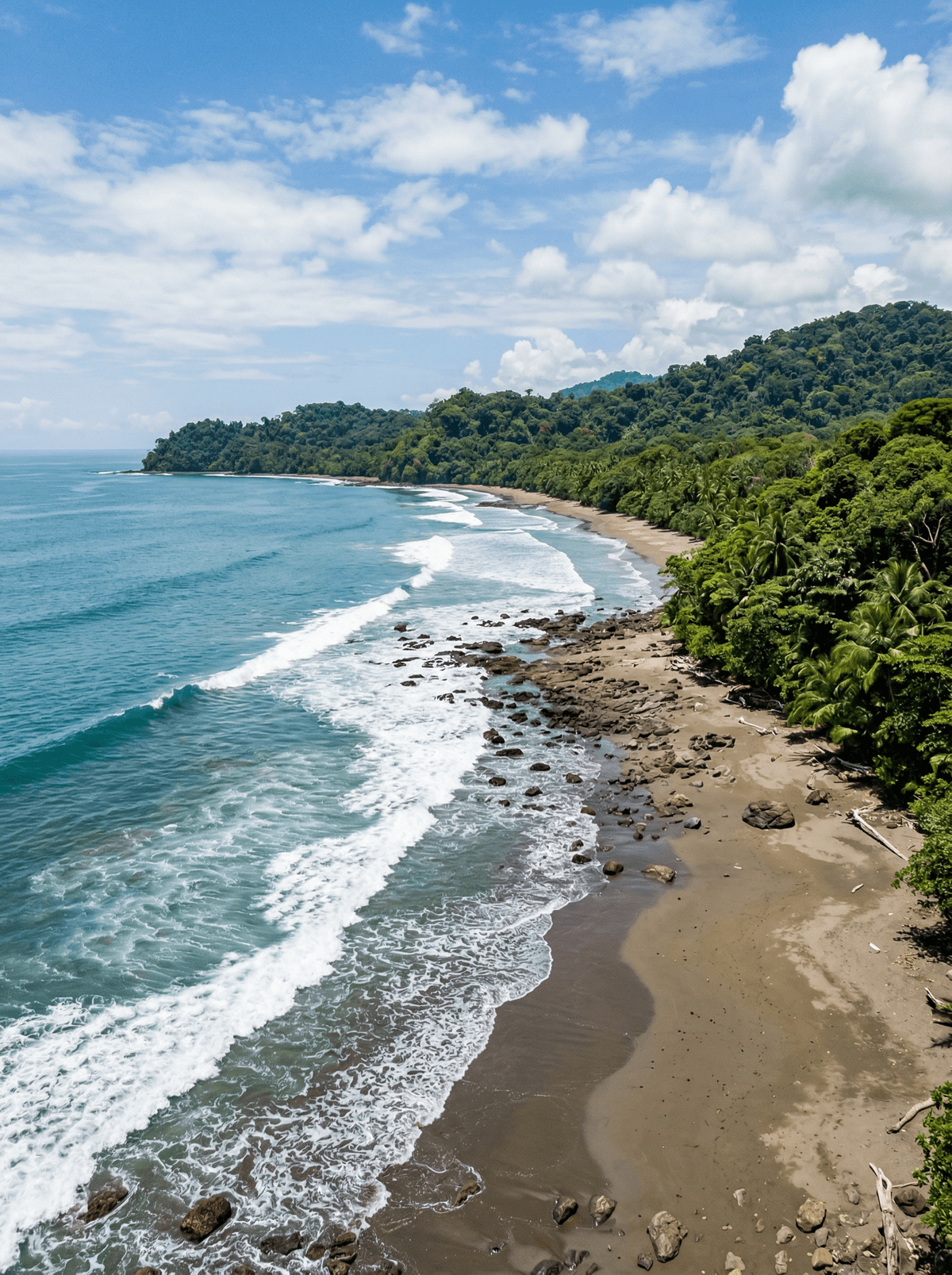
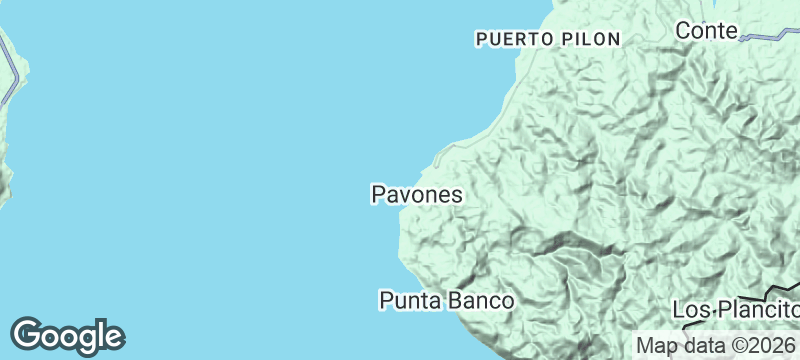
Pavones
One of Earth's longest left-hand waves — ride for a full minute on a good swell.
The wave peels left for so long your legs burn before it ends. Pavones sits at Costa Rica's far southern Pacific reach, where the road turns to dirt, the signal fades, and the only question that matters is where the swell is coming from. By afternoon you are eating corvina with sand between your toes.
Pavones holds one of the longest rideable left-hand waves on Earth — on the right south swell, rides run along the point for the better part of a minute and more, a duration that reshapes what surfers think one wave can be. The break is fickle by design: tide and swell direction must line up, and the window can close within hours, which is why the village watches the sea the way farmers watch sky. Surf camps and weekly houses stand in for hotels, and the coast behind belongs to the Osa Conservation Area — forest running to the tide line on one of Central America's last intact green coasts.
Solo
Pavones rewards the solo surfer willing to wait for conditions — no distractions, no schedule, just swell-watching and a rhythm to disappear into.
Friends
Renting a house for the week and surfing the longest left of your lives is a trip that becomes foundational.
- The second-longest left-hand wave in the world peels along this point on big south swells.
- The wave needs south swell and the right tide, and the window can close within hours.
- Kativo, Zancudo, Pilón and Punta Banco line the same wild shore — Pavones anchors a whole coast of surf beaches.
- The coast sits inside the Osa Conservation Area, forest running unbroken to the tide line.
Casados and fruit smoothies at the surf-fuel sodas — eat, wax, repeat.
Fresh corvina at a beachfront cantina, feet in the sand, salt still in your hair.
Dakhla
Morocco
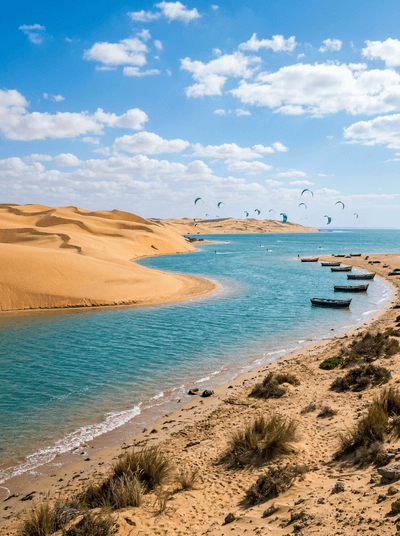
Kites lift over a 37-kilometre lagoon where dune ridges hold back the Atlantic.
Imsouane
Morocco
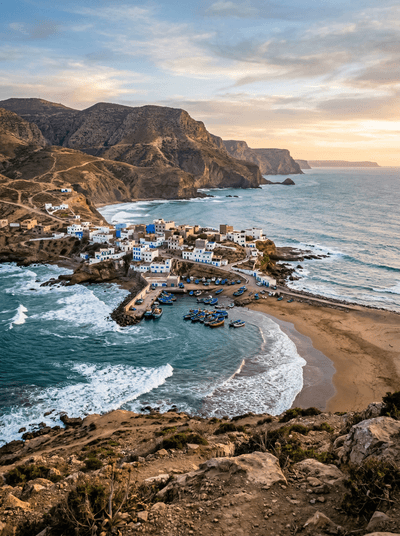
A mellow right peels beside blue fishing boats while Cathedral gathers the heavier swell.
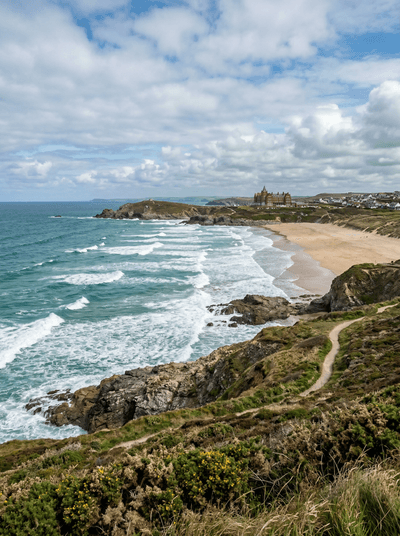
Newquay
England
Atlantic swells smash into seven beaches at the modern home of British surfing.
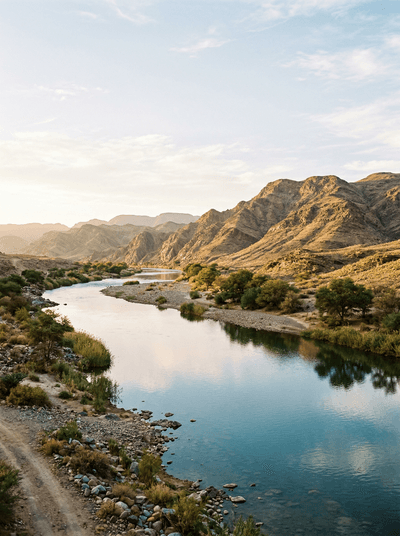
Orange River (Vioolsdrif)
South Africa
A green river corridor carries rafts between bare Richtersveld mountains.
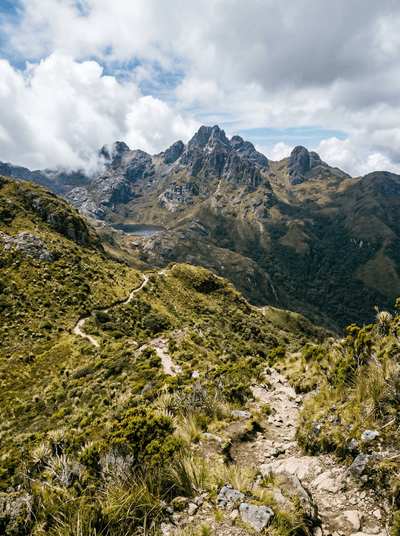
Chirripó National Park
Costa Rica
From Costa Rica's rooftop on a clear morning, the Pacific and Caribbean both lie below.
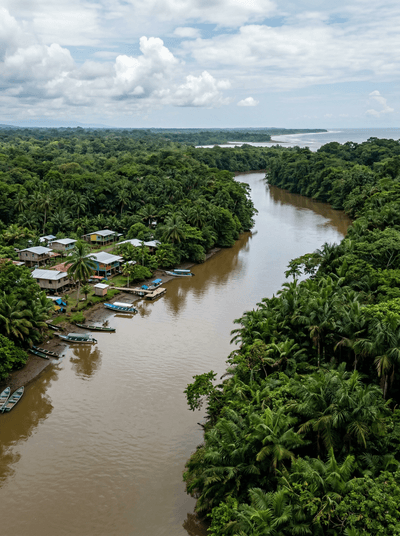
Barra del Colorado
Costa Rica
A roadless river delta where tarpon explode from chocolate-brown water and jaguars patrol the banks.
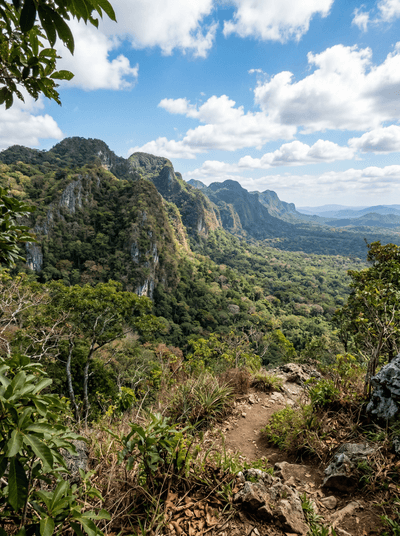
Barra Honda National Park
Costa Rica
Descend by ladder and harness beneath a hill of ancient coral to stalactites gleaming by headlamp.
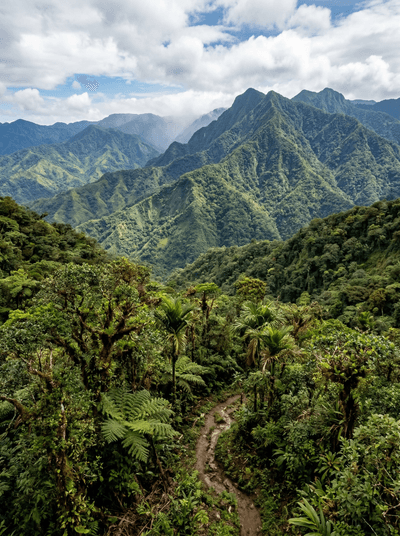
La Amistad International Park
Costa Rica
A borderless wilderness where North and South America's wildlife met — and never left.