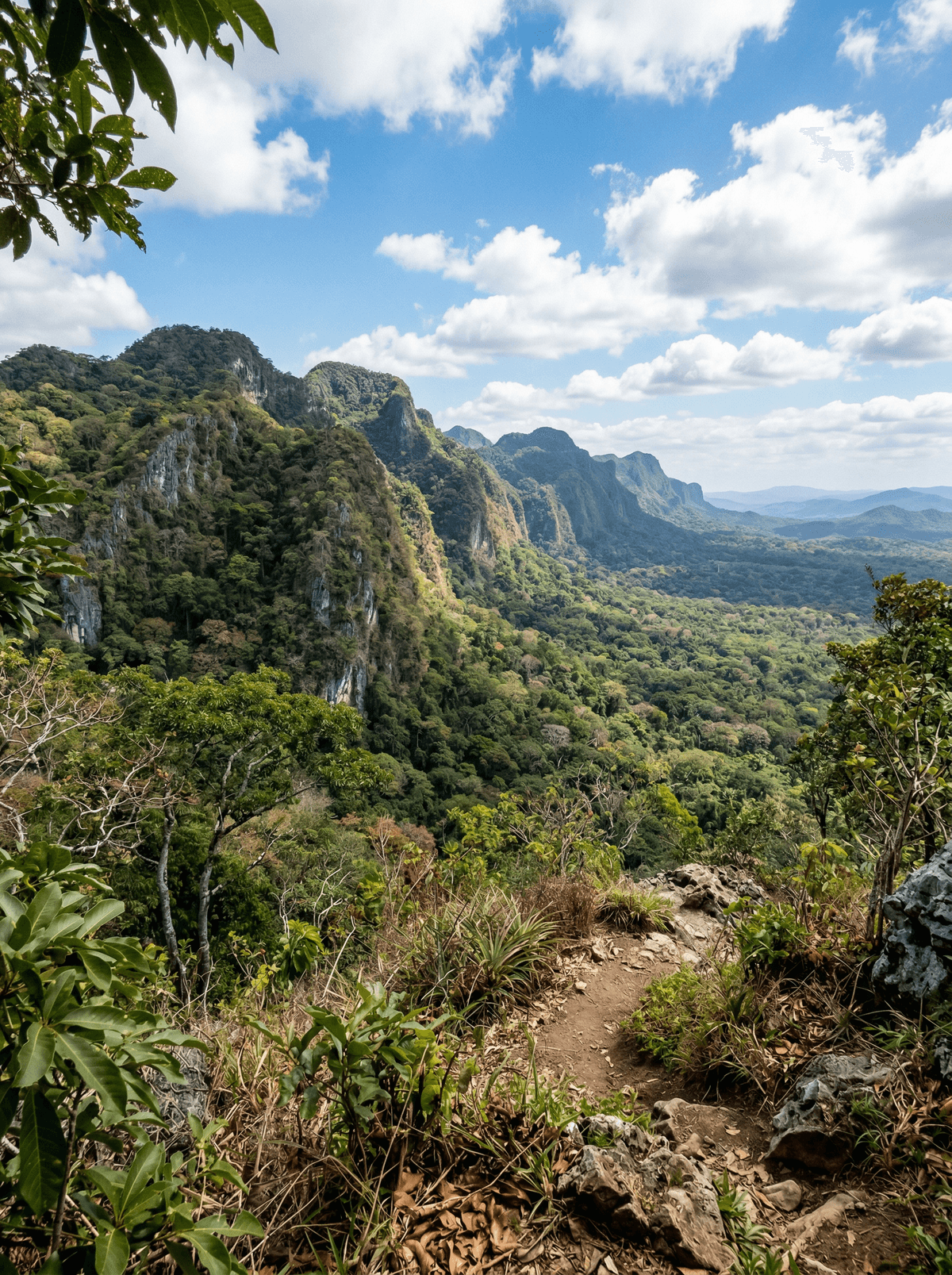
Costa Rica
Barra Honda National Park
Descend by ladder and harness beneath a hill of ancient coral to stalactites gleaming by headlamp.
Your headlamp catches the first stalactite, and below it another, and another — mineral slow-drip reaching toward you through darkness that smells of wet stone and bats. Above ground, Guanacaste's driest forest crackles with heat; underneath it, Barra Honda keeps a cool, dripping underworld.
Barra Honda's peak is made of old coral reefs — a seabed shoved upward by tectonic faults, now a dry-forest hill honeycombed with caves, nineteen of them discovered so far. Terciopelo is the one open to visitors, the most accessible of the system: you go down by ladder and rope with a guide and harness, into chambers where formations have grown undisturbed for millennia while bats keep the sealed caves for themselves. Above, the deciduous forest goes gold and skeletal in the dry months and floods green with the rains, and the summit lookouts stare across the Tempisque basin. Nicoya, one of Costa Rica's oldest towns, waits below with cold drinks and corn.
Solo
The ladder descent into Terciopelo demands focus and nerve — a solitary challenge that outlasts the harness, with dry-forest trails quiet enough to hear leaf litter underfoot.
Friends
Going underground on ropes together is bonding with a harness on — and Nicoya's sodas wait with cold drinks after.
- The hill is an uplifted coral reef — a seabed raised by tectonic faults and honeycombed with caves.
- Nineteen caves have been discovered; Terciopelo, the most accessible, is the one you can enter.
- Descents run with guides, harnesses and ladders — an underworld earned, not strolled into.
- Above ground the dry forest turns gold and bare, then floods green when the rains return.
Gallos in Nicoya town — tortillas piled with the day's fillings, Guanacaste's original fast food.
Bizcochos — crisp corn-and-cheese bakes from the wood ovens, eaten warm by the bagful.
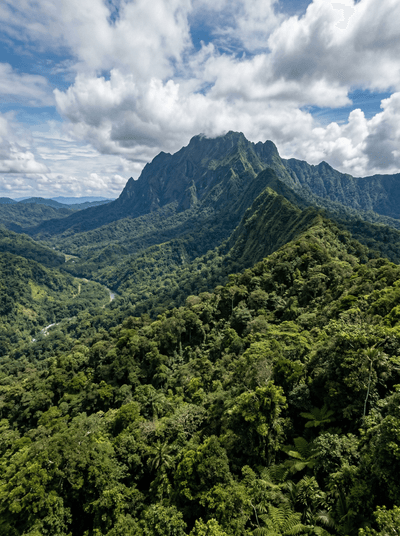
Mount Popomanaseu
Solomon Islands
The country's highest ground, 2,335 metres up through Guadalcanal forest with no trail infrastructure.
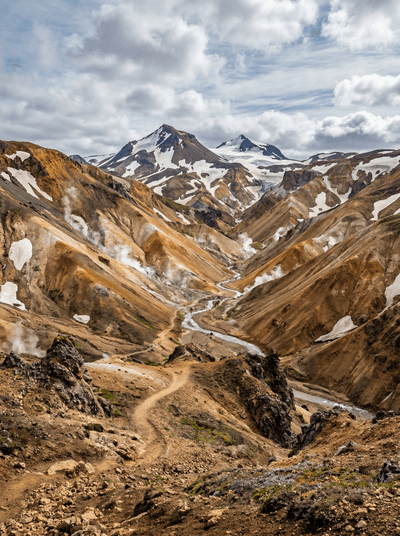
Kerlingarfjöll
Iceland
Steaming orange rhyolite mountains and hissing vents in a high-altitude geothermal desert.
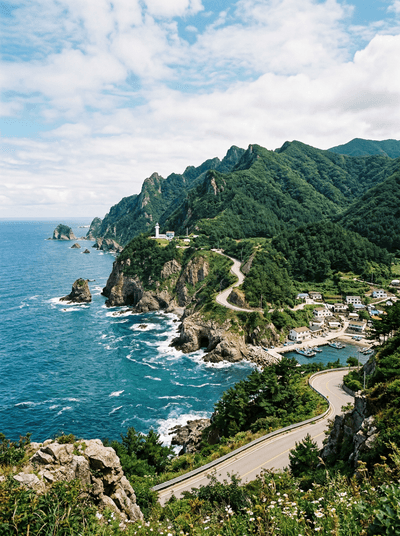
Ulleungdo
South Korea
Squid-boat lights burn at night around an island that is nearly all cliff.
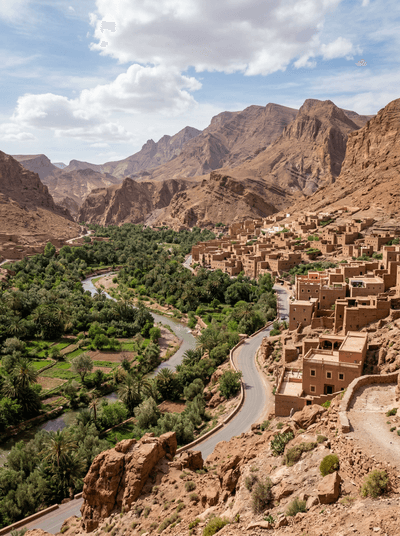
Boumalne Dadès
Morocco
A green river cleaves a wind-scoured plateau where mountain caravans changed seasons.
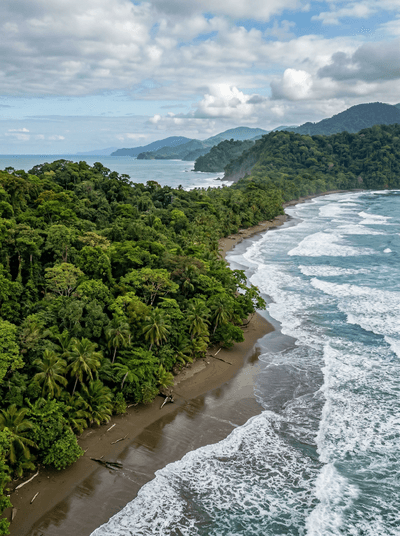
Corcovado National Park
Costa Rica
National Geographic called it the most biologically intense place on Earth. They undersold it.
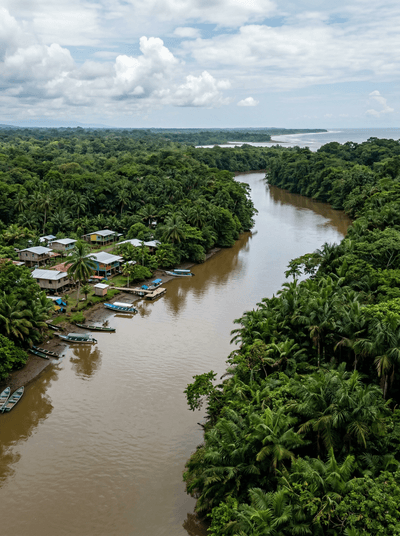
Barra del Colorado
Costa Rica
A roadless river delta where tarpon explode from chocolate-brown water and jaguars patrol the banks.
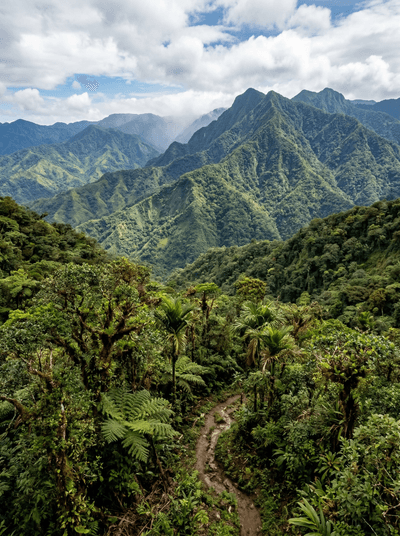
La Amistad International Park
Costa Rica
A borderless wilderness where North and South America's wildlife met — and never left.
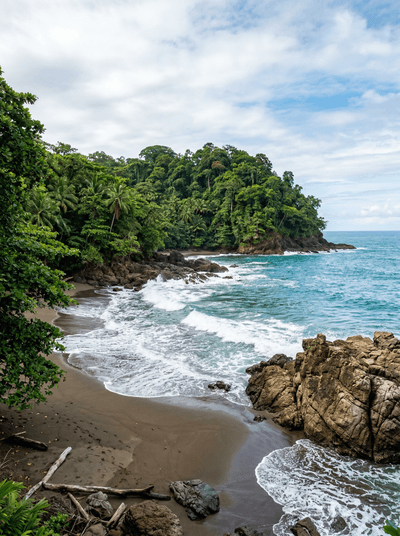
Cabo Matapalo
Costa Rica
Strangler figs tower over the Osa's wild southern tip, where forest runs unbroken to the sea.