Chile
Pica
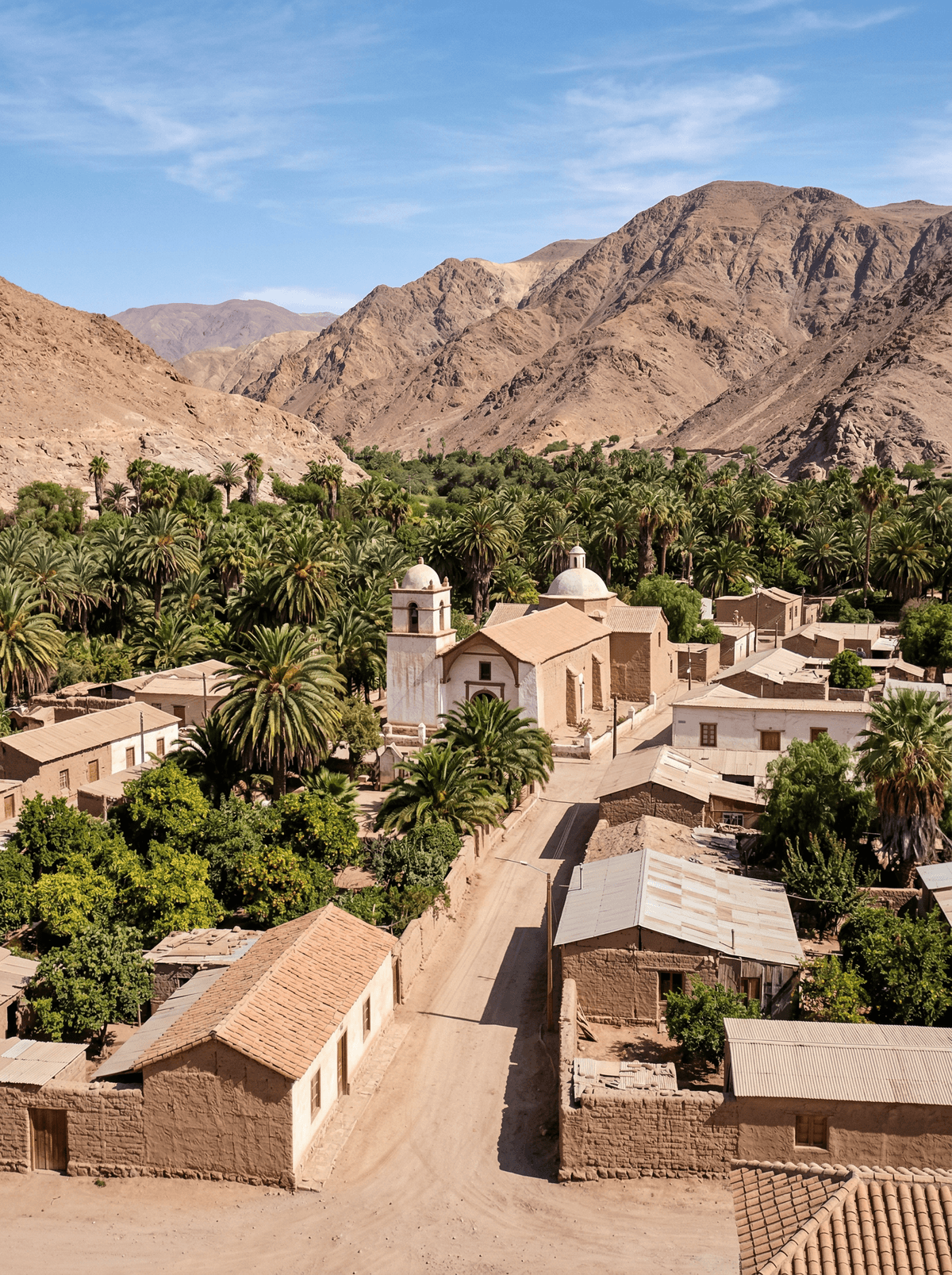
Citrus orchards and warm spring water flourish inside an Atacama oasis.
Lemon leaves shine above irrigation channels while desert hills close around the green basin. Thermal water gathers in the Cocha beneath palms and old stone.
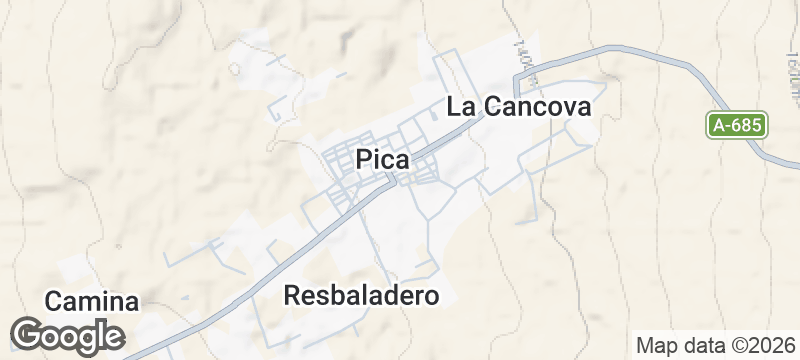
Pica brings orchard agriculture, heritage streets and the Cocha Resbaladero pool into one desert settlement. Municipal routes and local food businesses reveal how water supports both daily life and distinctive produce. It works as a full oasis day rather than a swim beside the highway.
Solo
Municipal routes, orchard businesses and the public Cocha create an easy independent oasis day.
Couple
Walk the green irrigation lanes before sharing citrus, fruit products and the warm spring water.
- Pica is a desert oasis of citrus orchards, heritage streets and the warm Cocha Resbaladero pool.
- Its limón de Pica is a lime grown nowhere else, sharper and more aromatic than common lemons.
- Orchard lanes and local fruit kitchens stretch the oasis into a complete desert day.
Squeeze fragrant Limón de Pica over ceviche or order it as fresh juice in the oasis.
Seek mango or guava products from local growers at Pica’s markets and food businesses.
Cricova
Moldova
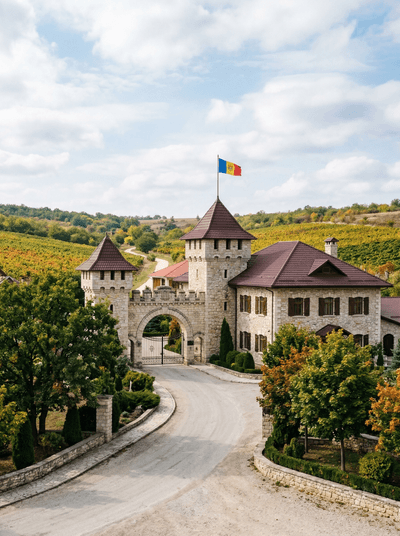
Ride an electric train down wine streets that hide Göring's captured cellar 80 metres underground.
Bylakuppe
India
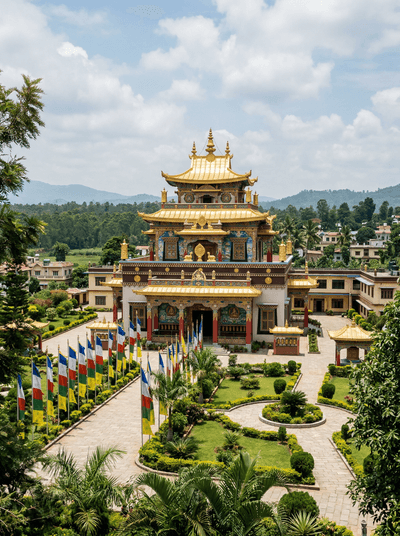
Maroon-robed monks blowing copper horns in a Tibetan exile settlement hidden among South Indian hills.

Bodh Gaya
India
Maroon-robed monks chanting beneath the descendant of the fig tree where Buddhism itself began.
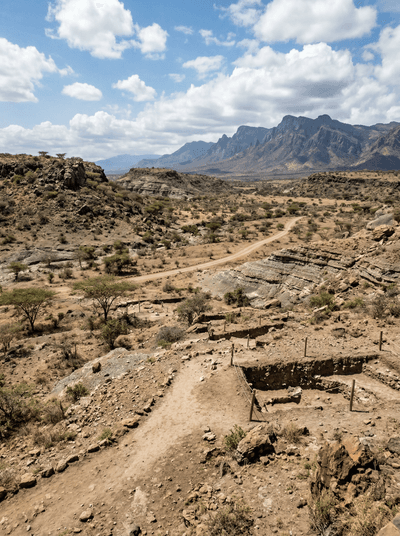
Olorgesailie
Kenya
Hundreds of hand axes lie in situ on a vanished Rift Valley lakebed, 900,000 years old.
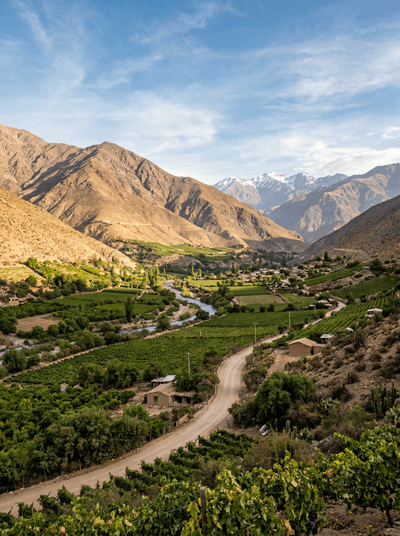
Elqui Valley
Chile
Pisco vines and observatory domes share a clear-skied Andean valley.
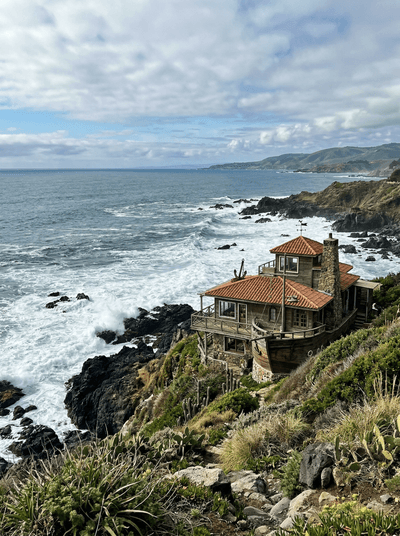
Isla Negra
Chile
Neruda's house of collections faces a Pacific coast of black rock and white water.
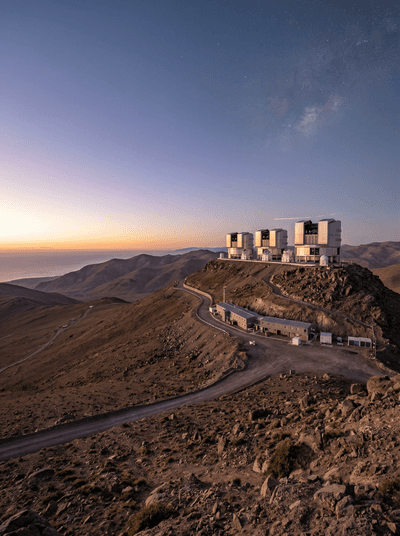
Observatorio Paranal
Chile
Four silver domes crown a levelled mountain summit in the driest desert on Earth.
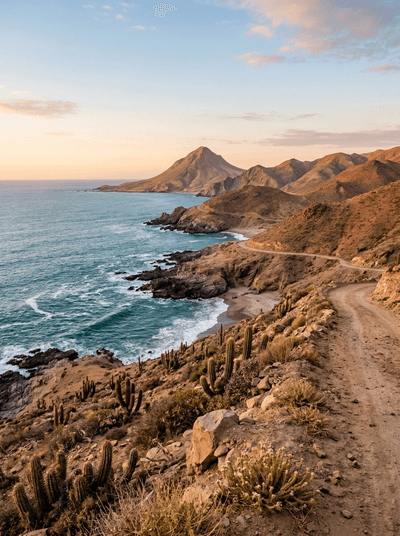
Parque Nacional Pan de Azúcar
Chile
Cactus-covered desert slopes fall straight into cold Humboldt Current coves.