Chile
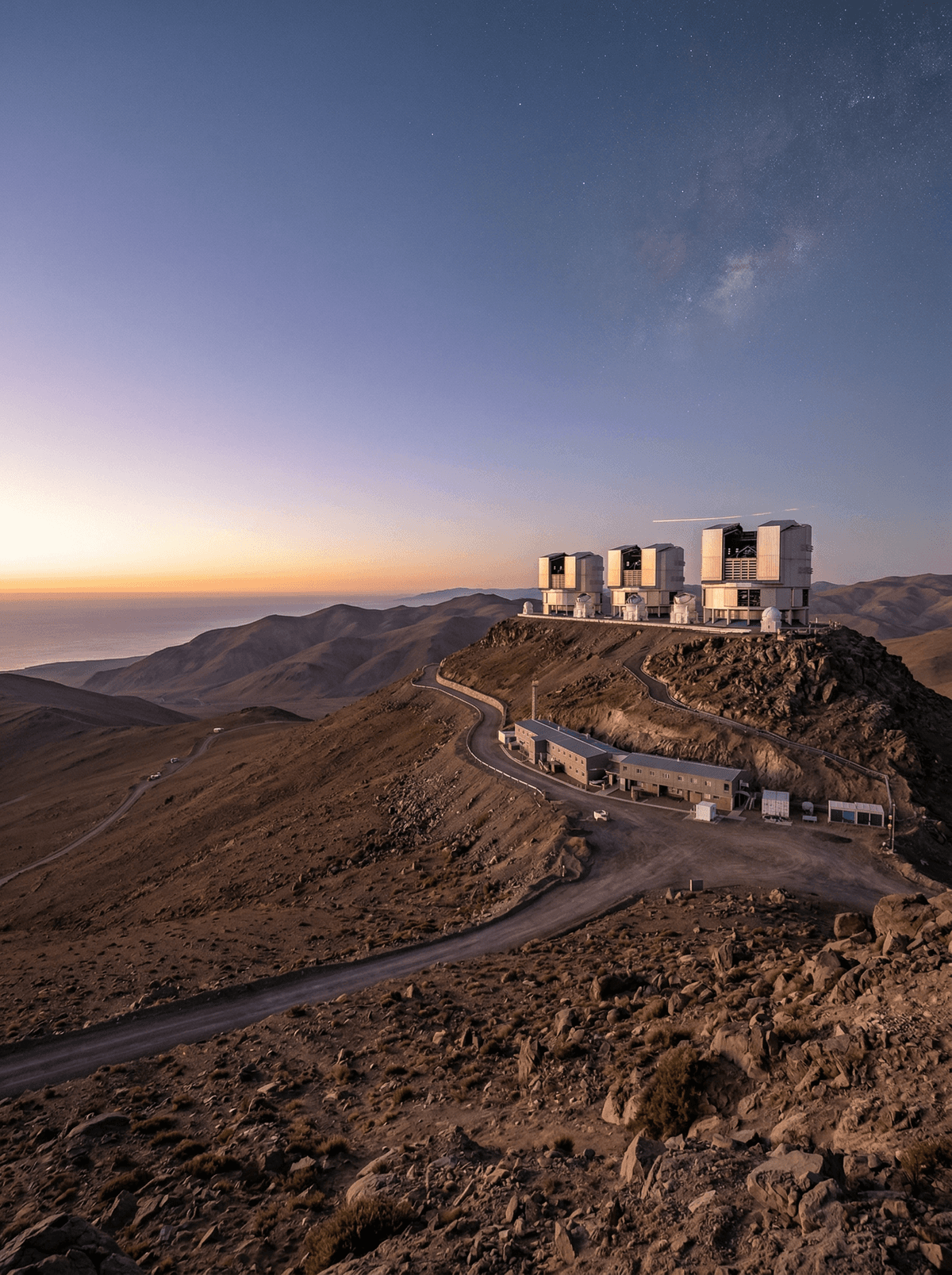
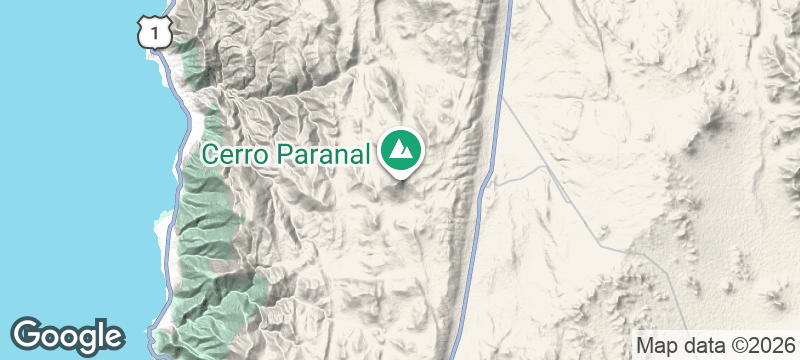
Observatorio Paranal
Four silver domes crown a levelled mountain summit in the driest desert on Earth.
The domes sit above rust-coloured ridges in air engineered for clear seeing. Inside, the scale of the telescope turns astronomy into architecture.
ESO offers free Saturday tours in registered morning and afternoon sessions. The three-hour visit includes the Very Large Telescope facilities, with private transport required to reach Paranal. This is a daytime encounter with world-class science, not a promised night at the eyepiece.
Solo
The registered public tour turns world-class science into a structured three-hour destination.
Couple
Share the remote desert drive and telescope architecture without expecting a night observation session.
- Paranal's Very Large Telescope crowns a levelled summit engineered for the world's clearest astronomical seeing.
- ESO opens the working observatory to registered public visits by day.
- The approach through absolute desert sharpens the shock of the domes' precision.
Visitor instructions require travellers to bring permitted food and water to Paranal's non-public dining site.
Antofagasta and Taltal kitchens serve corvina ceviche from the Pacific coast.
Stonehenge
England
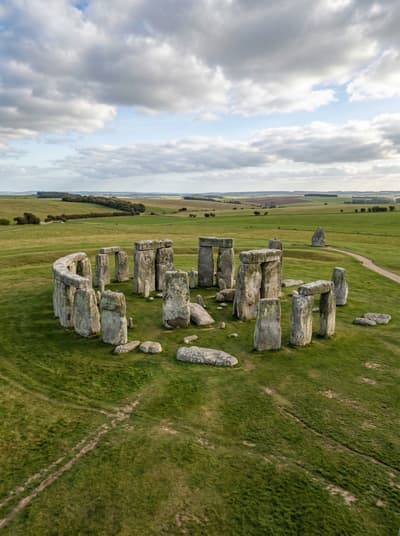
Bluestones hauled a hundred and fifty miles to stand in a circle nobody can fully explain.
Cradle of Humankind
South Africa
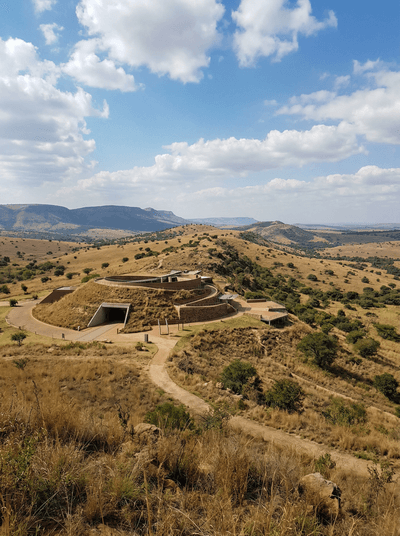
Fossils surface from limestone darkness, pulling the human family tree millions of years backwards.
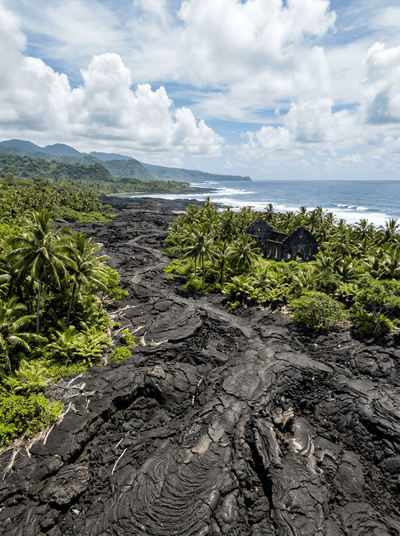
Saleaula Lava Fields
Samoa
The lava filled a church to its windows yet parted around a single grave.
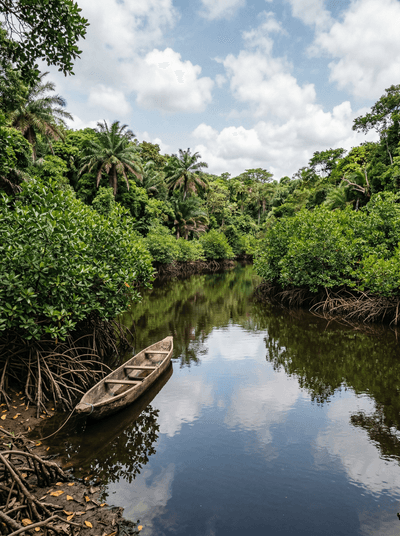
Makasutu Cultural Forest
Gambia
A forest named for Mecca: palm wine drips from the trunks, baboons patrol the floor.
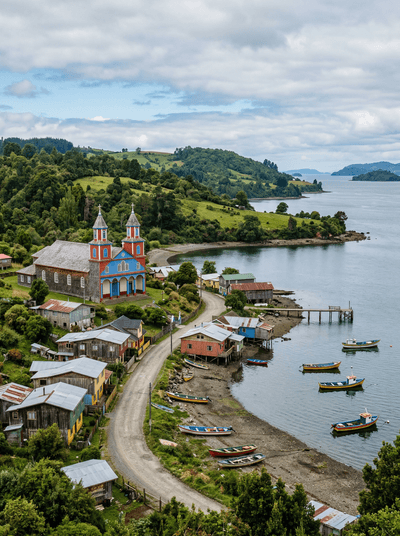
Isla Chiloé (Tenaún)
Chile
Three timber towers rise above a quiet Chilote waterfront.
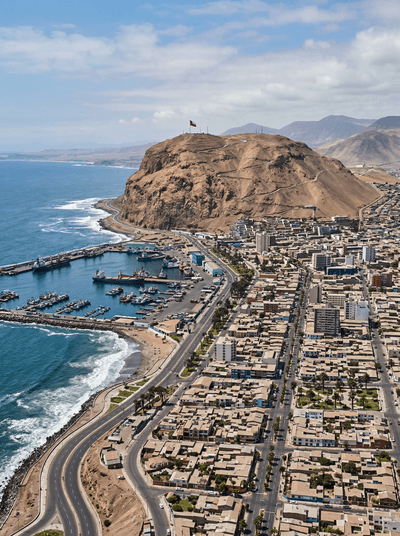
Arica
Chile
One of humanity's earliest mummification traditions rests beneath Arica's beaches and headland.
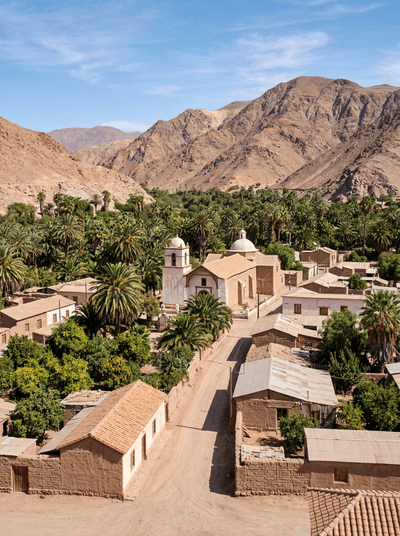
Pica
Chile
Citrus orchards and warm spring water flourish inside an Atacama oasis.
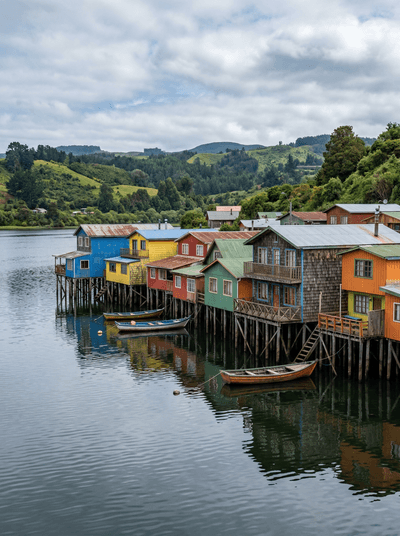
Chiloé Island
Chile
Palafitos, timber churches and ferries unfold through an archipelago softened by rain.