Brazil
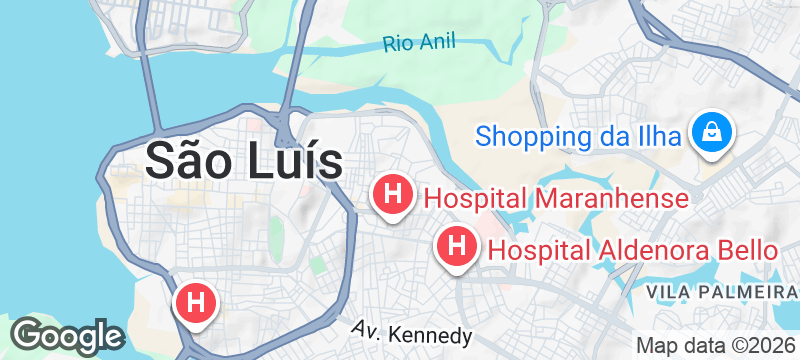
São Luís
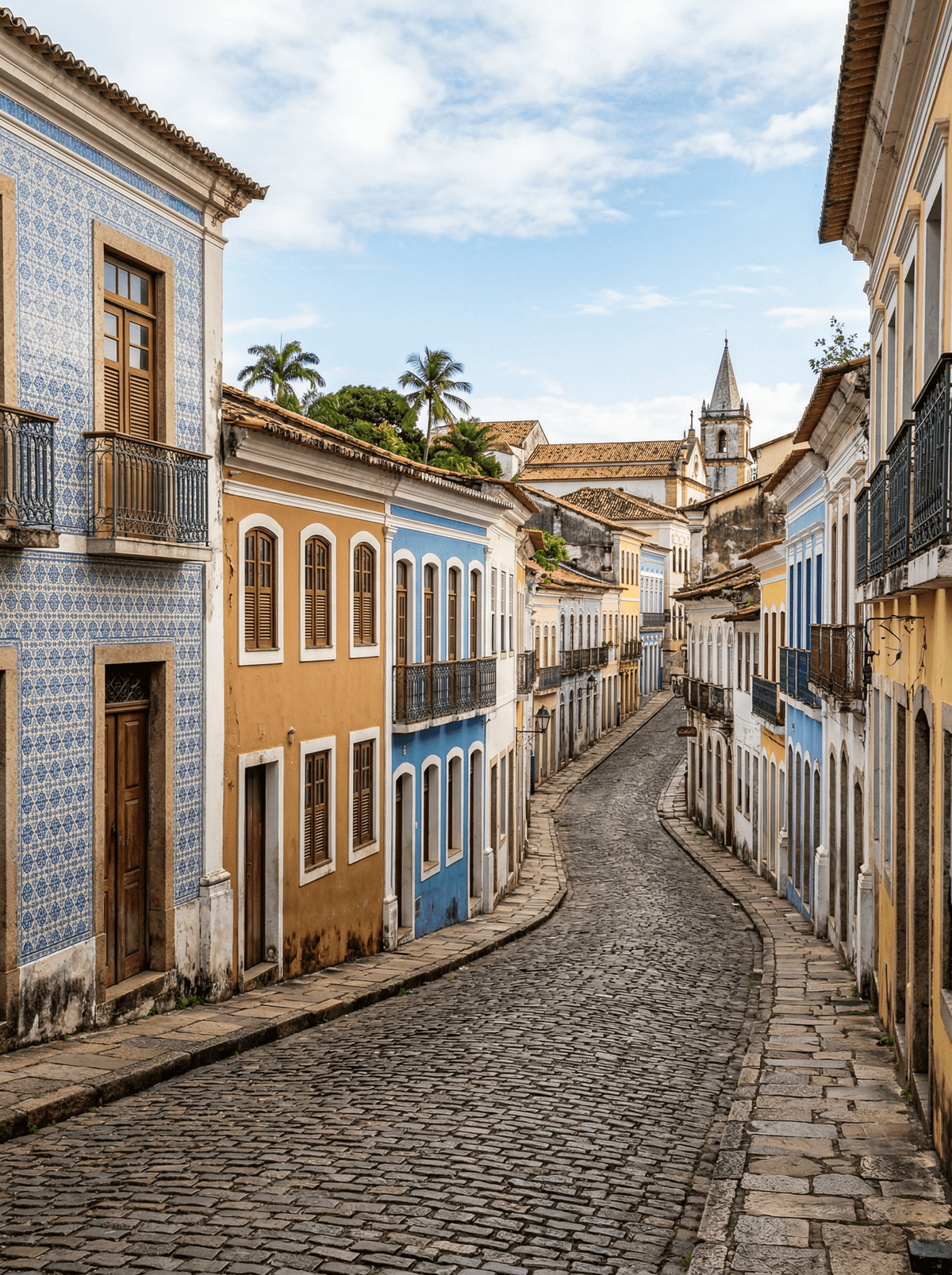
Hand-painted Portuguese tiles across four thousand colonial houses, cooling the walls against equatorial heat.
The tiles are the first thing you notice. Hand-painted Portuguese azulejos cover the fronts of the casarões through Praia Grande and Desterro, and they do more than decorate: ceramic on a wall this near the equator keeps the room behind it cooler. The streets break into alleys, staircases and slopes as they go, and on a Tuesday evening the tambor starts up in the old centre.
São Luís was founded in 1612 by the French, by Daniel de La Touche and François de Rasilly, named for Louis XIII and intended as the capital of a France Équinoxiale; the Portuguese took it in 1615 and the Dutch held it from 1641 to 1644. What the cotton money of the nineteenth century built is still standing, around four thousand casarões across more than 220 hectares, listed by UNESCO as World Heritage and most of them faced in tile painted by hand. The centre threads through Praia Grande and Desterro past the Palácio dos Leões, the Catedral da Sé and the Teatro Arthur Azevedo, along Rua Portugal and Rua do Giz. It works as a living quarter rather than a preserved one: UNESCO inscribed Maranhão's Bumba-meu-boi complex on the Representative List of the Intangible Cultural Heritage of Humanity in 2019, tambor de crioula and capoeira rodas run alongside it, and the city's own centre portal counts about three thousand informal workers holding that daily programme together. June is the peak of it, when the São João season and the boi groups take the streets.
Solo
Two hundred and twenty hectares reward drifting more than routing. Take Rua Portugal and Rua do Giz, follow the staircases wherever they drop, and put the Casa das Tulhas market at midday. Tuesday evening is the easiest way into the living version of the city, when the tambor plays in the old centre and nobody has staged it for visitors.
Couple
June is when the city is at full volume: the boi groups own the streets and the arraiais are serving arroz de cuxá and crab tortas late into the night. Come later in the dry half and you trade that for quiet tile, an empty Rua do Giz at dusk and a table you can actually get.
- Around four thousand casarões stand inside more than 220 hectares of UNESCO-listed centre, most of them faced in hand-painted Portuguese tile.
- The city was founded in 1612 by Daniel de La Touche and François de Rasilly and named for Louis XIII, capital of a French colony that lasted three years.
- The Complexo Cultural do Bumba-meu-boi do Maranhão was inscribed on UNESCO's Representative List of the Intangible Cultural Heritage of Humanity in 2019, and Iphan had registered the state's tambor de crioula in 2007.
- The Arraial da Cidade fills weekend after weekend through June with the São João programme and the food that belongs to it.
Arroz de cuxá is the plate that gives Maranhão away, sharp with vinagreira leaf, dried prawn and sesame, and it arrives beside seafood.
Crab and prawn tortas, mingau de milho and fried fish come out of the June arraiais, with cajá and cupuaçu juice next to them.
Gammelstad Church Town
Sweden
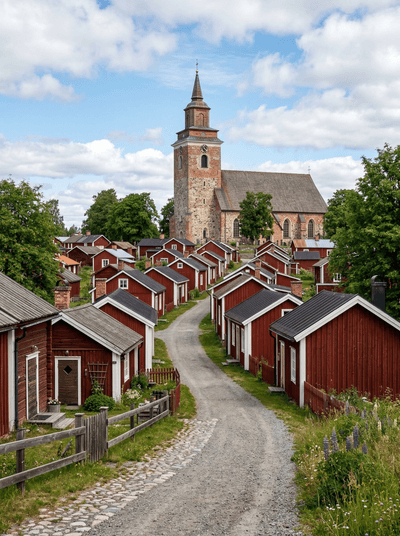
Over four hundred red wooden cottages huddled around a medieval church, frozen in communal piety.
Ishak Pasha Palace
Turkey
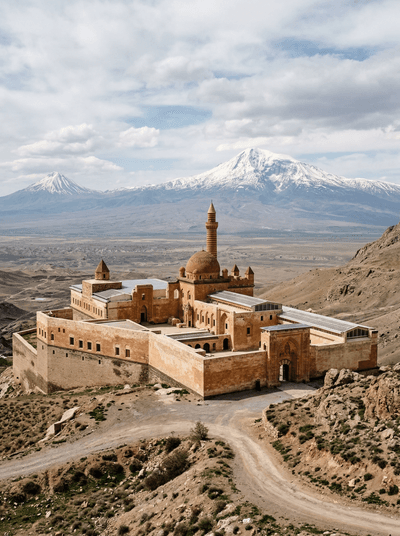
A frontier palace with heating in its stone walls, its golden doors still in the Hermitage.
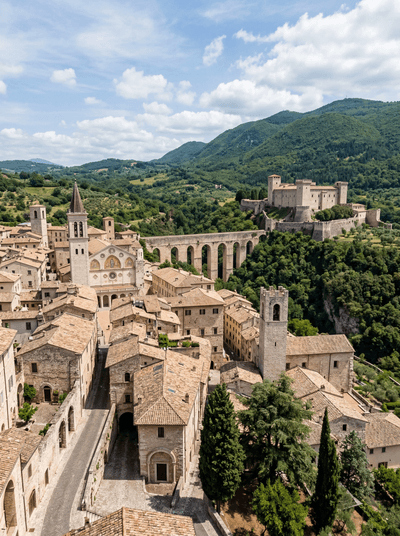
Spoleto
Italy
A medieval aqueduct leaps across a forested gorge, connecting a hilltop city to its mountain.
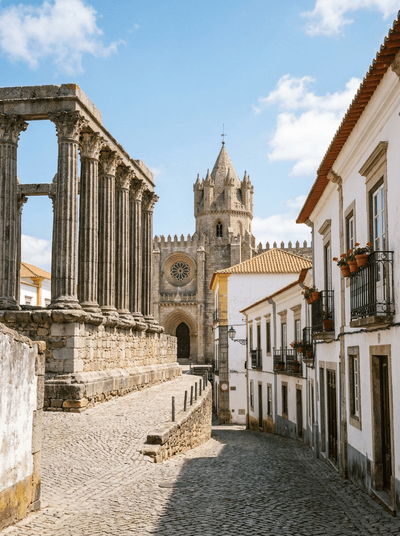
Évora
Portugal
A Roman temple stands intact beside a chapel the monks lined with their own dead.
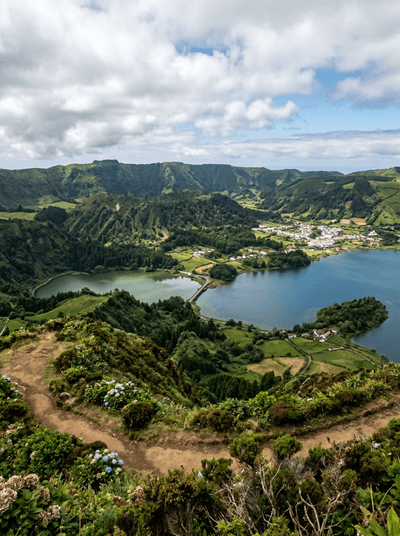
Sete Cidades
Brazil
Sandstone eroded into what look like seven separate cities, with rock paintings inside them.
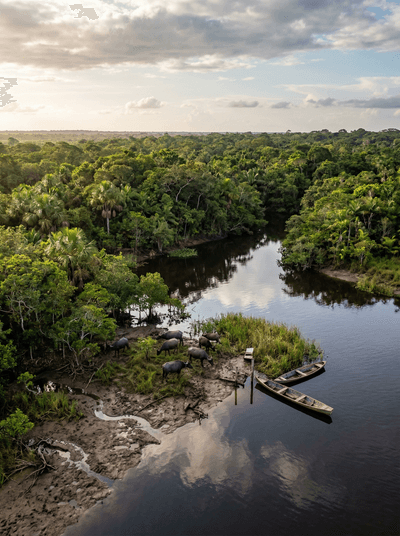
Ilha de Marajó
Brazil
The police here ride buffalo, because the flooded ground defeats anything with wheels.
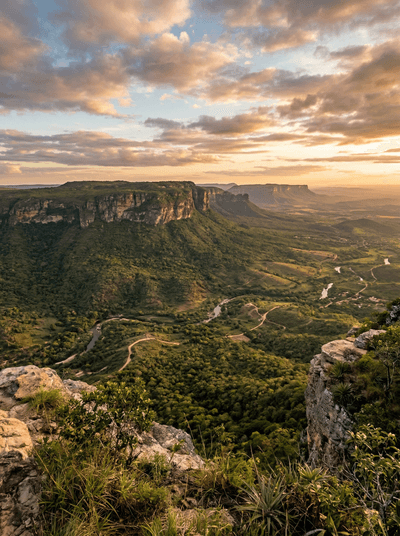
Chapada do Araripe
Brazil
Diggers call this rock pedras de peixe, fish stones, and that is exactly what is inside.
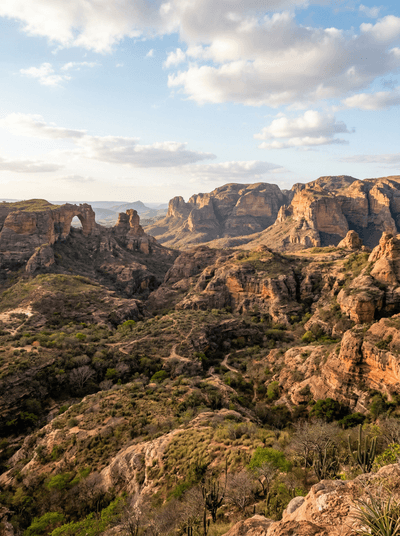
Vale do Catimbau
Brazil
Sandstone cathedrals hiding paintings made under the overhangs some six thousand years ago.