Costa Rica
Playa Conchal
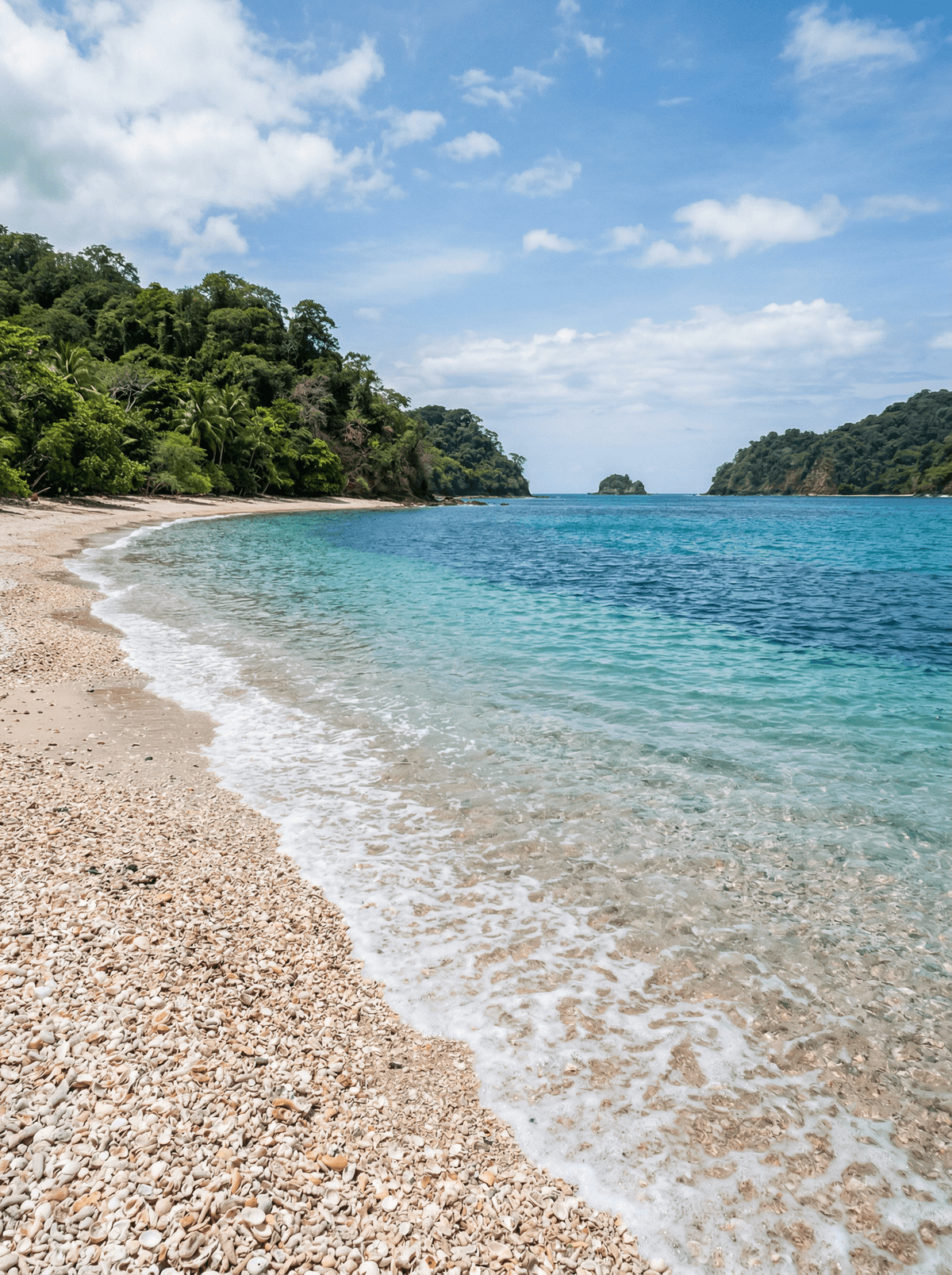
Not sand — millions of crushed shells crunching beneath your feet on a warm Pacific shore.
Your feet crunch with every step. This is not sand — it is millions of crushed shells, ground by the Pacific into a surface that gleams pearl-white in the sun, the water above it filtered clear by the shell bed itself. Playa Conchal feels engineered for relaxation, but nobody designed it.
Conchal's beach is biogenic — the accumulated remains of shells broken down by wave action over thousands of years, which is what gives the shallows their glassy clarity and the shore its name: concha, shell. The bay sits sheltered on Guanacaste's gold coast, calm enough on most days for paddleboards, sails and easy snorkelling straight off the beach. Five minutes' walk along the sand, Brasilito stays a working fishing village — boats hauled up on the shore, sodas at plastic tables, the day's catch on every menu. Walk the shell shore at sunset and it sparkles.
Couple
Sunset walks on a beach that crunches and sparkles — the kind of sensory detail honeymoons are remembered by.
Family
Sheltered, shallow, glass-clear water and a beach made of shells that fascinates children — with Brasilito's fishing-village sodas five minutes away.
- The beach is crushed shell, not sand — a pearl-bright surface with unusually clear shallows.
- The sheltered bay stays calm enough on most days to paddle, sail and snorkel straight off the beach.
- Brasilito, a working fishing village, sits a five-minute walk along the same sweep of shore.
- Guanacaste's dry season runs November to April — month after month of reliable beach weather.
Brasilito's sodas serve the day's catch at plastic tables a shell's throw from the boats.
Ceviche mixto under a beach almond tree — snapper and shrimp sharpened with Guanacaste limes.
Oualidia
Morocco
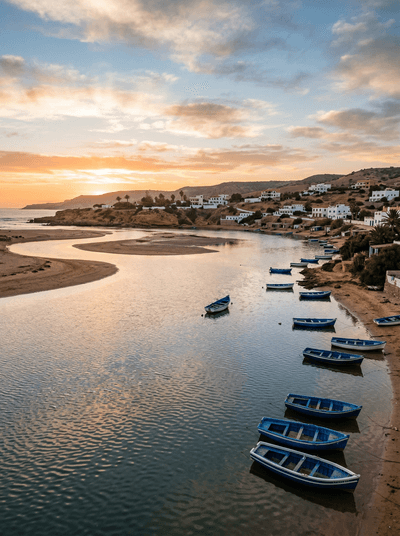
A saltwater lagoon where oyster beds gleam at low tide and flamingos wade.
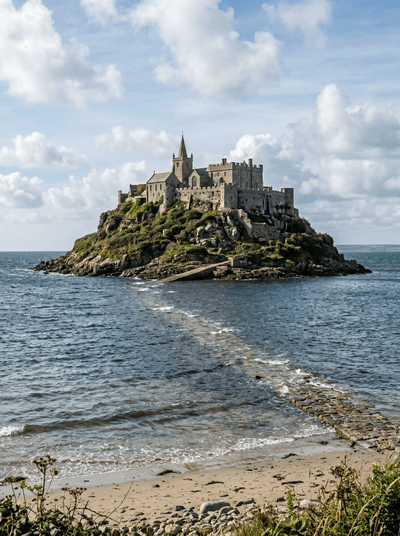
St Michael's Mount
England
A tidal island castle reached by a granite causeway the sea swallows each evening.
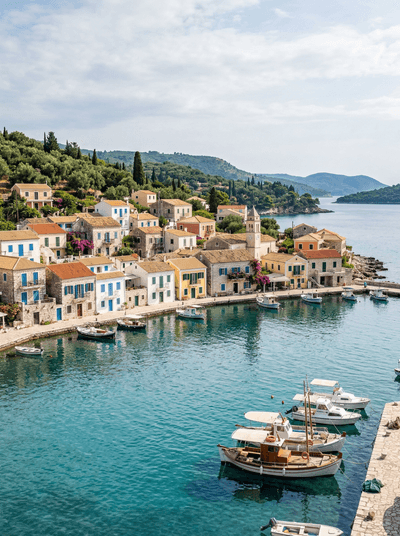
Paxos
Greece
Sea caves large enough for a sailboat glow electric blue beneath sheer white limestone cliffs.
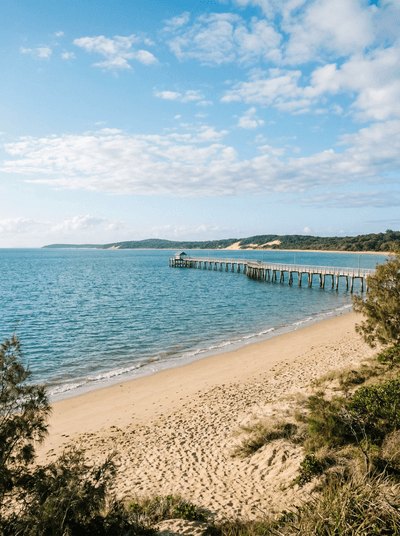
Hervey Bay
Australia
Humpback mothers rest with calves inside the sheltered bend of their winter migration.