Costa Rica
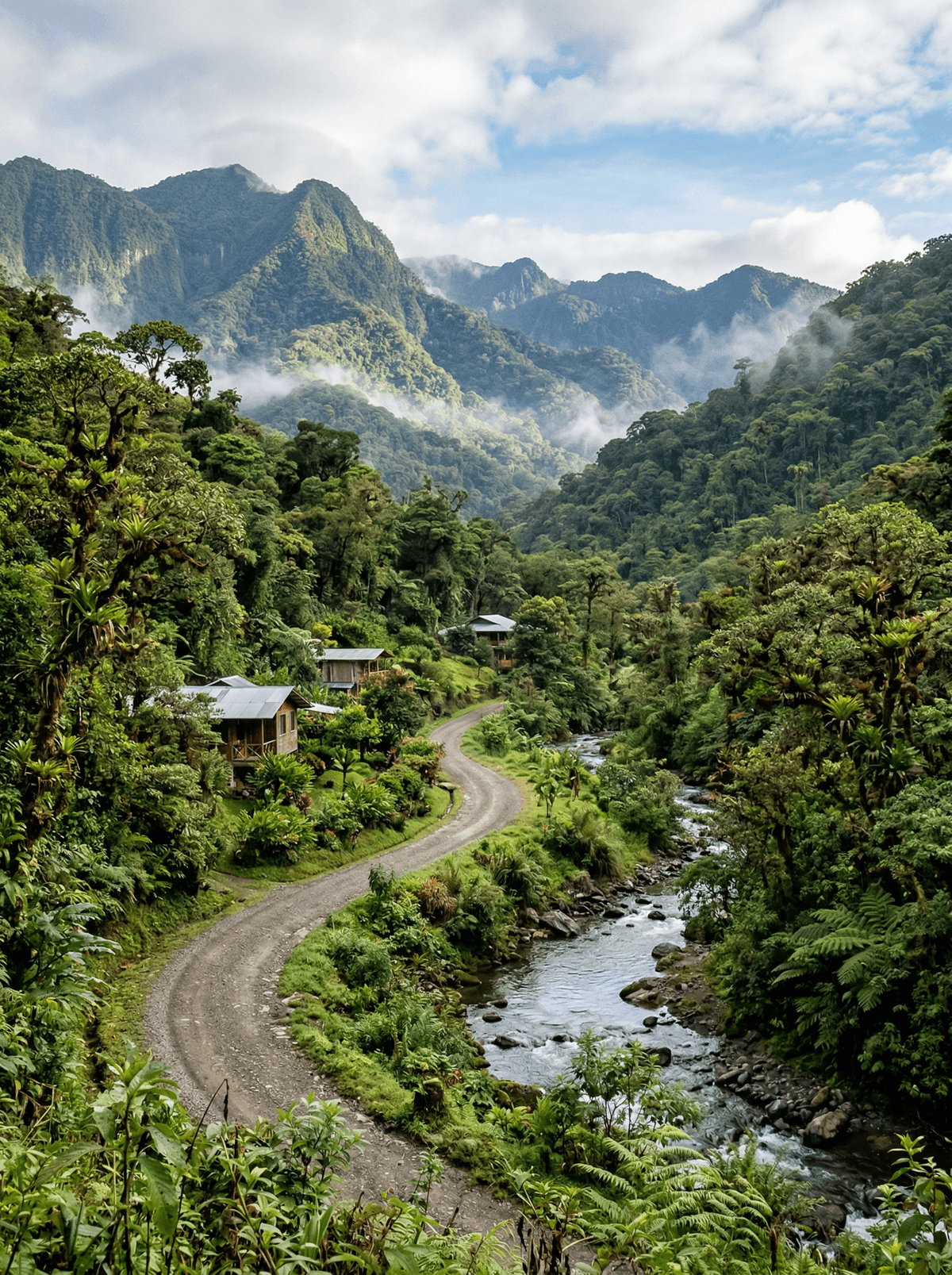
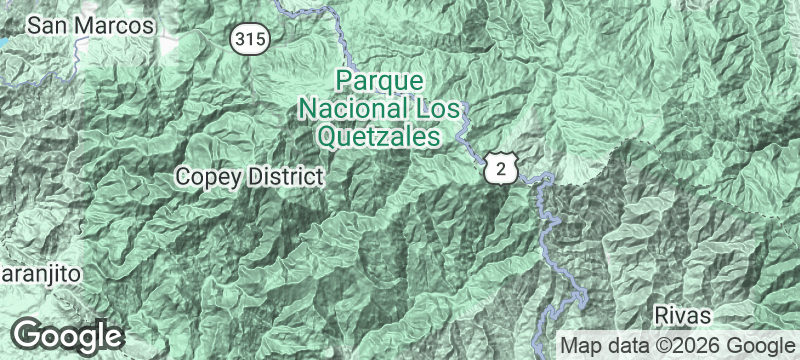
San Gerardo de Dota
A bird the Maya held sacred flashes emerald through one cold valley's mist.
This is the moment San Gerardo de Dota exists for: a flash of green in your peripheral vision, iridescent, impossibly vivid — a male resplendent quetzal, tail streamers hanging nearly a metre below the branch. The valley folded into the cold Savegre cloud forest is where the world comes hoping to see one.
The Savegre River that carved this valley runs through a UNESCO World Biosphere Reserve, cold and glass-clear, and the oak cloud forest above it is classic quetzal country — home ground of the bird the ancient Maya and Aztecs held sacred. Around the birding, the Los Santos zone lives on altitude: Café Tarrazú, Costa Rica's denomination-of-origin coffee, grows on the slopes, family farms raise apples and plums, and trout from the cold water arrives whole or filleted at the valley's lodges. The 1948 Civil War broke out in these mountains — the conflict whose end abolished Costa Rica's army. A steep side road drops from the Interamerican Highway into the valley, below the tourist corridor, where San Gerardo runs on birdsong, river sound and wood smoke.
Solo
Guides, lodge owners and visiting birders form a quietly passionate niche culture — patience and attention are the currency here.
Couple
Wood-heated lodges, river noise and the shared jolt of scanning the aguacatillo trees together — the valley's stillness is its luxury.
Family
A calm valley where children learn to look and listen — unhurried trails, trout ponds and cool mountain evenings.
- The Savegre River basin is a UNESCO World Biosphere Reserve, and its cold water raises the valley's trout.
- The resplendent quetzal — sacred bird of the Maya and Aztecs, tail streamers up to 90 centimetres — is the valley's defining resident.
- Café Tarrazú, the country's denomination-of-origin coffee, grows on the surrounding slopes.
- Costa Rica's 1948 Civil War began in these mountains — the conflict that ended with the army abolished.
Savegre trout — whole or filleted, pulled from cold biosphere water and pan-fried at family lodges.
Tarrazú pour-over — denomination-of-origin coffee drunk a few fields from where it grew.
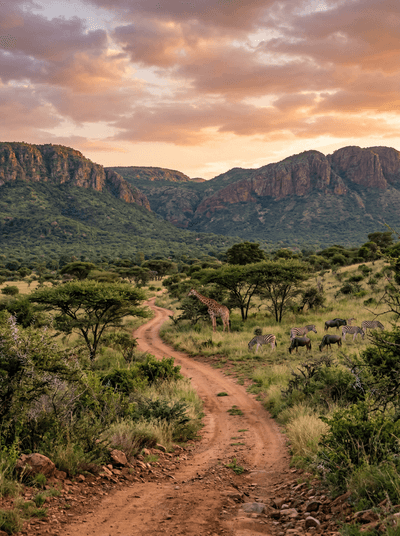
Marakele National Park
South Africa
A mountain road climbs towards a cliff colony of Cape vultures above savanna.
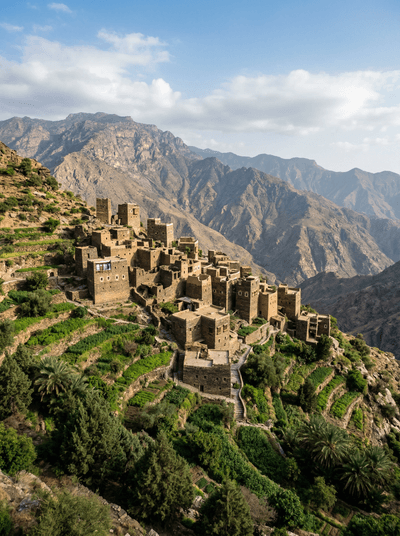
Tanomah
Saudi Arabia
Juniper forests catching cloud on mountain ridges where baboons patrol the misty undergrowth.
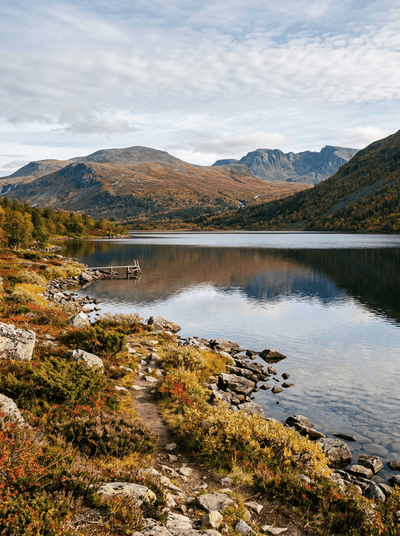
Grövelsjön
Sweden
A mountain station beside the Norway line, whose trails cross countries before lunch.
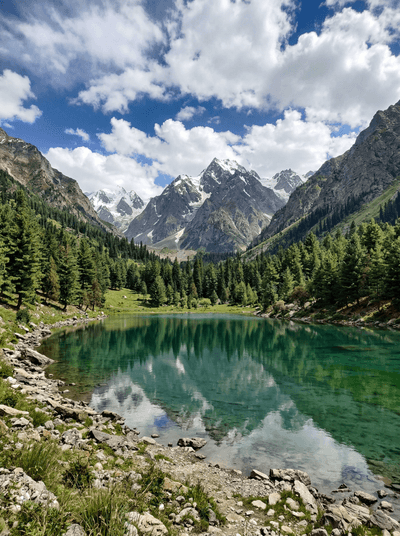
Naltar Valley
Pakistan
Three lakes cycling through turquoise, emerald, and sapphire depending on the angle of light.
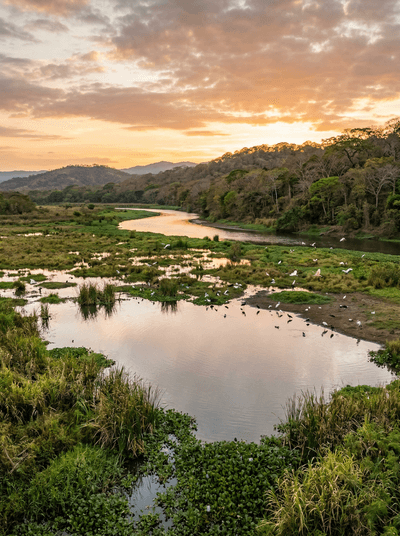
Palo Verde National Park
Costa Rica
Ten thousand hectares of marsh erupt with waterbirds while crocodiles bask below limestone hills.
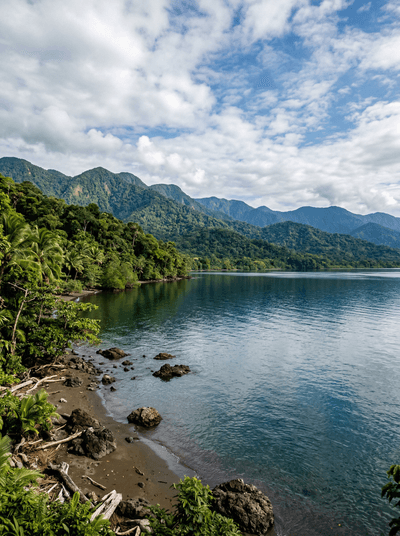
Golfo Dulce
Costa Rica
A tropical fjord of bathwater-warm calm, ringed by primary rainforest and cruised by dolphins.
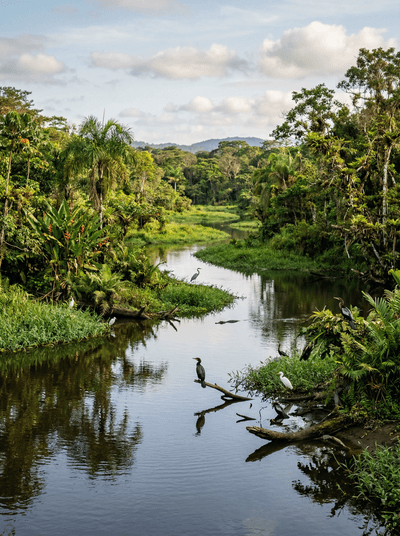
Caño Negro Wildlife Refuge
Costa Rica
A seasonal lake that appears and vanishes, concentrating caimans and jabiru storks in shrinking lagoons.
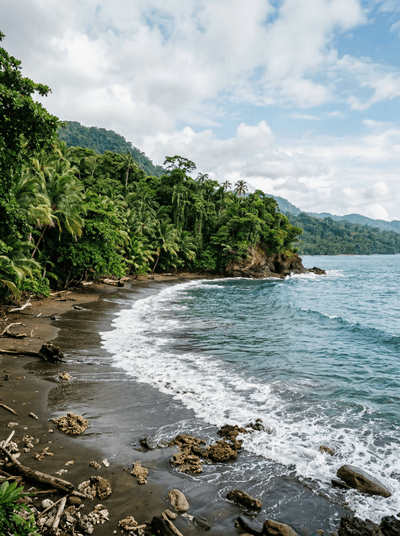
Gandoca-Manzanillo Wildlife Refuge
Costa Rica
Manatees shelter in tea-dark lagoons; the reef grows an oyster known nowhere else.