Costa Rica
Zarcero
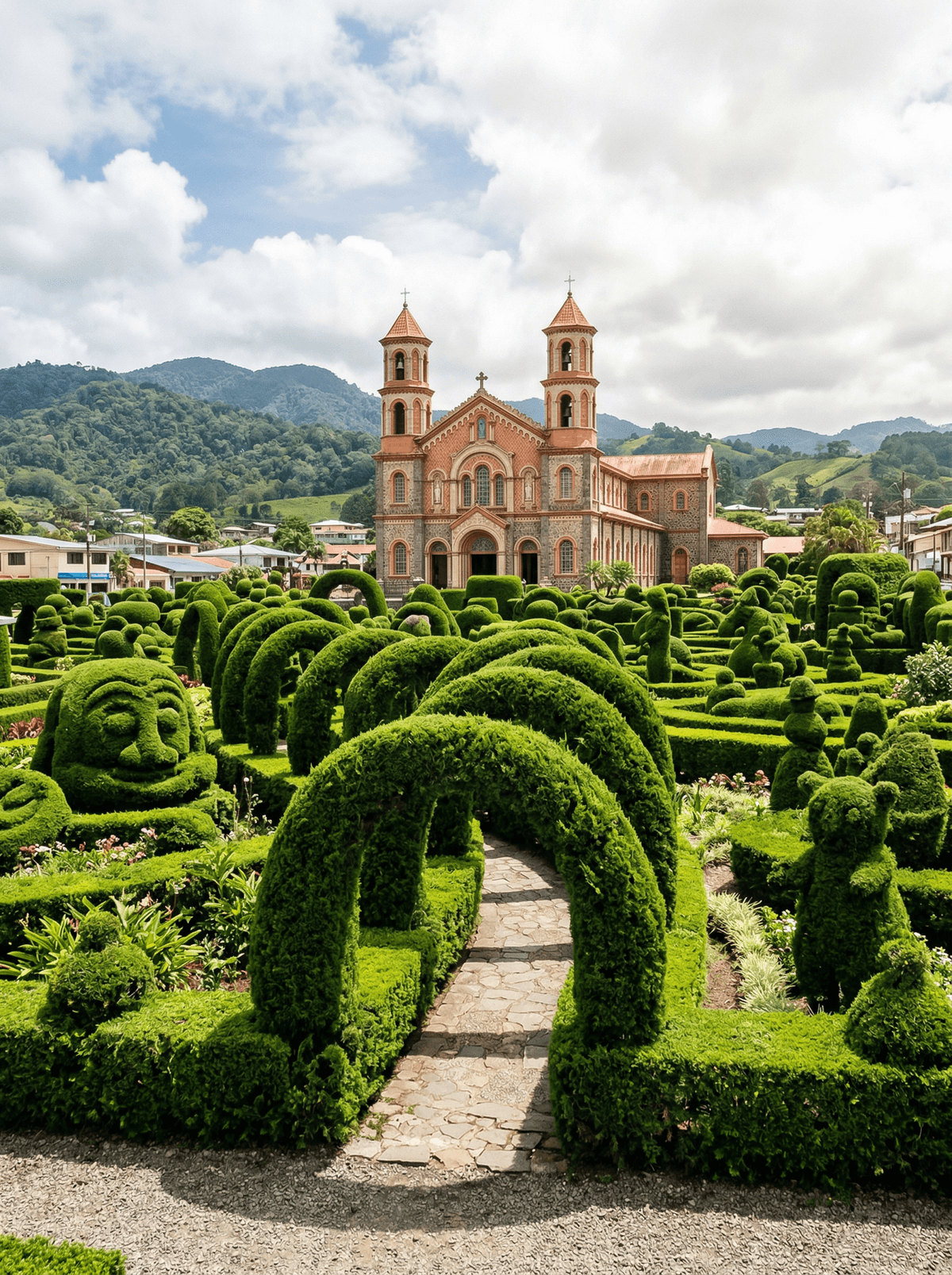
Cypress hedges sculpted into elephants, arches, and dancing couples by one man for over sixty years.
An elephant made of cypress stands in the town square. Beside it, a motorcycle, a dancing couple, and an archway trimmed into impossible geometry. The topiary garden in front of Zarcero's Church of San Rafael is the work of a single pair of hands over more than half a century — and the highland mist rolling through the sculptures at dawn makes them look like they wandered in from a dream.
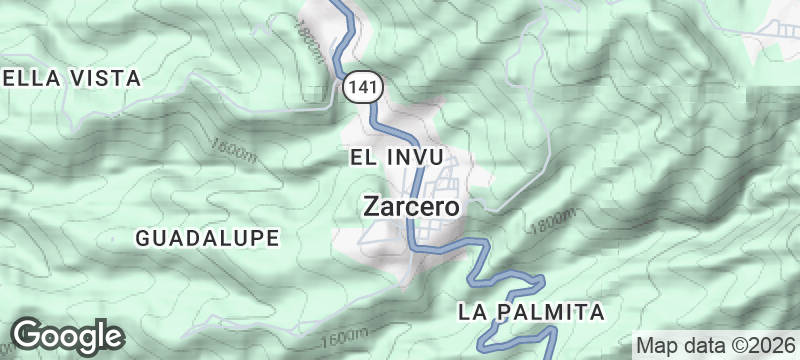
Evangelisto Blanco began shaping Zarcero's cypress hedges in 1960. Every figure — from jaguars to human portraits — was designed and maintained by him alone, creating one of Latin America's most distinctive folk art installations in a village square. The white wooden Church of San Rafael behind the topiary features an entirely hand-painted interior depicting scenes of Central Valley life. Sitting at 1,736 metres in Costa Rica's Central Valley, Zarcero is highland dairy country. The cooler climate produces palmito cheese and stone fruits that the lowlands cannot grow, sold at the weekly street market alongside boiled pejibayes and fresh natilla.
Family
Children chase between sculpted animals while adults photograph the improbable detail. The topiary works for every age and attention span, and the surrounding dairy farms offer a taste of rural highland Costa Rica.
Couple
The combination of folk art, a hand-painted church, and cool highland air makes Zarcero a half-day detour that feels like stepping into someone's lifelong obsession. The farm-gate cheese alone justifies the altitude.
- The topiary park was started by Evangelisto Blanco in 1960 and continued for over 50 years — every figure, from motorcycles to dancing couples, was shaped by his hands alone.
- The park sits directly in front of the Church of San Rafael — a white wooden church whose interior is entirely hand-painted with scenes from Central Valley life.
- Zarcero sits at 1,736 metres — the highland climate produces palmito cheese and stone fruits that the lowlands cannot grow, sold at the weekly street market.
- Children run between the sculpted animals while adults photograph the improbable detail — it works as a destination for every age and attention span.
Highland dairy country produces some of Costa Rica's best palmito cheese, sold from farm gates.
Pejibayes — starchy orange palm fruit — boiled and served with mayo, a local snack found everywhere.
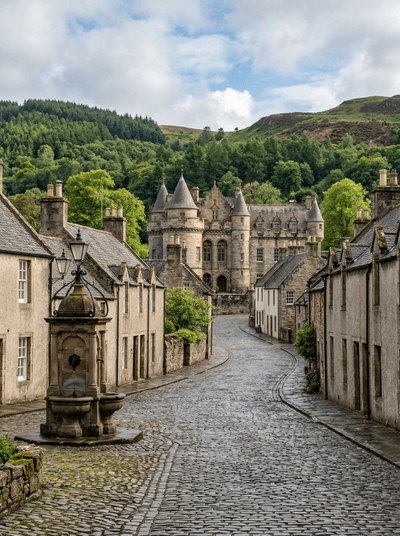
Falkland
Scotland
A Renaissance palace hides the oldest real tennis court on Earth, still in play since 1539.
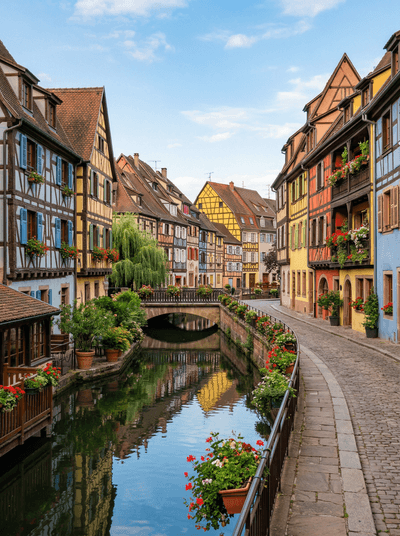
Colmar
France
Candy-coloured façades reflected in canals so still they look like someone poured paint on glass.
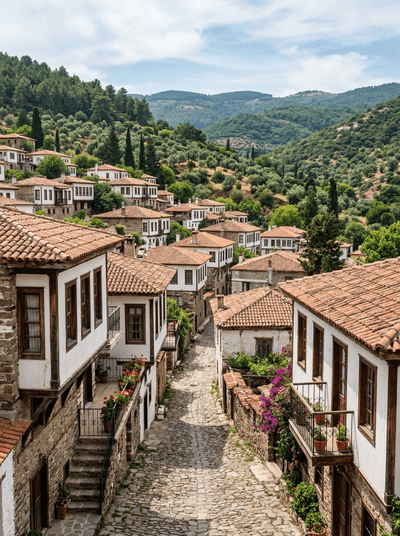
Şirince
Turkey
Grandmothers sell peach wine from doorsteps in a Greek hill village abandoned in 1923.
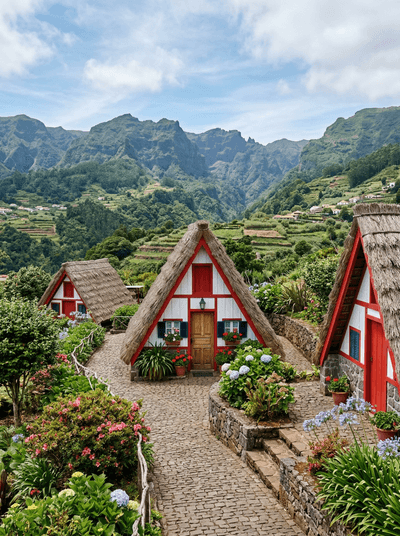
Santana
Portugal
Triangular thatched A-frame houses in primary colours cluster on green slopes above the cloud line.
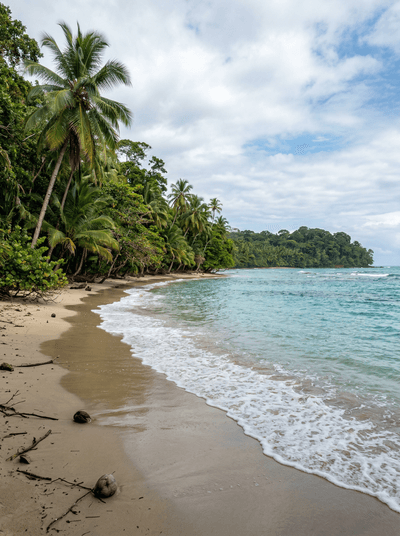
Cahuita
Costa Rica
Sloths dangle above a coral reef where Afro-Caribbean drums carry across coconut-fringed black sand.
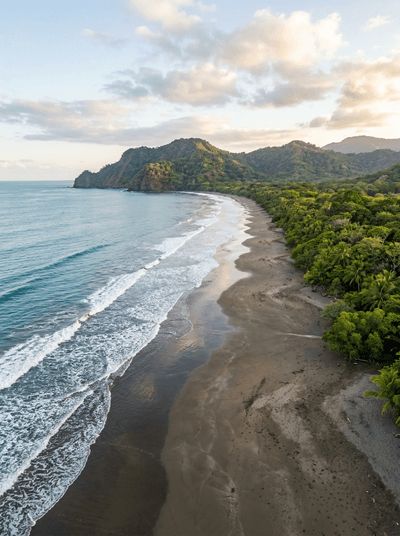
Las Baulas Marine Park
Costa Rica
Leatherbacks — two metres long, ancient as dinosaurs — haul onto sand in total darkness.
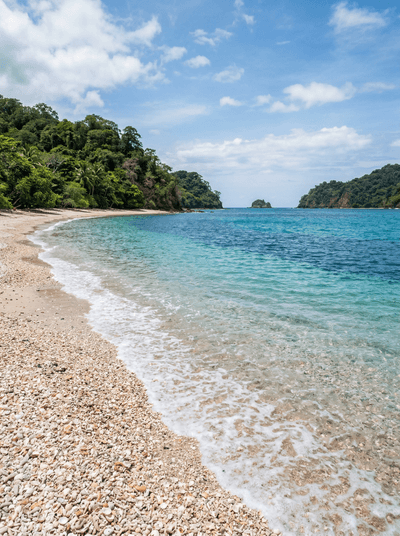
Playa Conchal
Costa Rica
Not sand — millions of crushed shells crunching beneath your feet on a warm Pacific shore.
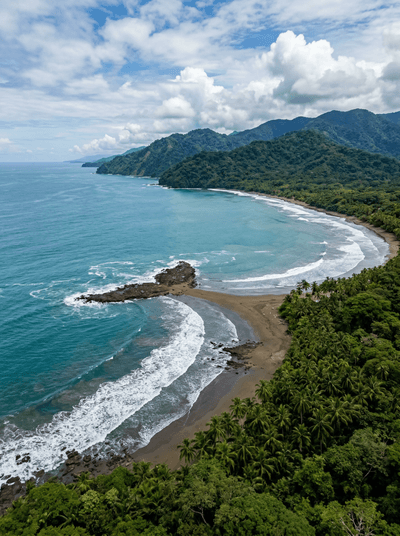
Uvita & Marino Ballena
Costa Rica
A sandbar shaped like a whale's tail emerges at low tide while humpbacks breach offshore.