Canada
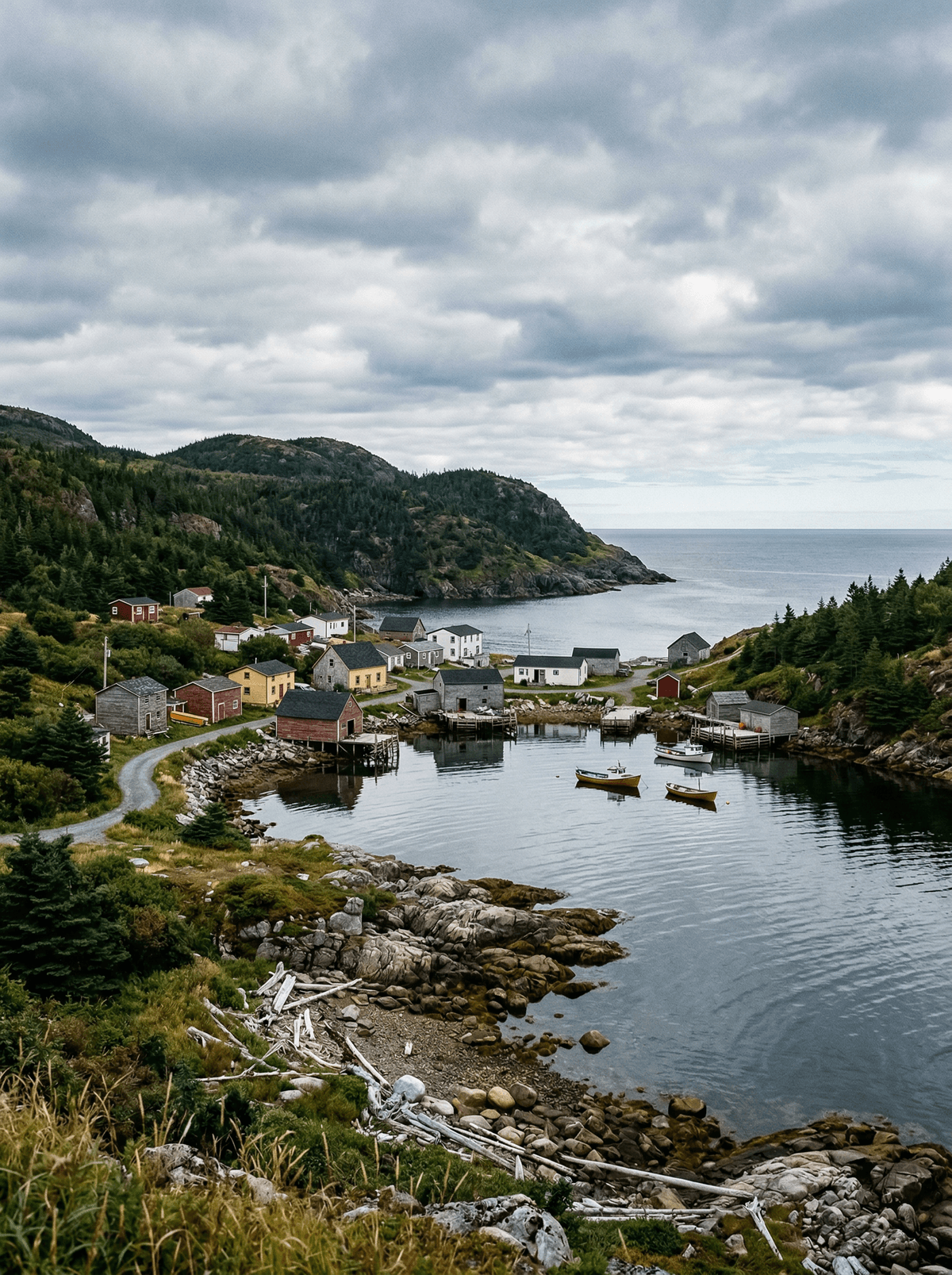
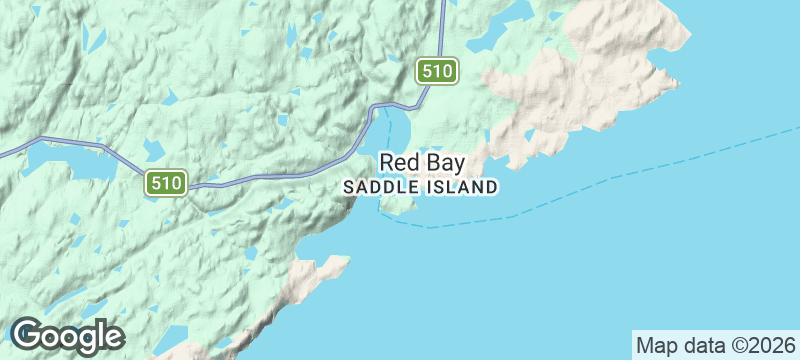
Red Bay
A 16th-century Basque whaling station sleeps under a sheltered Labrador harbour.
The harbour holds its archaeology beneath quiet water: ships, tryworks, cooperage. On shore, the interpretation centre lays out what the Basques left behind.
Red Bay preserves the most complete remains of the Atlantic's earliest industrial whaling, recognised by UNESCO. Galleon finds and whale-oil tryworks tell a story four centuries older than the province's cod premises. Island trails and the small community keep the visit anchored to the present coast.
Solo
The interpretation centre and island trail fill a focused half day on the Labrador shore.
Couple
Take the harbour story slowly, then drive the coastal road while the light lasts.
- Red Bay holds the most complete remains of 16th-century Basque Atlantic whaling.
- UNESCO-listed finds, from ships to tryworks and cooperage, surround a small living harbour.
- Island trails extend the story onto the coast itself.
The Whalers Station beside the UNESCO site fries its signature Chalupa fish and chips from local cod.
Fish cakes and bakeapple pie widen the same station table.
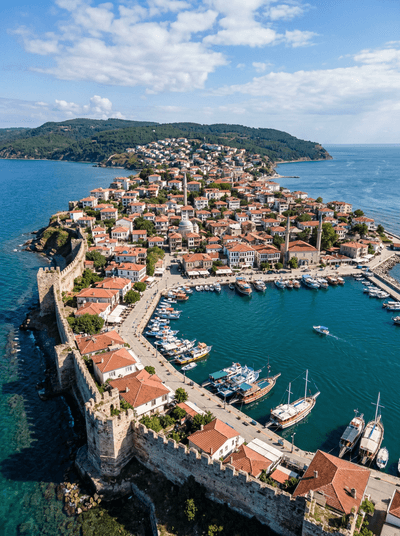
Sinop
Turkey
A prison peninsula where Diogenes was born and waves crash on three sides.
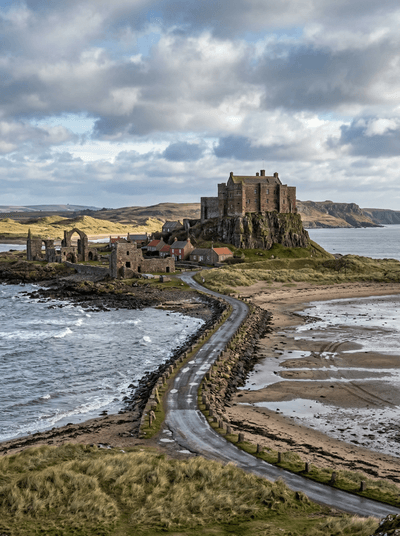
Lindisfarne
England
A tidal island monastery where the causeway drowns twice daily and the tide writes the rules.
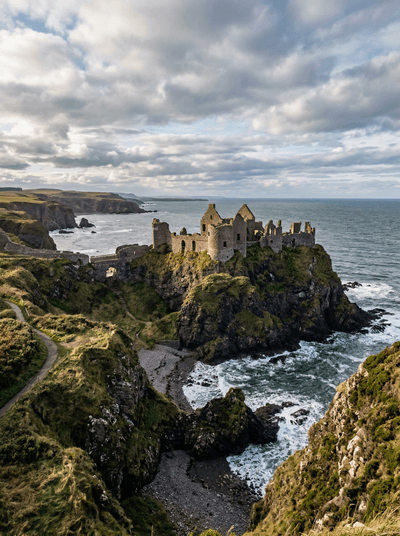
Dunnottar Castle
Scotland
A clifftop fortress crumbling into the North Sea, where Scotland's crown jewels hid from Cromwell.
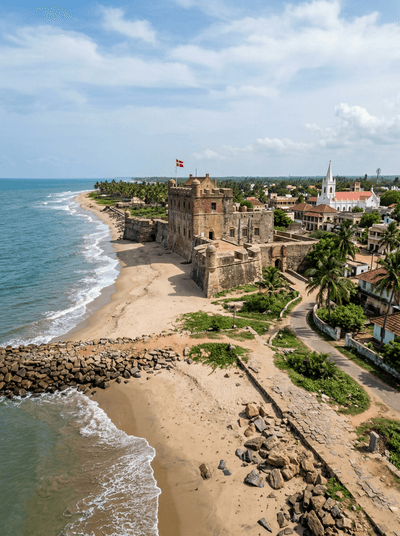
Tharangambadi
India
A decaying Danish fort battered by the Coromandel tide smelling of ozone and forgotten empires.
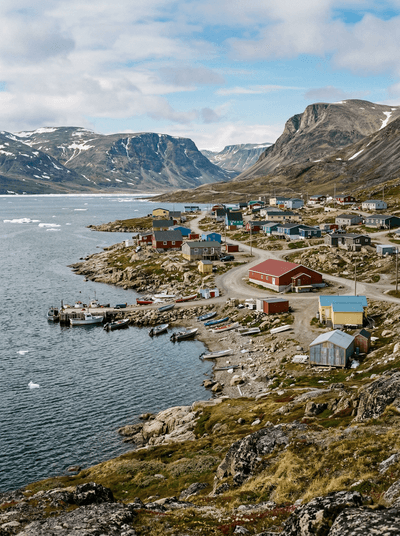
Cape Dorset (Kinngait)
Canada
The Arctic's printmaking capital works stone and paper in a bay of granite light.
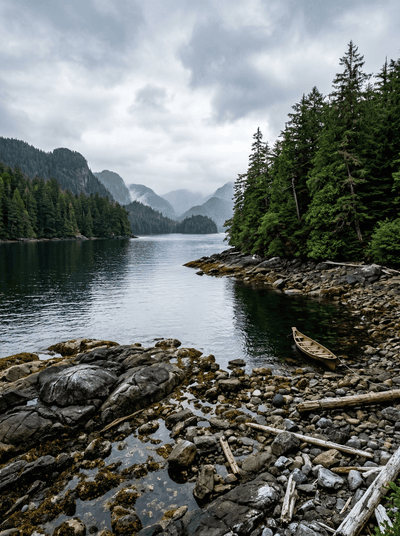
Gwaii Haanas
Canada
A roadless archipelago of Haida village sites is entered only by sea, air and consent.
Iqaluit
Canada
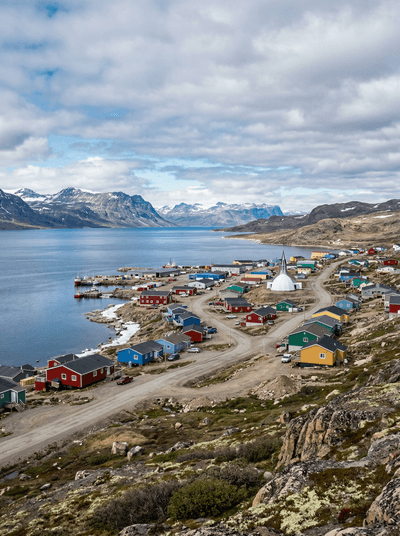
Nunavut's young capital rides tundra ridges above a bay that empties twice a day.
Louisbourg
Canada
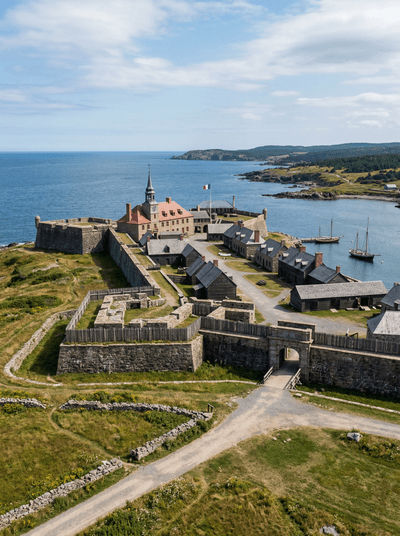
An 18th-century French fortress town rises again in fog, musket smoke and fresh-baked soldiers' bread.