Costa Rica
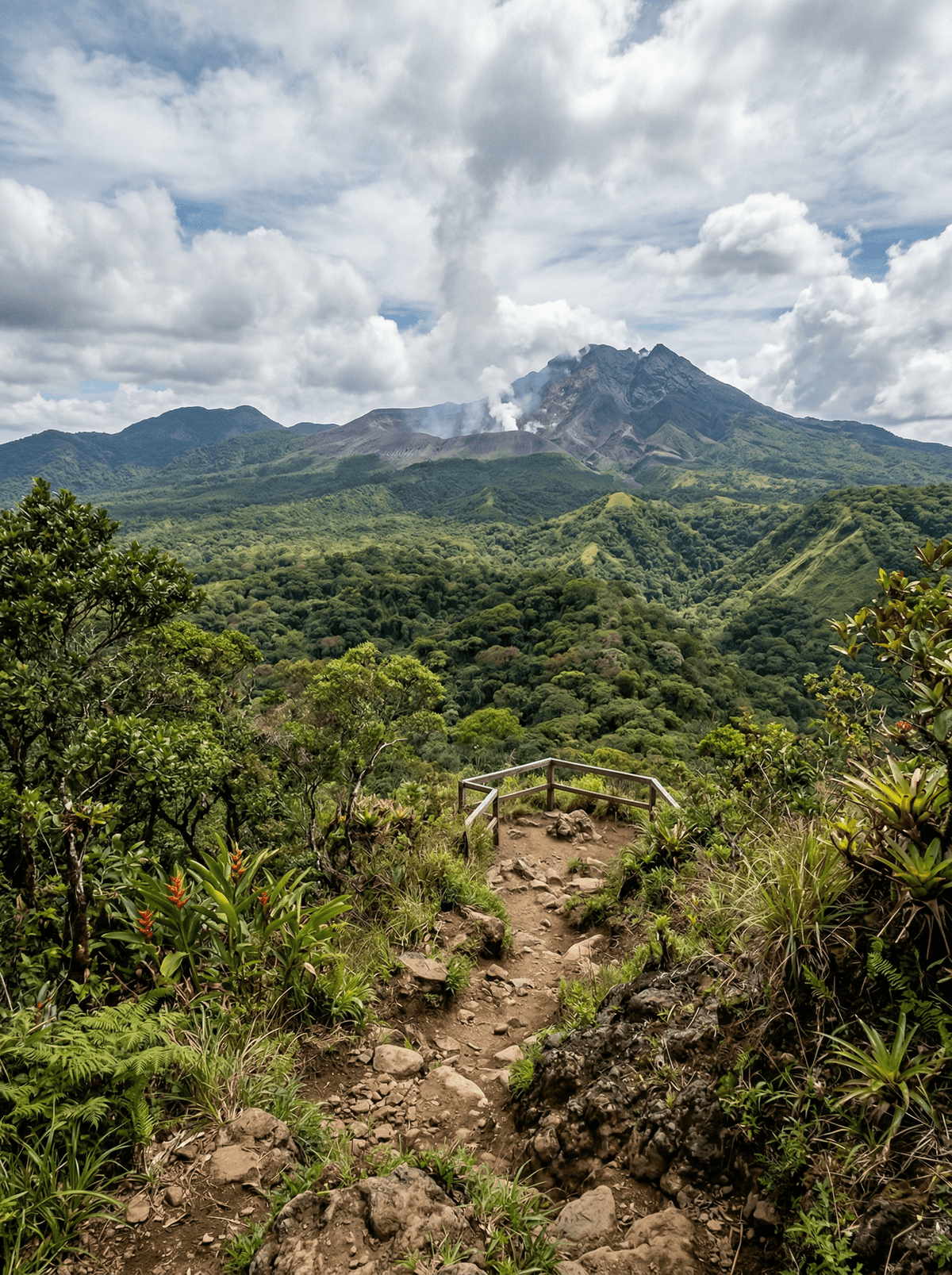
Rincón de la Vieja
Volcanic mud pots belch and bubble through dry tropical forest like the earth digesting itself.
The ground exhales. Mud pots heave and belch grey slurry, fumaroles hiss from cracks in bare rock, and the air carries a sulphur edge that sharpens as the trail climbs. Rincón de la Vieja digests itself audibly — the landscape sounds alive, restless, unfinished.
Rincón de la Vieja is an active volcano wearing a 14,300-hectare national park, protected since 1973. The Las Pailas circuit loops three kilometres past boiling mud cauldrons and steaming lagoons that run between 78°C and 106°C, framed by dry tropical forest that stands gnarled and bare in the dry season and detonates into green when the rains arrive. Longer trails strike out to the La Cangreja and Escondida waterfalls, and the park guards the largest wild population of the guaria morada, Costa Rica's national orchid. The summit crater trail closes when the volcano stirs — the geothermal field is the dependable theatre. Below the park, Guanacaste stays cowboy country: working ranches, horses as transport, tortillas hand-patted over wood fires.
Solo
The terrain changes so completely mid-hike that every hour feels like a different country — and Liberia is only twenty-five kilometres away when you're done.
Couple
Raw geothermal theatre by day, eco-lodges on the volcano's flanks by night — adventure and seclusion in the same postcode.
Friends
Mud pots, waterfall treks and ranch-country horse rides give a group its menu of shared adrenaline with dust on it.
- The Las Pailas loop passes fumaroles, boiling lagoons and mud cauldrons running as hot as 106°C.
- Two waterfall trails leave the same trailhead — La Cangreja at five kilometres out, Escondida a little nearer.
- The park protects the largest wild population of the guaria morada, Costa Rica's national flower.
- This is an active volcano — the crater trail closes during unrest, and the barriers around hot ground are not suggestions.
Arroz de maíz — cracked-corn rice simmered with chicken, Guanacaste's ranch-lunch staple.
Tanelas — wood-oven biscuits of corn and cheese, built to travel in a saddlebag.
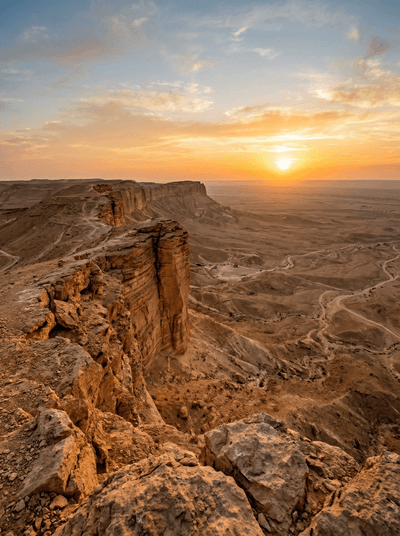
Edge of the World
Saudi Arabia
A cliff edge where the land simply stops and flat desert stretches to infinity.
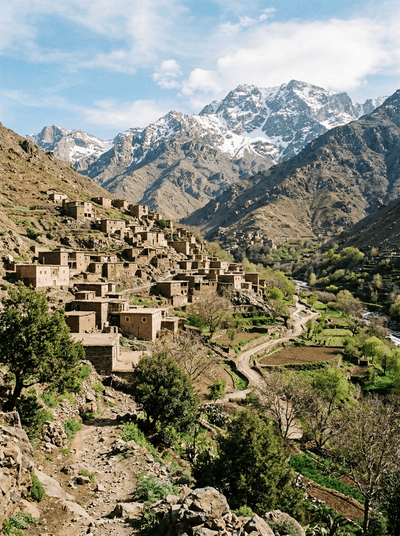
Imlil
Morocco
One short street of guides and gear ends where North Africa's highest mountain begins.
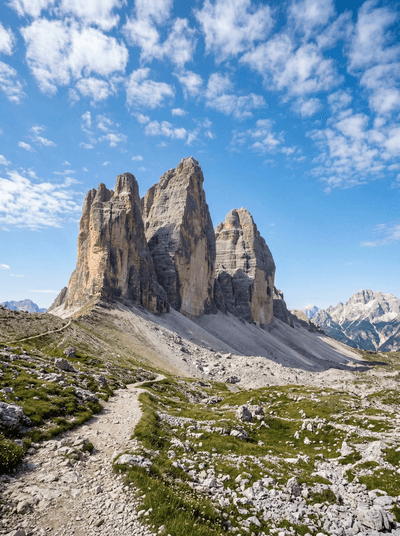
Tre Cime di Lavaredo
Italy
Three vertical rock towers punching through alpine cloud, their shadows sweeping across scree fields.
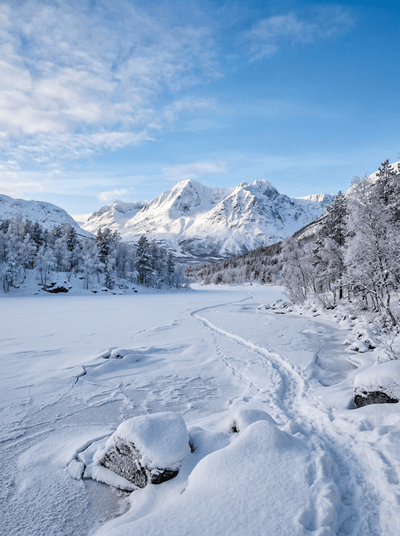
Abisko
Sweden
A rain-shadow valley whose famously clear Arctic sky draws the aurora hunters north.
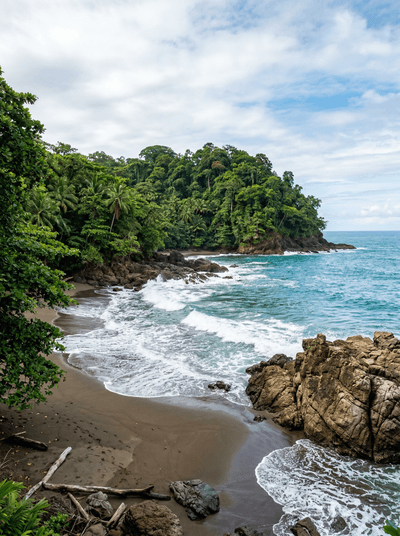
Cabo Matapalo
Costa Rica
Strangler figs tower over the Osa's wild southern tip, where forest runs unbroken to the sea.
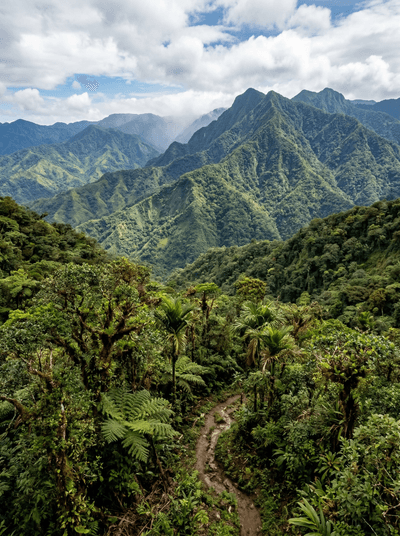
La Amistad International Park
Costa Rica
A borderless wilderness where North and South America's wildlife met — and never left.
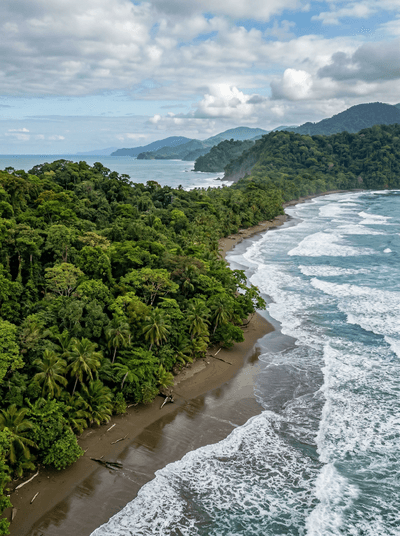
Corcovado National Park
Costa Rica
National Geographic called it the most biologically intense place on Earth. They undersold it.
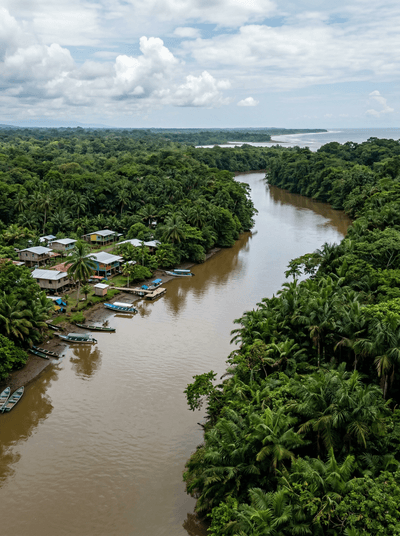
Barra del Colorado
Costa Rica
A roadless river delta where tarpon explode from chocolate-brown water and jaguars patrol the banks.