Mexico
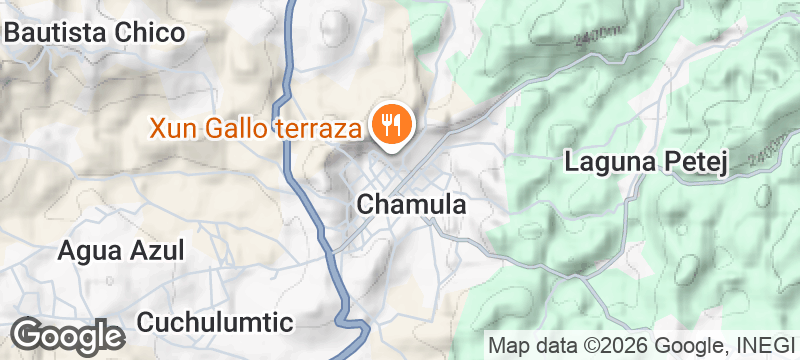
San Juan Chamula
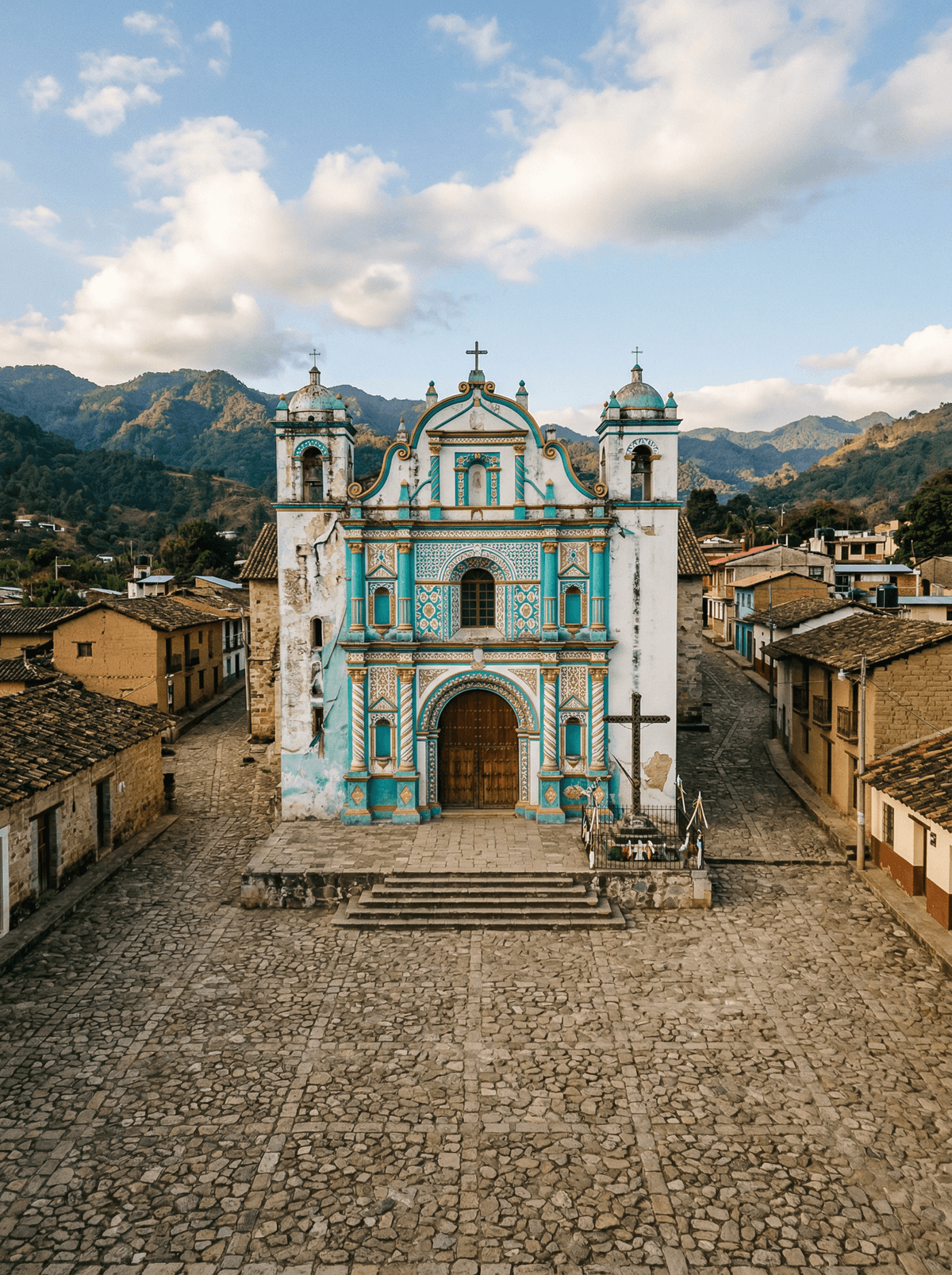
Inside Chamula's church there are no pews, only ranks of candle flames and living worship.
The church looks conventional until the threshold. Inside there are no pews: candle flames stand in ranks on the floor, copal smoke hangs in the air, and worship follows rules the community wrote and enforces.
San Juan Chamula is a living Tzotzil municipality whose church is in constant worship, never a staged attraction. Visitors may enter the church under community rules, including an absolute ban on interior photography, and a locally led visit explains the building and market without intruding on private rites. What happens inside belongs to the town; being allowed to witness any of it is the privilege.
Solo
Go with a locally led guide, follow every rule and let the visit stay on the town's terms.
Couple
Treat the church visit as a privilege witnessed together, with cameras away.
- San Juan Chamula is a living Tzotzil municipality and place of worship, not a staged attraction.
- Visitors may enter the church under community rules, including a strict ban on interior photography.
- A locally led visit explains the building and market without exposing or interrupting private rites.
The visitor's food stop is San Cristóbal, ten kilometres downhill, where shops along the andadores sell pox.
Highland coffee from the surrounding mountains fills those same lanes, cup by cup.
Suva
Fiji
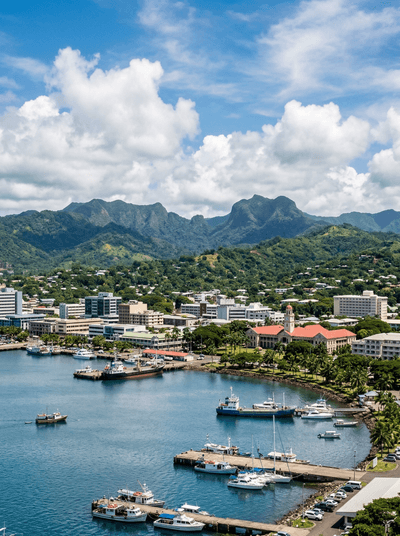
South Pacific hustle where Hindu temples share streets with Fijian markets and colonial verandahs.
Levuka
Fiji
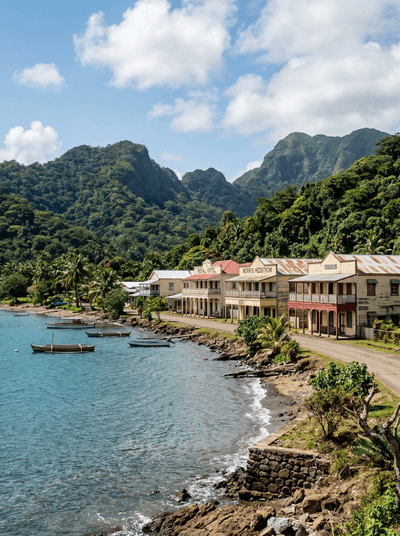
Fiji's first colonial capital frozen in the 1870s, wooden shopfronts sagging under tropical rain.
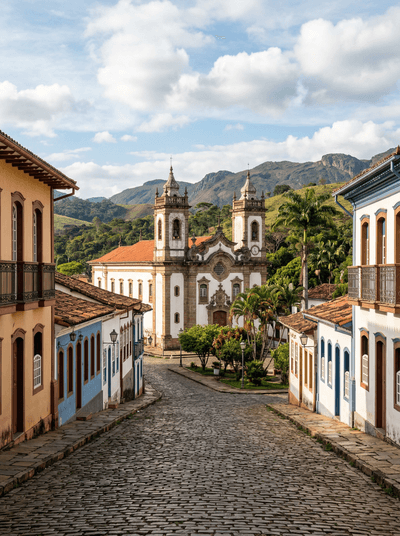
São João del-Rei
Brazil
Baroque towers answering each other across a valley, ringing the sex of whoever has just died.
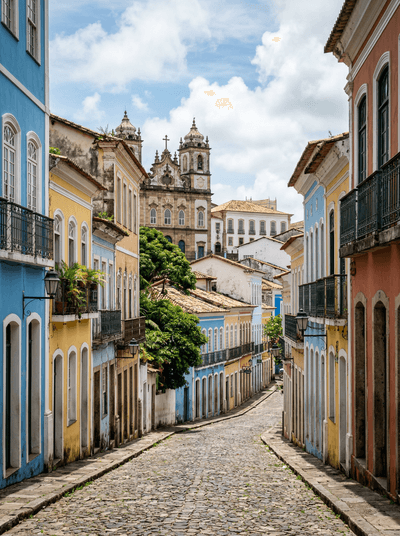
Salvador
Brazil
Drum rhythms ricocheting off colonial walls where song, dance and combat happen at once.
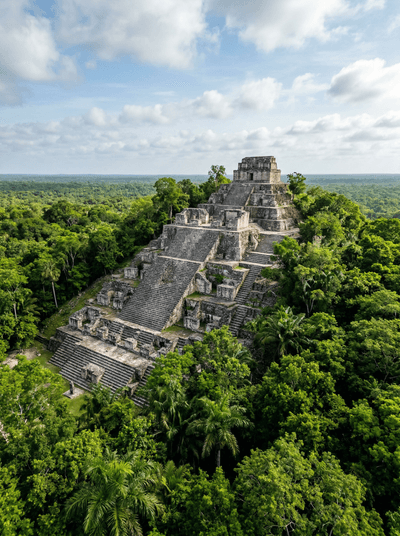
Calakmul
Mexico
A Maya capital's towers still stand above an unbroken sea of forest.
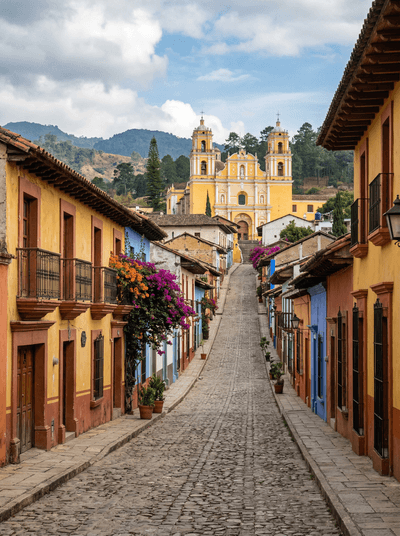
San Cristóbal de las Casas
Mexico
Highland mist, amber workshops and arcaded streets meet in a walkable Chiapas city.
Copper Canyon
Mexico
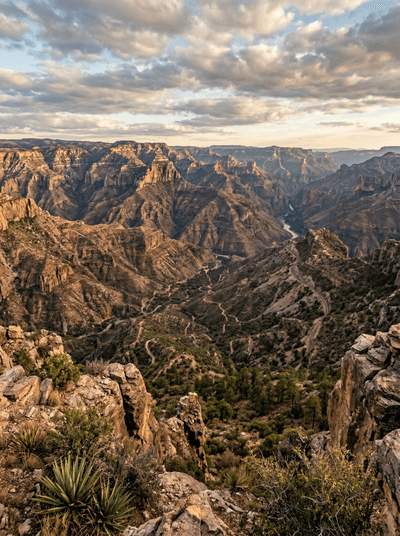
The Chepe rides through canyon country that runs deeper than the Grand Canyon.
Chichén Itzá
Mexico
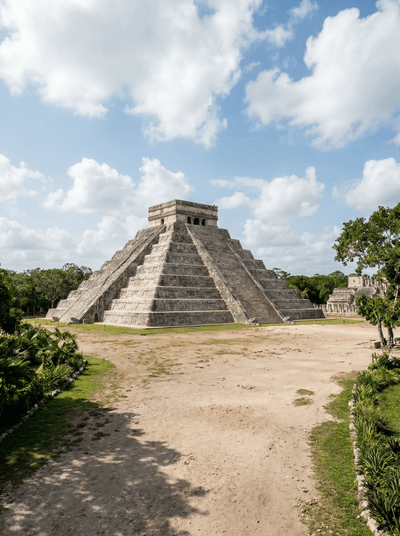
Each equinox a serpent of shadow slides down the pyramid to its stone head.