Mexico
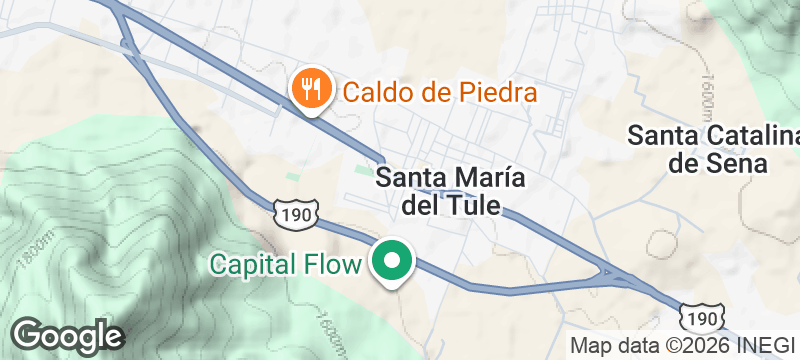
Santa María del Tule
One immense living cypress fills a churchyard with bark, shade and local stories.
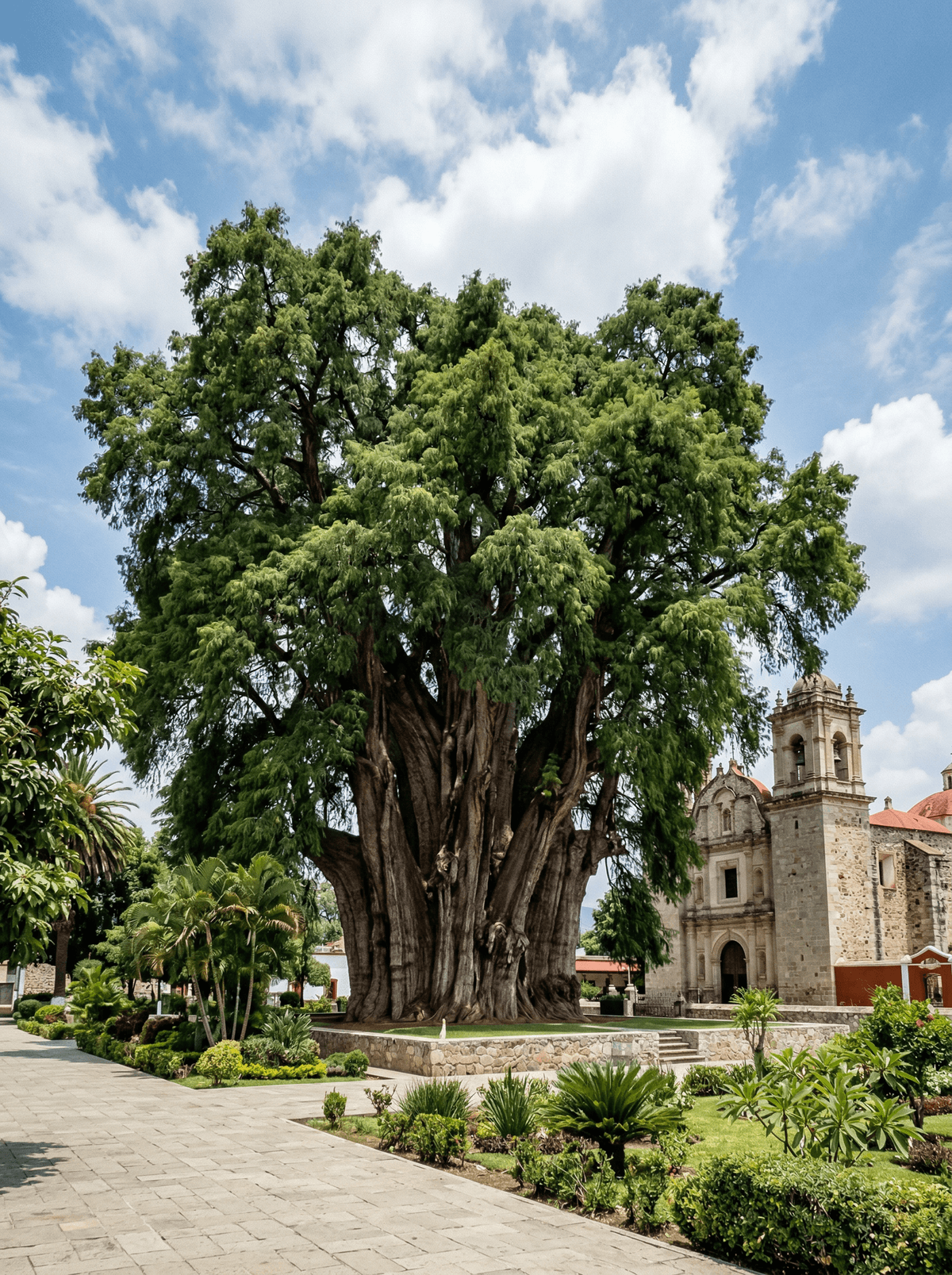
The tree does not photograph; it looms. The Árbol del Tule's trunk spreads like a wooden cliff beside the church, alive and still growing, older than every building in sight.
Santa María del Tule centres on a living Montezuma cypress of exceptional girth, recorded by the municipal authority beside the town church with a crown about 58 metres around. Local guides, often children reciting the shapes hidden in the bark, give the tree its folklore layer. The market and square make it a proper half-day rather than a windscreen photograph.
Family
Let a local child guide point out the animals in the bark, then take the market for lunch.
Couple
Circle the trunk slowly and give the churchyard the unhurried hour it deserves.
Solo
Pair the tree with the craft villages along the same valley road.
- Santa María del Tule centres on a living Montezuma cypress with an exceptionally broad trunk.
- The municipal tourism authority records the tree beside the town church, its crown about 58 metres around.
- Markets, local guides and the village square turn the tree into a thoughtful half-day stop.
The market beside the tree serves tlayudas, memelitas and pan de yema through the day.
Chocolate de agua, tejate and the town's nieves finish the visit.
Suva
Fiji
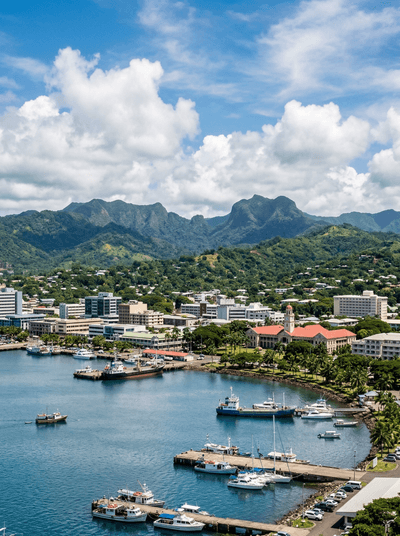
South Pacific hustle where Hindu temples share streets with Fijian markets and colonial verandahs.
Levuka
Fiji
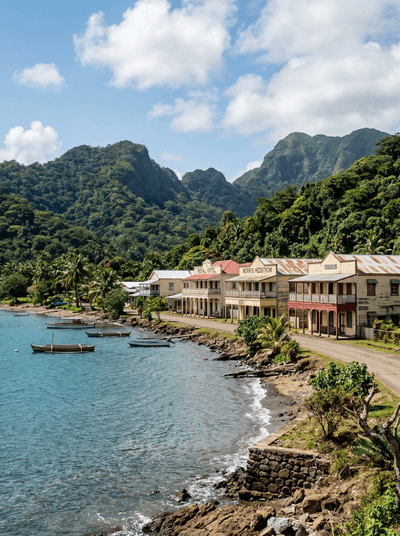
Fiji's first colonial capital frozen in the 1870s, wooden shopfronts sagging under tropical rain.
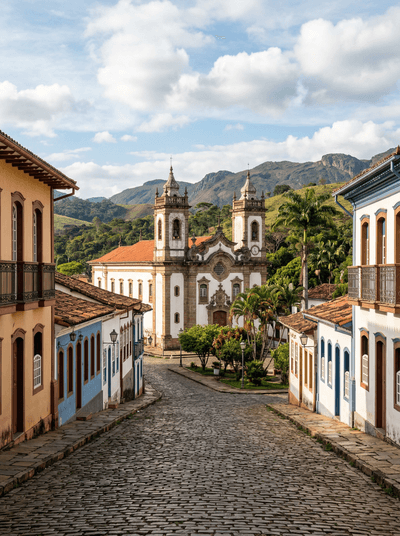
São João del-Rei
Brazil
Baroque towers answering each other across a valley, ringing the sex of whoever has just died.
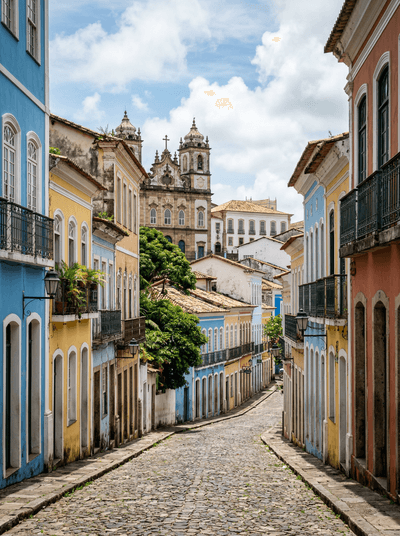
Salvador
Brazil
Drum rhythms ricocheting off colonial walls where song, dance and combat happen at once.
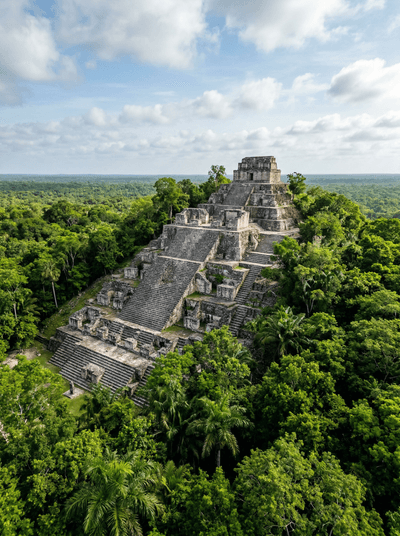
Calakmul
Mexico
A Maya capital's towers still stand above an unbroken sea of forest.
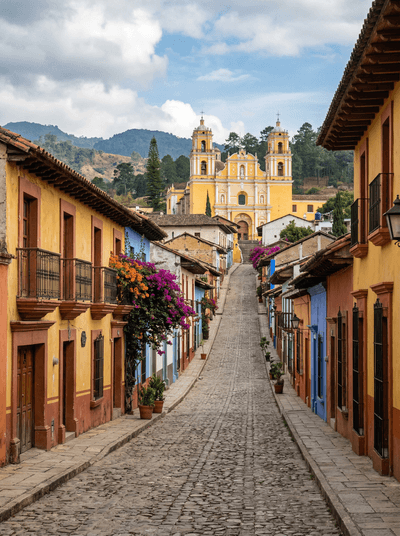
San Cristóbal de las Casas
Mexico
Highland mist, amber workshops and arcaded streets meet in a walkable Chiapas city.
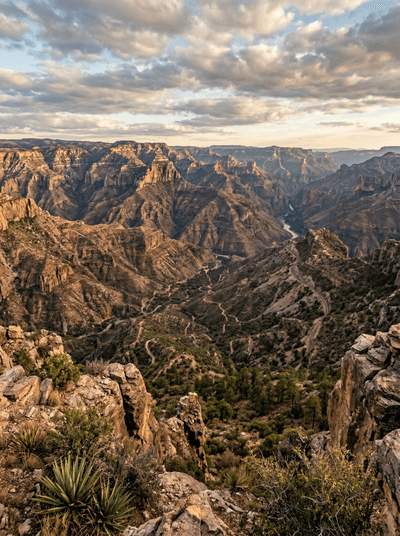
Copper Canyon
Mexico
The Chepe rides through canyon country that runs deeper than the Grand Canyon.
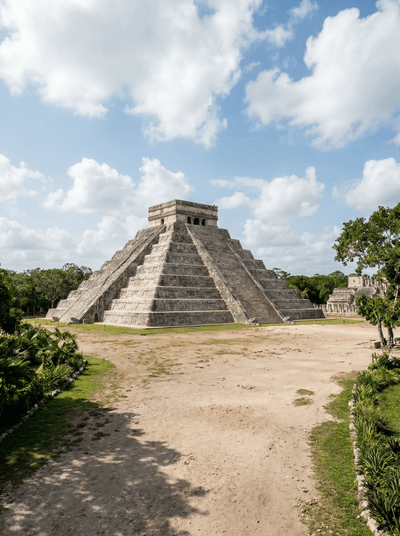
Chichén Itzá
Mexico
Each equinox a serpent of shadow slides down the pyramid to its stone head.