France
Sénanque Abbey
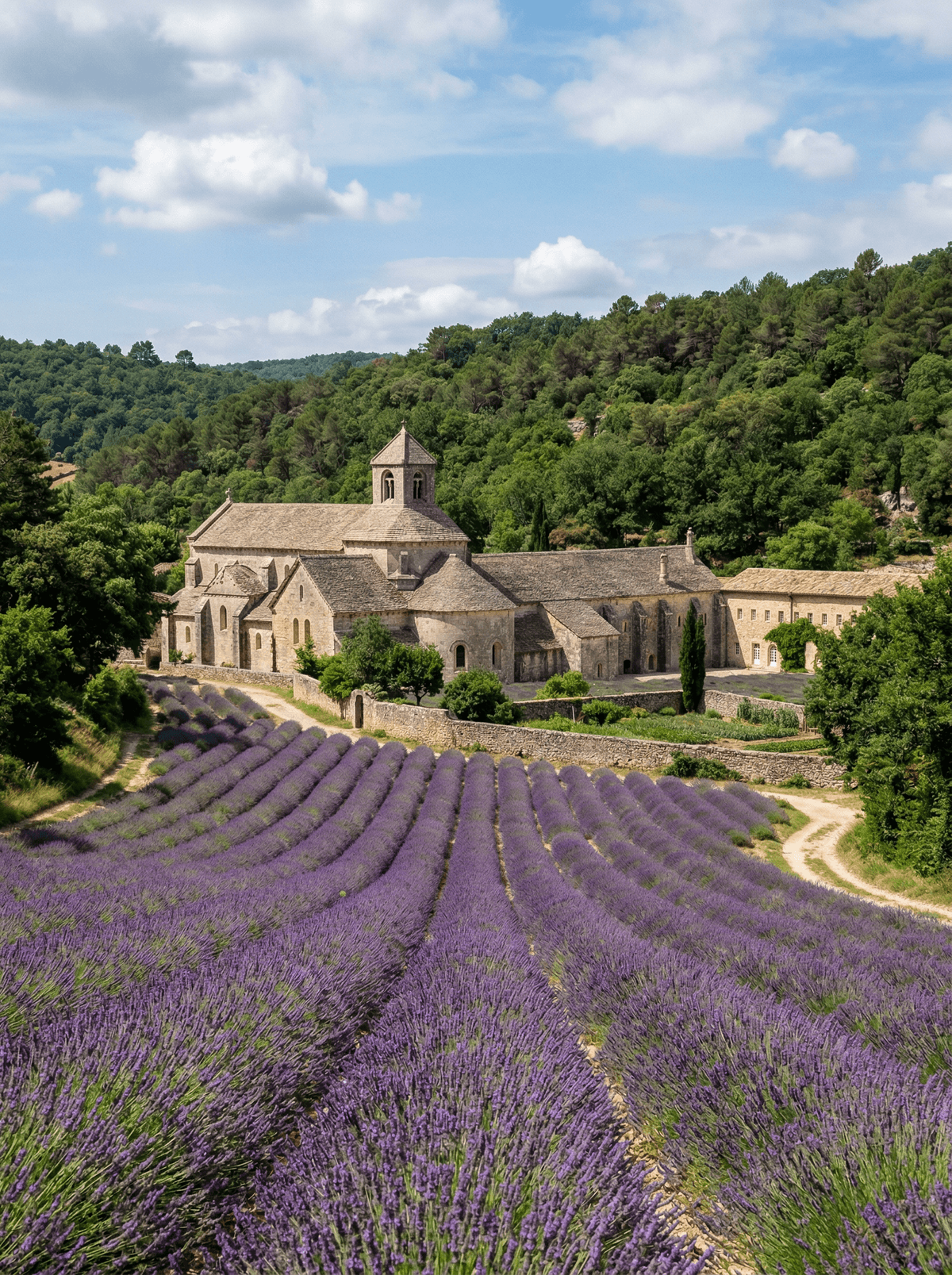
Cistercian silence in a valley of lavender rows so purple they vibrate in the June heat.
The lavender runs in precise parallel rows up to the twelfth-century walls, purple against pale stone, the geometry of the planting meeting the geometry of the architecture. Sénanque sits deep in a narrow valley below Gordes, in France's Provence, a working monastery where the contrast between wild colour and austere order is the entire point — and the monks themselves grow the lavender.
The abbey was founded in 1148 by Cistercian monks and it stands among the purest examples of their first architecture, sober Romanesque in local limestone, the church empty of images, the windows plain so that the light comes in clean; with Silvacane and Le Thoronet it forms the trio of Cistercian sisters of Provence. A community still lives here under the Rule of Saint Benedict, rising for the first office before dawn and eating in silence, and they keep the place by their work — the lavender fields, olive trees, bees, hospitality and the visits, which are guided and quiet. The lavender in the valley bottom flowers from mid-June into July, and the shop sells the honey, olive oil and lavender oil the monks produce. Gordes, one of the most beautiful villages in France, is a few minutes up the hill.
Solo
Purple rows in morning mist with the abbey walls behind is the image; the interior is the experience. The interior, stripped to bare stone and silence, is a Cistercian argument for the beauty of nothing.
Couple
The lavender in bloom against the twelfth-century stone is the image of Provence — but the real experience is the interior silence, where the austerity creates a shared stillness that the colour outside makes vivid by contrast.
- Lavender rows run in precise lines up to the twelfth-century Cistercian walls — wild purple against cut stone is the image of Provence.
- The monks still live and work here — the lavender, the olives and the bees are theirs, and you are visiting a monastery, not a museum.
- The abbey church is stripped bare — no images, no colour, just light through plain glass onto stone. The austerity is the beauty.
- The lavender in the valley bottom flowers from mid-June into July, and the abbey shop sells the honey and oil the monks make from it.
Lavender honey from the abbey's own hives — floral, amber — sold in the monastery shop, stirred into yoghurt or spread on brioche.
Luberon goat's cheese with fig tapenade at a restaurant up the hill in Gordes.
Painted Hills
United States
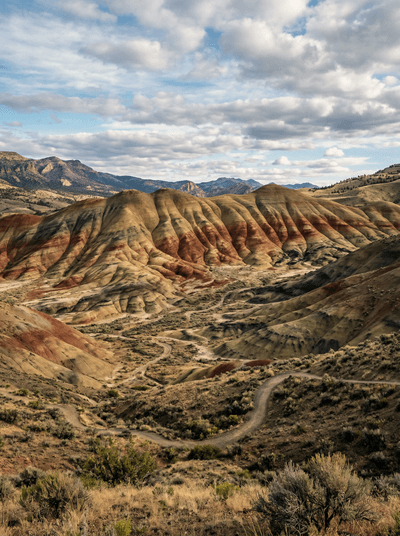
Striped hills of ochre, gold and black, painted by 35 million years of changing climate.
uMkhuze Game Reserve
South Africa
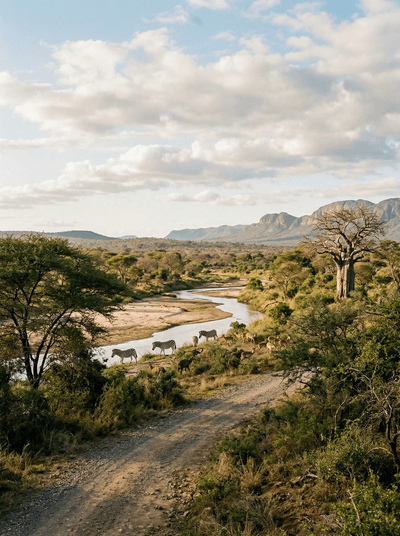
Hides sink to water level where nyala, rhino and birds arrive through sand forest.
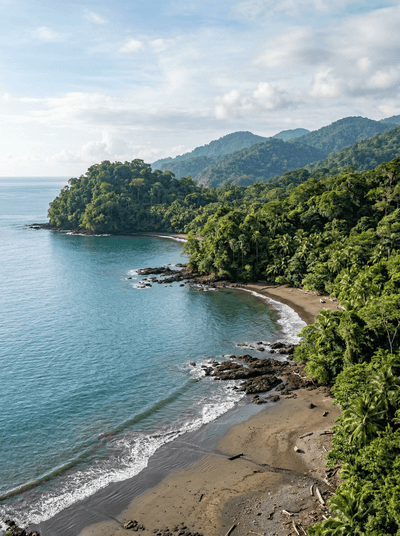
Punta Patiño
Panama
Harpy eagles with the largest talons of any living eagle nest in this Darién reserve.
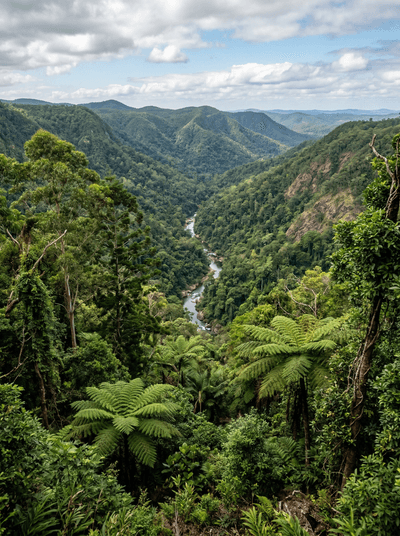
Eungella National Park
Australia
Wait in dawn mist and Broken River may answer with a platypus.
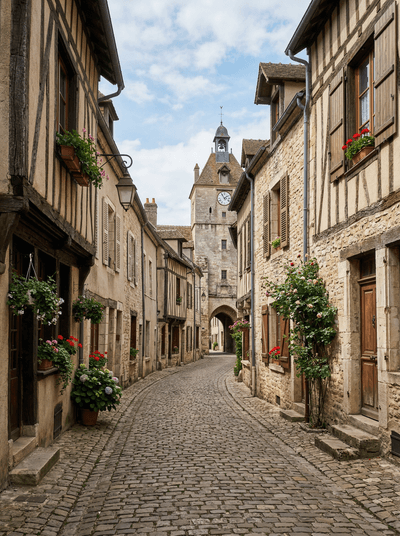
Noyers-sur-Serein
France
Timber-framed houses and carved lintels in a village wrapped inside a bend of the Serein.
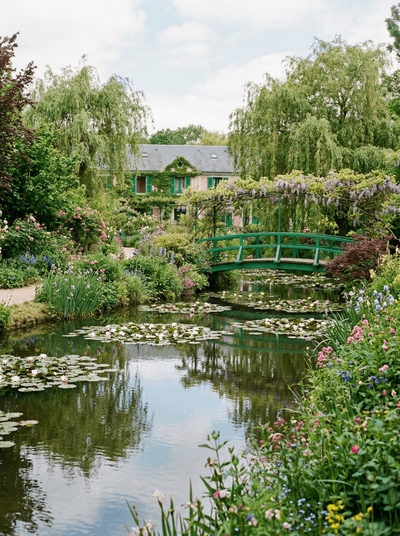
Giverny
France
Water lilies floating on the exact pond Monet painted until his eyes failed him.
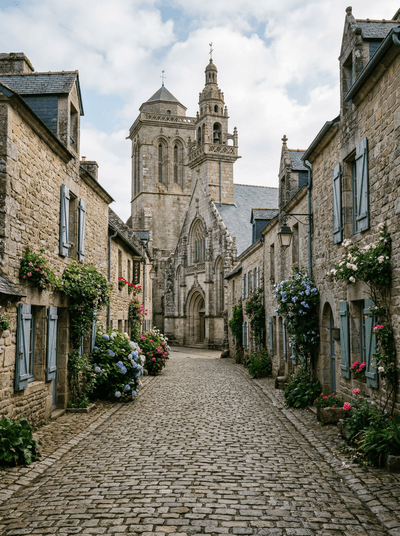
Locronan
France
A granite village frozen in its sailcloth-weaving prime, where the seventeenth century never left.
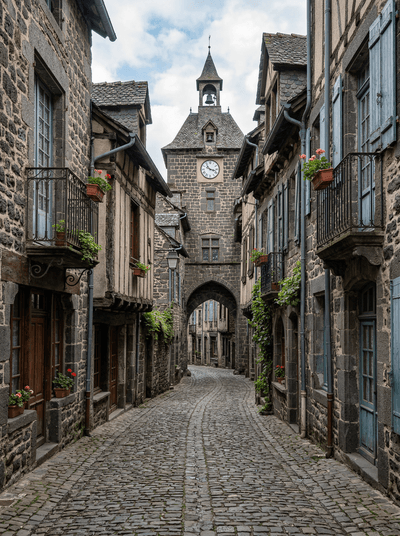
Salers
France
Lava-stone turrets above green pastures where dark-red cows match the volcanic rock.