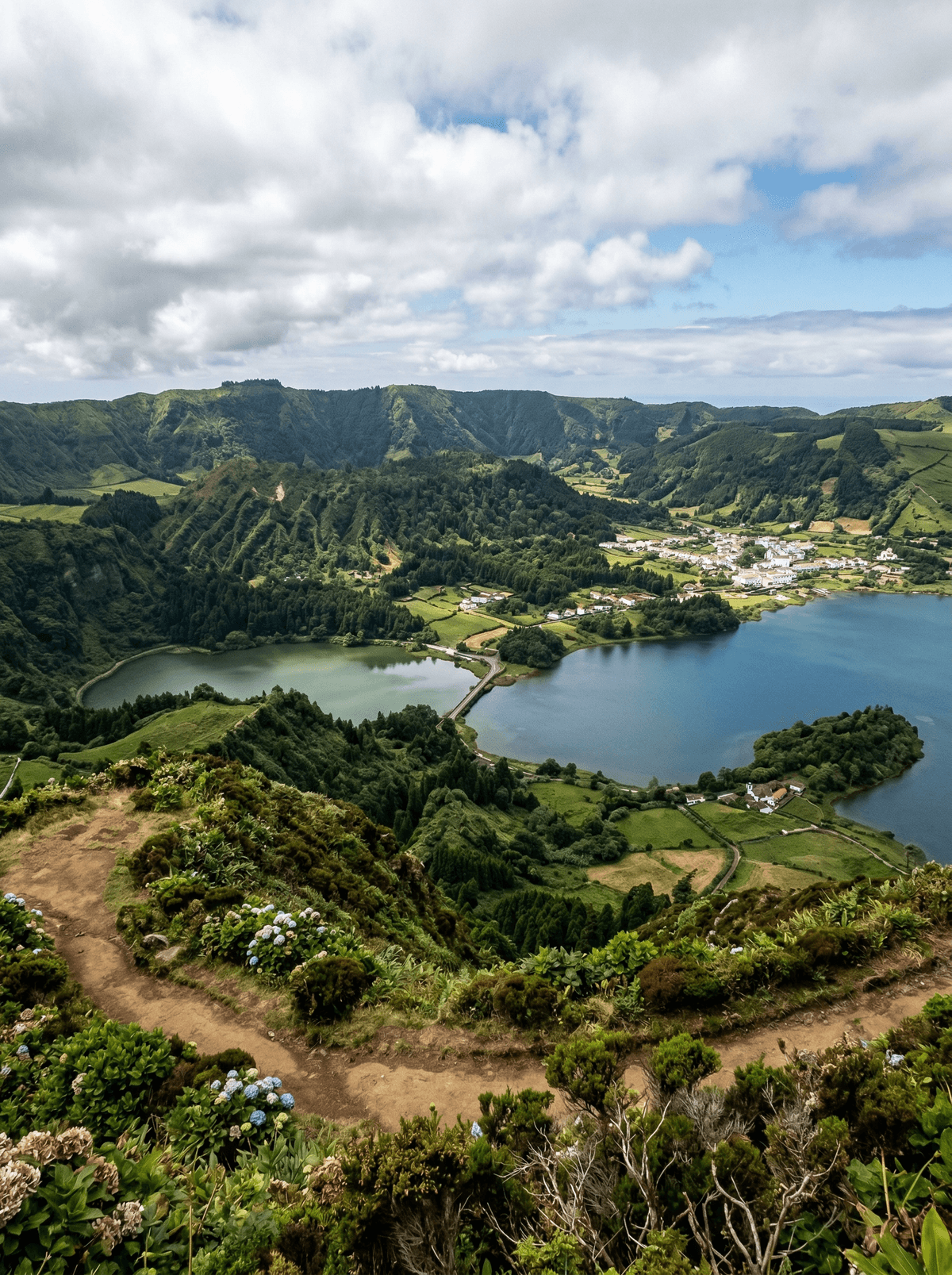
Brazil
Sete Cidades
Sandstone eroded into what look like seven separate cities, with rock paintings inside them.
The stone stands in rows that look laid out, not left behind: columns, arches, flat-topped blocks, gathered into groups and set apart from one another like separate towns. Erosion has been at it here for 190 million years. In the first of the groups there is a pool, the Piscina dos Milagres, that has kept running through every drought the region can name.
Sete Cidades is a national park at Piracuruca in the north of Piauí, 6,303 hectares of Caatinga protected by decree since 8 June 1961, which makes it among the earliest in Brazil. The name comes from how the sandstone has weathered, into seven distinct groups, each standing clear of the next and each reading from a distance like the ruin of a small town. IPHAN has registered dozens of sites with pre-colonial traces inside the park, and at the Salão do Pajé the inscriptions are on the rock beside the path. What made the formations is settled, and it is erosion, working the same sandstone since long before anything walked on it. What people stand there doing is looking for the join, and there is none.
Solo
Walk the circuits early. This is Caatinga: open, bright and hot by the middle of the morning, and the shade is inside the rock groups, not on the ground between them. The Salão do Pajé is the one to sit down with instead of walking past, because the inscriptions are at eye height and there is nobody hurrying you.
Couple
The park is compact enough to see properly in a day and interesting enough to reward a second, with dozens of registered archaeological sites inside a boundary drawn in 1961. Base yourselves in Piracuruca and go in at first light, ahead of the sun coming round and flattens the rock into a wall of the same colour.
- IPHAN has registered dozens of sites carrying pre-colonial traces inside the park, where erosion has been working the same sandstone for 190 million years.
- In the Primeira Cidade, the Piscina dos Milagres has kept running through the severest droughts the region has had.
- The Salão do Pajé carries rock inscriptions, and the rock groups around it stand apart from one another, each reading like a small city of its own.
- The park covers 6,303 hectares of Caatinga and was created by decree on 8 June 1961, which puts it among the older national parks in Brazil.
Cajuína is the welcome drink of Piauí: cashew juice clarified of its tannin, strained through cloth, then stood in simmering water until the sugars caramelise and it comes out amber. IPHAN entered the making of it in the Livro dos Saberes in May 2014.
Maria isabel is what to order, carne de sol cut small and cooked into the rice, with paçoca de pilão pounded from dried beef and cassava flour beside it.
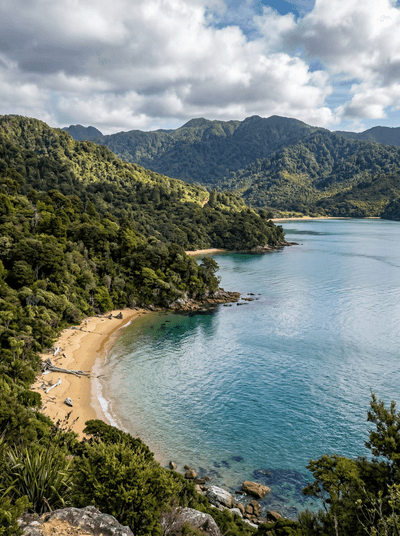
Stewart Island / Rakiura
New Zealand
An island where kiwi vastly outnumber people beneath glowing southern skies.
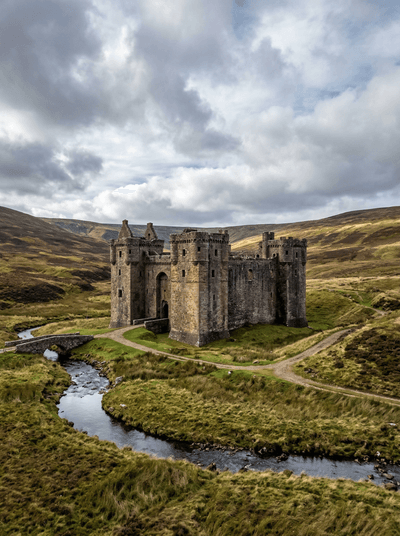
Hermitage Castle
Scotland
The most sinister castle in Scotland squats alone on moorland that remembers its cruelty.
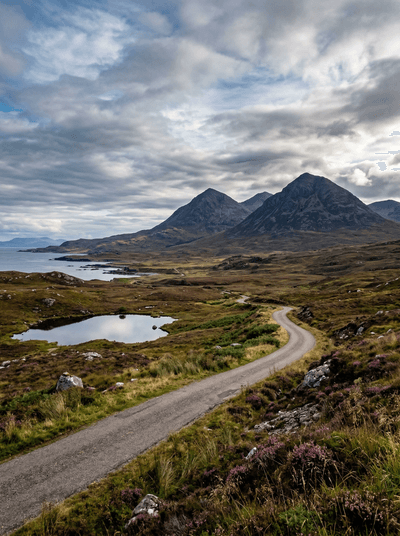
Jura
Scotland
Red deer outnumber humans thirty to one on the island where Orwell wrote 1984.
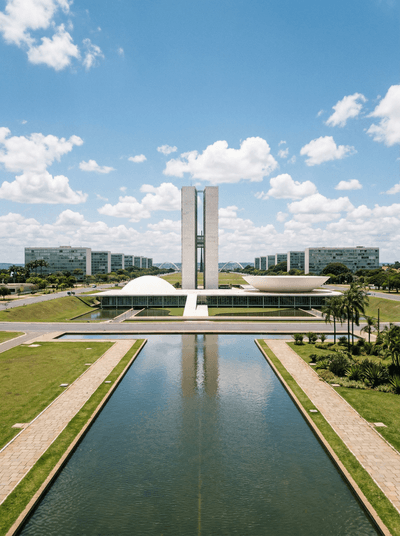
Brasília
Brazil
A modernist capital conjured from red dust where Niemeyer's concrete curves defy the cerrado.
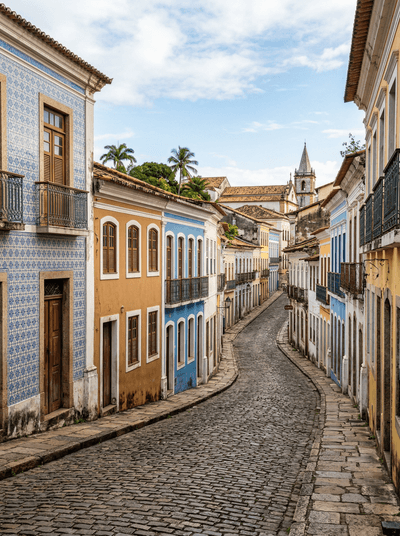
São Luís
Brazil
Hand-painted Portuguese tiles across four thousand colonial houses, cooling the walls against equatorial heat.
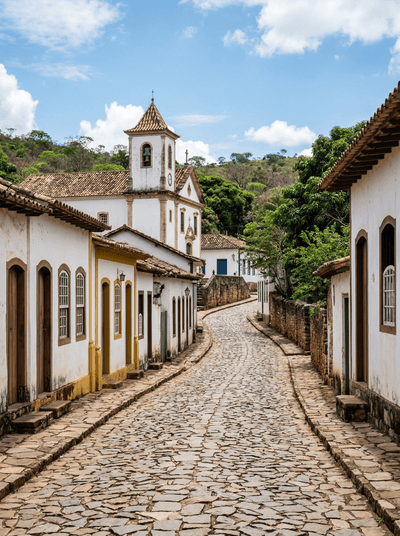
Goiás Velho
Brazil
Hooded men with torches run the streets at midnight, hunting Christ through an eighteenth-century gold town.
Diamantina
Brazil
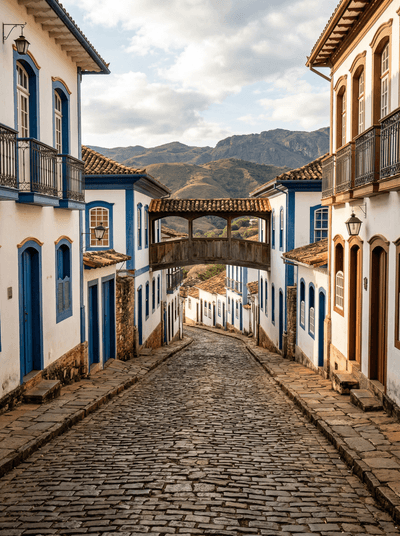
A diamond-rush town on a mountainside where Brasília's builder grew up in a mud-and-stick house.