Brazil
Brasília
A modernist capital conjured from red dust where Niemeyer's concrete curves defy the cerrado.
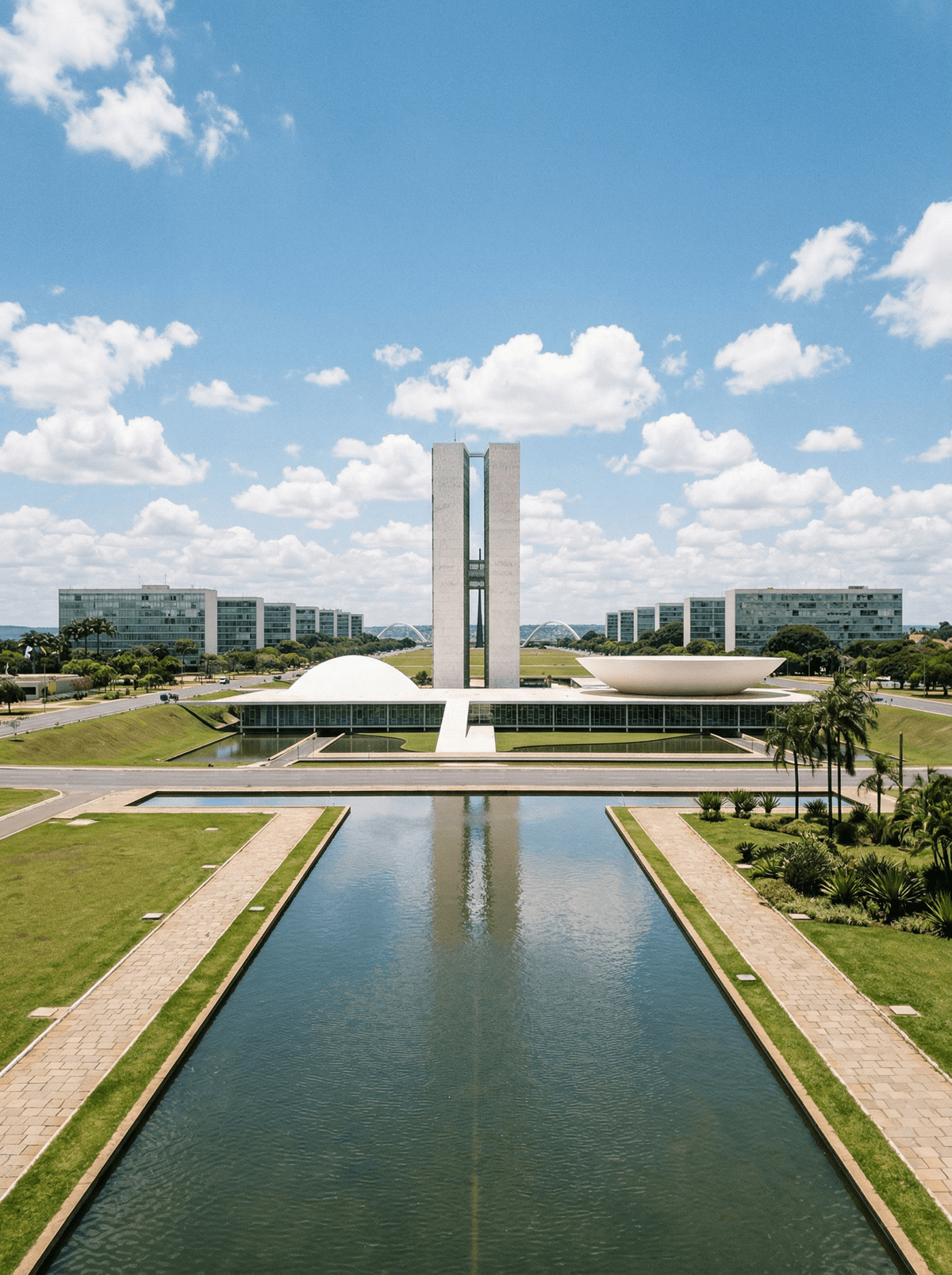
The Esplanada runs flat and open towards the Congresso Nacional, and there is more sky here than city. Brasília was a plan before it was a place, set down in cerrado at the centre of the country and built to be read from a distance. Niemeyer's cathedral is the shape everyone recognises, sixteen parabolic concrete columns leaning into a crown with glass in the gaps.
The cathedral was inaugurated on 31 May 1970 and stood as a concrete frame for two decades before it got its light, because Marianne Peretti's stained glass was only fully installed by 12 March 1990. Eighteen institutional buildings and cultural spaces are open to the public under a single federal programme, among them the Supreme Court, the Centro Cultural Três Poderes, the Banco Central's museum of money and the post office museum, which makes this a city whose attractions are the working organs of the state. The Congresso Nacional can be walked into free, with Senate and Chamber running one integrated tour, groups of up to fifty leaving every half hour and taking about fifty minutes. Out on the edge of it all is the Parque Nacional de Brasília, 42,355 hectares of cerrado created by decree on 29 November 1961, its entrance at kilometre 8.5 of the EPIA. The rainfall here arrives in a lump: July averages one millimetre and December 257.
Solo
Pick the days before you pick the month. Congress shuts on Tuesdays and Wednesdays, everyone over twelve needs official photo identification to get in, and on weekdays bare feet, flip-flops, shorts and vest tops are turned away at the door.
Couple
Two of you can walk the civic list across a couple of days, then take the EPIA out to the national park for a morning of cerrado on the third. Between May and September there is almost no rain to interrupt any of it.
- Guided tours of the Congresso Nacional are free and run from nine to five, though the building closes on Tuesdays and Wednesdays and Thursday visits are booked by five the day before.
- Eighteen institutional buildings and cultural spaces open to visitors under one federal programme, from the Supreme Court to the Banco Central's museum of money.
- The Metropolitan Cathedral stands on sixteen parabolic concrete columns, with Marianne Peretti's stained glass between them, finished twenty years after the building opened.
- Parque Nacional de Brasília holds 42,355 hectares of cerrado, and its entrance is at kilometre 8.5 of the EPIA.
Galinhada com pequi, the Centro-Oeste's chicken and rice, which the capital eats whenever a state brings its cooking here.
Lunch inside the legislature, because the Câmara dos Deputados and the Senado Federal open their own restaurants for those weeks, mojica de pintado and pacu assado on the buffet.
Uzuncaburç
Turkey
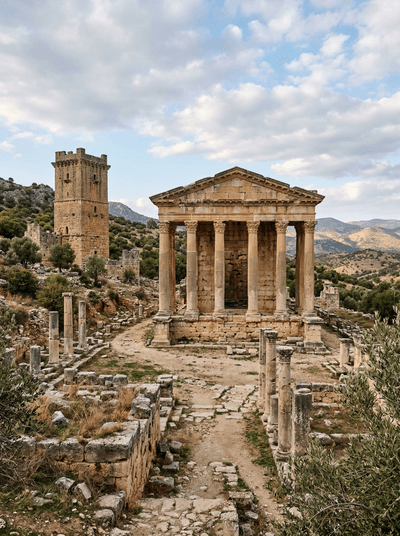
A Roman temple city swallowed by a Turkish village where children play between Corinthian columns.
Silverton
Australia
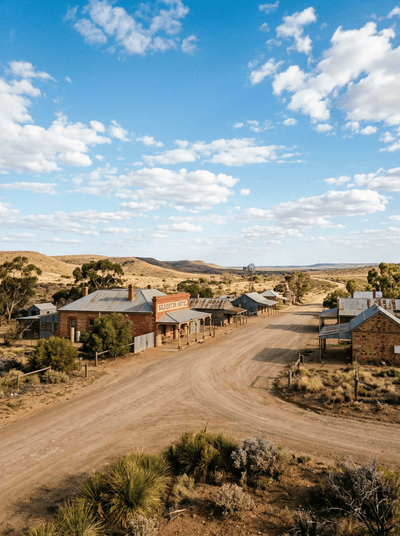
Mad Max roads vanish into Mundi Mundi plain beyond corrugated-iron galleries and a former silver town.
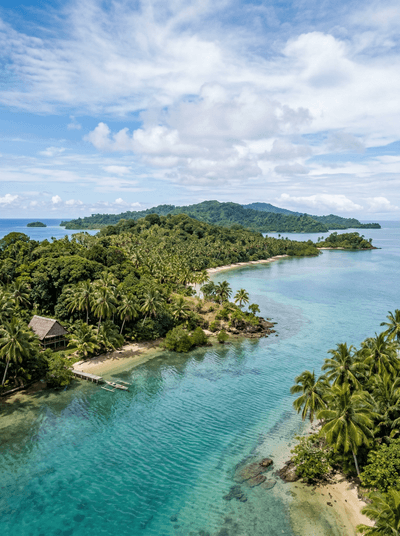
Taro Island
Solomon Islands
A provincial capital on an island low enough that the plan is to move it.
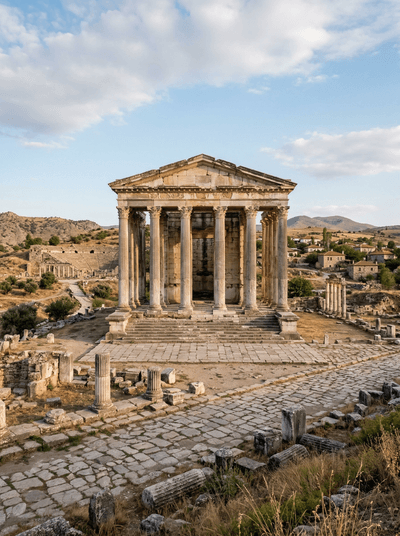
Aizanoi
Turkey
A complete Roman temple alone in a wheat field, grain prices carved in its market hall.
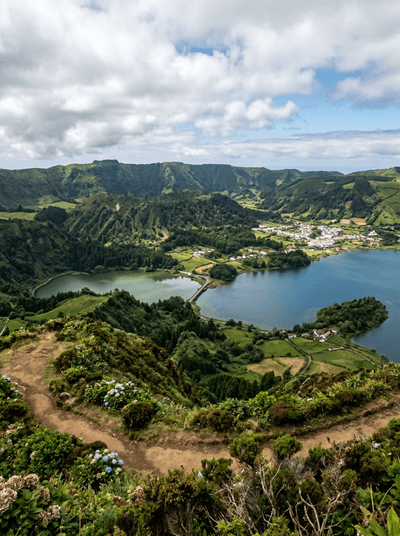
Sete Cidades
Brazil
Sandstone eroded into what look like seven separate cities, with rock paintings inside them.
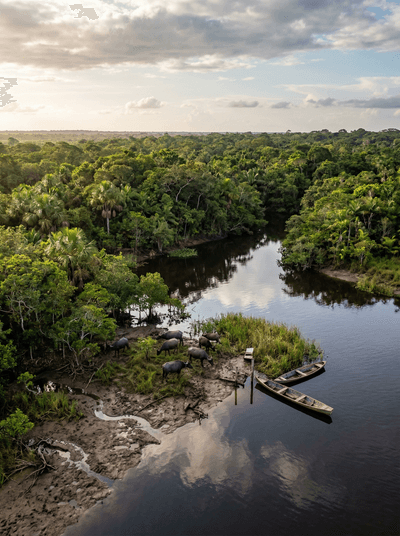
Ilha de Marajó
Brazil
The police here ride buffalo, because the flooded ground defeats anything with wheels.
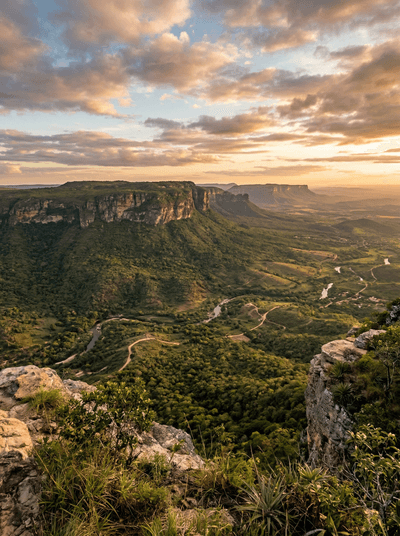
Chapada do Araripe
Brazil
Diggers call this rock pedras de peixe, fish stones, and that is exactly what is inside.
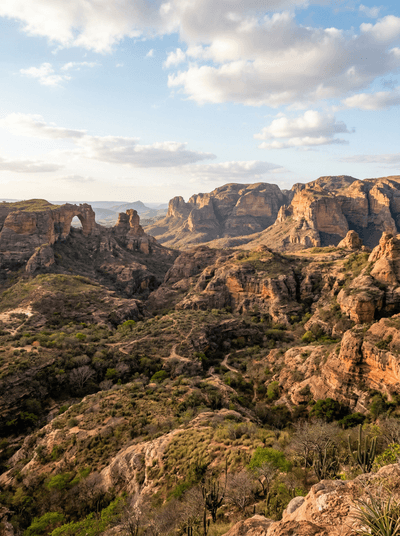
Vale do Catimbau
Brazil
Sandstone cathedrals hiding paintings made under the overhangs some six thousand years ago.