United States
Mauna Kea
A summit so sacred it was once forbidden to all but chiefs, now crowned with telescopes.
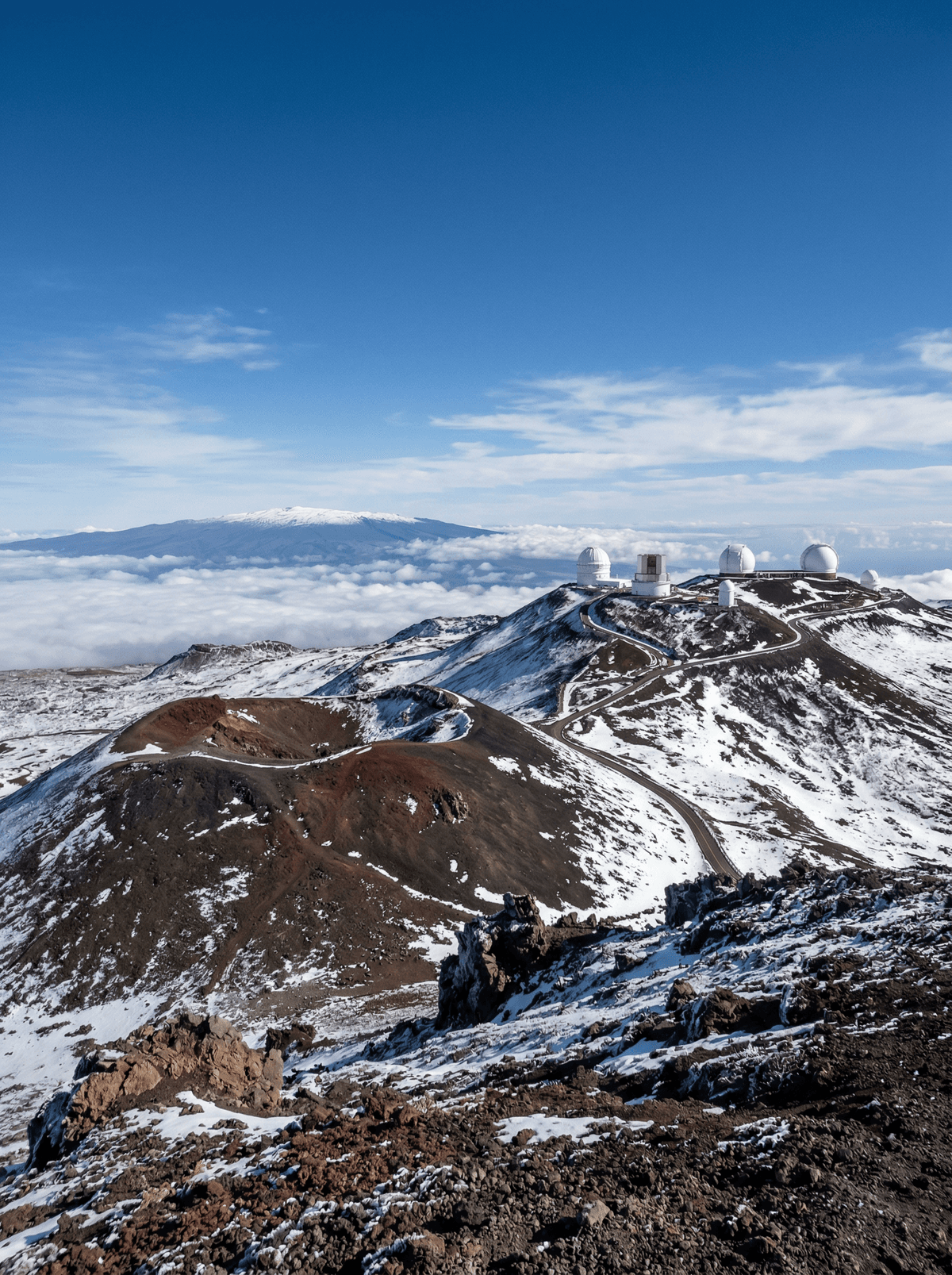
The drive begins in tropical heat and ends in thin, freezing air at 13,796 feet. Above the cloud line, observatory domes catch the last sunlight while the sky behind them deepens from blue to black. This is Mauna a Wākea, the mountain of the sky father, and long before the astronomers arrived, its summit was the realm of the gods.
Maunakea holds major spiritual significance to Native Hawaiians: in tradition it is the first-born mountain son of Wākea and Papa, the piko connecting land to heavens, its summit a wao akua once kapu to all but the highest chiefs and priests. Visit in that knowledge: the sacred framing is the mountain's own, and reverence is the entry requirement. The summit also happens to sit above roughly forty per cent of Earth's atmosphere, which is why several of the world's most powerful telescopes stand here, and why winter storms can leave snow on a tropical island's crown. On the right January day you can stand in snow at the summit and swim a coral reef by afternoon. First stop is the visitor station at 9,200 feet to acclimatise; the summit road above it is 4x4-only, vehicles must arrive clean of invasive species, and the summit closes half an hour after sunset; the stars belong to the slopes below.
Solo
Watching the sunset from above the clouds, then descending to the visitor-station level as the stars thicken overhead, is a solo experience that recalibrates your sense of scale: the Milky Way here has dust lanes, depth, architecture.
Couple
An evening on the mountain turns Maunakea into the most memorable night of any Hawai'i trip: sunset above the cloud line, warm drinks at altitude, a sky blacker than you thought possible on the drive down.
- In Hawaiian tradition Maunakea is the first-born mountain son of Wākea and Papa: the piko connecting the island to the heavens, its summit once kapu to all but the highest chiefs and priests.
- The summit rises above roughly forty per cent of Earth's atmosphere, which is why observatory domes crowd its cinder cones.
- Winter storms can snow-cap the summit while coral reefs stay warm below: one island, two climates in a single day.
- The ascent is deliberately gated: acclimatise at the 9,200-foot visitor station, take a 4x4 above it, and leave by half an hour after sunset.
Hot malasadas from Tex Drive In in Honokaʻa, serving 'ono kine grindz on the Hāmākua side since 1969, the classic stop on the way to the mauna.
Farm-to-table dinner at Merriman's in Waimea ranch country below the mountain, where Peter Merriman pioneered Hawai'i regional cuisine.
Arkaroola
Australia
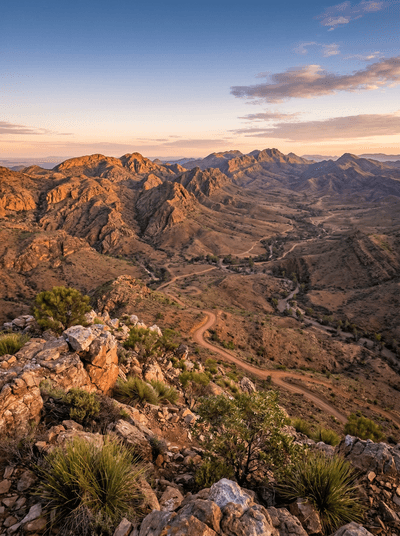
Ancient granite bucks beneath tyres by day; guided telescopes take over after dark.
São Jorge
Portugal
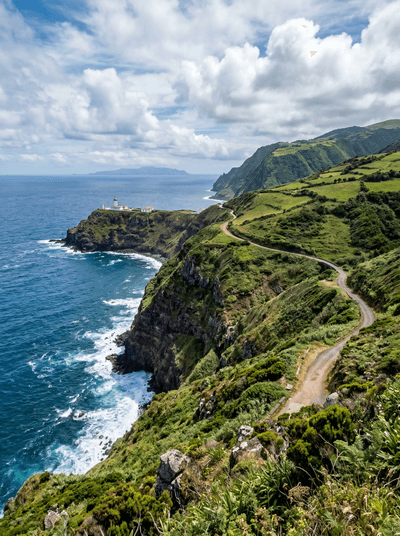
Knife-edge ridges drop to coastal fajãs — green platforms born from cliff collapses.
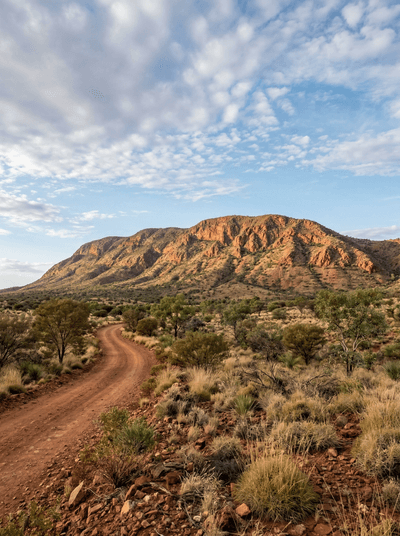
Mount Augustus
Australia
Burringurrah rises alone from mulga, its folded rock changing colour through the day.
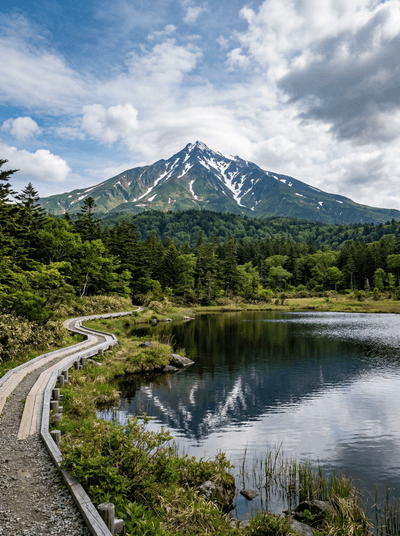
Rishiri Island
Japan
A solitary volcanic cone rising from the Sea of Japan like a misplaced Fuji.
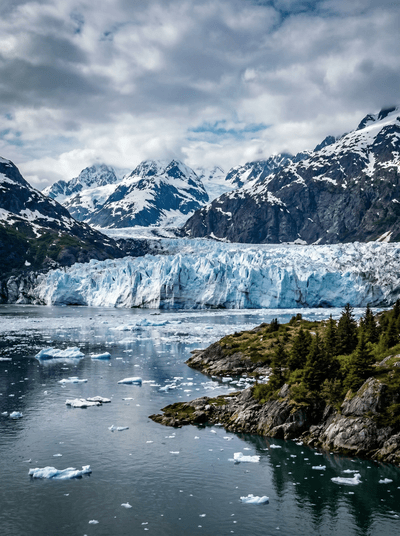
Glacier Bay
United States
Tidewater glaciers calve thunder into the sea, and summer humpbacks breach across the bay.
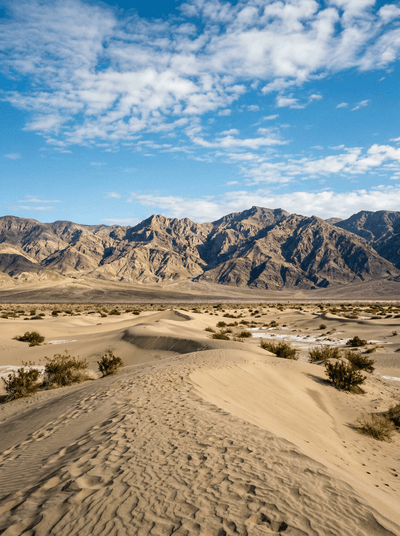
Death Valley
United States
Sailing stones that move across a dry lake bed when no one is watching.
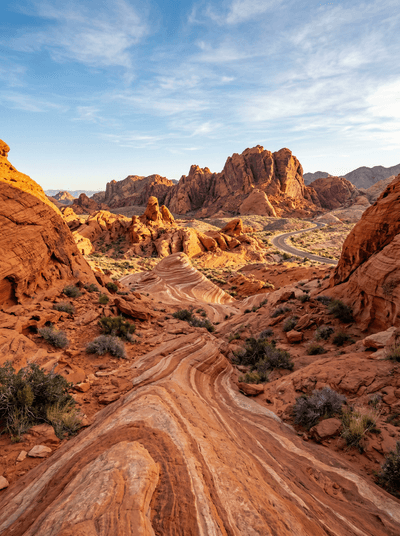
Valley of Fire
United States
Two-thousand-year-old petroglyphs baking into sandstone so red it radiates heat after dark.
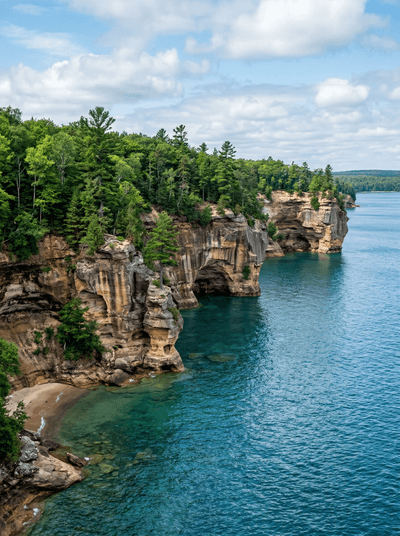
Pictured Rocks
United States
Mineral-stained cliffs of rust, copper and jade rising from Lake Superior's clear depths.