Moldova
Soroca
Mansions crowd a hill above a perfect-circle fortress; one is shaped like the Bolshoi Theatre.
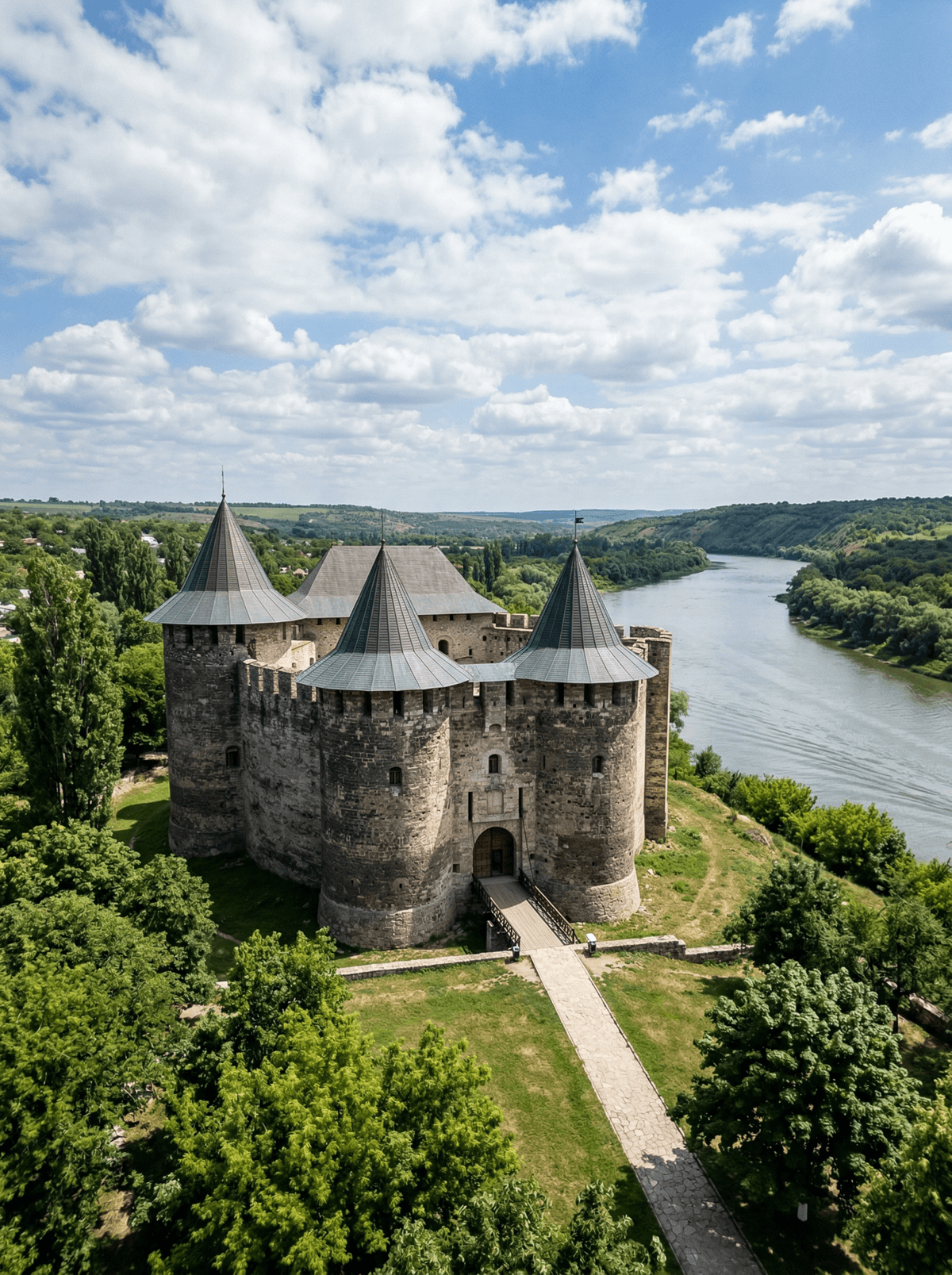
Five stone towers close a perfect circle beside the Dniester, unchanged since Petru Rareș's masons finished the work in 1546. On the hill across town, domes and columns crowd the skyline, mansion after Roma-built mansion. South of town, a stone candle nearly thirty metres tall keeps a light burning over the river.
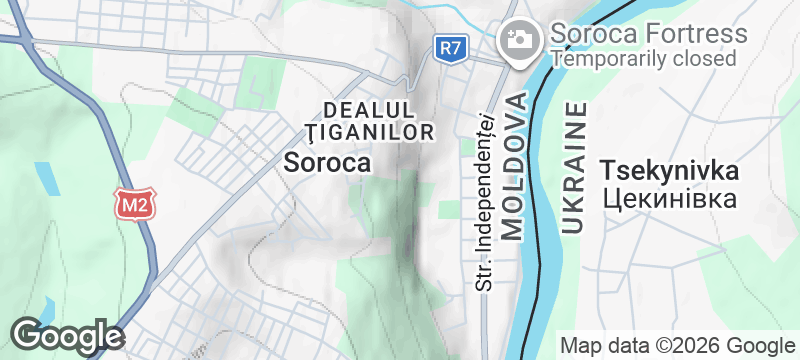
Soroca guarded a Dniester crossing for Moldova's medieval princes. Ștefan cel Mare ordered a wooden fortress here in 1499 on the site of a Genoese fort; between 1543 and 1546 Petru Rareș rebuilt it in stone as a perfect circle, 37.5 metres across with five equidistant bastions set out on golden-section proportions, and it survives exactly as designed. The hill across town tells a newer story: some thirty mansions raised by wealthy Roma families, one modelled on the Bolshoi Theatre, another remembered as a Hermitage replica, one topped with a golden dome and minaret. Many stand empty now, their owners abroad, and all are private homes to be admired from the street. Between the two, the promenade runs along the river with Ukraine on the far bank.
Solo
Circle the fortress walls with the museum's context first, then photograph the hill mansions from the public streets at respectful range.
Couple
Walk the promenade at dusk, then a terrace table facing the Ukrainian bank; the fortress towers hold the last light.
Friends
The jump from medieval stone circle to Bolshoi-shaped mansion in one small town is the conversation; divide the day between the two and argue about which is stranger.
Family
The circular courtyard and towers hold children's attention on their own; keep a hand free on the stairs and wall walks.
- Ștefan cel Mare raised a wooden fortress here in 1499, and Petru Rareș rebuilt it in stone between 1543 and 1546 as a perfect circle 37.5 metres across.
- Five bastions stand at equal intervals on golden-section proportions, and the fortress survives as Moldova's only medieval monument preserved exactly as designed.
- About thirty Roma-built mansions crown the hill across town, one shaped like the Bolshoi Theatre; they are private homes, viewed from the street.
- The Candle of Gratitude, a 29.5-metre stone candle inaugurated in 2004, holds a light above the Dniester south of town.
Restaurant Vlad'S on Strada Malamud cooks Moldovan kitchen standards from the grill, the town's dependable sit-down meal.
La Faleza's terrace opens onto the Dniester promenade five minutes from the fortress; take coffee and dessert facing the Ukrainian bank.
Suva
Fiji
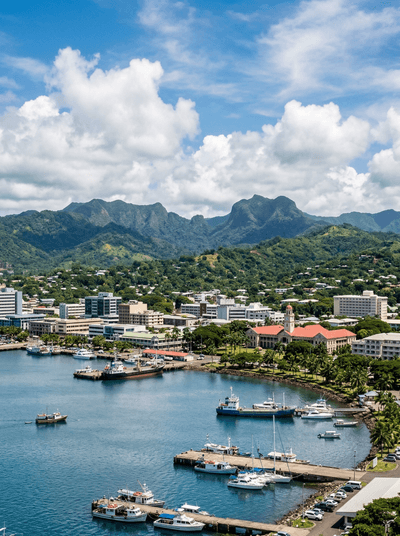
South Pacific hustle where Hindu temples share streets with Fijian markets and colonial verandahs.
Levuka
Fiji
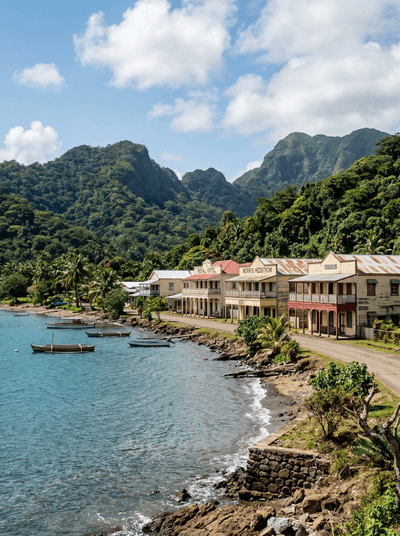
Fiji's first colonial capital frozen in the 1870s, wooden shopfronts sagging under tropical rain.
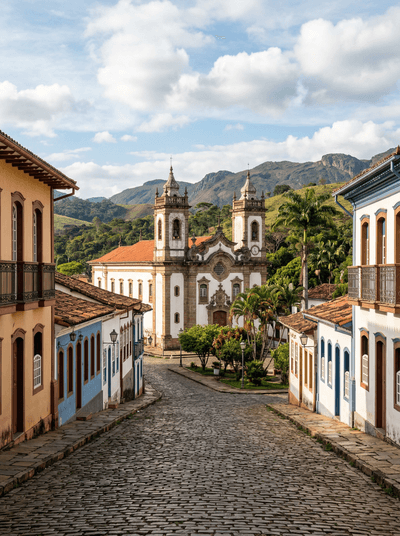
São João del-Rei
Brazil
Baroque towers answering each other across a valley, ringing the sex of whoever has just died.
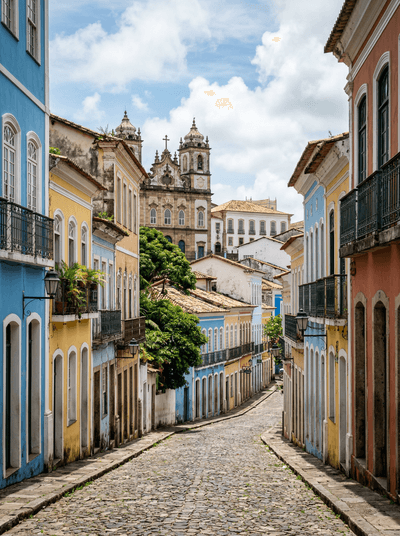
Salvador
Brazil
Drum rhythms ricocheting off colonial walls where song, dance and combat happen at once.
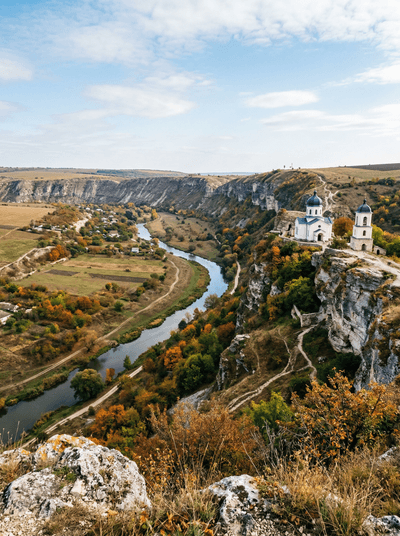
Orheiul Vechi
Moldova
Candles burn in a cliff-dug monastery cell; a Golden Horde city lies buried around the bend.
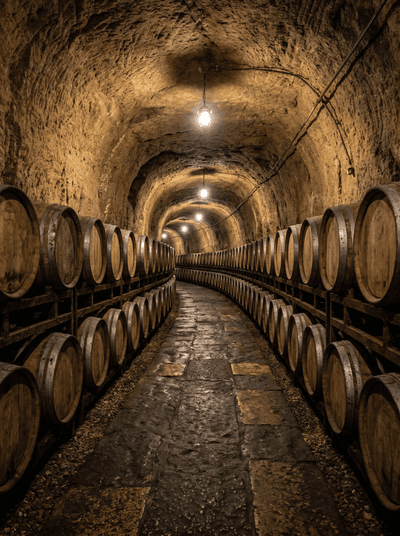
Mileștii Mici
Moldova
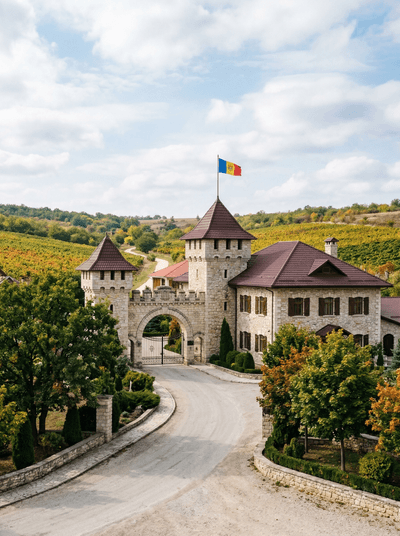
Drive streets named Cabernet and Feteasca through the wine cellar Guinness lists as the world's largest.
Cricova
Moldova
Ride an electric train down wine streets that hide Göring's captured cellar 80 metres underground.
Țipova
Moldova
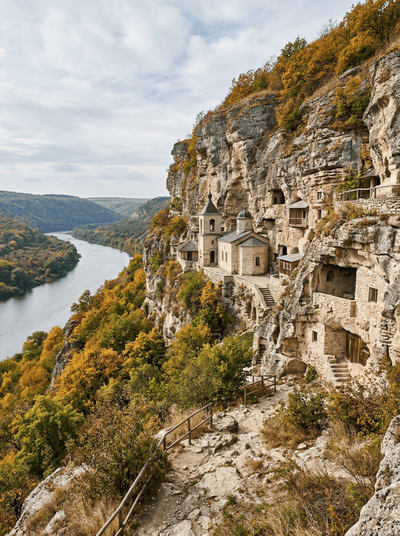
Hermit cells climb a Dniester cliff where legend buries Orpheus in a nook of a waterfall.