Italy
Su Nuraxi di Barumini
A Bronze Age stone fortress predating Rome by seven centuries, buried until the 1950s.
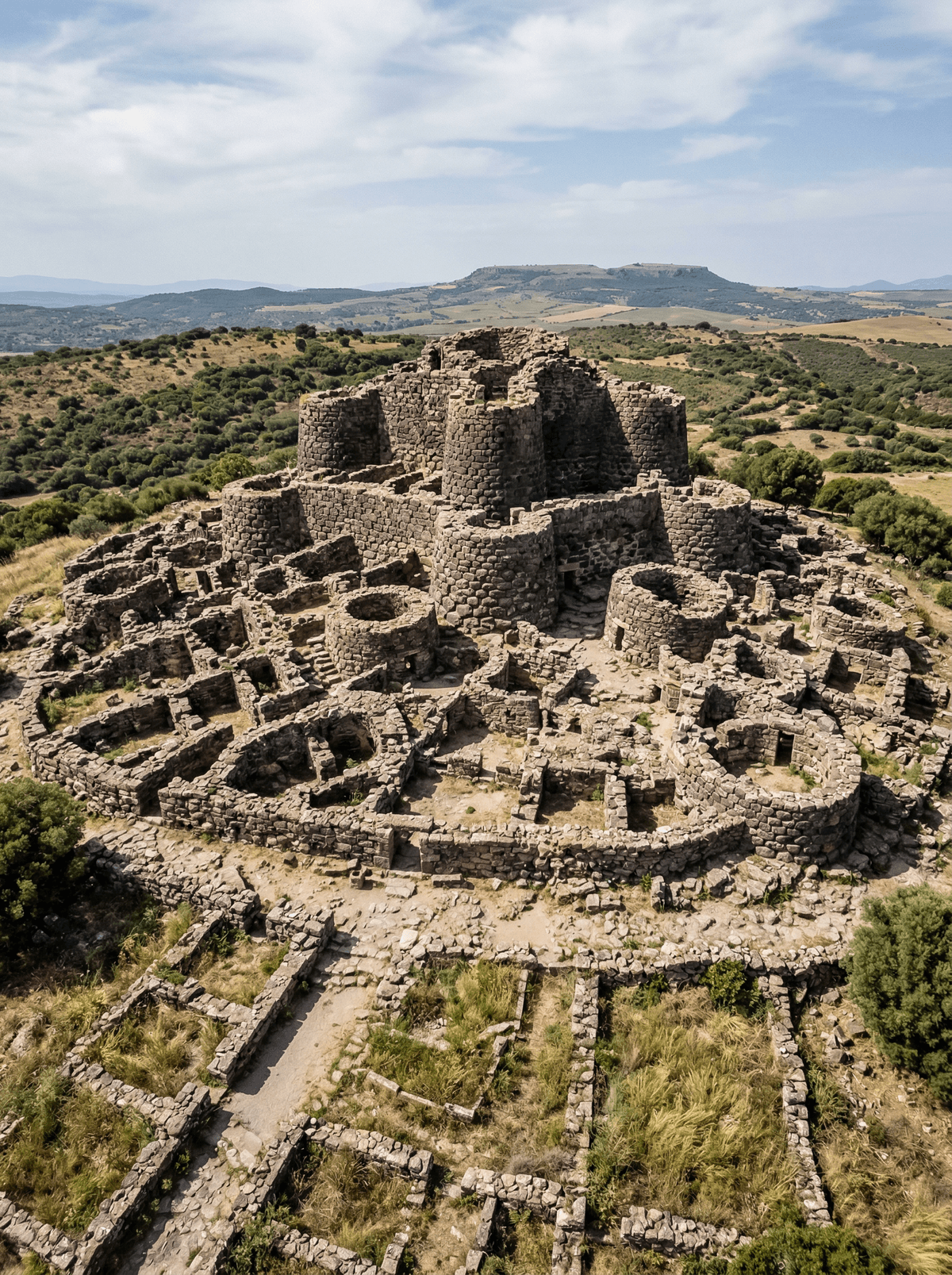
The stone towers rise from the plain half fortress, half beehive, their basalt walls still interlocking after thirty-five centuries without mortar. Wind carries wild thyme and silence across the dry grass. This is the threshold of a civilisation that left no writing, only stone fitted past the patience of empires.
Su Nuraxi di Barumini is the most complete monument of Sardinia's Nuragic civilisation and a UNESCO site, its basalt drawn from the neighbouring Giara and its stratification running two thousand years, from the sixteenth century BC into the seventh century AD. A central keep, once over eighteen metres tall, stands ringed by four corner towers, a bastion and a labyrinth of some fifty huts, wells and cisterns. The whole complex lay buried under a grassy hill until the archaeologist Giovanni Lilliu dug it free through the 1950s. Sardinia raised thousands of nuraghi; none matches this one, and guided tours thread its corbelled chambers daily.
Solo
The guided pace is unhurried; three thousand years of silence reward slow attention.
Couple
Follow the fortress with a drive through the empty Marmilla, stone villages and shepherd tracks most visitors never see.
Family
Children walk through real Bronze Age doorways and climb worn stone stairs; no textbook competes.
- The basalt complex holds a stratification of two thousand years, from the sixteenth century BC onward.
- A central keep and four corner towers stand ringed by a labyrinth of some fifty huts.
- Giovanni Lilliu's 1950s excavation freed the whole fortress from a grassy hill.
- Of Sardinia's thousands of nuraghi, UNESCO lists this as the exemplar.
Malloreddus, the little saffron-tinted Sardinian gnocchi, arrive under sausage ragù in Barumini.
Pecorino sardo with warm carasau shards makes the plain's simplest and oldest lunch.
Comacchio
Italy
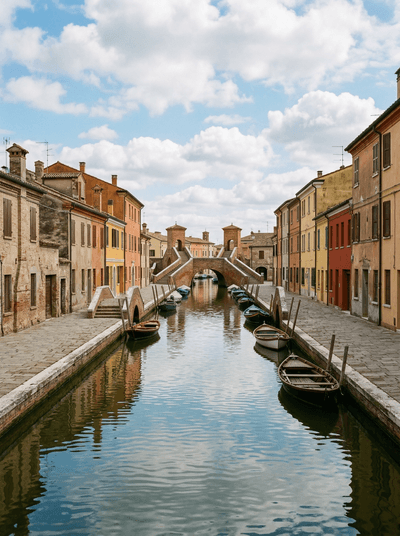
Canals thread a brick lagoon town whose fortunes have always swum in on the eels.
Lake Como
Italy
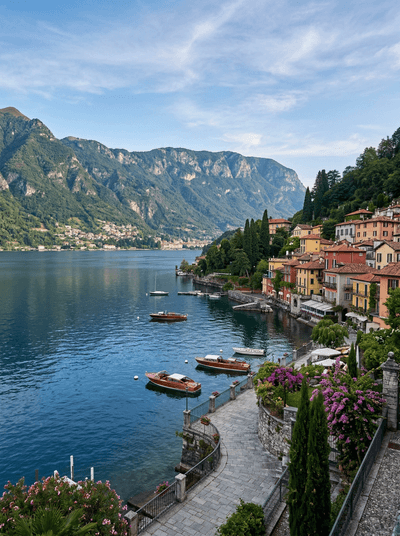
Cypress-lined shores where the water mirrors snow peaks and cardinals built their pleasure palaces.
Scilla
Italy
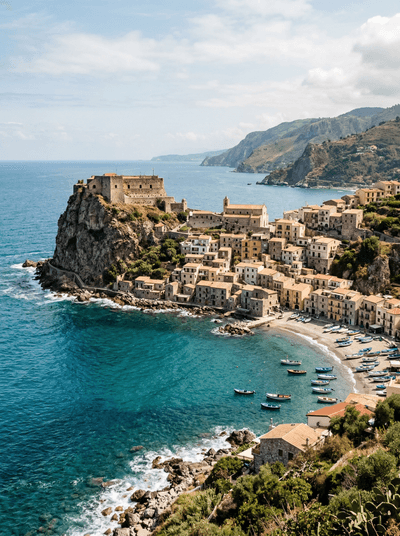
Homer's sea monster laired here, now swordfish boats patrol the Strait of Messina at dawn.
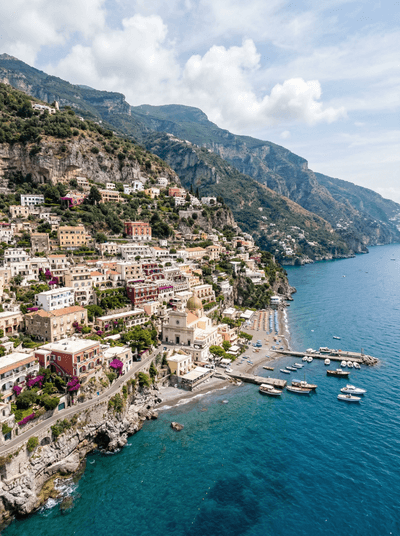
Amalfi Coast
Italy
Hairpin roads carved into sea cliffs where lemon groves tumble toward turquoise water.