Peru
Sechín
Temple walls carved with warriors and the dismembered — 3,600-year-old stone testimony.
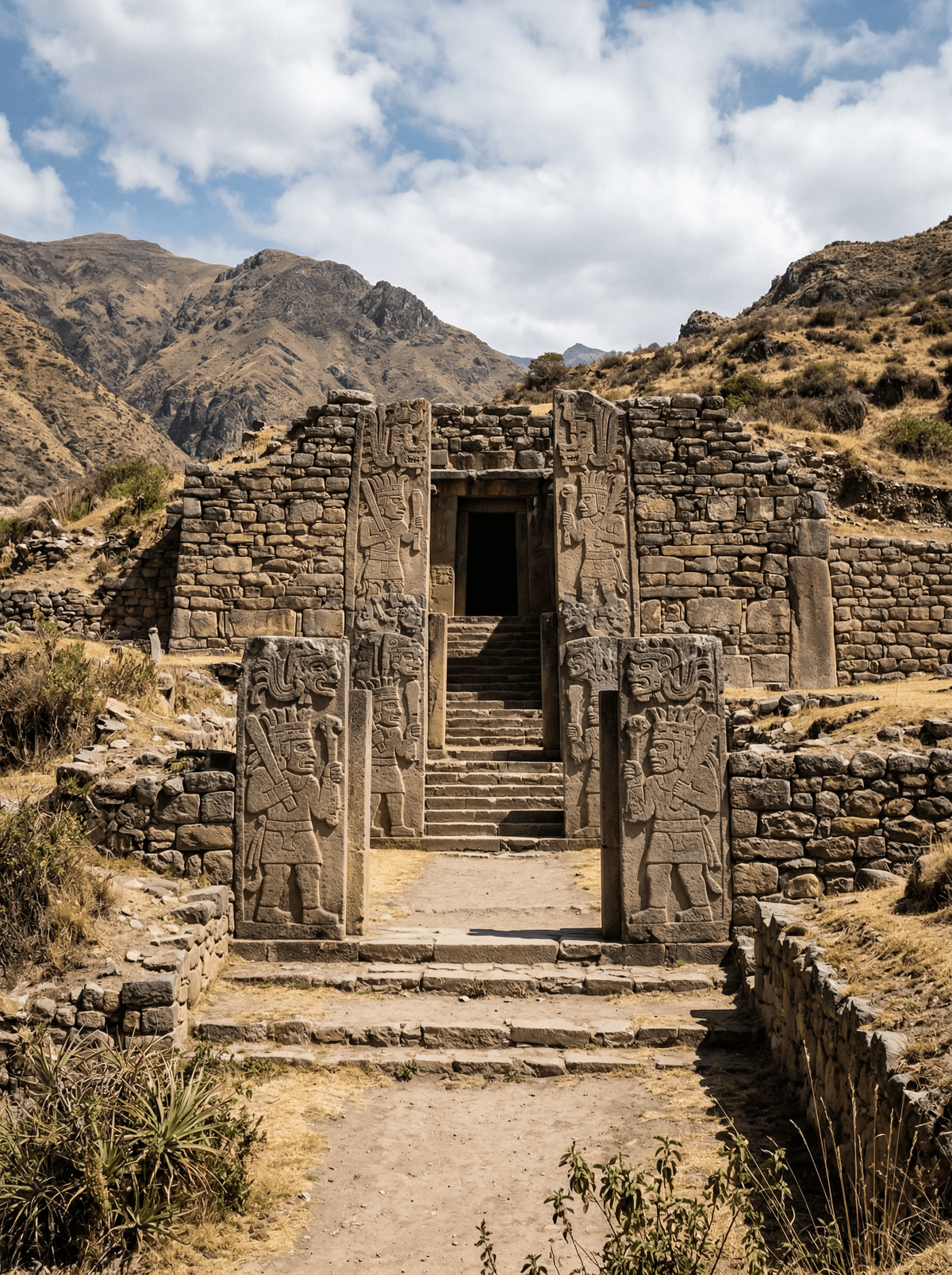
The stone figures have stood in the desert for some 3,600 years, and they are not at peace. Carved warriors advance while dismembered bodies are rendered in unsettling anatomical detail — and the heat haze off the Casma Valley floor makes the slabs shimmer as you read them.
Cerro Sechín ranks among the Americas' most arresting early monuments: a ceremonial building near Casma dating to roughly 1600 BCE, its walls set with hundreds of carved slabs of armed figures and dismembered bodies whose meaning archaeologists still argue — battle aftermath, ritual, even a display of anatomical knowledge, the museum laying the competing readings side by side. The carvings owe their startling condition to burial under later construction, emerging in the excavations begun in 1937 with edges the desert sun had never touched. Cerro Sechín is also one site in a wider Casma archaeological landscape — Sechín Alto and Sechín Bajo carry their own deep claims — which the compact managed circuit and museum put in honest order. An hour of close looking here goes a very long way.
Solo
The slabs reward slow, panel-by-panel attention — the kind that comes naturally alone with ancient carvings in desert heat.
Couple
The imagery provokes real conversation — what society produced this? — balanced by the Casma drive and a ceviche lunch after.
Family
Older children primed for graphic imagery find the carvings genuinely gripping; the compact site fits inside an hour.
- Hundreds of carved stones line one of the Americas' earliest monumental buildings.
- Warriors and the dismembered are cut with unsettling anatomical precision.
- Burial under later construction preserved the carvings until 1937's excavations.
- The museum sets the site honestly within Casma's wider archaeological landscape.
Ceviche in Casma, the lime cutting straight through desert heat.
Carapulcra with sopa seca — the dual-plate coastal feast, made for sharing.
Su Nuraxi di Barumini
Italy
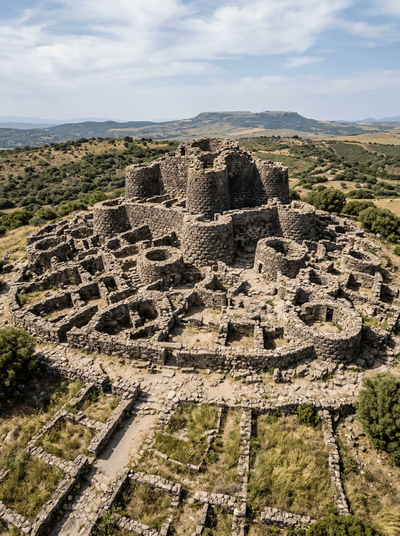
A Bronze Age stone fortress predating Rome by seven centuries, buried until the 1950s.
Olorgesailie
Kenya
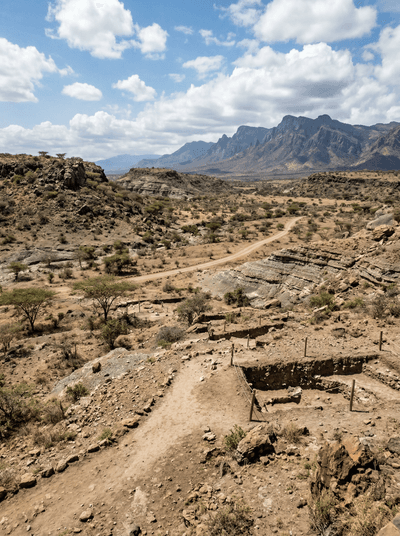
Hundreds of hand axes lie in situ on a vanished Rift Valley lakebed, 900,000 years old.
Kondoa Rock Art Sites
Tanzania
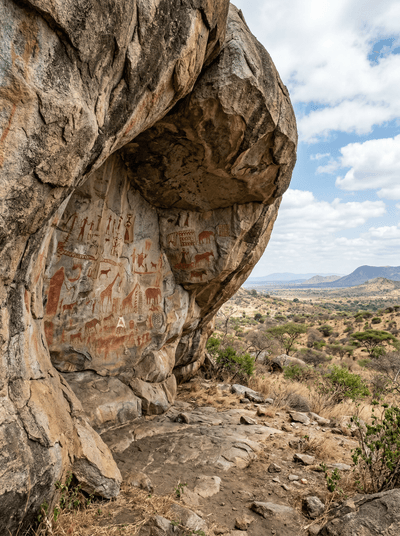
Ten thousand years of ochre hunters layer the sandstone of a valley few visit.
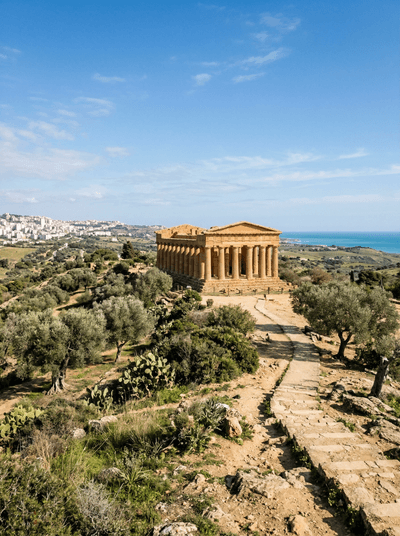
Agrigento
Italy
Greek temples lit gold at night along a ridge, almond blossoms carpeting the valley below.
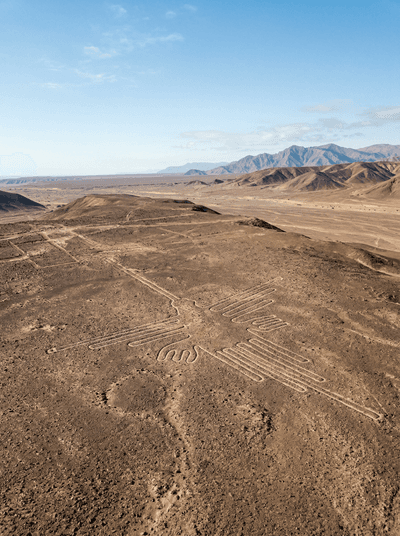
Nazca
Peru
Ancient figures etched so large across the desert they resolve only from above.
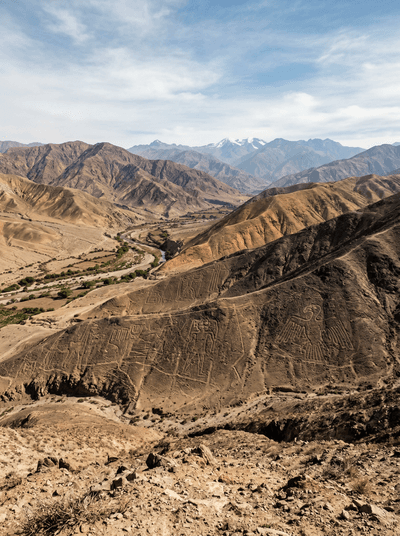
Palpa
Peru
Hillside geoglyphs with human faces, in a valley the tour planes ignore.
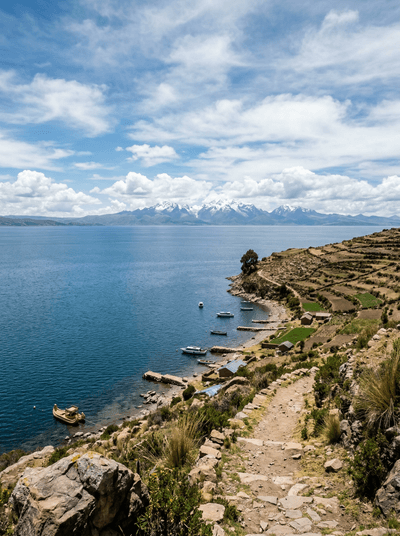
Lake Titicaca
Peru
So high the air stings, so still the sky sinks into the water.
Colca Canyon
Peru
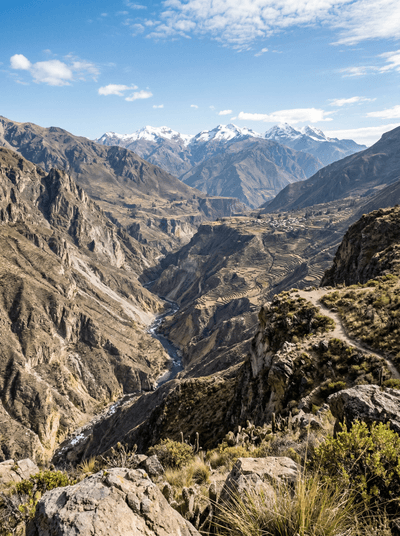
Condors riding dawn thermals out of a chasm that dwarfs the Grand Canyon.