Costa Rica
Guaitil
Women shape pottery using thousand-year-old Chorotega methods — no wheel, no kiln, fired in open flame.
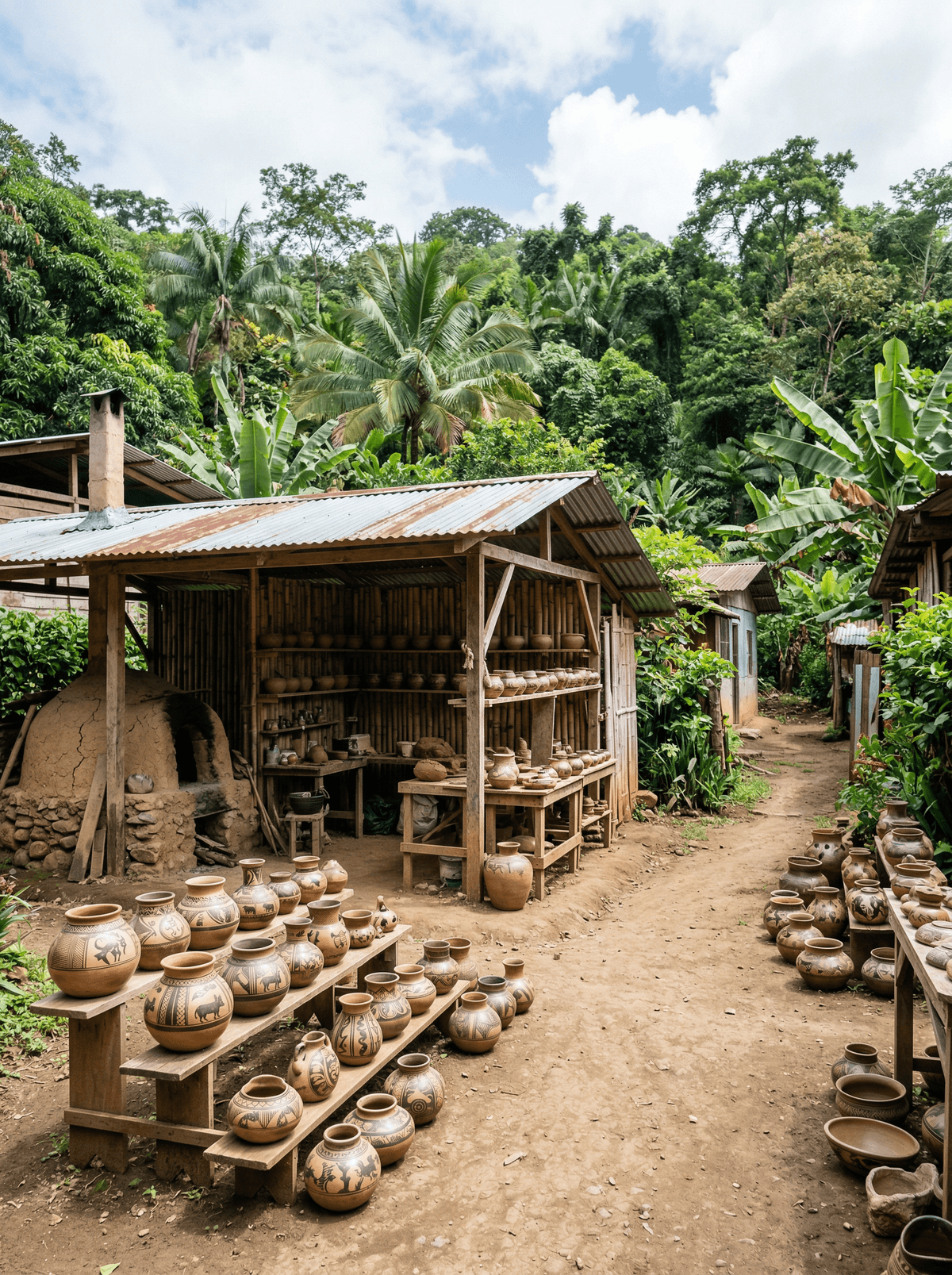
Clay dries in flat slabs on the pavement outside a concrete-block house. In the shade of the porch, a woman shapes a pot with her hands — no wheel, no mould — her fingers following a form she learned from her mother, who learned from hers. In Guaitil, a village in Costa Rica's Guanacaste province, the Chorotega pottery tradition has never stopped. The same technique used a thousand years ago is used today, in full view of anyone who walks past.
Guaitil is the only village in Costa Rica where the pre-Columbian Chorotega pottery tradition has survived unbroken. The women gather their own clay from surrounding hillsides, dry it in the sun, and shape it entirely by hand — from raw earth to fired piece takes roughly two weeks. Geometric designs painted using natural mineral pigments — black from manganese, red from ochre, white from limestone — replicate patterns found in excavated pre-Columbian ceramics. The entire process happens in open workshops, often in front of potters' homes. Visitors watch the full production cycle: clay preparation, hand-building, painting, and open-flame firing without a kiln.
Solo
A solo visit allows you to sit with individual potters and learn the technique at their pace. The village is small enough to walk in an hour, but the craft rewards slow observation.
Couple
Watching a thousand-year-old tradition performed on a village porch is quietly moving. Many workshops offer hands-on sessions where you shape and paint your own piece to take home.
Family
Children can try shaping clay alongside master potters — the open-air workshops welcome participation, and the tangible, hands-on nature of the craft holds attention across ages.
- Guaitil is the only village in Costa Rica where the pre-Columbian Chorotega pottery tradition has never been interrupted — the same hand-building, open-fire technique used 1,000 years ago.
- The women gather their own clay from surrounding hillsides, dry it in the sun, and work it without a wheel — from raw material to fired piece takes two weeks.
- Geometric designs painted using natural mineral pigments — black from manganese, red from ochre, white from limestone — replicate patterns found in excavated pre-Columbian ceramics.
- Visitors can watch the full production cycle in open workshops — many potters work in front of their homes, shaping and painting in full view of the street.
Chorotega cuisine: tamales pisques — cornmeal tamales with no filling, just salt and fat — and corn atole.
Rosquillas — dry, crumbly corn-and-cheese rings baked in clay ovens — sold warm from the fire.
Su Nuraxi di Barumini
Italy
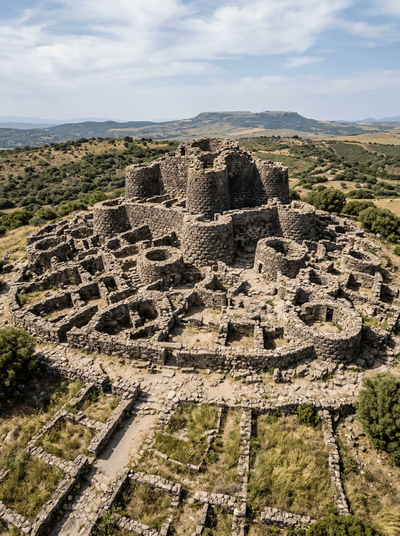
A Bronze Age stone fortress predating Rome by seven centuries, buried until the 1950s.
Olorgesailie
Kenya
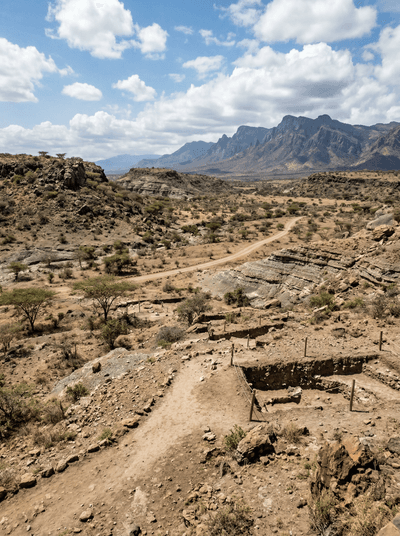
Hand axes lie where they fell 900,000 years ago on a vanished Rift Valley lakebed.
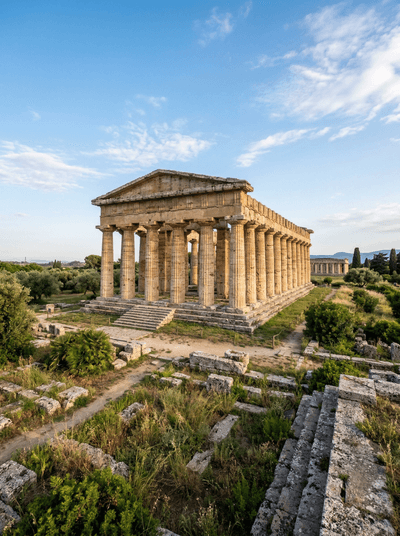
Paestum
Italy
Three Greek temples older than the Parthenon, standing in a field with no crowd in sight.
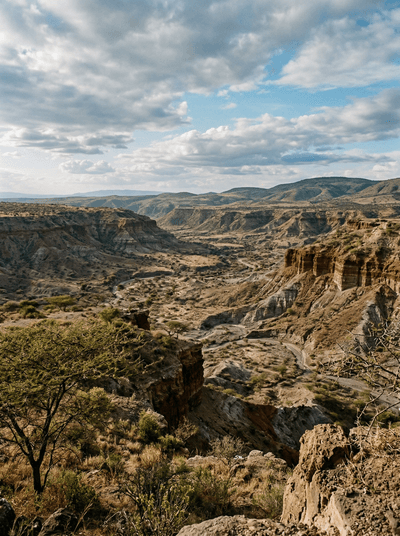
Olduvai Gorge
Tanzania
A sun-scorched ravine holding 1.8-million-year-old human fossils — the crevice where our evolutionary story was rewritten.
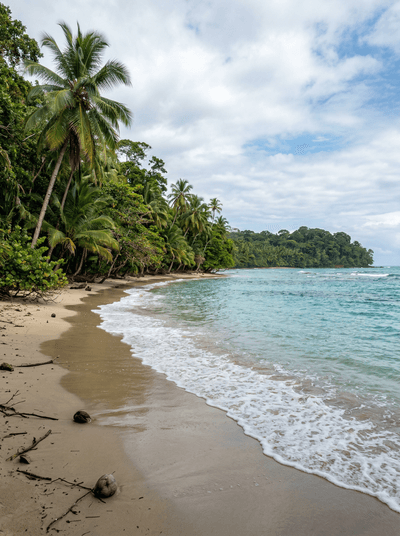
Cahuita
Costa Rica
Sloths dangle above a coral reef where Afro-Caribbean drums carry across coconut-fringed black sand.
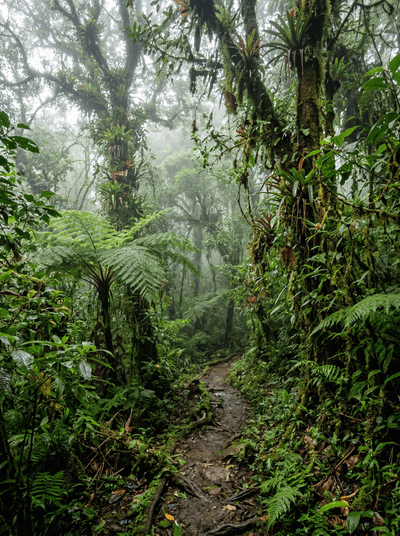
Monteverde Cloud Forest Reserve
Costa Rica
Mist so thick it beads on your eyelashes, orchids breathing in the canopy above.
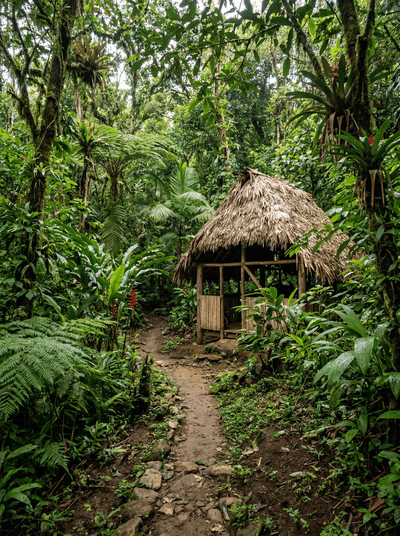
Bribri Indigenous Territory
Costa Rica
Indigenous cacao ceremonies deep in a rainforest territory where the Bribri have lived for millennia.
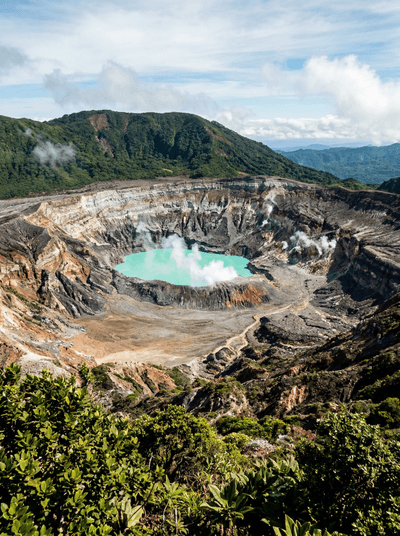
Poás Volcano
Costa Rica
An acid lake steams and shifts colour inside one of Earth's widest active craters.