Solomon Islands
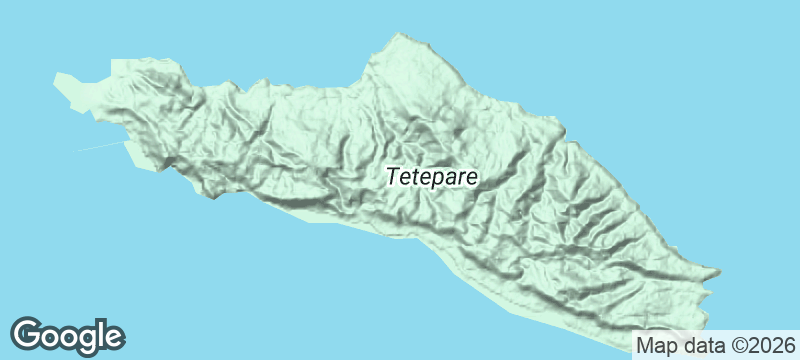
Tetepare Island
The South Pacific's largest uninhabited island, emptied by a prophecy over 150 years ago.
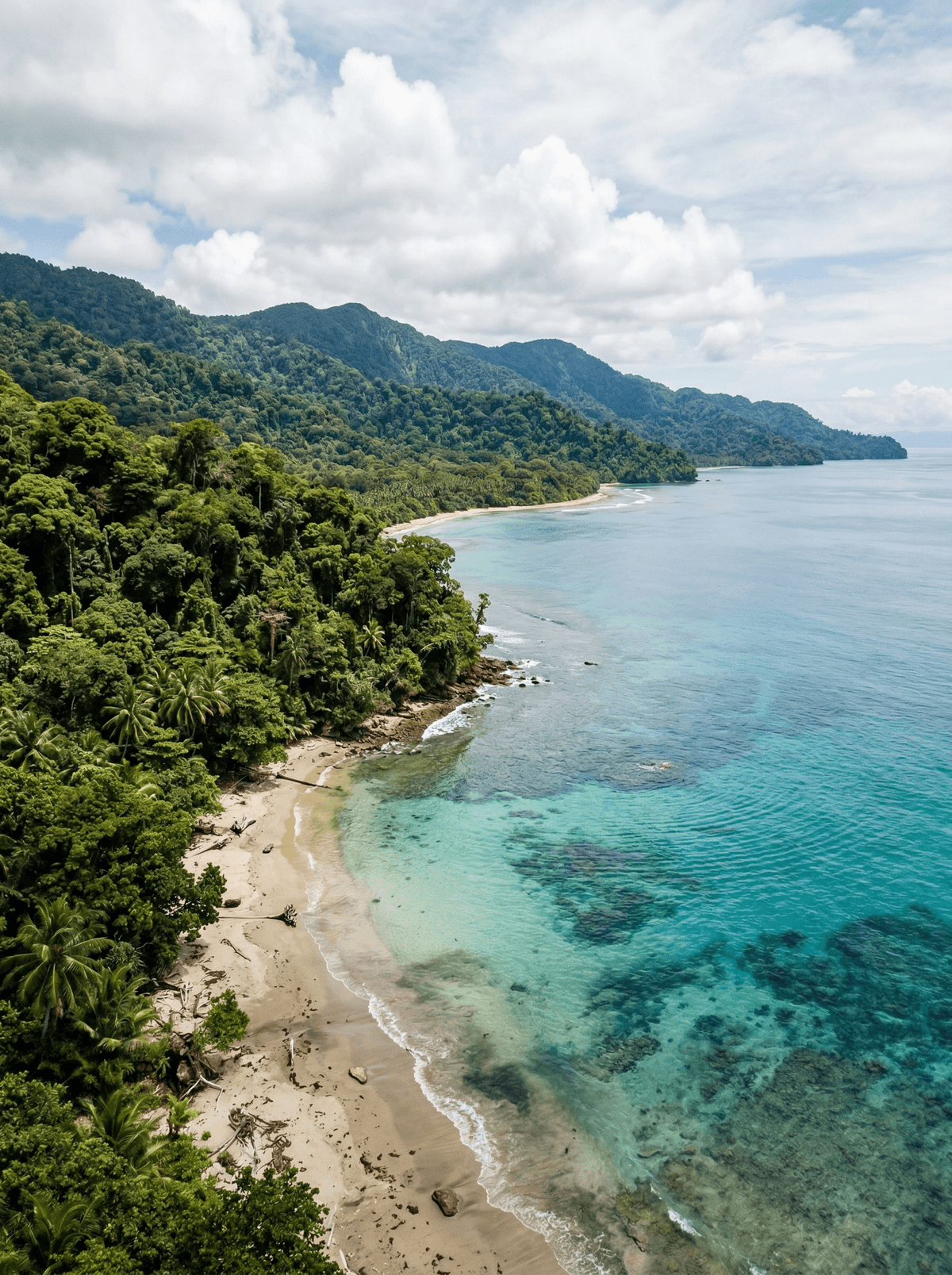
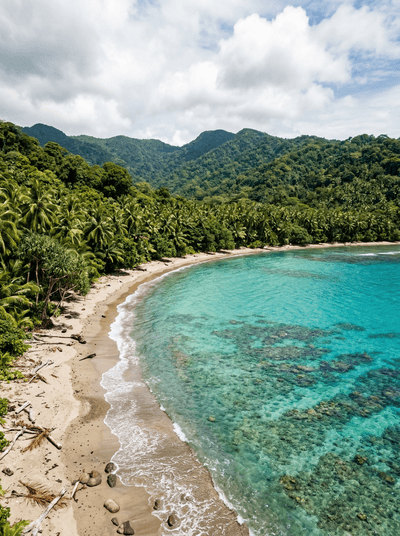
The forest starts at the waterline and doesn't stop. Tetepare Island rises from the Western Province sea as 120 square kilometres of unbroken primary rainforest — no villages, no roads, no clearings. At night, leatherback turtles drag themselves up the black-sand beaches while bats the size of small dogs cross overhead in the dark.
Tetepare is the largest uninhabited island in the Southern Hemisphere. Its people left in the 1880s following a kastom prophecy, and the Tetepare Descendants' Association now manages the island as a community conservation area from the mainland. Dugongs — vanishing across most of the Pacific — still graze the seagrass beds undisturbed. Visitors stay at the lone ranger station, joining midnight turtle patrols to tag nesting females and record clutch sizes in the sand. No more than a handful of people occupy the island at any time.
Solo
One of the most profoundly isolated places you can reach in the Pacific. Days pass with nothing but forest sound, reef snorkelling, and conversation with rangers who know the island's ecology intimately.
Couple
The remoteness is the point — an entire island of primary rainforest with a single ranger station and nobody else. Turtle nesting patrols at midnight feel like the edge of the known world.
Friends
Small groups fit the ranger station's capacity well. Combine reef diving, rainforest trekking, and turtle conservation work for days that feel genuinely purposeful.
- The island has been uninhabited since the 1880s and is managed by the Tetepare Descendants' Association, whose ancestors left following a kastom prophecy — their connection to the land remains unbroken.
- Leatherback and hawksbill turtles nest on the beaches; rangers run midnight patrols that visitors join, recording nesting females and measuring eggs in the sand.
- Dugongs — which have retreated from most of the Pacific — still feed undisturbed in the seagrass beds around the island.
- No more than a handful of visitors at a time stay at the ranger station, the island's only human structure amid 120 square kilometres of primary rainforest.
Conservation rangers grill freshly speared reef fish over open flame beside the turtle nesting beach.
Cassava and taro baked in earth ovens by descendants who still manage the island from afar.
Hideaway Island
Vanuatu
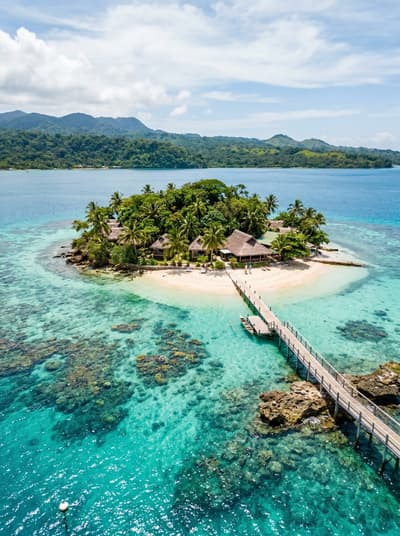
Post a waterproof postcard from the world's only underwater post office, then snorkel its coral reef.
Ureparapara
Vanuatu
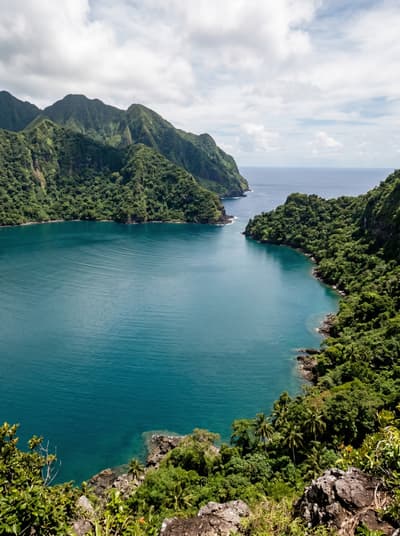
Sail into the flooded crater of a horseshoe-shaped volcanic island where fewer than 500 people remain.
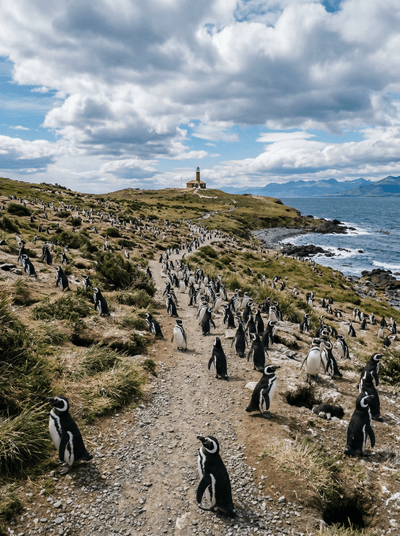
Isla Magdalena
Chile
Magellanic penguins in their tens of thousands, nesting so close you walk through their colony.
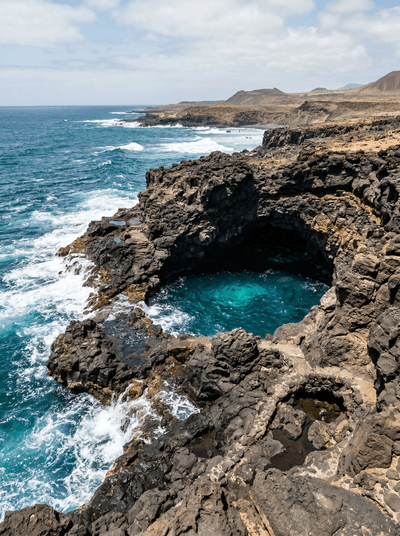
Buracona
Cape Verde
At midday, sunlight plunges through volcanic rock and ignites an underwater cave into electric blue.
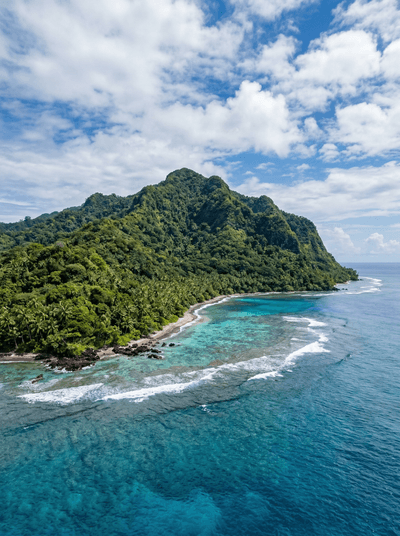
Anuta
Solomon Islands
Three hundred people share a coral speck half a mile across in the open Pacific.
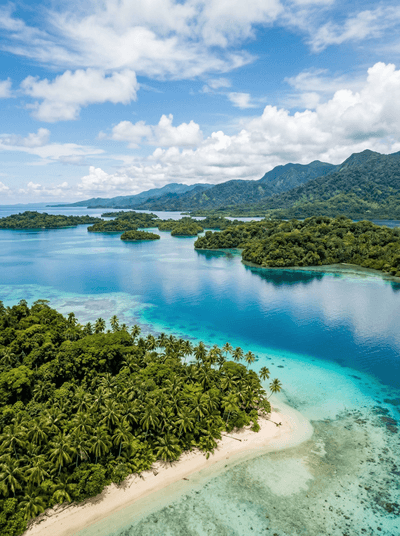
Roviana Lagoon
Solomon Islands
Head-hunting shrines and coral petroglyphs line a lagoon that launched war canoe raids for centuries.
Nendo
Solomon Islands
Red feather money still circulates on an island where Melanesian and Polynesian bloodlines converge.
Reef Islands
Solomon Islands
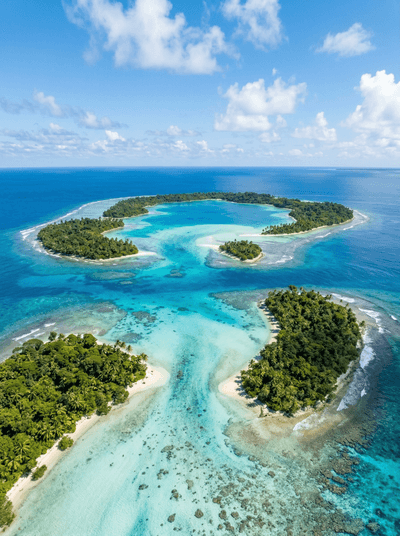
Coral islets scattered like gravel across open ocean, reached by canoe navigators reading the stars.