Solomon Islands
Roviana Lagoon
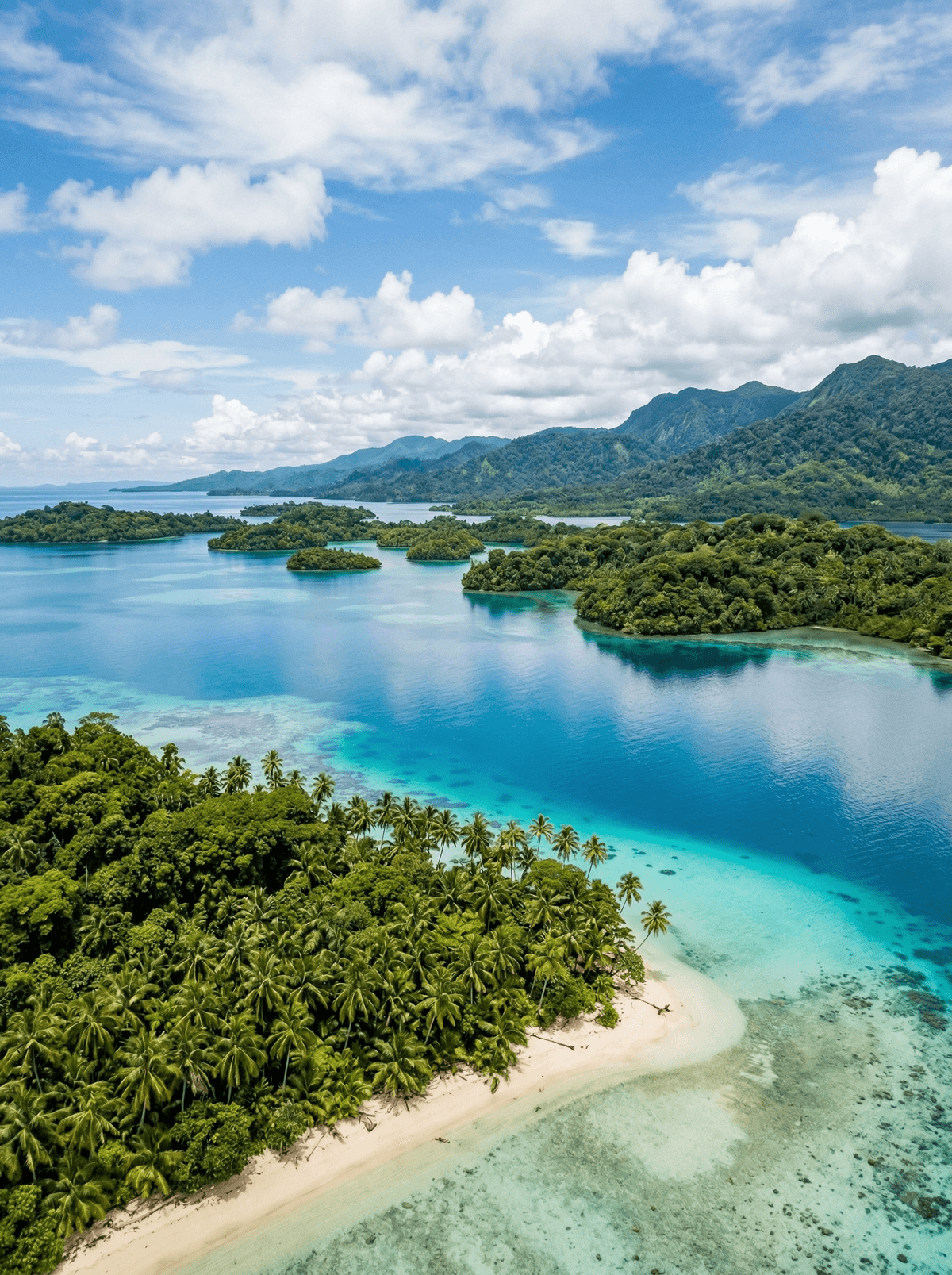
Villages still lived in and islands full of shrines sit in the same lagoon.
The water darkens under overhanging mangroves, and a paddle stroke carries you past islets where coral shrines sit half-hidden in the green. Roviana is layered: villages in front, ancestors close behind.
Roviana Lagoon holds shrine islands, ritual sites and long histories of exchange and warfare, recorded by archaeologists across the whole lagoon rather than at any single spot. Villages still stand among them, so the archaeology and the living community share the same water. This was the seat of one of Melanesia's most formidable chieftaincies, and its tomoko war canoes ranged the length of the archipelago. Munda is the gateway, supplying both the boats and the beds. A local guide sets the route, the photography rules and which sites are open on the day.
Couple
A full day on the water moving between shrine islands and villages, with the boat handler deciding what can be visited that morning.
Family
Long boat days suit children better here than one fixed site would, because the lagoon keeps changing and there is always somewhere to land.
Friends
The boat is the cost and it divides, so a group can take the whole day and reach the further archaeological islands as well as the nearest.
- Shrine islands and living villages share the lagoon as one connected landscape of settlement, exchange and ritual.
- The lagoon is customarily owned, so access and photography rules come from local custodians.
- Munda supplies the accommodation and the boat operators for lagoon trips.
- Tomoko war canoes once raided hundreds of kilometres from these shores, and petroglyphs cut into the reef rock record that power.
Back in Munda, reef-fish curry at Agnes Gateway's Roviana Restaurant.
The Leaf House Cafe opposite the hotel for something lighter after a day out on the lagoon.
Isla Foca
Peru
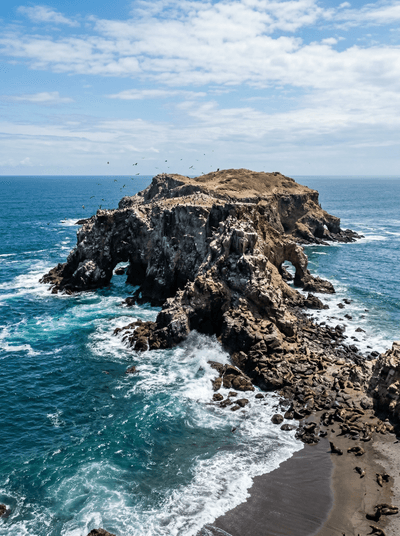
Blue-footed boobies and sea lions on a rocky island off a working fishing cove.
Tortuguero
Costa Rica
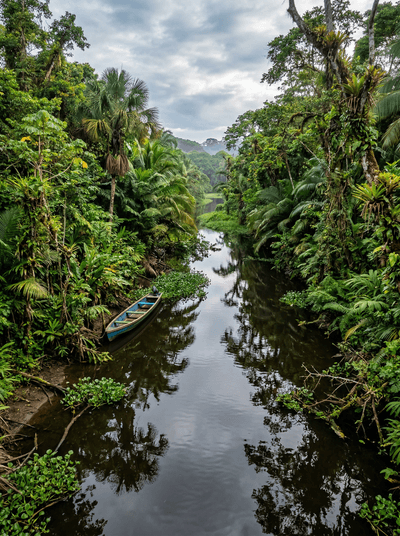
Jungle canals where green sea turtles haul onto black volcanic sand under a moonless sky.
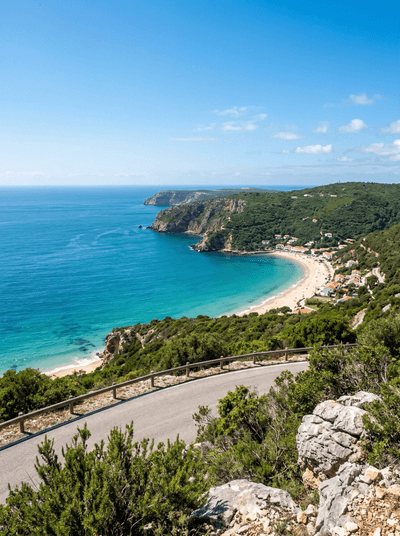
Arrábida
Portugal
Turquoise coves locked between limestone cliffs and monastery forest above the sea.
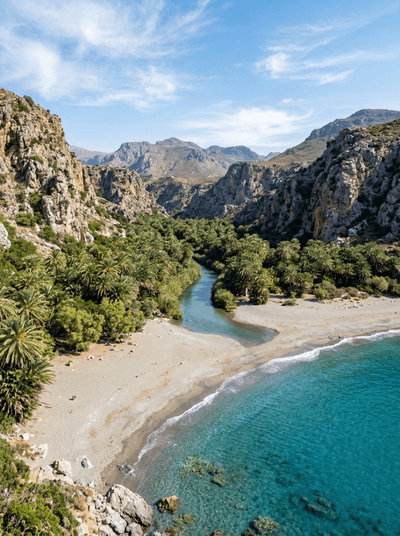
Preveli Beach
Greece
A palm forest meets the Libyan Sea where a river carves through Crete's southern cliffs.
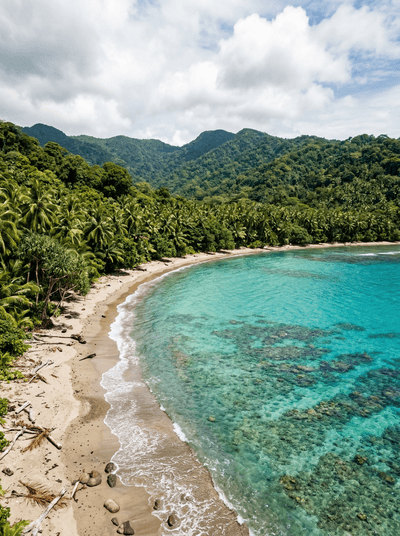
Nendo
Solomon Islands
Money made from red feathers came from here, and the memory of it has not gone.
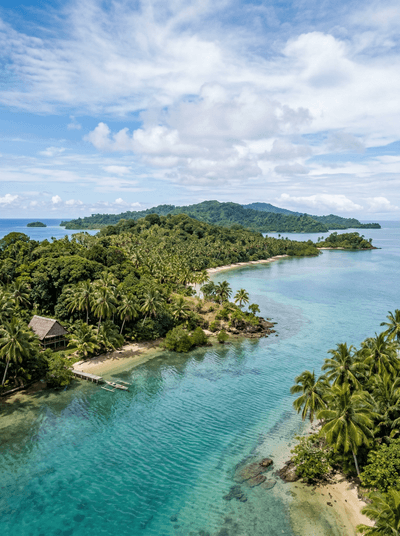
Taro Island
Solomon Islands
A provincial capital on an island low enough that the plan is to move it.
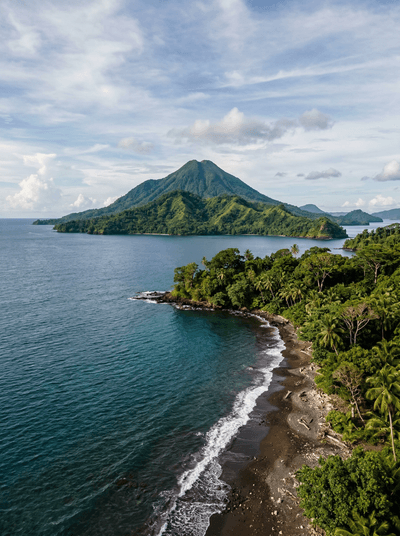
Savo Island
Solomon Islands
Megapodes bury their eggs in black sand that an active volcano keeps warm from below.
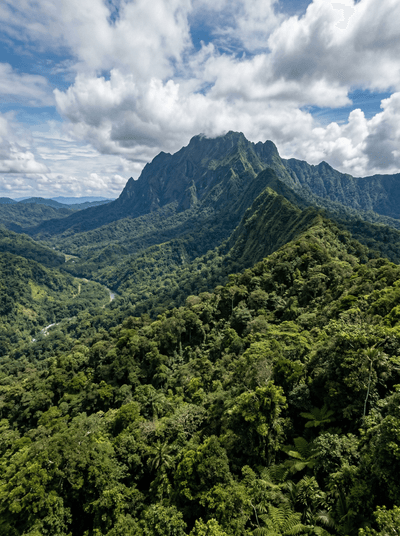
Mount Popomanaseu
Solomon Islands
The country's highest ground, 2,335 metres up through Guadalcanal forest with no trail infrastructure.