Italy
Tiscali
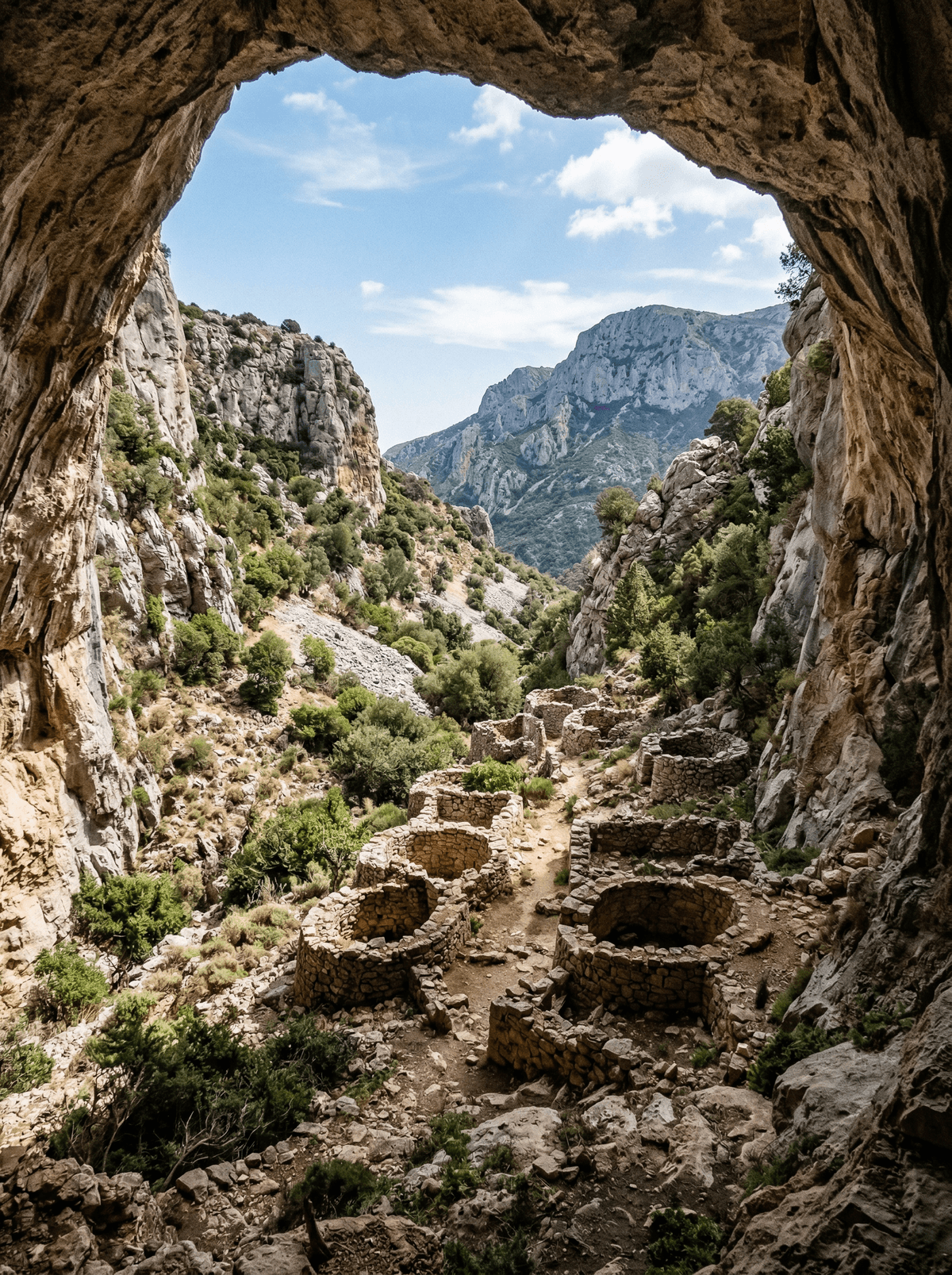
A prehistoric village hidden inside a collapsed mountain, entered through a hole in the rock.
The trail climbs through holm oak forest, crosses a limestone gorge, and then drops without warning through a gap in the rock into a collapsed doline open to the sky. Inside, the rubble foundations of a Nuragic village sit on the cave floor, hidden from the outside world for over three thousand years.
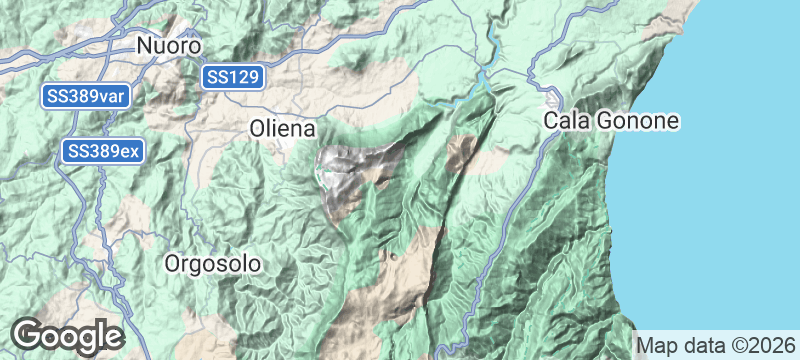
Tiscali is a Nuragic archaeological site in the Supramonte massif of eastern Sardinia, concealed within a collapsed karst sinkhole on Monte Tiscali. The village, dating to approximately the 6th century BC, was likely a refuge settlement — its position inside the mountain made it invisible and virtually impregnable. The remains include circular stone hut foundations, some retaining traces of lime plaster on their walls. Access requires a two-to-three-hour hike from either the Lanaittu Valley or Su Gorropu gorge, with the final approach involving a scramble through a narrow entrance in the cave roof. The Supramonte itself is one of Sardinia's wildest landscapes: dense forest, deep gorges, and limestone karst riddled with caves.
Solo
The hike to Tiscali is a pilgrimage into deep time. Entering the mountain alone and finding a Bronze Age village hidden inside it is the kind of discovery that justifies travelling to Sardinia.
Friends
The approach hike is a genuine adventure — technical enough to require teamwork at points, with a payoff that exceeds any conventional archaeological site visit. The scramble through the cave entrance is a shared moment nobody forgets.
- The approach involves a 3-4 hour hiking trail through the Lanaitho valley gorge — the entrance to the collapsed cave is not visible until you are directly below it.
- The Nuragic village inside the cave dates to the Iron Age — the remains of circular stone huts are still visible in the cavern floor.
- The trail passes through the Su Gorropu gorge area with walls rising to 500 metres on both sides — considered Europe's deepest canyon.
- The village is believed to have been a refuge for the last Nuragic communities fleeing Roman conquest — the hidden cave location supports this reading.
Porceddu, spit-roasted suckling pig turned slowly over myrtle-wood embers.
Pane carasau, crispy flatbread thin as paper, eaten with pecorino and local honey.
Gaua
Vanuatu
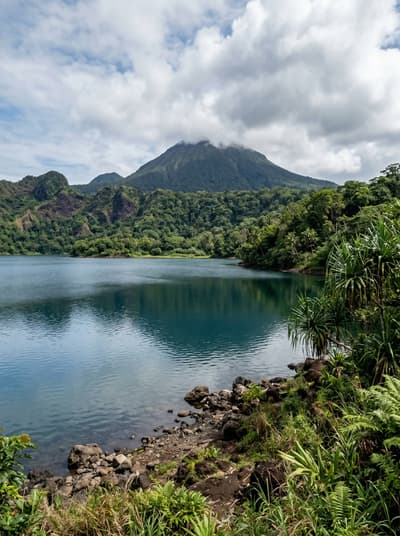
A volcanic lake drains into the ocean via a waterfall that plunges through untouched jungle.
Quebrada de Humahuaca
Argentina
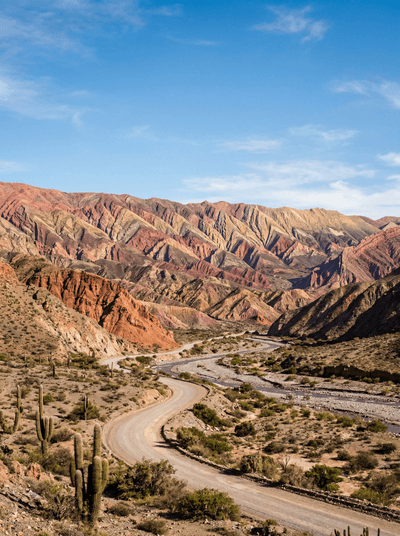
A canyon of fourteen-colour hills where Inca trails thread through villages older than the conquest.
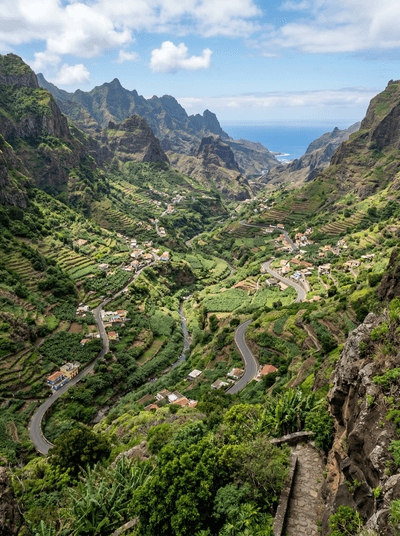
Vale do Paúl
Cape Verde
Sugarcane terraces spill down a volcanic crater into the greenest valley in the archipelago.
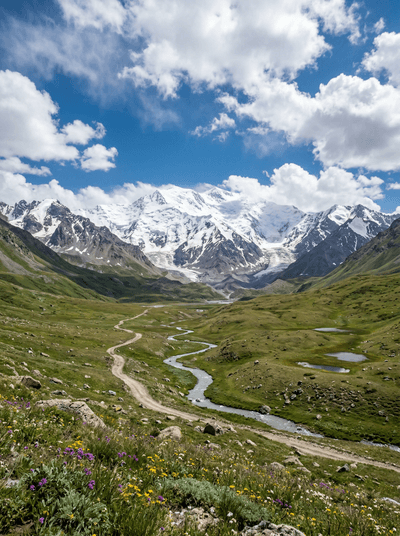
Achik-Tash
Kyrgyzstan
Yurt camps at 3,600 metres beneath a 7,134-metre peak, alpinists and trekkers sharing vodka at sunset.
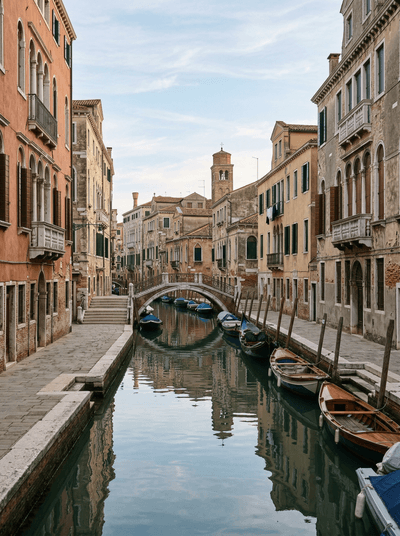
Venice
Italy
Dawn light on a silent canal where only your footsteps echo on wet stone.
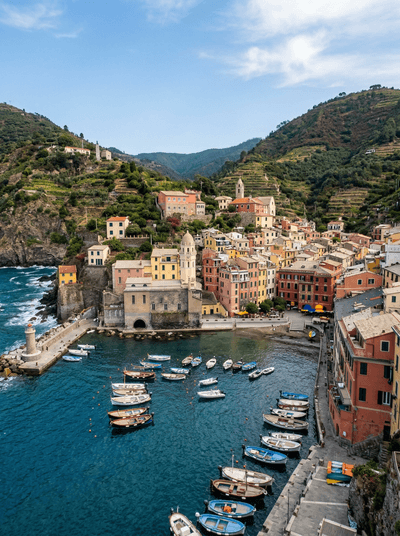
Cinque Terre
Italy
Five villages clamped to sea cliffs, connected by footpaths through terraced vineyards above surf.
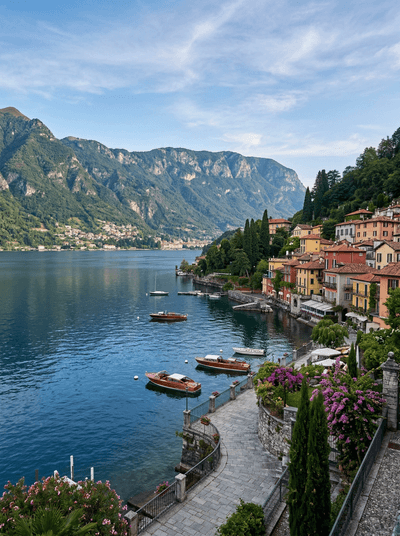
Lake Como
Italy
Cypress-lined shores where water mirrors snow-capped peaks and silk merchants built their palaces.
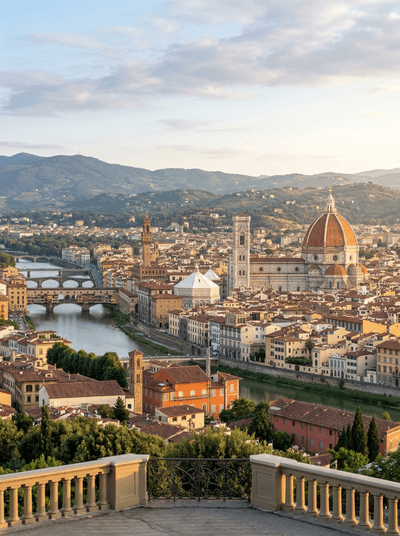
Florence
Italy
Terracotta rooftops from Brunelleschi's dome, the Arno gold at sunset, gelato in every piazza.