Italy
Tivoli
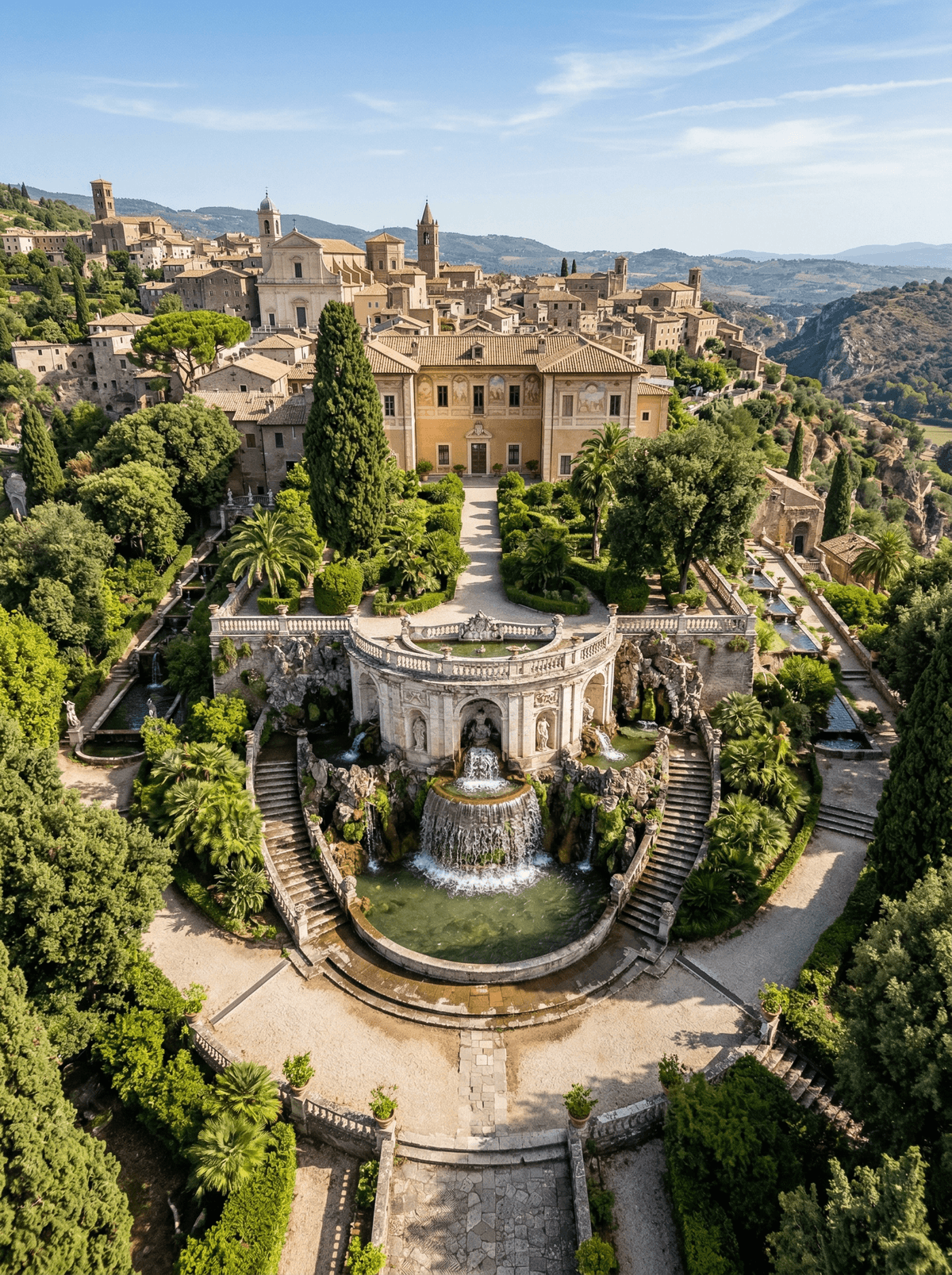
Two millennia of water engineering, from Hadrian's pools to Renaissance fountains powered by gravity.
Water is everywhere here: channelled through stone, forced skyward by nothing but gravity, pooled in the ruins of an emperor's private world. The sound shifts as you move, from the thunder of the Oval Fountain to the hiss of the Hundred Fountains to the still mirror of Hadrian's canal.
Tivoli holds two UNESCO World Heritage sites a short ride apart. Villa Adriana, Emperor Hadrian's second-century retreat, quotes the empire back to itself with an Egyptian canal, Greek theatres and Roman baths. Villa d'Este, finished for Cardinal Ippolito d'Este in the 1570s, drives hundreds of jets and a self-playing water organ from the Aniene, diverted into the hillside above its terraces. Fourteen centuries separate the two obsessions with water; thirty kilometres separate both from Rome, and most visitors to the capital never come.
Solo
Villa Adriana is vast enough to lose a day in; the scale of one man's ambition lands hardest walked alone.
Couple
Walk the Hundred Fountains in drifting mist, then let the afternoon dissolve at a garden trattoria.
Family
Fountains that play music and five hundred jets firing at once beat any screen, and Hadrian's ruins are a natural playground.
- Villa Adriana spreads across some 120 hectares, the largest villa ever owned by a Roman emperor.
- Villa d'Este's Fountain of the Organ plays music on flowing water through a complex hydraulic system.
- Villa d'Este was inscribed by UNESCO in 2001, a few kilometres from Hadrian's own villa.
- Hadrian's Canopus canal quotes Egypt in marble, colonnade reflected in still water.
Tivoli's pizzutello, an elongated sweet grape, appears on stalls when the September harvest lands.
Abbacchio, Lazio's milk-fed roast lamb with potatoes, anchors a proper Sunday lunch here.
Campeche
Mexico
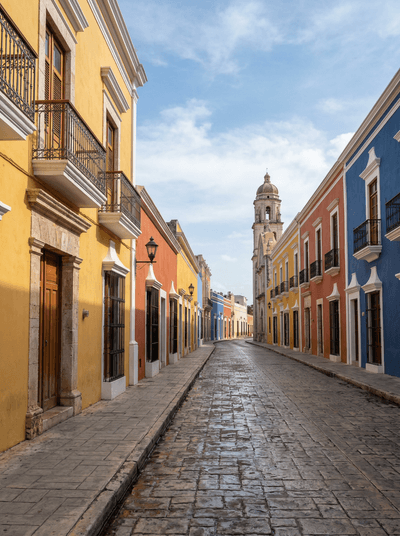
Pastel streets and surviving bastions face the Gulf from a fortified historic centre.
Mérida
Mexico
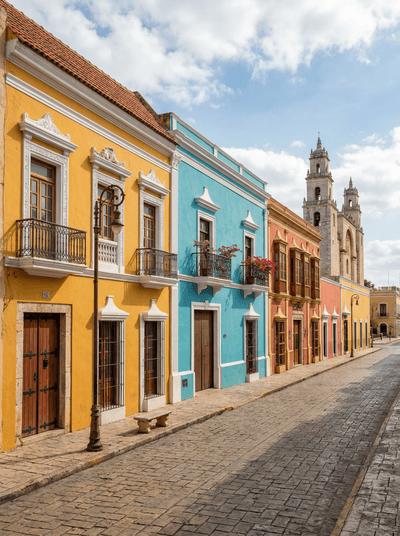
A white-walled city where henequen mansions age gracefully and Sunday streets fill with dancing.
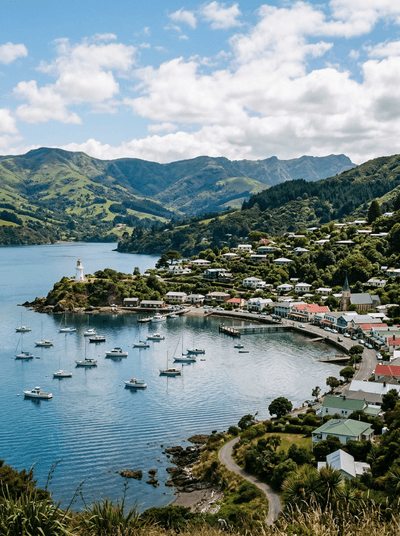
Akaroa
New Zealand
French street names and a crater harbour where the world's smallest dolphins feed.
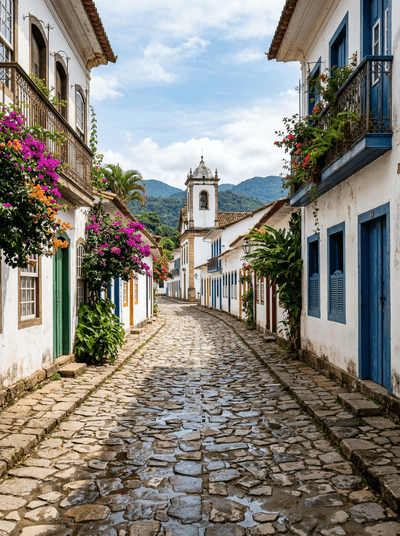
Paraty
Brazil
A colonial port the sea washes through on spring tides, with rainforest at its back.
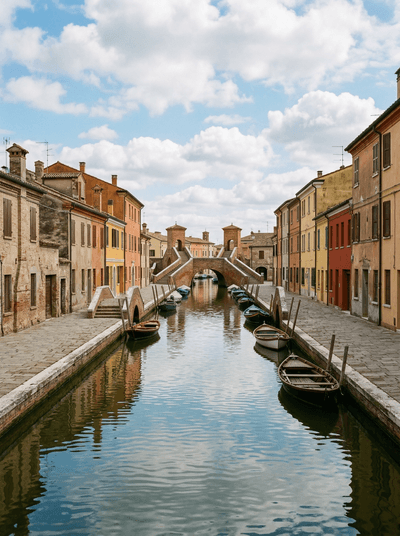
Comacchio
Italy
Canals thread a brick lagoon town whose fortunes have always swum in on the eels.
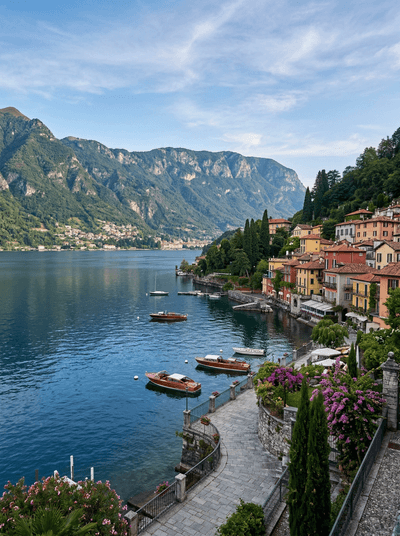
Lake Como
Italy
Cypress-lined shores where the water mirrors snow peaks and cardinals built their pleasure palaces.
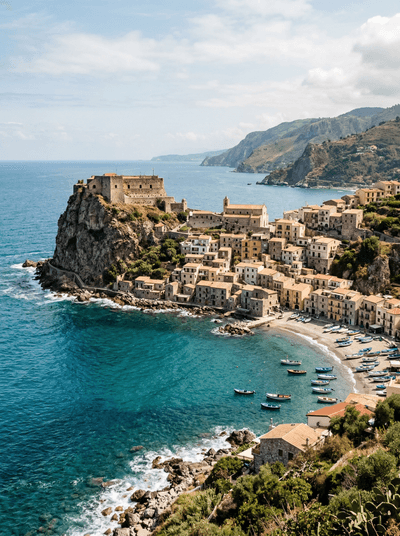
Scilla
Italy
Homer's sea monster laired here, now swordfish boats patrol the Strait of Messina at dawn.
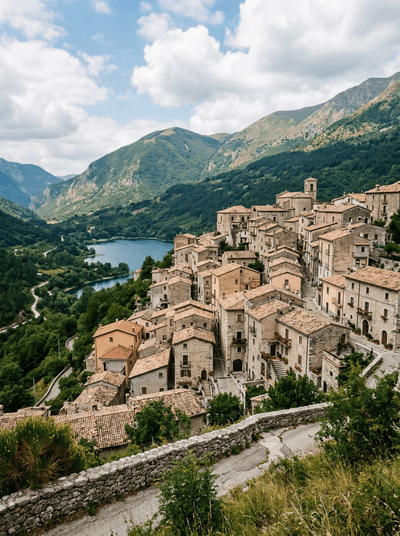
Scanno
Italy
A mountain village above a heart-shaped lake, where women still wear traditional dress on feast days.