Gambia
Tumani Tenda
A Jola village that owns its own tourism: every hut built and named by a family.
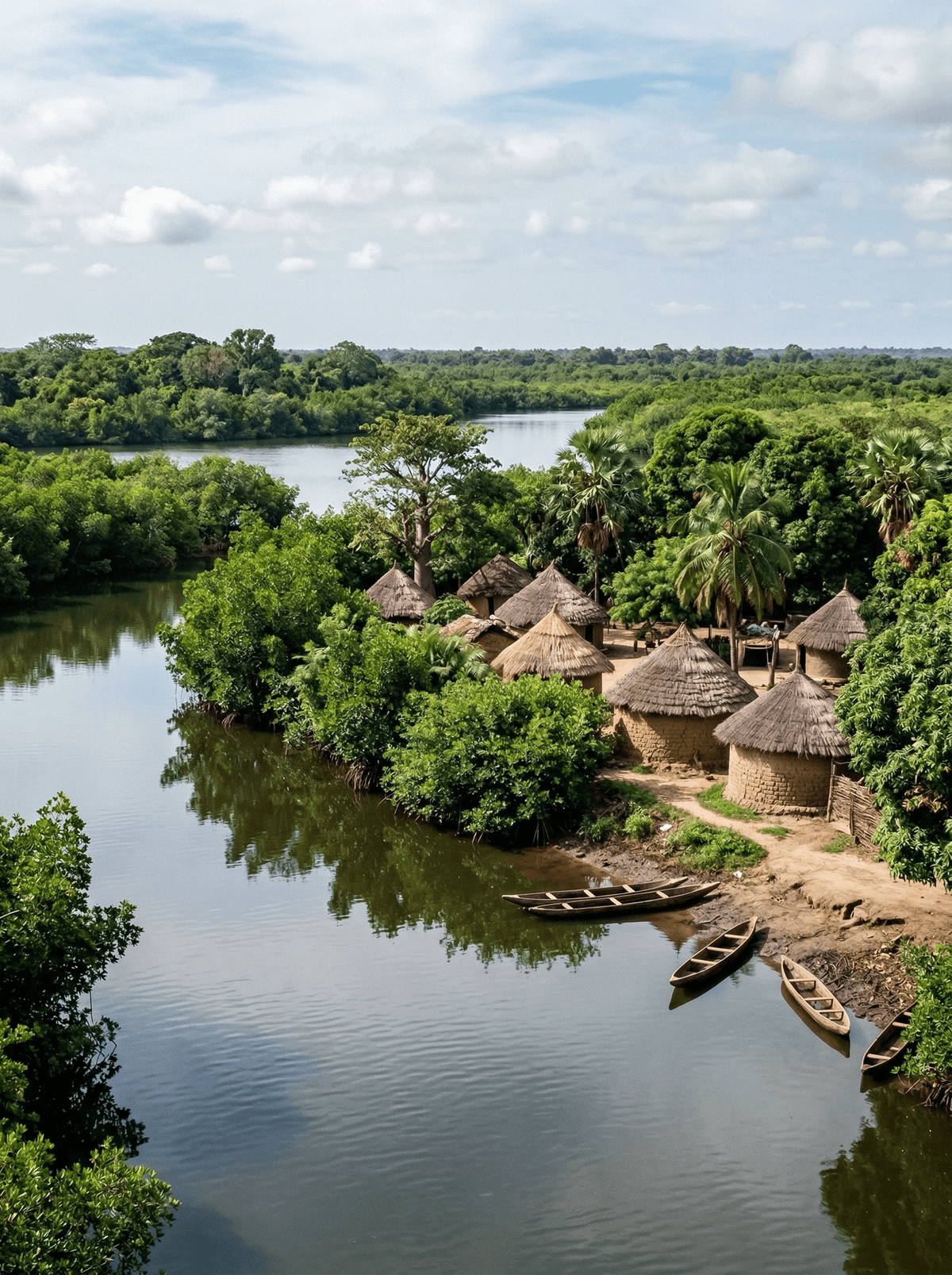
The guest huts stand under shade trees on the riverbank, each one raised by a different village family and carrying that family's name: Jarju Kunda, Sonko Kunda. Half a kilometre away, the Jola village that owns them all goes about its morning.
Tumani Tenda is a young village by Gambian standards, founded in the twentieth century by a Koran scholar from Casamance, and its families still work 140 hectares of communal land, 89 of them a community forest kept deliberately as pharmacy and water store. In 1999 the village opened its own camp on a saltwater arm of the Gambia, and in 2000 the model won the international TO DO award for socially responsible tourism; camp income runs through the village treasury into schooling and a development fund. Days here are participatory: walks among medicinal trees, dugouts on the bolong, batik and soap-making, salt boiled from the river, oyster gathering with the women in the mangroves. Evenings bring Jola songs or fireside stories when the village is in the mood, not on a schedule. Book ahead and let the hosts set the pace; what you are visiting is a village working, with you folded in.
Couple
Take a dugout onto the bolong, learn batik badly together, and let the evening become whatever the village makes it. This is connection travel rather than seclusion travel.
Family
Children slot straight into a working village: salt pans, oyster baskets, gardens to follow. The hosts decide what is open to visitors, and that structure makes the stay easy.
Friends
A small group can spread across the family-built huts and share hosted days without swamping the place. Keep numbers modest; the village is the host, not the backdrop.
- The camp is village property, with each guest hut designed and built by one extended family and named after it.
- Camp income flows through the community treasury into schooling and a village development fund, a model that won the international TO DO award for socially responsible tourism in 2000.
- Hosted days draw on village skills: medicinal forest walks, batik, soap-making, salt boiling, dugout trips and oyster gathering in the mangroves.
- The village farms 140 hectares of communal land and keeps 89 of them as community forest, used as a living pharmacy.
The half-open restaurant wraps around a baobab tree, and the plates are village-grown: fish with lime, chicken in peanut sauce, mangrove oysters in season.
Cooking lessons with the village women run from garden to pot, and the recipe you take home is Jola.
Litchfield National Park
Australia
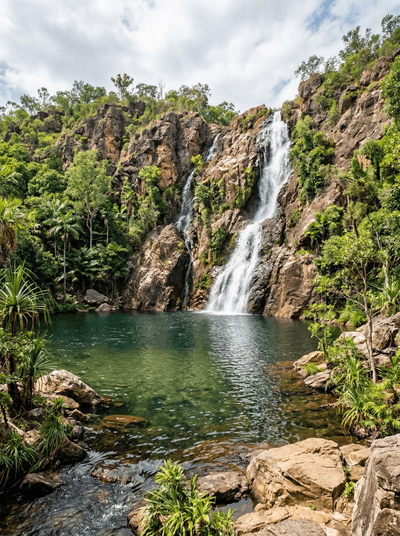
Termite mounds stand edge-on to the sun beside waterfalls that decide when swimming is safe.
Parque Nacional Huerquehue
Chile
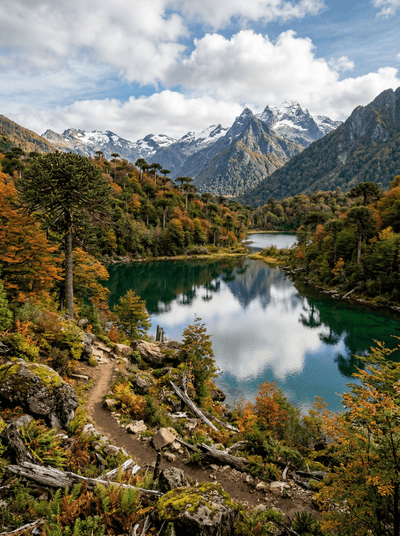
Jade lakes appear one after another along trails beneath ancient araucaria crowns.
Parque Nacional Conguillío
Chile
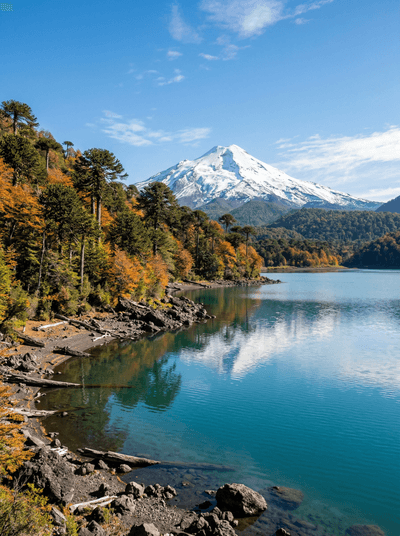
Araucaria crowns stand over black lava and clear lakes beneath Volcán Llaima.
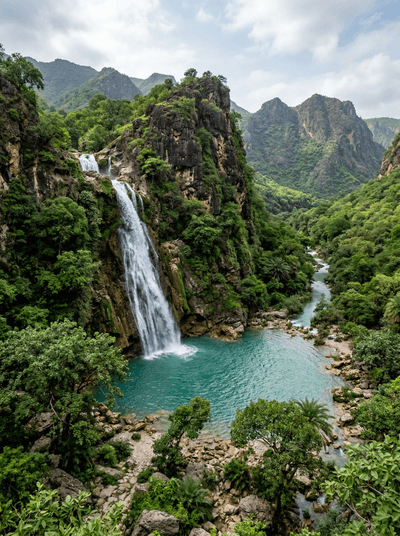
Wadi Darbat
Oman
From late June the waterfall comes over the escarpment and camels graze between the pools.
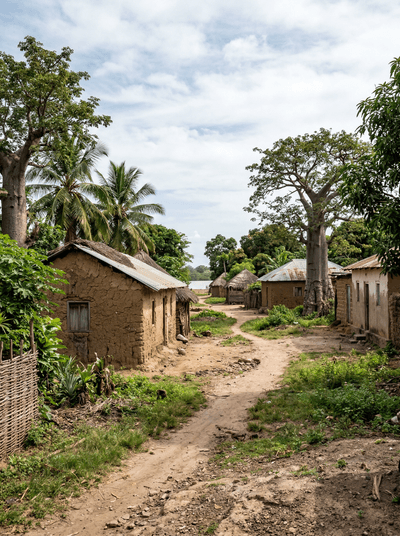
Juffureh
Gambia
A Kinte griot still recites the family line that pulled a diaspora back upriver.
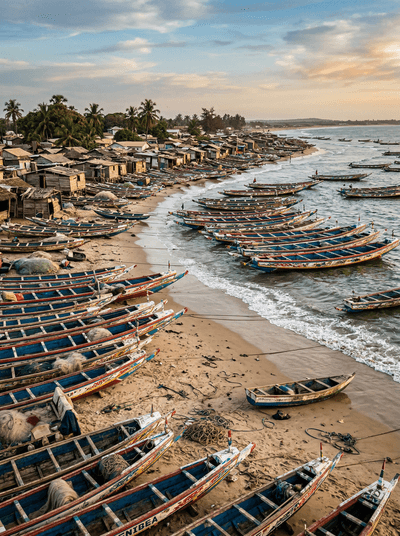
Tanji Fishing Village
Gambia
The beach erupts each afternoon: pirogues through surf, silver bonga by the basket, woodsmoke everywhere.
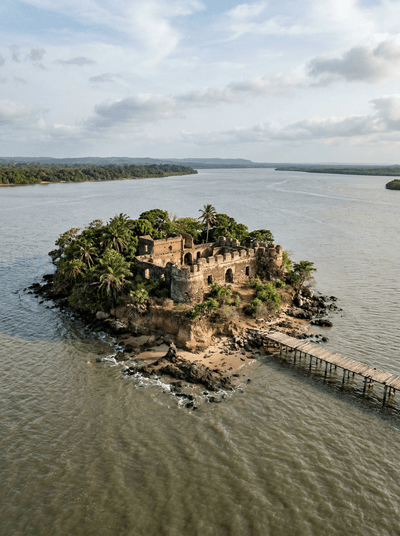
Kunta Kinteh Island
Gambia
The last piece of Africa many captives ever saw, and the river is taking it back.