United States
Utqiaġvik
Midnight sun refusing to set for eighty days straight in a town where whales surface offshore.
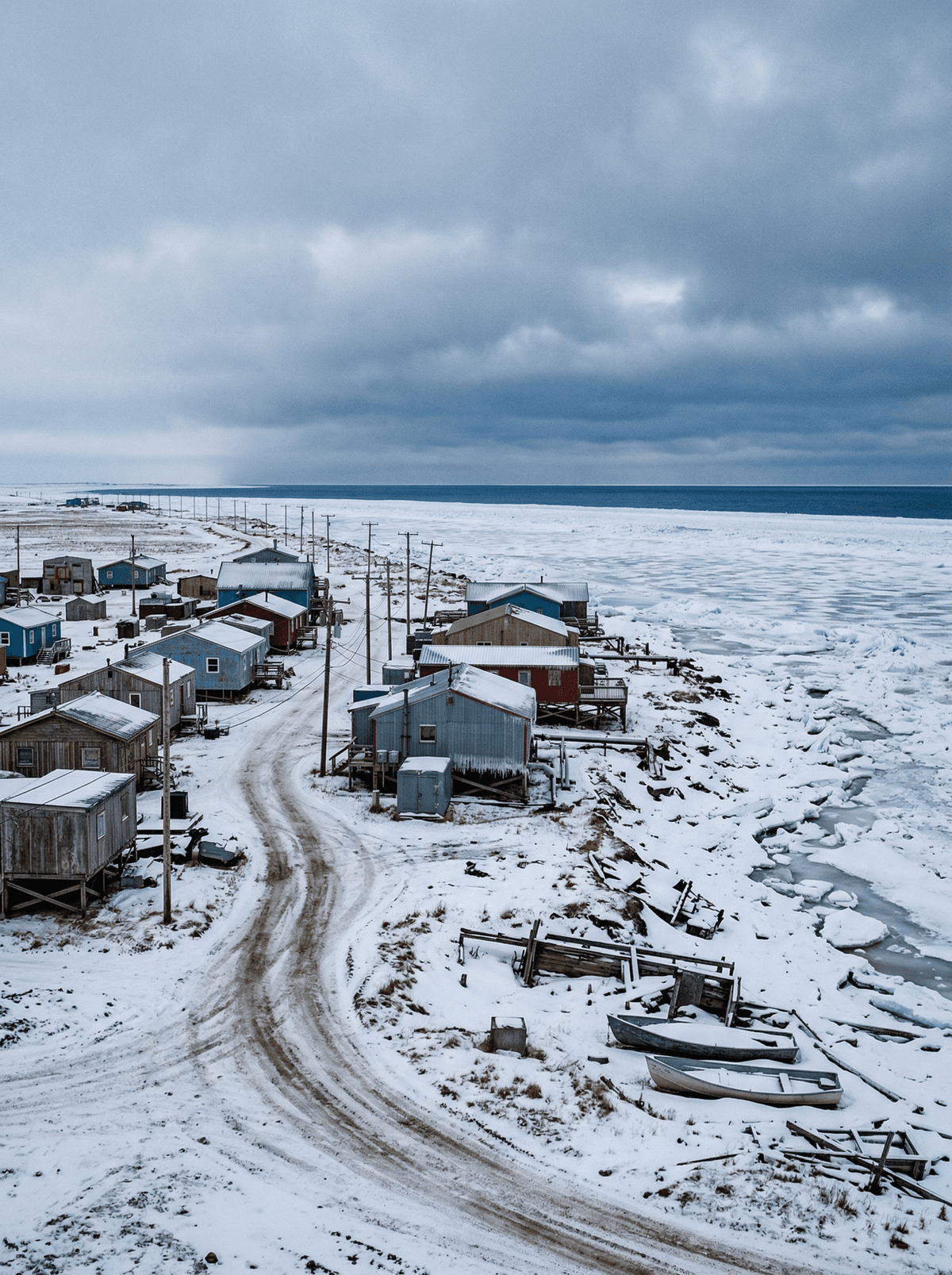
At two in the morning the sun hangs over the Arctic Ocean as if it forgot to set, and it will not, for weeks yet. The wind off the Chukchi Sea smells of salt and ice even in July, and America's northernmost town runs on rules the rest of the country has never heard of.
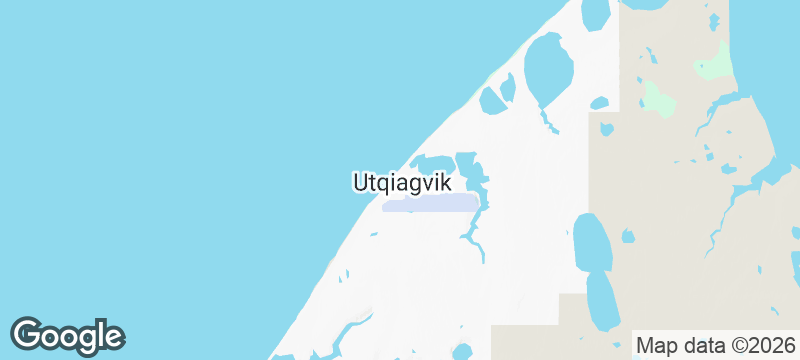
Utqiaġvik, long known as Barrow, sits at 71 degrees north on the Arctic coast, where the sun stays above the horizon for roughly eighty days from mid-May, circling the sky in a slow gold loop. This is the heartland of Iñupiat whaling culture: bowhead subsistence hunting has sustained the community for millennia, and each June, when a season has been successful, the town gathers for Nalukataq to give thanks and share the harvest. A single whale yields thousands of pounds of meat and muktuk, enough to help feed the whole town, and the festival's blanket toss launches dancers skyward from a ring of stitched seal skins, a hunting lookout trick turned test of nerve. No road connects Utqiaġvik to anywhere; you fly in over tundra that runs unbroken to the pole.
Solo
Fly to the top of the American map, walk a beach where bowheads pass offshore and, if invited in June, witness Nalukataq as a respectful guest at a celebration that is genuinely not staged for you.
- The sun stays up for roughly eighty consecutive days from mid-May, circling the horizon without ever touching it.
- Nalukataq, the June whaling festival, shares out a harvest in which one whale can help feed the entire town.
- The blanket toss throws dancers high from a ring of seal skins, a hunting lookout technique turned celebration.
- There are no roads to anywhere else; the town is reached only by air across unbroken tundra.
Muktuk and whale meat shared out at June's Nalukataq festival, where one harvest helps feed the whole town and respectful guests are welcomed.
Everything else flies in, which is why a slice of pizza costs what it costs at the top of the world.
Canudos
Brazil
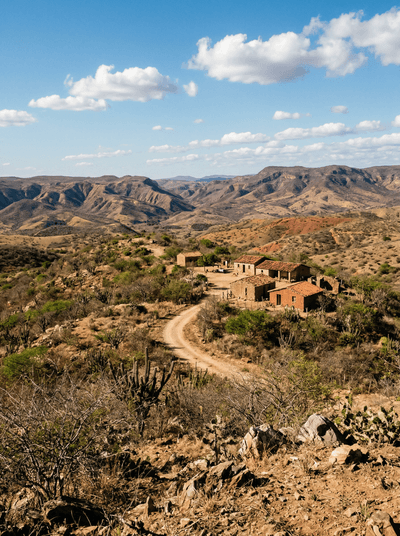
Canudos fell with four left in a trench: two men, an old man, a boy.
Calanchi di Aliano
Italy
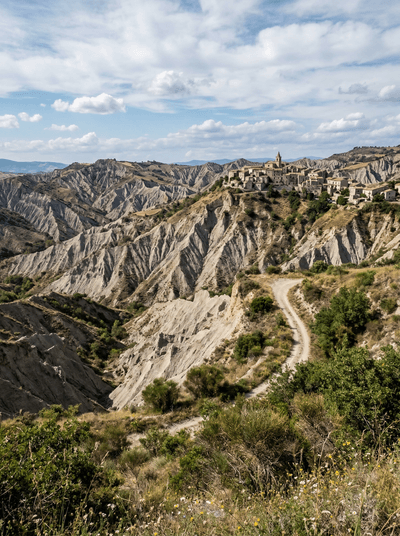
Grey clay badlands stretching to the horizon, the exile landscape of Christ Stopped at Eboli.
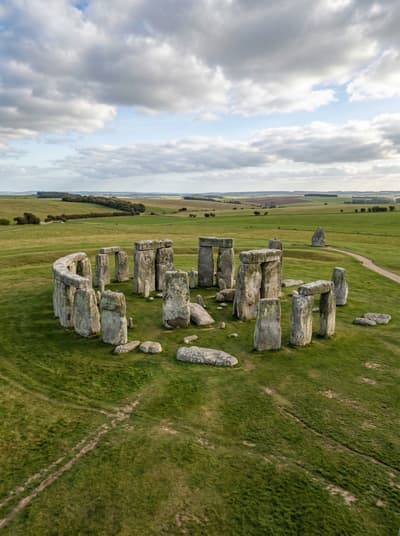
Stonehenge
England
Bluestones hauled a hundred and fifty miles to stand in a circle nobody can fully explain.
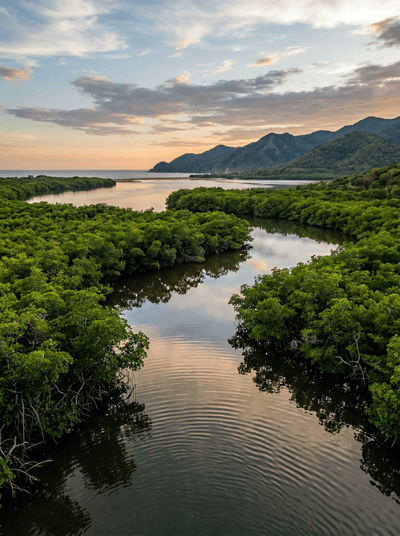
Chacahua Lagoon
Mexico
Mangrove channels lead towards lagoon villages, dunes and Oaxaca's open Pacific.
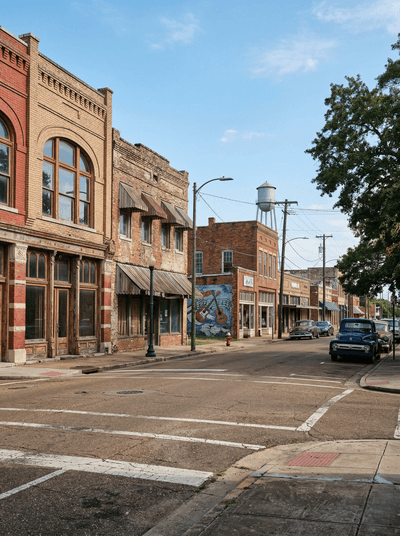
Clarksdale
United States
Robert Johnson's crossroads, the Delta town where the blues still bleeds from every juke joint.
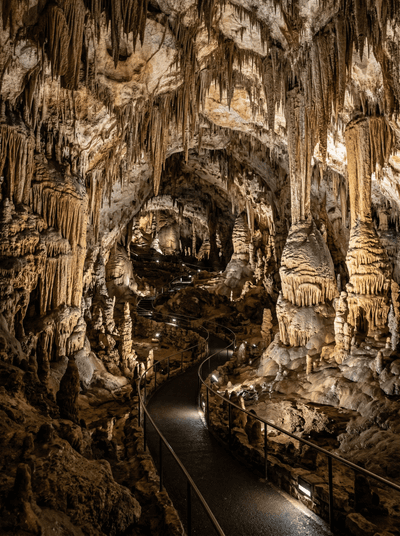
Carlsbad Caverns
United States
At dusk, hundreds of thousands of bats spiral upward from a hole in the desert floor.
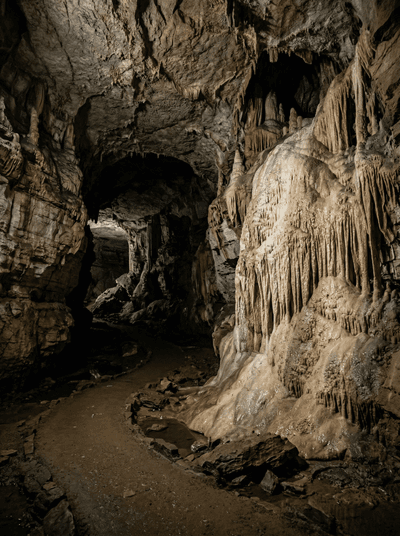
Mammoth Cave
United States
Echoing darkness stretching four hundred miles beneath Kentucky, the longest cave system on Earth.
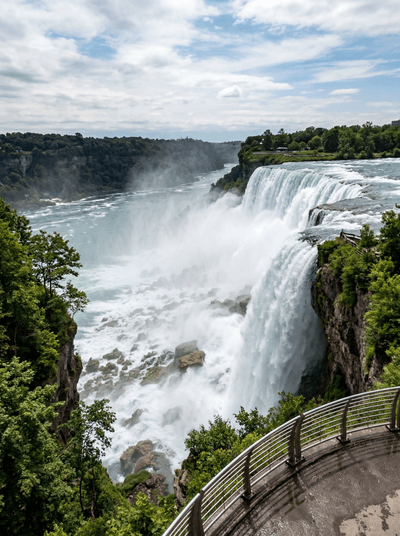
Niagara Falls
United States
In summer, six million cubic feet of water a minute plunge into mist felt streets away.