
England
Stonehenge
Bluestones hauled a hundred and fifty miles to stand in a circle nobody can fully explain.
Sarsen stones dragged from the Marlborough Downs and bluestones carried a hundred and fifty miles from Wales stand in a circle on Salisbury Plain that has defied five thousand years of weather and every attempt at explanation. Stonehenge is the most recognisable prehistoric monument on Earth — and the least resolved.
The monument rose in stages between roughly 3000 and 2000 BC, its heaviest sarsens — up to twenty-five tonnes each — erected around 2500 BC, while the bluestones came from the Preseli Hills of Pembrokeshire by means still argued over. The summer solstice sunrise aligns through the Heel Stone with an exactness that reads as five millennia of astronomical engineering, and the wider UNESCO landscape it anchors — shared with Avebury — is studded with hundreds of burial mounds visible as shadows in the grass: an entire ceremonial complex, not just a circle. Daytime visits keep to the path on timed entry, but special access inside the stones is bookable at dawn and dusk, and the visitor centre's reconstructed Neolithic houses set the scene with finds from Durrington Walls, the builders' settlement two miles away.
Solo
Walk the landscape beyond the stones — the Avenue, the cursus, the barrow cemetery on the ridge — and see the whole Plain as the monument.
Couple
Book the dawn access: standing inside the circle as the sun rises over the Heel Stone, ropes and distance gone, rewrites the postcard version of this place.
Family
The reconstructed Neolithic houses give children context before the stones, and the walk across the plain builds an anticipation the monument fulfils.
- Nobody is certain how the bluestones crossed 150 miles from Wales — or why.
- The solstice sun still rises exactly through the Heel Stone's frame.
- Burial mounds shadow the grass for miles — a ceremonial world, not one circle.
- Dawn and dusk sessions put you inside the stones without the barriers.
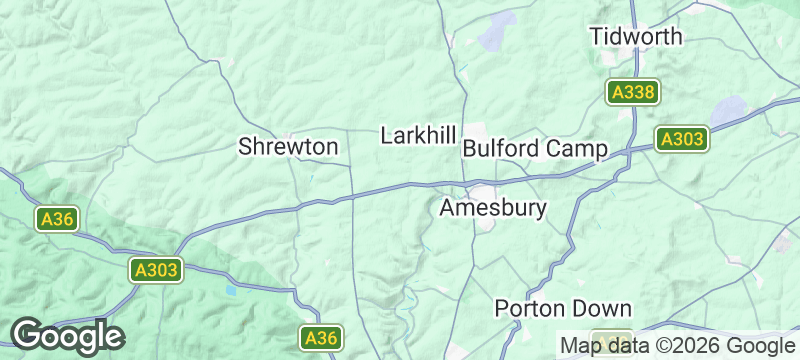
Afternoon tea in Amesbury, the town that has serviced pilgrims for millennia.
Wiltshire ham and local cheese from the visitor centre café.
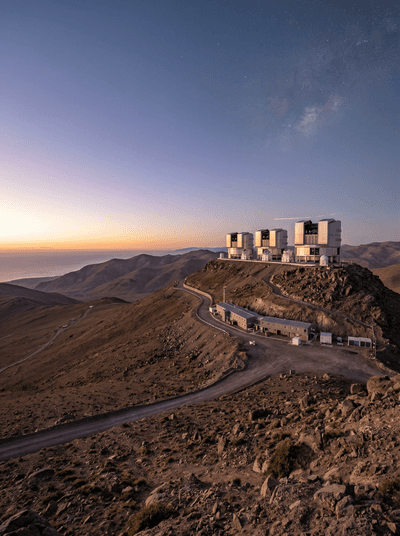
Observatorio Paranal
Chile
Four silver domes crown a levelled mountain summit in the driest desert on Earth.
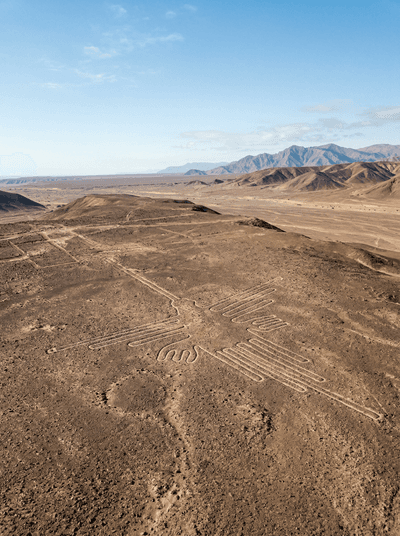
Nazca
Peru
Ancient figures etched so large across the desert they resolve only from above.
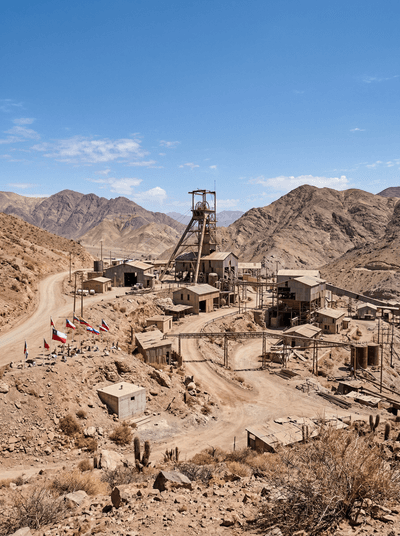
Mina San José
Chile
The story of thirty-three rescued miners is told where the Atacama held them underground.
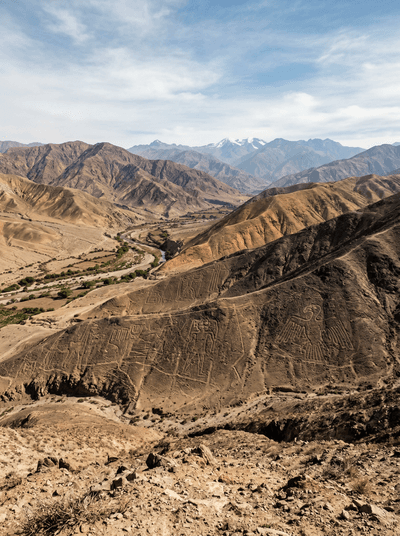
Palpa
Peru
Hillside geoglyphs with human faces, in a valley the tour planes ignore.
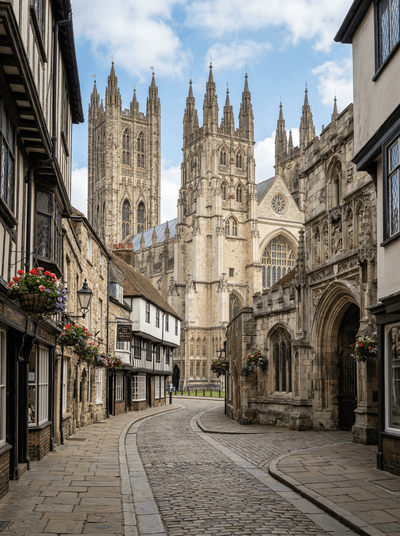
Canterbury
England
Pilgrim stones worn smooth by eight centuries of kneeling, glowing golden at dusk.
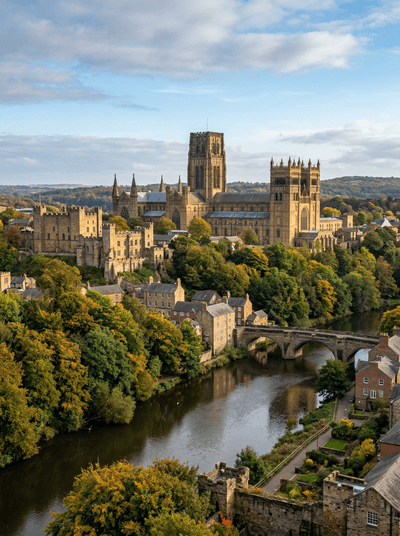
Durham
England
A Norman cathedral and castle perched on a river peninsula like a medieval island.
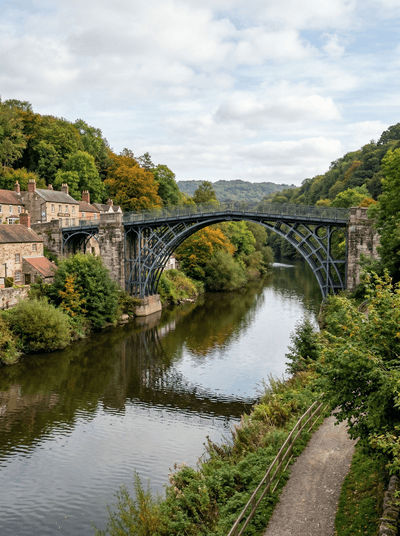
Ironbridge
England
The valley where the Industrial Revolution was born, its iron bridge still spanning the gorge.
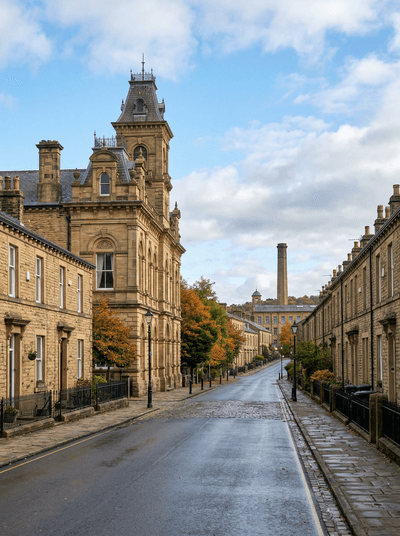
Saltaire
England
A utopian mill town built by one man's conscience, perfectly preserved beside the canal.