Argentina
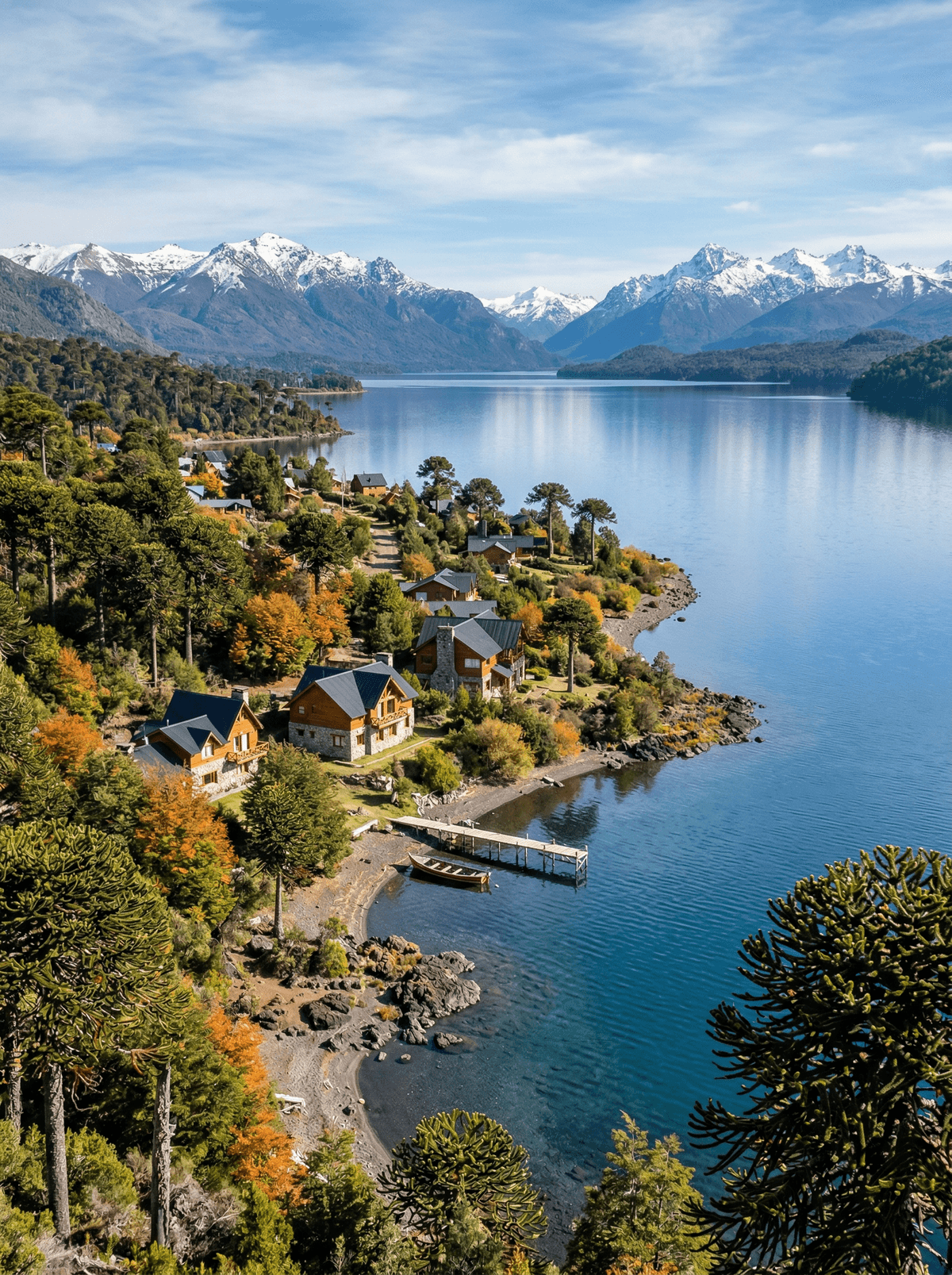
Villa Pehuenia
Monkey puzzle trees cast dinosaur-era silhouettes over twin lakes rimmed in volcanic sand.
Villa Pehuenia sits between two Andean lakes at around 900 metres, under the araucaria — the monkey puzzle tree, a living fossil whose lineage fed the long-necked dinosaurs — lining the approach roads and crowding the ridges in prehistoric canopy. The village itself is only decades old and still runs without the infrastructure of the better-known lake towns, a place that knows exactly what it is without needing to explain it. In autumn the heavy cones fall, and the Mapuche communities gather them for piñones.
The village occupies a peninsula between Lago Aluminé and Lago Moquehue, inside as intact an araucaria forest as Argentina retains — mature trees reaching forty metres and ages beyond a thousand years. The Mapuche communities of Pehuenia have harvested piñones across millennia, and the autumn gathering remains both food source and cultural event; community-led outings, beaches and forest routes are arranged with whoever manages each site, never assumed because a track appears on a map. Volcanic-sand shores rim both lakes, kayaks and canoes work the quieter water of a district far less trafficked than the southern lakes, and snow can close the unpaved peninsula road — and that seclusion belongs to the draw.
Couple
Autumn, when the piñones fall and the canopy above the lake turns gold, is the Neuquén Andes' least-expected pleasure — a town walkable in an afternoon that still holds three days of reasons, shaped around one lakeside route at a time.
Family
Children grasp the araucaria's story on contact — these are the trees the dinosaurs ate from — and the Mapuche harvest season adds a living culture to the botanical fact. Gentle beaches work when the cold water is taken seriously.
- The monkey puzzle is a living fossil, its lineage stretching deep past the dinosaurs.
- Mapuche communities gather piñones each autumn, roasted and eaten like chestnuts.
- Twin lakes flank the peninsula, their volcanic-sand shores worked by kayak and canoe.
- The unpaved peninsula road closes in heavy snow — the isolation is part of the draw.
Piñones — the starchy seeds of the araucaria — roasted over coals in the Mapuche tradition.
Trout from Lago Aluminé pan-fried with forest herbs at a lakeside cabaña.
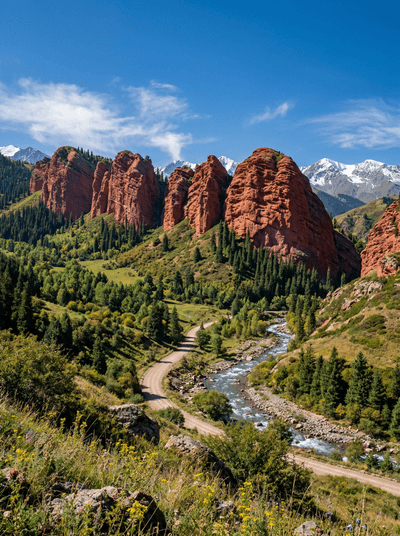
Jeti-Ögüz
Kyrgyzstan
Seven rust-red sandstone bulls rearing from the valley floor, a broken heart cleaved beside them.
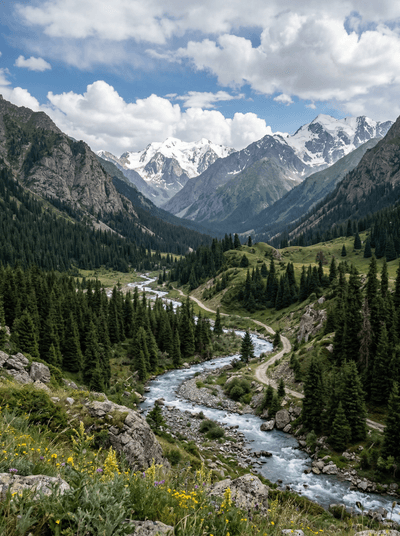
Barskoon Valley
Kyrgyzstan
Waterfalls named Tears of the Snow Leopard, in a gorge that keeps two monuments to Gagarin.
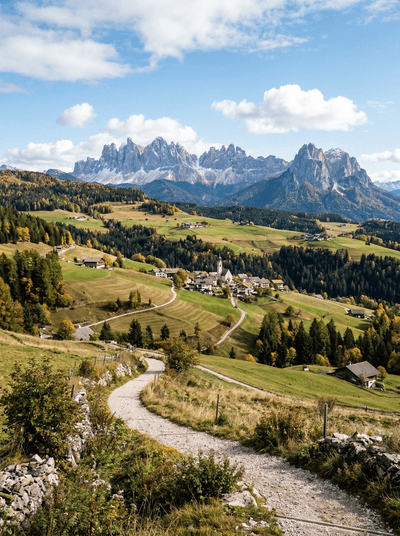
Altopiano del Renon
Italy
Boulder-capped clay towers spike out of the pines, the tallest earth pyramids in Europe.
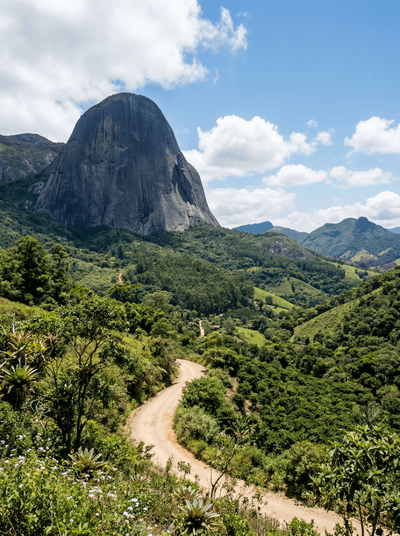
Pedra Azul
Brazil
A granite monolith blue with lichen, erupting from Atlantic Forest like a wave.
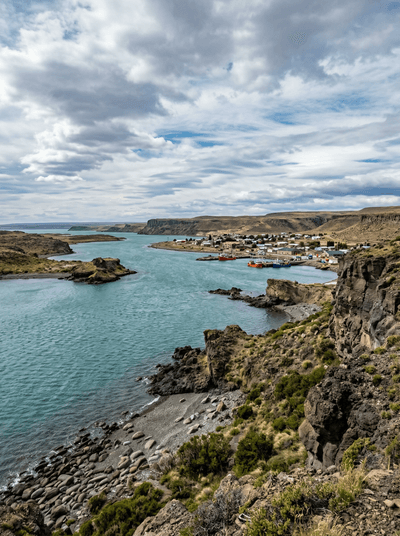
Puerto Deseado
Argentina
Tiny black-and-white dolphins spin through a flooded river canyon meeting the open sea.
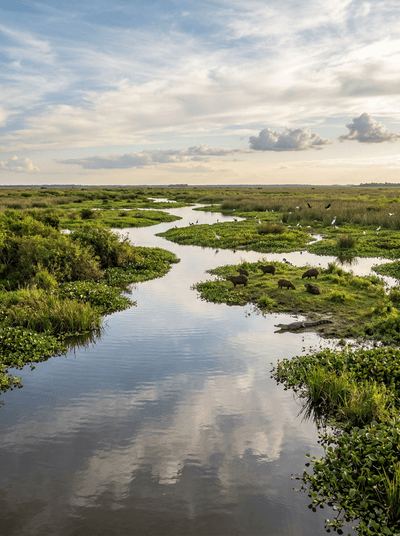
Esteros del Iberá
Argentina
Caiman drift among giant lily pads in a marsh where time itself pools and stills.
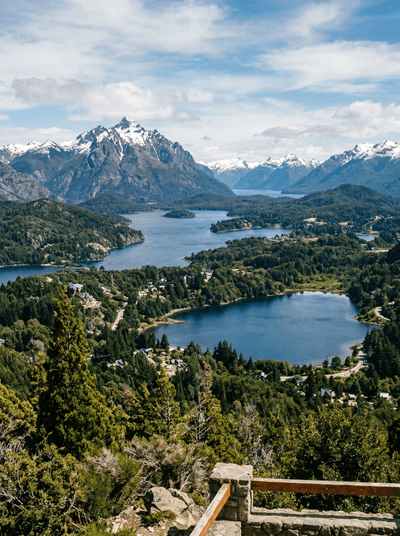
Bariloche
Argentina
Chocolate-scented streets beside a glacial lake so clear you count pebbles metres down.
Península Valdés
Argentina
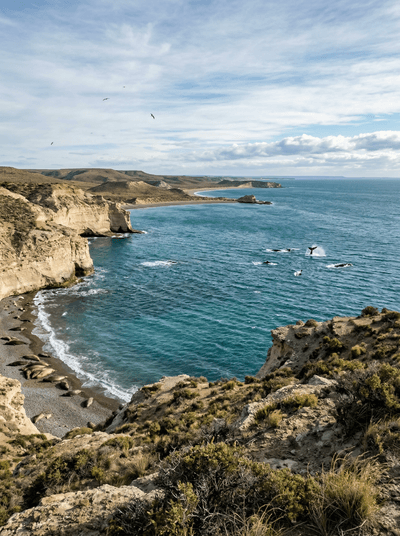
Right whales breach in sheltered gulfs where orcas hunt sea lions in the surf.