Argentina
Ischigualasto
A moonscape where the dinosaur age begins — bones in grey clay, stone spheres underfoot.
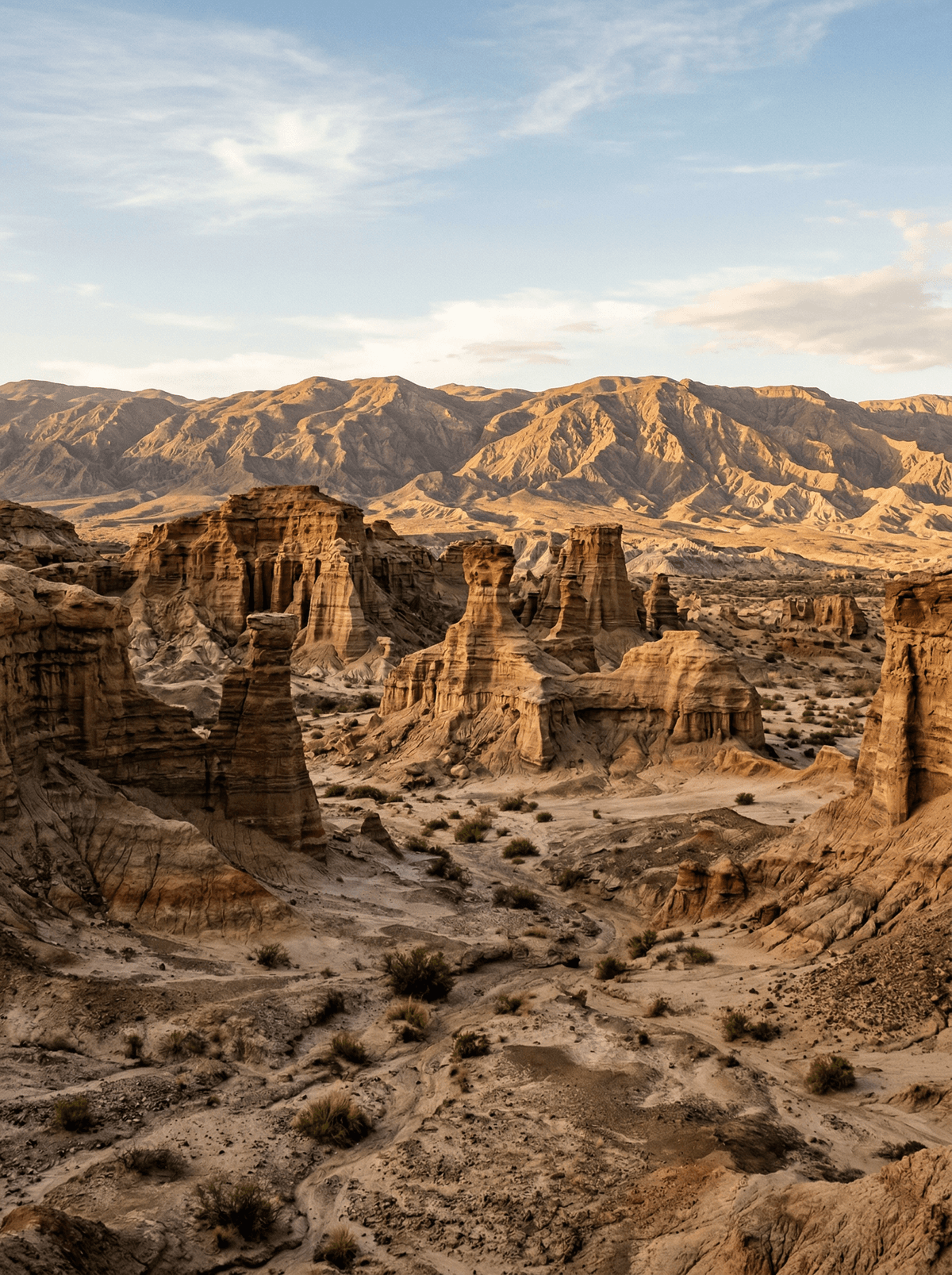
Ischigualasto holds a Triassic sequence so complete that palaeontologists call it a cradle of the dinosaurs — Eoraptor, among the earliest dinosaurs known anywhere, came out of this grey clay. The badlands of the Valle de la Luna run to every horizon with almost nothing growing, wind-carved clay mushrooms balance on their stems, and perfectly round stone bochas sit where erosion frees them. The landscape looks geologically fresh; it is some 230 million years old.
Jointly UNESCO-listed with Talampaya across the provincial line, Ischigualasto ranks with the greatest Triassic fossil grounds anywhere — Eoraptor and Herrerasaurus among the earliest known dinosaurs, and dozens of species known nowhere else, in a continuous window onto life's rebuild after the planet's worst extinction. The visit runs as a guided vehicle caravan: rangers lead the traditional circuit through the badland stations over about three hours, with walks and cycling under their own arrangements, and the formations and fossil ground stay within qualified-guide programmes. When the moon and conditions allow, night circuits run under full moon — grey clay turned silver, shadows filling the hollows, the moonscape finally earning its name. Eat before departure and carry water; the timed route is self-contained once it rolls.
Solo
The full-moon circuit — badlands silver, clay balls casting circular shadows, silence except wind — is the kind of night solo travellers remember as the reason they travel alone.
Couple
Two days pairing Ischigualasto's grey badlands with Talampaya's red canyon covers a quarter of a billion years across visually opposite landscapes, with the Valle Fértil village between them as the overnight.
Family
This is the dinosaur park where the dinosaurs were actually found — the real excavation ground explained by a ranger in the field, a specificity no museum can replicate.
Friends
The moonlit convoy is the trip a group either collectively plans around or never does — lunar badlands, deep time explained on site, and not a trace of commercialism.
- The grey valley yields Triassic dinosaurs and reptiles at world-reference density.
- Clay mushrooms and stone spheres form as caps of harder rock outlast the ground beneath.
- Ranger-led caravans run the circuit by day, and under full moon when conditions allow.
- Jointly UNESCO-listed with Talampaya, the parks span a continuous Triassic timeline.
Empanadas sanjuaninas from San Agustín del Valle Fértil, the gateway town.
Goat cheese and dried fruit packed for the desert circuit — water in the vehicle, always.
Saleaula Lava Fields
Samoa
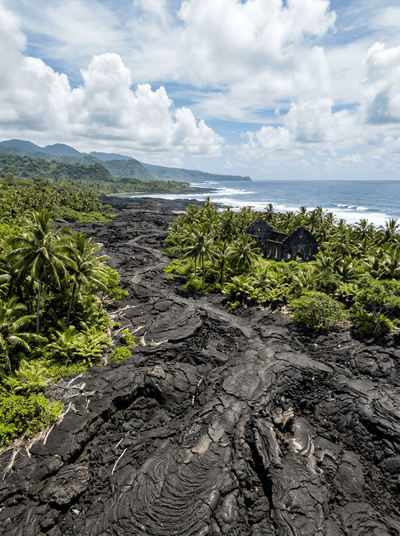
The lava filled a church to its windows yet parted around a single grave.
Wassu Stone Circles
Gambia
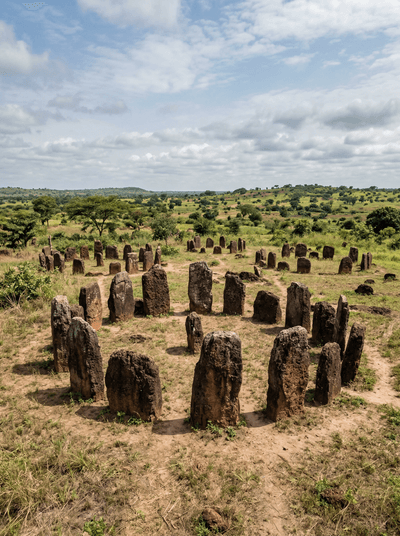
Eleven rings of rust-red pillars guard ancient graves; visitors still add pebbles for luck.
Agiofarango Gorge
Greece
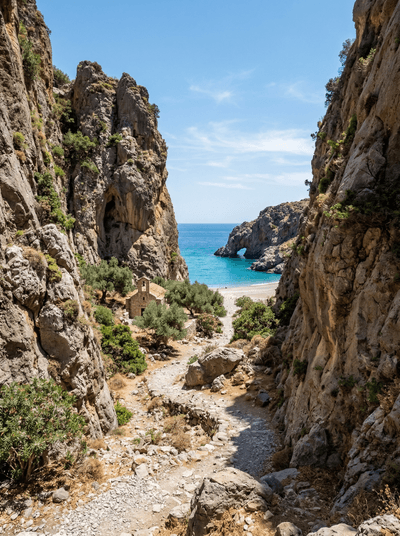
Three hundred hermits once lived this gorge — a cave chapel and the Libyan Sea remain.
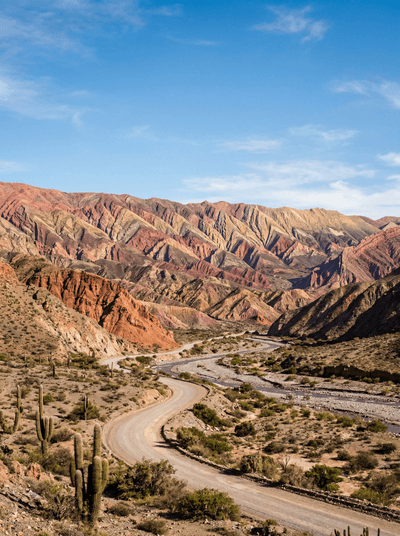
Quebrada de Humahuaca
Argentina
A canyon of painted strata where Andean trade routes thread villages older than the conquest.
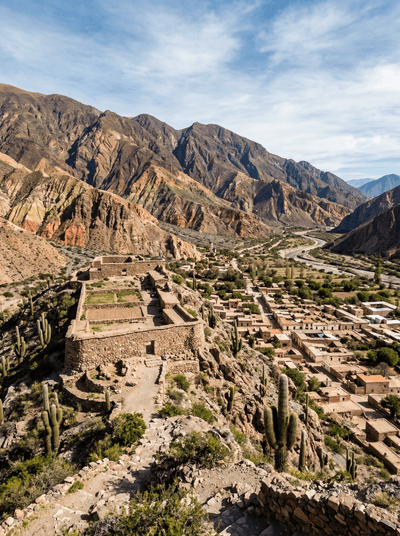
Tilcara
Argentina
A pre-Inca fortress above a rainbow canyon where carnival explodes into devil masks.

Buenos Aires
Argentina
Tango echoes through faded ballrooms where strangers dance until the city wakes.
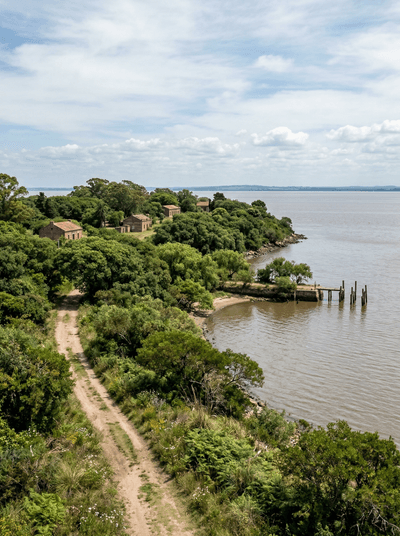
Isla Martín García
Argentina
Four Argentine presidents were imprisoned on this river island near Buenos Aires.