Thailand
Wiang Kum Kam
A lost Lanna capital buried by a river, pushing back up through village gardens.
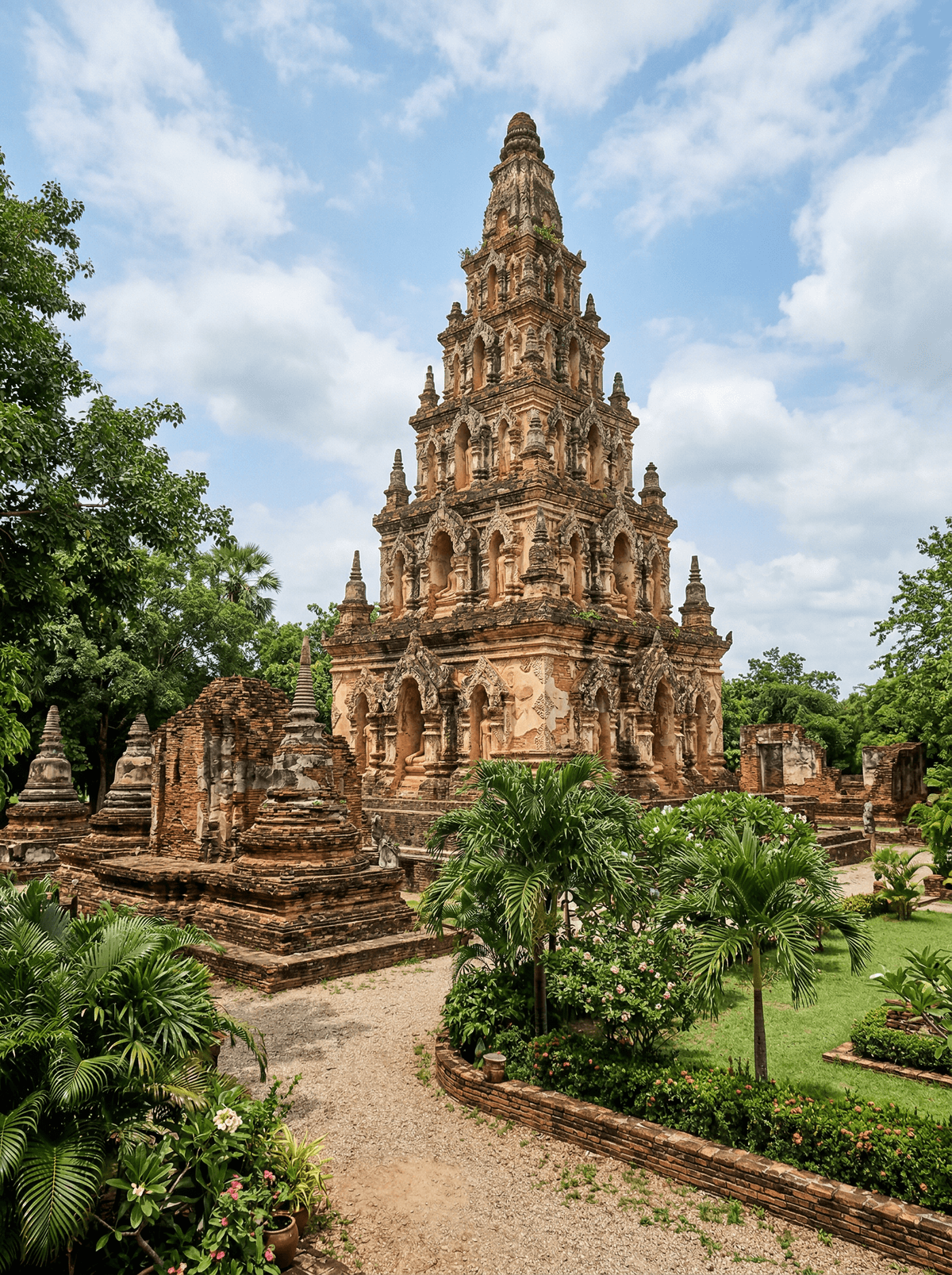
The temple walls emerge from the earth at odd angles — brick foundations rising through modern gardens and rice paddies like something the ground is slowly pushing back to the surface. Wiang Kum Kam was a capital city until the Ping River buried it in flood sediment, and it stayed hidden for centuries. Now, in a suburb of Chiang Mai, it is gradually reappearing.
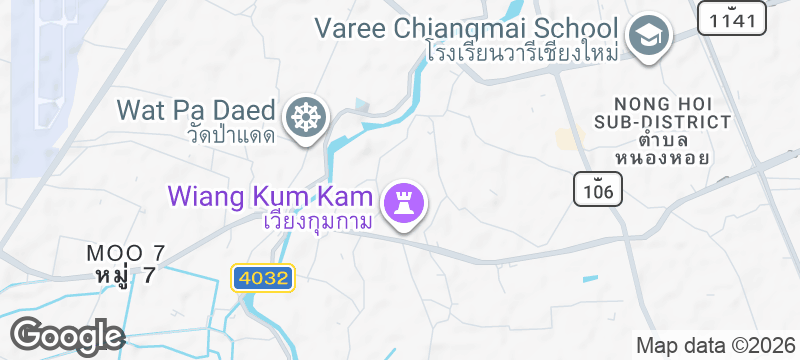
Wiang Kum Kam was founded around 1286 by King Mangrai as the Lanna Kingdom's first seat of power — a decade before he abandoned it for the better-drained site that became Chiang Mai. Repeated Ping River floods eventually buried the city under metres of alluvial sediment, and it lay forgotten until 1984, when irrigation work struck ancient brickwork. More than twenty temple ruins have since been excavated, many directly beneath or beside modern village buildings — 13th-century Lanna foundations surfacing in someone's backyard. The digs scatter through a quiet residential area south of the old city, threaded by lanes flat enough to explore temple by temple at bicycle pace.
Solo
The collision of ancient capital and modern village rewards slow, curious exploration — walking between half-excavated sites feels like private discovery.
Couple
Wandering a buried medieval capital between village gardens, temple by temple, is an unexpectedly romantic half-day from Chiang Mai.
- King Mangrai founded the city around 1286 as the Lanna capital, a decade before Chiang Mai replaced it.
- Ping River floods buried it under metres of sediment — irrigation diggers found it again in 1984.
- More than twenty temple ruins have been excavated, some emerging from beneath modern homes.
- The Ping River that buried the capital still slides past the ruins it made.
Khanom jeen nam ngiao — rice noodles under a tomato-rich northern broth, Chiang Mai's morning classic.
Nam prik num with steamed greens — the roasted green-chilli relish of the Lanna table.
Suva
Fiji
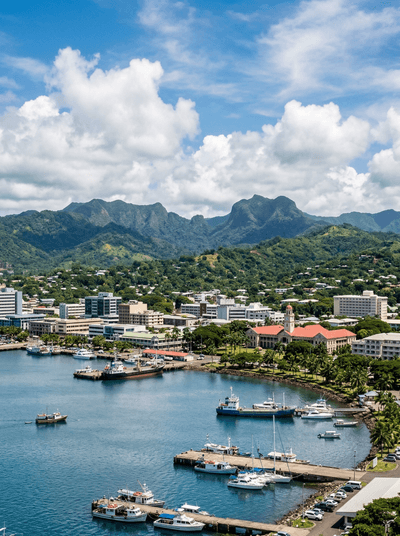
South Pacific hustle where Hindu temples share streets with Fijian markets and colonial verandahs.
Levuka
Fiji
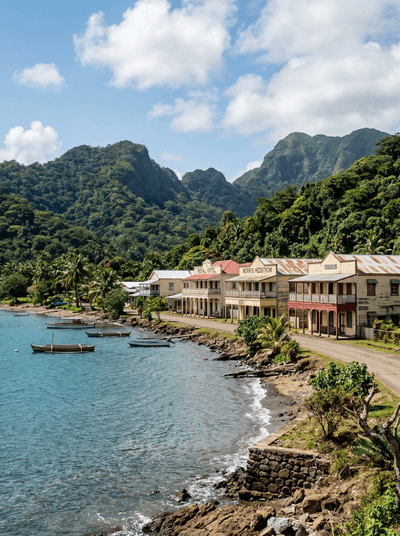
Fiji's first colonial capital frozen in the 1870s, wooden shopfronts sagging under tropical rain.
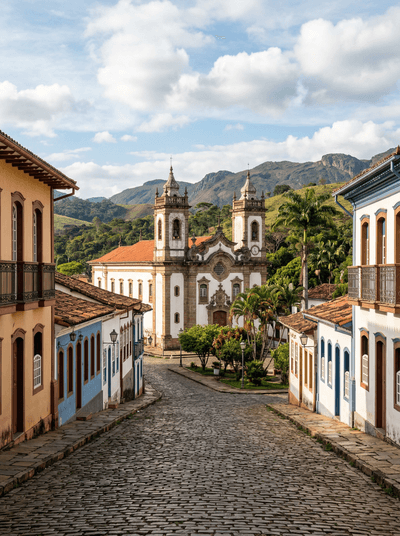
São João del-Rei
Brazil
Baroque towers answering each other across a valley, ringing the sex of whoever has just died.
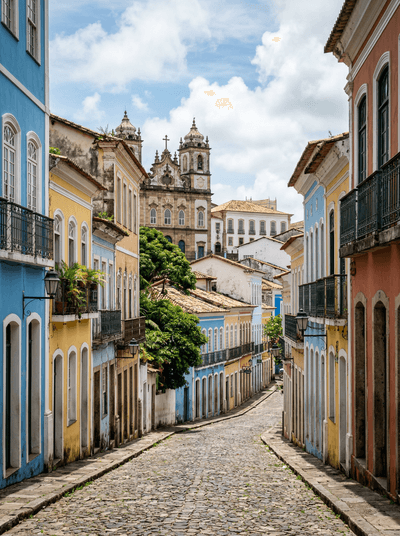
Salvador
Brazil
Drum rhythms ricocheting off colonial walls where song, dance and combat happen at once.
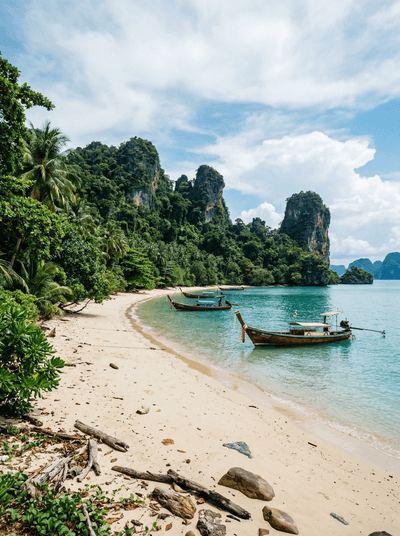
Koh Yao Noi
Thailand
Hornbills swoop over rubber plantations while limestone karst towers slice the horizon in half.
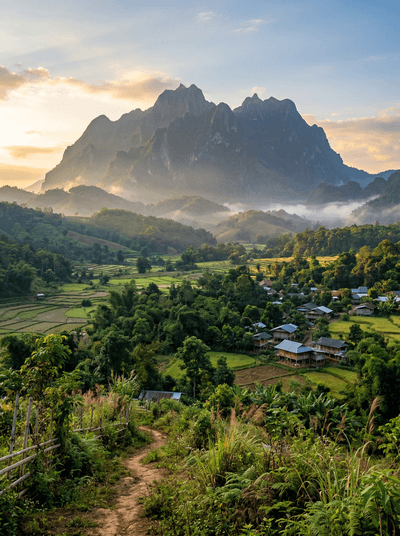
Chiang Dao
Thailand
A limestone monolith hiding twelve kilometres of pitch-black caverns and underground shrines.
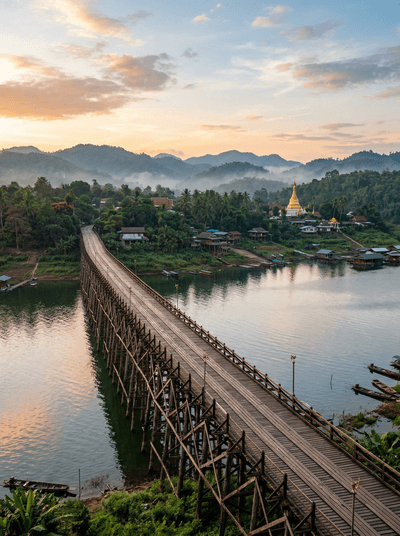
Sangkhlaburi
Thailand
Monks walk barefoot across a hand-built wooden bridge disappearing into thick morning fog.
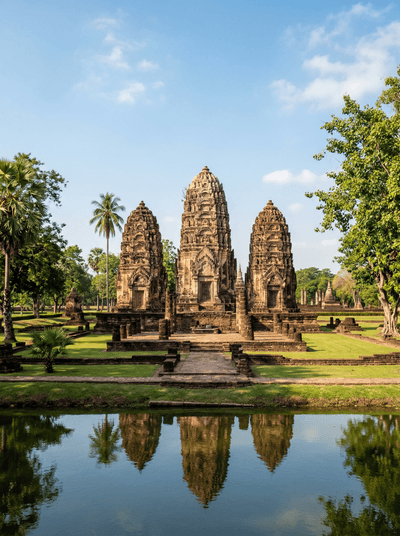
Sukhothai
Thailand
Cycling through lotus ponds and brick stupas where Thailand's first capital crumbles into dust.