Wales
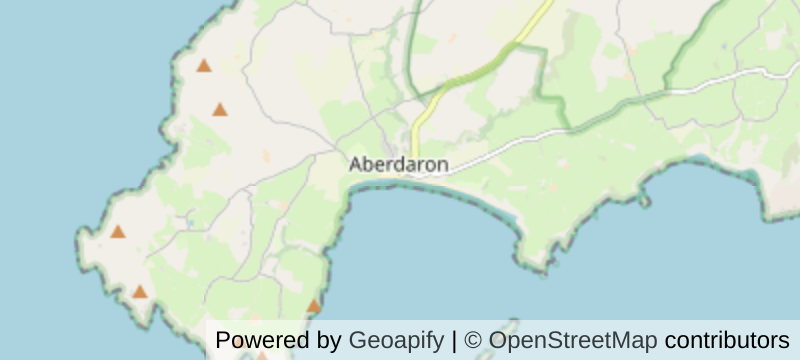
Aberdaron
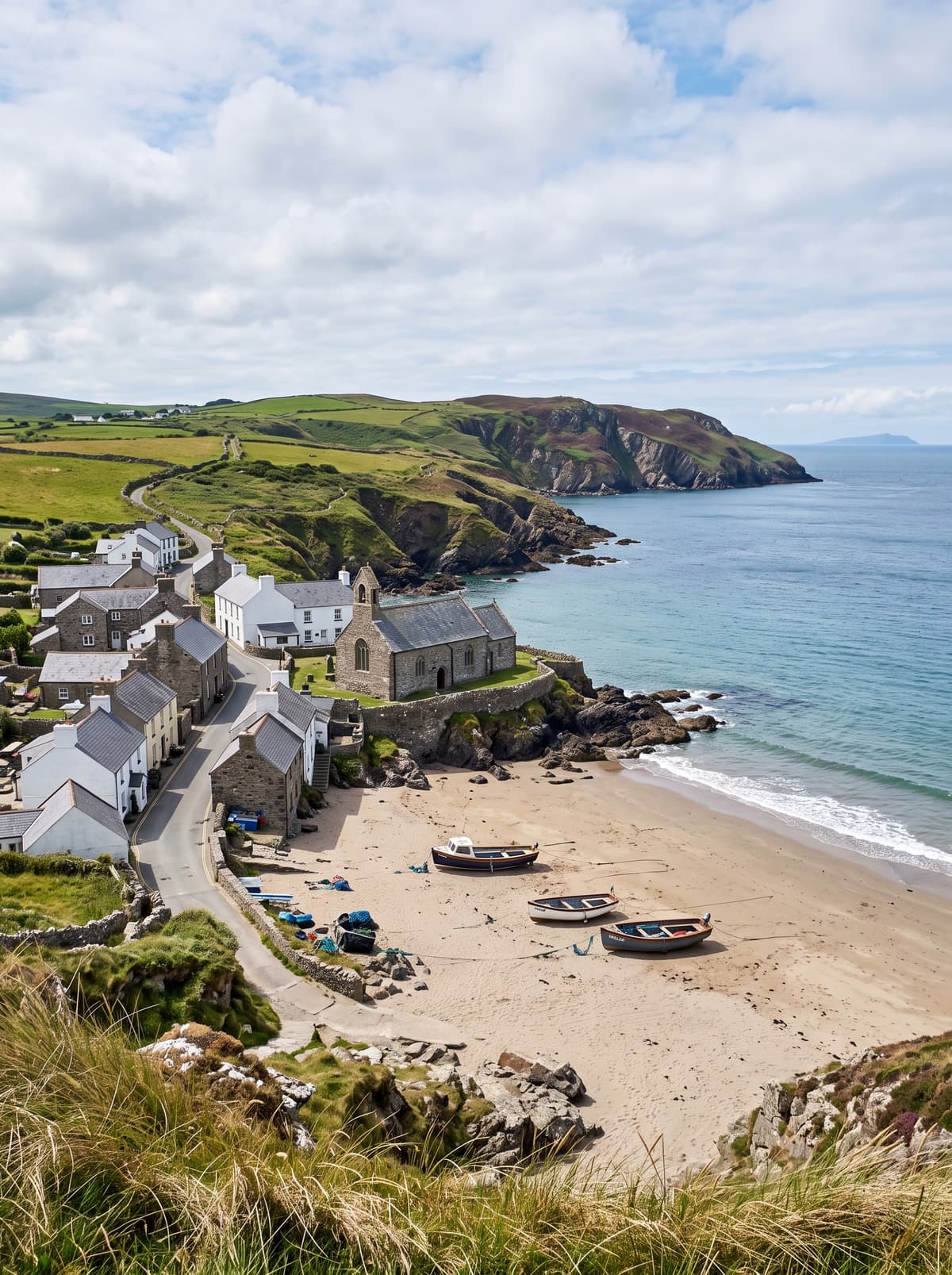
A church on the sand where pilgrims ate their last meal before the island crossing.
Sit in the church and the sea is audible. St Hywyn's stands on the beach at Aberdaron, at the far western end of Llŷn in North Wales, and for a thousand years it was the last building pilgrims saw before they walked west to Porth Meudwy and took a boat to Ynys Enlli, the island of twenty thousand saints. The village behind it is a mile of sand, a bridge, a thatched bakery and a café that was once the pilgrims' inn.
Aberdaron is where the land runs out. The Wales Coast Path leaves the village in both directions past sea caves and rock pools, west to Porth Meudwy, the cove that has launched boats to Bardsey for centuries and still lands the lobster and crab of this coast, and on to Mynydd Mawr, the headland that looks straight across the sound to the island. RS Thomas, the poet-priest, was vicar of St Hywyn's from 1967 to 1978 and retired to a cottage in the grounds of Plas yn Rhiw, a small sixteenth-century manor above the bay that the National Trust now opens with its gardens. Porth y Swnt, the Trust's centre by the car park, recounts the peninsula's landscape and its pilgrims. A few miles north, Porthor is the beach the locals call the whistling sands, reached down a steep lane, where the sand sings under your feet on a dry day.
Solo
Walk the coast path west from the church to Porth Meudwy and Mynydd Mawr with the island in view the whole way; this is the end of a pilgrim road, and it still feels like one.
Couple
Bread from the thatched bakery, a day on the sand, and Bardsey lit by evening from the headland; the village is too small for anything to need arranging.
Family
A mile of sandy bay with rock pools at either end, boat trips to the island when the sea is calm, and the squeaking sand at Porthor a short drive away.
- St Hywyn's church stands right at the sand's edge, the last stop on the pilgrims' way to Bardsey, and inside it you can hear the waves break on the beach.
- Porth Meudwy, a cleft in the cliffs to the west, is the cove the pilgrims sailed from, and the Bardsey boat still leaves from it.
- At Porthor the beach is known as the whistling sands, because the grains squeak underfoot.
- The poet R. S. Thomas was vicar here from 1967 to 1978 and lived on in a cottage at Plas yn Rhiw, the sixteenth-century manor above Cardigan Bay.
Bread and cakes from Becws Islyn, the thatched bakery in the village, eaten upstairs in its café with maps and old photographs on the walls.
Crab and lobster land at Porth Meudwy on the boats that also carry pilgrims to Bardsey; in the village, the café called Y Gegin Fawr was once the pilgrims' inn.
Manuel Antonio
Costa Rica
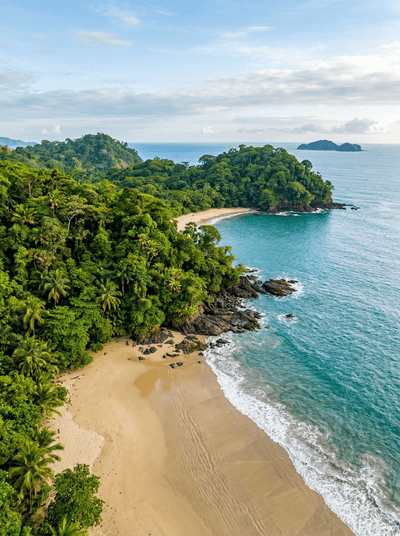
Capuchins patrol the sand beneath dozing sloths where rainforest walks into the ocean.
Vaitupu
Tuvalu
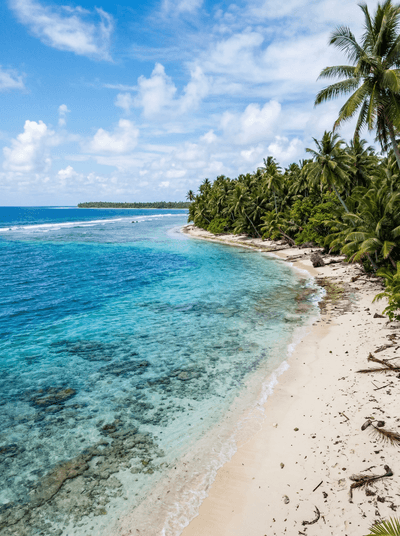
Tuvalu's largest island, where traditional sport te ano sends two woven balls flying at once.
Tortuguero
Costa Rica
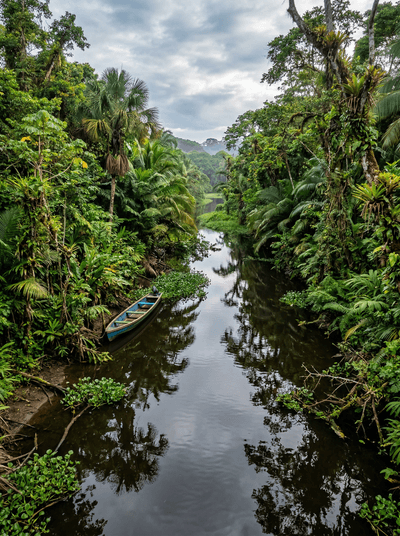
Jungle canals where green sea turtles haul onto black volcanic sand under a moonless sky.
Kadavu
Fiji
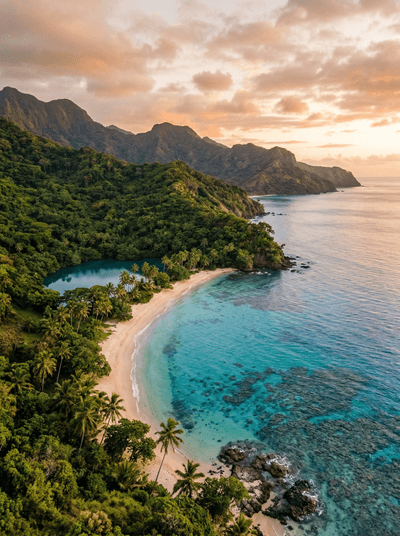
Manta rays circle the world's fourth-largest barrier reef, off villages the road barely reaches.
Blaenau Ffestiniog
Wales
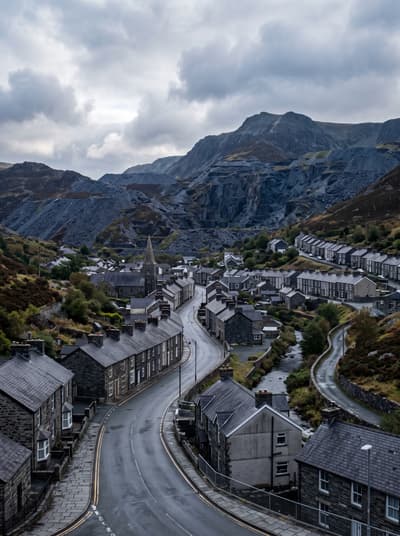
The town that roofed the world, where you bounce on trampolines slung inside a slate cavern.
Harlech
Wales
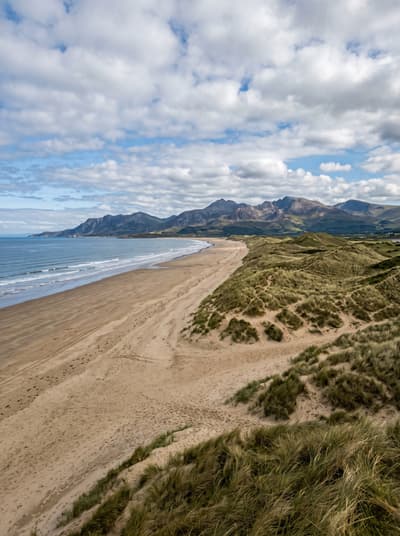
A castle on a crag waiting for a sea that walked away centuries ago.
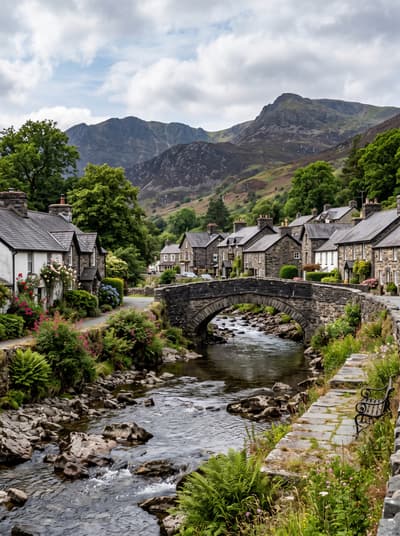
Beddgelert
Wales
A stone village at the meeting of two rivers, named for a legendary dog's grave.
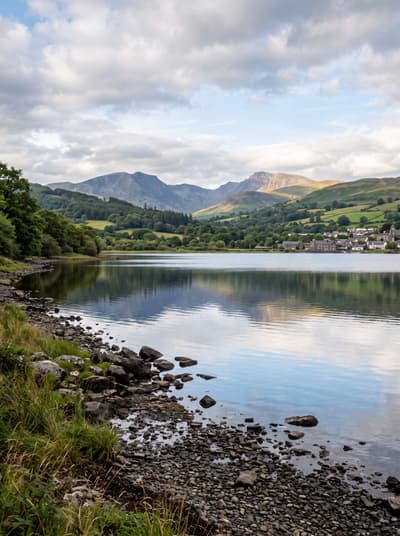
Bala and Llyn Tegid
Wales
Wales's largest lake, an ice-age fish found nowhere else, and a drowned village upstream.