Brazil
Abrolhos Archipelago
Humpback mothers calve above coral mushrooms thirty metres tall that grow nowhere else.
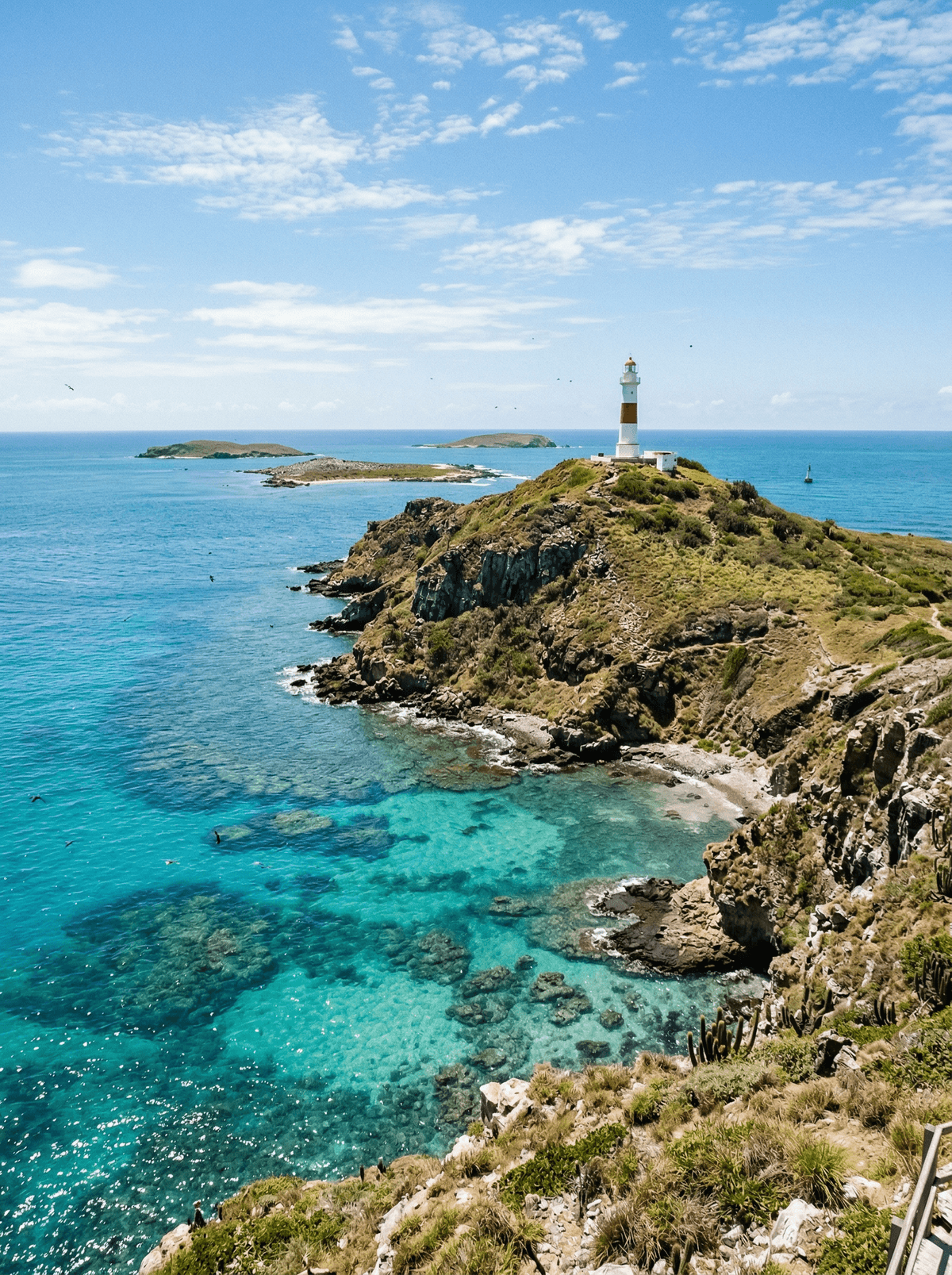
Seventy kilometres out from Caravelas the sea passes over a coral bank, and what is growing down there has the shape of mushrooms: single reef structures thirty metres tall, in their thousands, in a form found on this bank and on no other. From June the humpbacks come up over the top of them to give birth. Under the boat, a survey counted around thirteen hundred species, forty-five of them threatened.
Abrolhos was the first marine national park Brazil created, on 6 April 1983, and it covers 87,943 hectares in two separate pieces. The offshore piece takes in the Parcel dos Abrolhos and five volcanic islands, Redonda, Siriba, Guarita, Sueste and Santa Bárbara, the last of which sits outside the park under Navy jurisdiction and has held the Abrolhos lighthouse since 1861; the second piece protects part of the coastal reef arc between Alcobaça and Prado. Darwin came through here, and so did Vespucci. Reaching it takes between two and a half and five hours from Caravelas depending on the boat and the sea, only operators authorised by the park may make that crossing, and the trip is either a day run of roughly seven to six or a live-aboard of two to four days, on a ticket of twenty reais a day. Diving is done at set points with an authorised guide, over three wrecks and among the chapeirões, and there is a cabled night-dive trail on the Mau-Mau chapeirão near Santa Bárbara.
Couple
The live-aboard is the version worth the money: two to four days gets you the night dive on the Mau-Mau chapeirão and the landing on Redonda, and the day boat reaches neither. Come between June and November and you share the anchorage with humpbacks; come between December and April and you get the clear water instead.
Friends
A day trip is roughly seven in the morning to six at night with two and a half to five hours of open sea at each end, so the weather runs the day. The park advises against sailing in more than twenty knots of wind, which is worth knowing before anybody books flights. Snorkelling is best in the shallows off Siriba and Santa Bárbara, close to where the boats anchor.
- The Parcel dos Abrolhos carries thousands of chapeirões, mushroom-shaped reef structures up to thirty metres tall that occur only on the Abrolhos Bank.
- This is the main humpback nursery in the South Atlantic. The whales are here from June to November and show most between July and October.
- From December to April the water is warmer and clearer, which is when the diving is best, over three wrecks open to visitors and a cabled underwater trail on the Mau-Mau chapeirão.
- Landing is by guided trail only: 1,600 metres on Siriba past nesting white boobies and red-billed tropicbirds, and a short strip of sand on Redonda where loggerheads nest from September to March.
Food comes with the boat and no other way: the authorised operators cater the trip, whether that is the day run from seven in the morning until six at night or two to four days living aboard.
You eat at anchor between dives, seventy kilometres out, with the nearest kitchen ashore back in Caravelas.
Derawan Islands
Indonesia
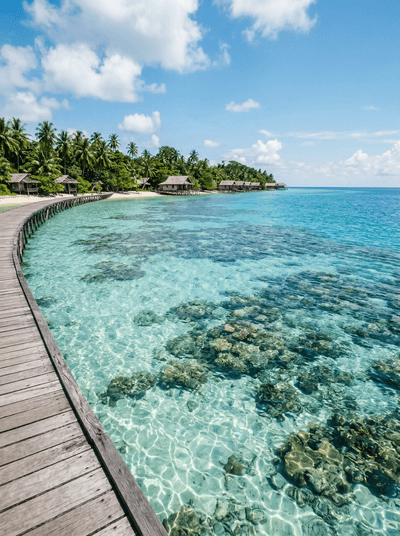
Stingless jellyfish drift in a landlocked lake while green turtles nest on the next island.
Tanegashima
Japan
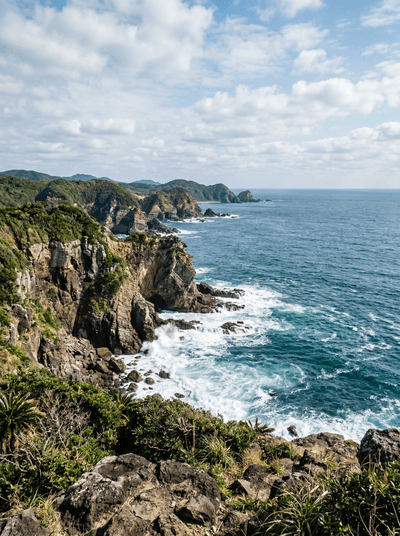
A surf island where Japan launches rockets and Portuguese sailors first brought guns.
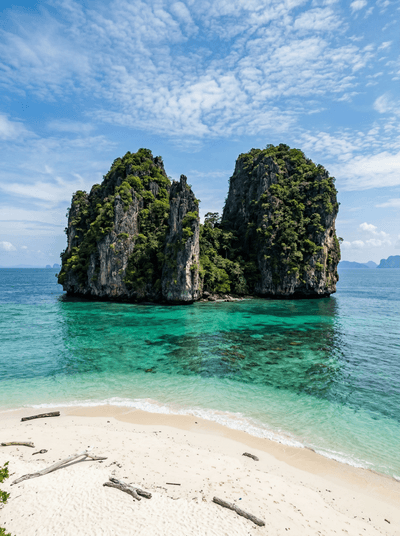
Ko Lao Liang
Thailand
Twin limestone towers sheer out of the Andaman, guarded for their swiftlet nests.
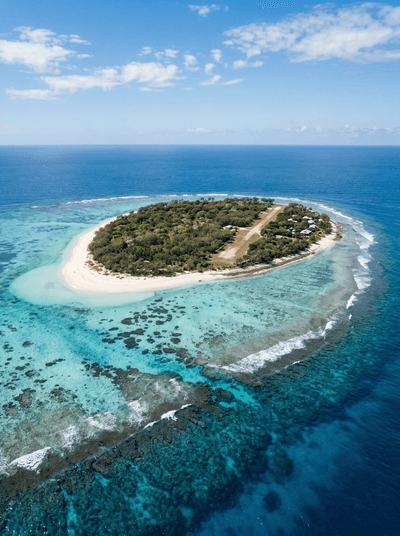
Lady Elliot Island
Australia
Manta rays turn beneath snorkellers where a coral cay meets the reef's southern edge.
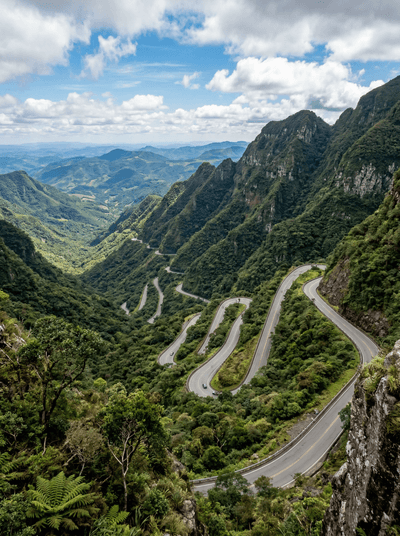
Serra do Rio do Rastro
Brazil
Hairpins carved into a sheer cliff face, climbing out of the lowlands and into cloud.
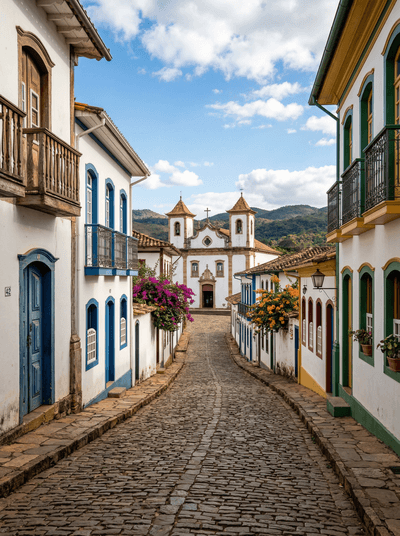
Pirenópolis
Brazil
A colonial gold town erupting in costumed cavalry battles between Moors and Christians every Pentecost.
Urubici
Brazil
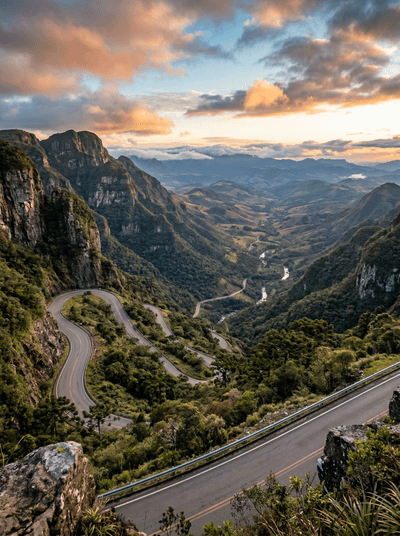
Frost-coated araucaria forests and canyon rims at the frozen heart of subtropical Brazil.
Fernando de Noronha
Brazil
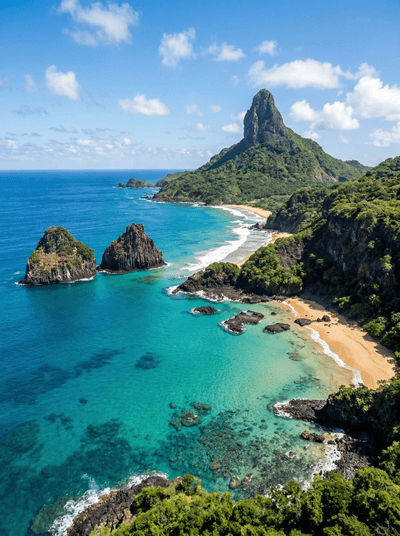
Volcanic spires rising from water so clear the seafloor glows up at you from the clifftop.