Wales
Bala and Llyn Tegid
Wales's largest lake, an ice-age fish found nowhere else, and a drowned village upstream.
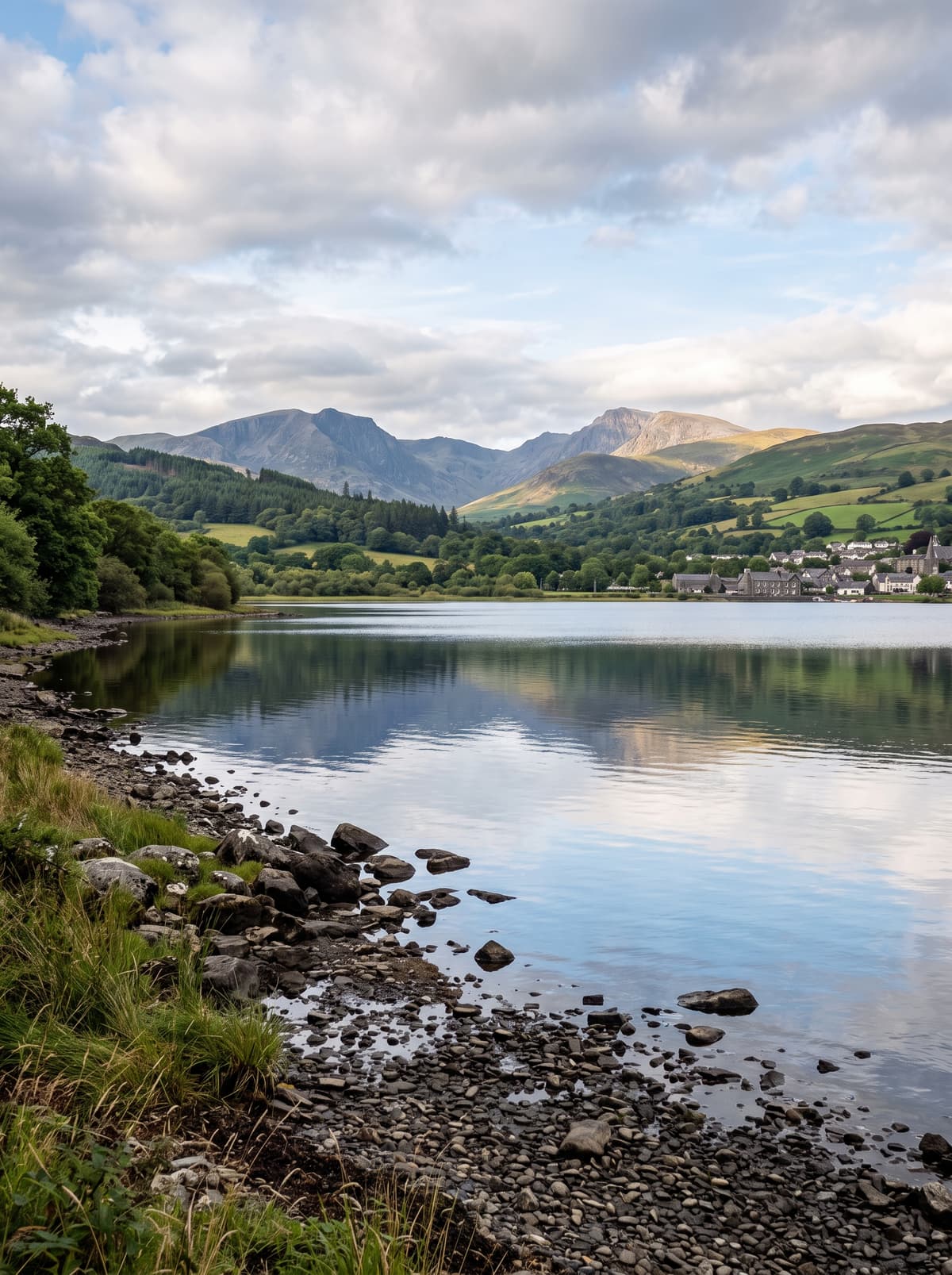
There is a fish in this lake that lives nowhere else in Wales. Llyn Tegid, Bala Lake, fills a glacial trough in Eryri, North Wales, three and a half miles of water between the mountains of Snowdonia and the Berwyns, and somewhere under its surface the gwyniad, a whitefish left behind when the ice retreated, is spawning where it has spawned for ten thousand years. Bala, the small grey town at its northern end, is the place the outdoor Welsh come to be on water.
The lake is the largest natural one in Wales and its fish are unique in Britain, the gwyniad and the grayling together, which is why it is protected under the Ramsar convention; there are thirteen species in all to fish for, the gwyniad excepted, and a monster called Teggie that nobody has confirmed. Anything without an engine goes on the water, paddleboards, canoes, sailing dinghies and windsurfers, a narrow-gauge steam railway runs the southern shore, and a few miles up the valley the National White Water Centre uses dam releases on the Tryweryn to run rapids all summer. The dam is Llyn Celyn, and it has a history that Wales has not forgotten: in 1965 it drowned the village of Capel Celyn, its school, chapel and farms, to supply water to Liverpool, under an Act passed without a single Welsh MP in support, and when the level drops the remains of the village show above the water. Bala itself is Welsh-speaking and steeped in the culture; Mary Jones walked twenty-six miles across the mountains to it in 1800 to buy a Welsh Bible, and the story is told at her chapel at Llanycil on the lakeshore. Arenig Fawr, the mountain on the western horizon, so absorbed a group of painters in the 1910s that the work is said to have driven them half mad.
Family
Paddleboards and canoes off the lakeshore, the little steam train along the southern side, and the Mary Jones story at Llanycil; the town has everything a week needs, including the butcher.
Friends
Rafting the Tryweryn on a release day, then the lake to calm down on, and a table at the White Lion; Bala is where Welsh paddlers learned.
Couple
A lakeside walk with the steam railway whistling past, a sauna on the shore afterwards, and the drive up past Llyn Celyn to look down on the water that covers a drowned village.
- Llyn Tegid is the largest natural lake in Wales, three and a half miles long in a glacial trough, and the only place in Wales where the gwyniad swims, a whitefish stranded here since the ice age.
- The National White Water Centre sits on the Tryweryn, where water released from the dam keeps the rapids running even in a dry summer.
- Above the dam lies Llyn Celyn, the reservoir that drowned the village of Capel Celyn in 1965 to supply Liverpool, against the vote of every Welsh MP.
- A narrow-gauge steam railway runs the southern shore of the lake, and every kind of boat without an engine is welcome on the water.
Welsh lamb and beef from Bala's award-winning butcher, the shop the town is proudest of, cooked back at the cottage or grilled at the White Lion.
Grills and pub classics at the White Lion Royal, the eighteenth-century coaching inn on the High Street that has fed lake-goers since the stagecoach.
Manuel Antonio
Costa Rica
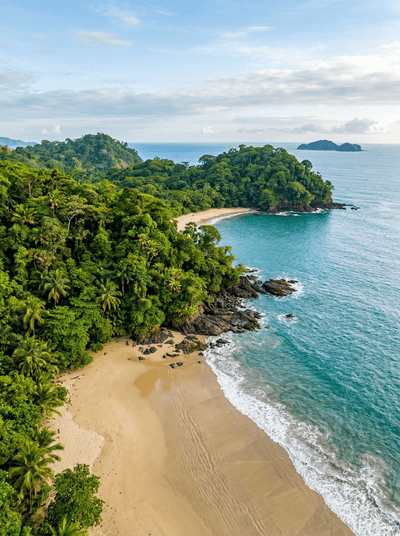
Capuchins patrol the sand beneath dozing sloths where rainforest walks into the ocean.
Vaitupu
Tuvalu
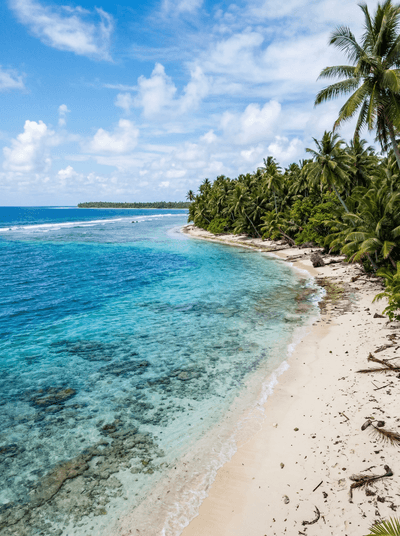
Tuvalu's largest island, where traditional sport te ano sends two woven balls flying at once.
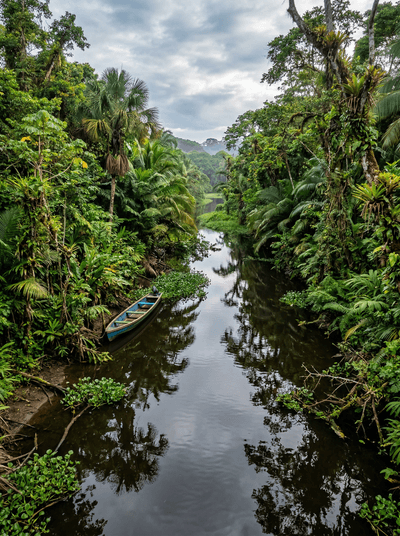
Tortuguero
Costa Rica
Jungle canals where green sea turtles haul onto black volcanic sand under a moonless sky.
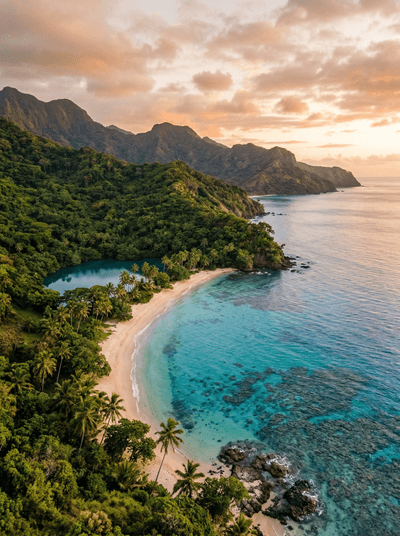
Kadavu
Fiji
Manta rays circle the world's fourth-largest barrier reef, off villages the road barely reaches.
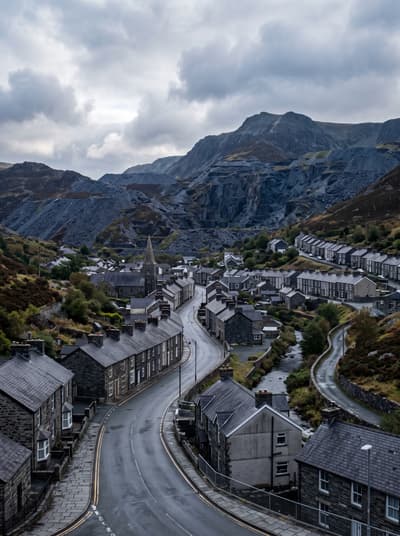
Blaenau Ffestiniog
Wales
The town that roofed the world, where you bounce on trampolines slung inside a slate cavern.
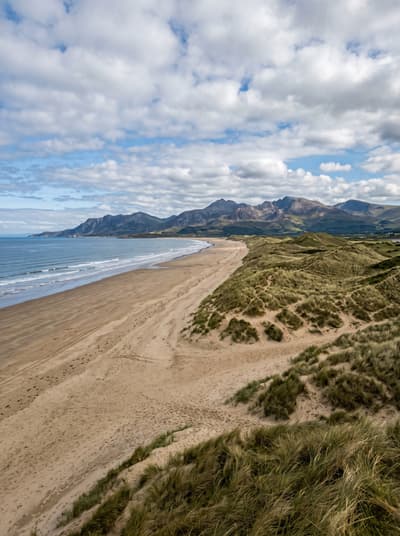
Harlech
Wales
A castle on a crag waiting for a sea that walked away centuries ago.
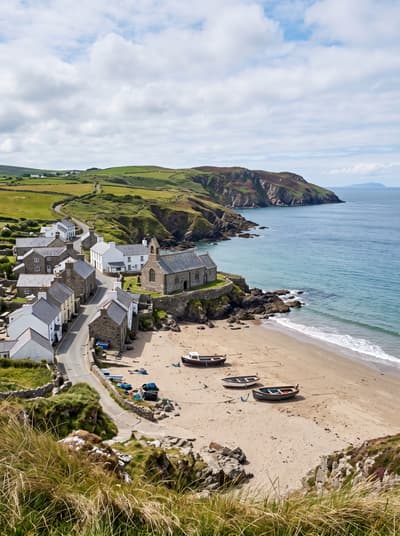
Aberdaron
Wales
A church on the sand where pilgrims ate their last meal before the island crossing.
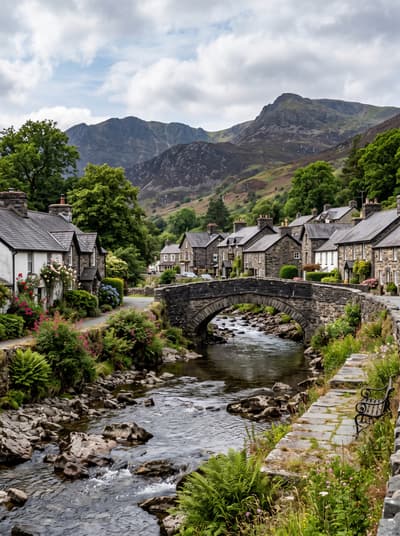
Beddgelert
Wales
A stone village at the meeting of two rivers, named for a legendary dog's grave.