Brazil
Pirenópolis
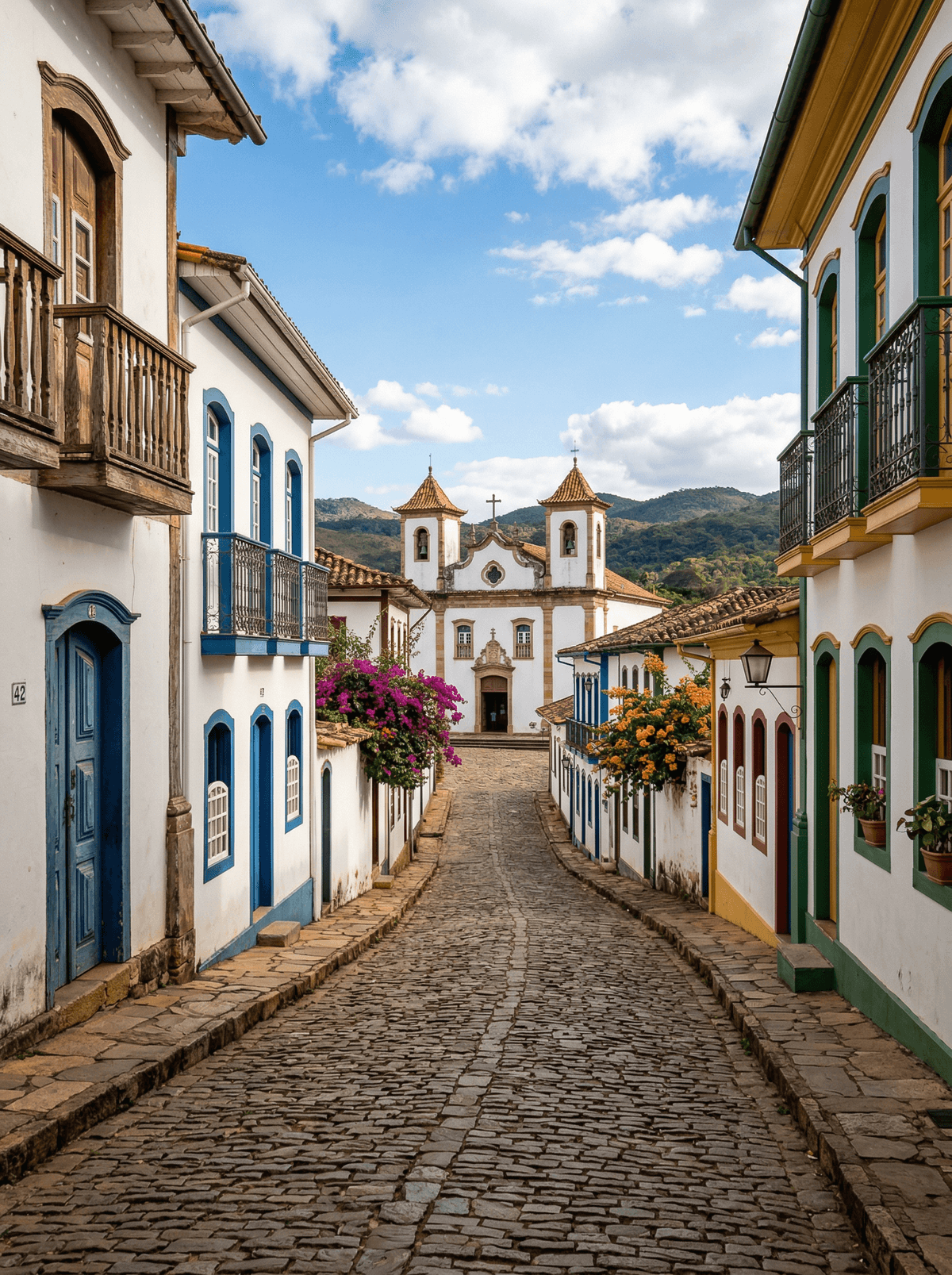
A colonial gold town erupting in costumed cavalry battles between Moors and Christians every Pentecost.
Hooves on the Campo das Cavalhadas, lances up, a crowd three deep for a fight between Moors and Christians that sits inside a festival this town has kept since 1819. Out on the streets the mascarados are the ones in painted paper masks and clothes chosen to be looked at, and they are the noise. Outside those weeks Pirenópolis goes quiet: stone churches, silver benches, waterfalls in the hills behind town.
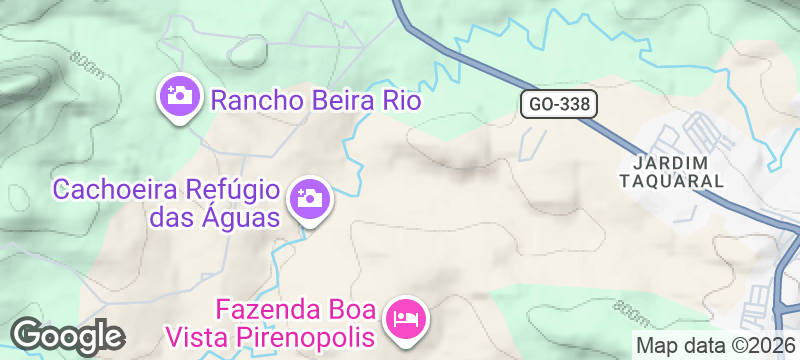
The town was founded in 1727 as Minas de Nossa Senhora do Rosário de Meia Ponte, a gold camp that peaked around 1750 and was worked out by 1800. What it did next is the interesting part. It turned to cotton and cattle, and in March 1830 it set up the first printing press in Goiás and began the Matutina Meiapontense, the first newspaper in the state and in the whole Centre-West, which ran to 526 editions by May 1834 in a place where five people in a hundred could read and a quarter were enslaved. Then the trade moved to Anápolis in the 1880s and the money went with it, which is precisely why the eighteenth-century streets are still standing; IPHAN listed the ensemble in 1989 and a restoration of the historic centre began in 1997. Outside it are the waterfalls of the Serra dos Pireneus, the Cachoeira do Abade among them, the Vagafogo wildlife sanctuary, and the Fazenda Babilônia twenty-five kilometres out, built by the man who founded the newspaper and once among the largest sugar mills in Brazil.
Couple
Stay in one of the restored casarões and eat somewhere with live music, then walk back past the silver benches. Pick a weekend away from Pentecost if you want the streets to yourselves, because the town fills for the Festa and empties again afterwards.
Family
The Cavalhadas is a horse pageant a child will actually sit through, and the mascarados work the crowd rather than the arena, so there is something happening at ground level too. The centre can be walked end to end in a morning, and the Museu das Cavalhadas sits on Rua Direita all year.
Friends
Aim at June, when the gastronomy festival runs and the town is already a standing weekend habit for Goiânia, Anápolis and Brasília. Between meals there is the Serra dos Pireneus waterfall circuit, the Cachoeira do Abade among them, and the Vagafogo sanctuary out past the Bairro do Carmo.
- The Festa do Divino Espírito Santo has been celebrated here since 1819 and was entered in IPHAN's Livro das Celebrações on 13 May 2010, fifty days after Easter each year.
- Its Cavalhadas stage the battle of Moors and Christians on horseback at the Campo das Cavalhadas, while the mascarados work the streets in painted paper masks and clothes chosen to be seen.
- Meia Ponte, as the town then was, held the first printing press in Goiás and produced the Matutina Meiapontense, the first newspaper in the state and in the whole Centre-West, 526 editions between March 1830 and May 1834 in a place where five people in a hundred could read.
- The centre was listed by IPHAN as a protected landscape ensemble in 1989, and the silver workshops along its streets trace back to incomers who settled in the 1980s and taught the craft to local teenagers.
Empadão goiano is the pie to order here, and Empadão e Pamonharia Peixoto keeps it and the pamonha going on Rua Direita in the historic centre.
The rest of the local table is arroz com pequi, guariroba, paçoca de pilão and the quitandas, and the town turns it into a festival every June.
Tobermory
Scotland
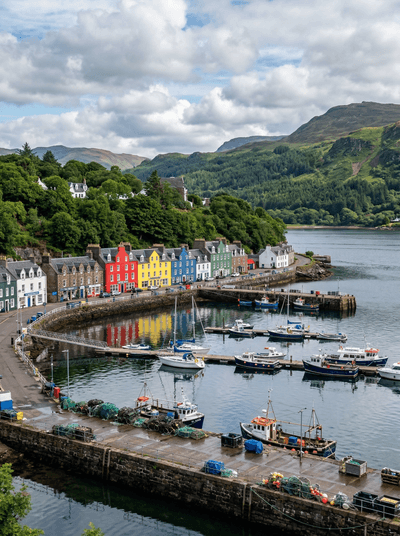
Crayon-bright houses line a harbour where fishing boats rock above sunken Armada gold.
Abha
Saudi Arabia
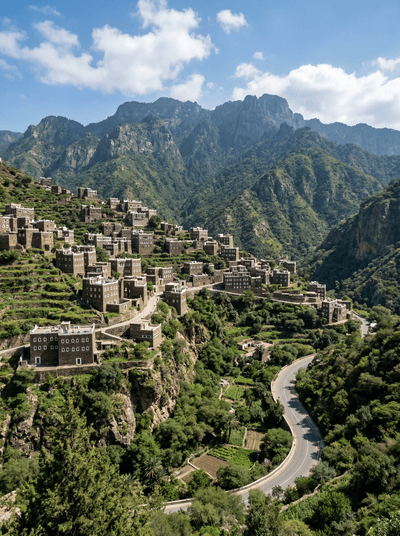
A mountain city where mist wraps painted houses and the air smells of juniper after rain.
Al Ahsa Oasis
Saudi Arabia
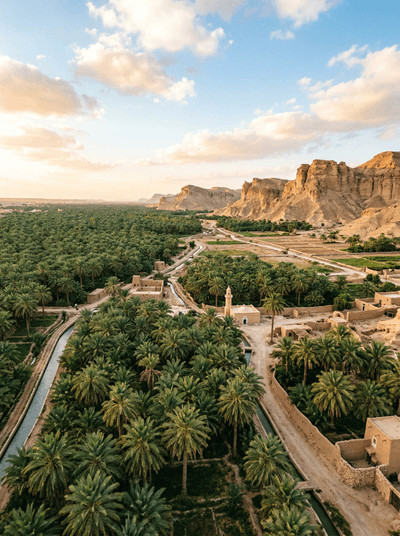
Historic springs and open canals raised 2.5 million palms beneath a furnace sky.
Amphawa
Thailand
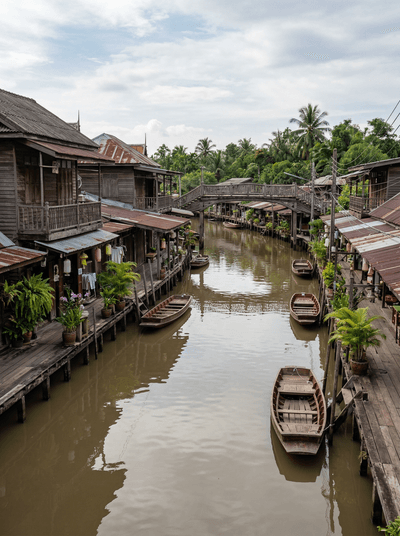
Wooden rowboats grilling prawns on the water while fireflies pulse in the cork trees.
Itaúnas
Brazil
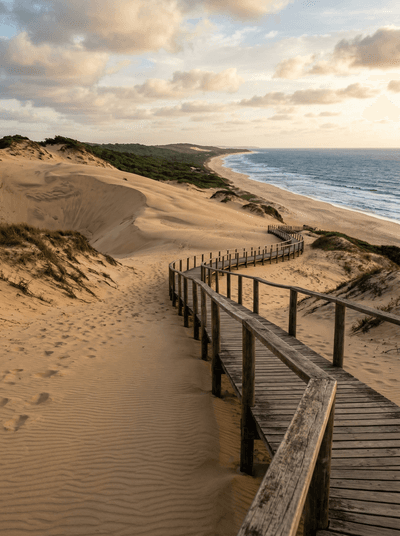
Sand dunes that swallowed an entire village, now a forró-dancing outpost on a wild coast.
Urubici
Brazil
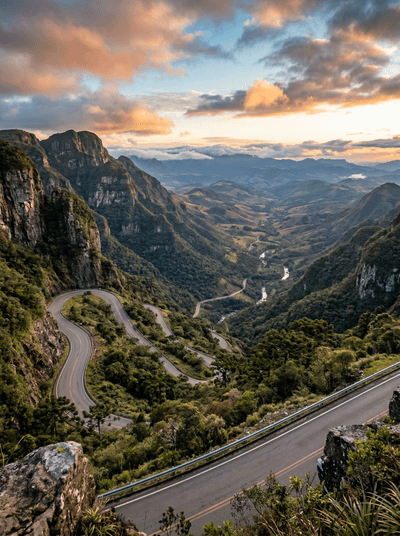
Frost-coated araucaria forests and canyon rims at the frozen heart of subtropical Brazil.
Novo Airão
Brazil
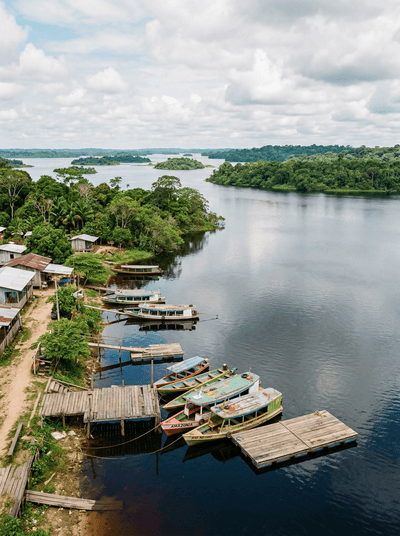
In tea-dark water, pink dolphins take chilled fish from staff hands; you may touch, never feed.
Praia da Pipa
Brazil
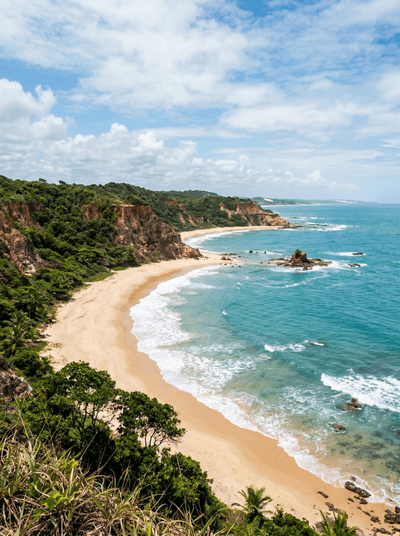
Dolphins hunting a bay seven hundred metres across, flinging their catch clear of the water.