France
Chartres
Light through medieval glass so vivid the blue was named after the cathedral itself.
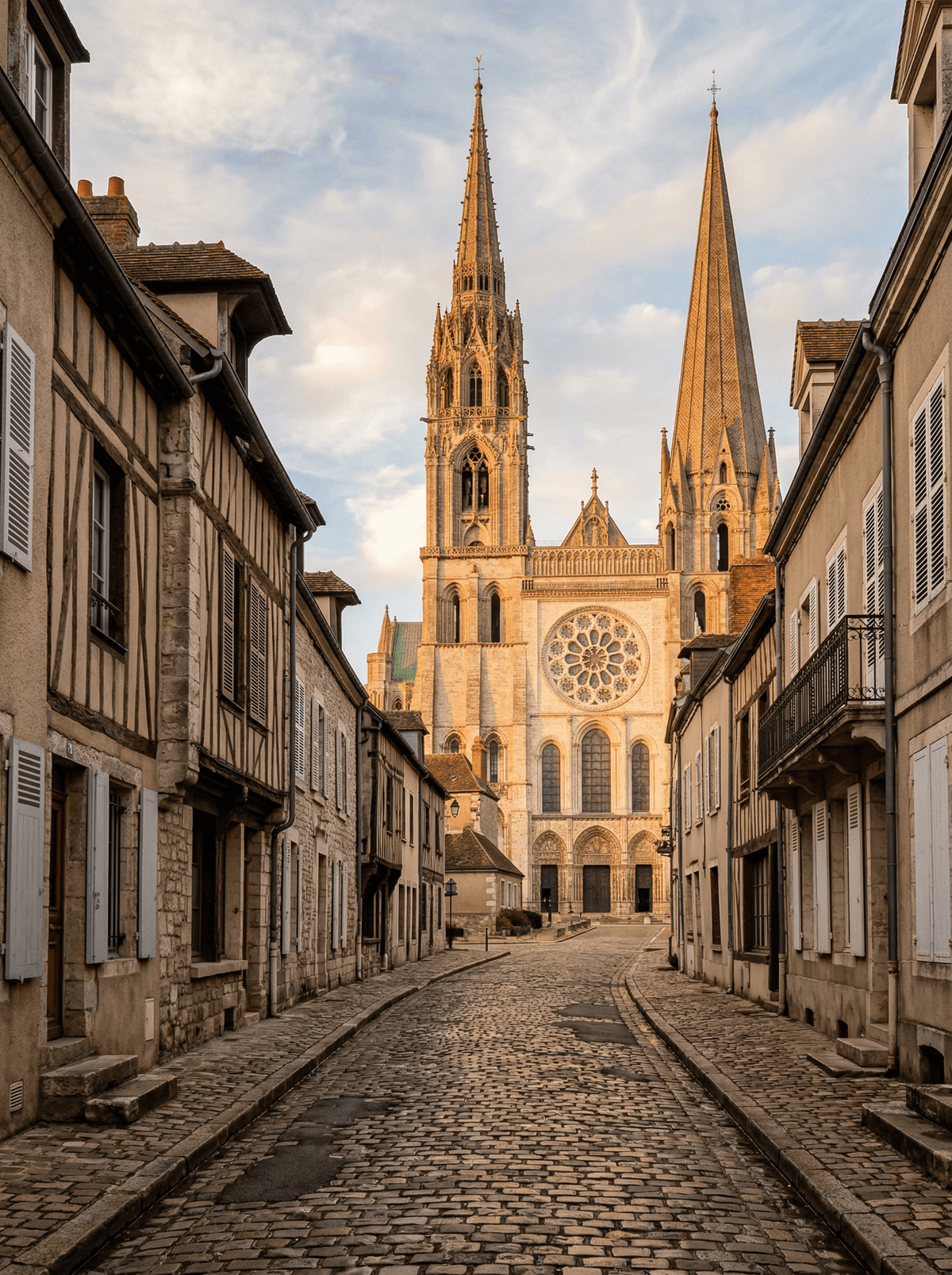
The light comes through the glass in a blue no one has managed to match since the medieval glaziers took their recipe to the grave. Chartres is a French cathedral city built around that colour — Chartres blue, a pigment trapped in windows eight hundred years old — and the interior does not so much shine as glow. The effect, after all those centuries, is undiminished.
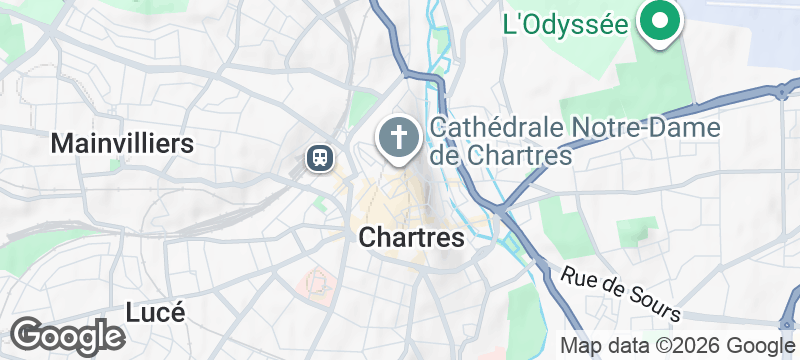
Chartres Cathedral was rebuilt after a fire late in the twelfth century, and it is the reference for French Gothic: the two unmatched spires, the sculpted portals and, above all, the stained glass, most of it original to the thirteenth century and the largest surviving collection of medieval glass anywhere. The blue that dominates it has resisted every attempt at replication. The labyrinth laid into the nave floor around 1200 is still walked as a symbolic pilgrimage — on the days when the chairs are cleared — and pilgrims have been coming to the cathedral's relic, the veil of the Virgin, for a thousand years. Below the cathedral the old town drops in stepped streets to the River Eure, where wash houses, footbridges and gardens make a quieter lower town, and from spring to autumn Chartres en Lumières projects light onto the cathedral and the historic buildings after dark.
Solo
The cathedral in early morning, when the light through the windows paints the floor blue. Walk the labyrinth if it is open, then descend to the Eure for the contrast — from sacred to intimate.
Couple
The light show in the evenings turns the cathedral and the old town into projected canvases. The restaurants along the Eure serve dinner below street level, with the illuminated cathedral glowing above.
- Chartres blue — the colour in the medieval glass — has never been matched, and the cathedral holds more medieval stained glass than any building on earth.
- The labyrinth on the cathedral floor has been walked as a pilgrimage since around 1200 — a meditative path in stone.
- The old town slopes down to the Eure with wash houses, footbridges and gardens along the bank.
- Chartres en Lumières projects light onto the cathedral and the historic buildings after dark from spring to autumn.
Pâté de Chartres — game pâté baked in a pastry crust — the town's centuries-old speciality, sliced cold at the charcuterie.
Tarte Tatin — caramelised apples baked upside down — the Loire country's classic, an hour's drive from where it was invented.
Akita
Japan
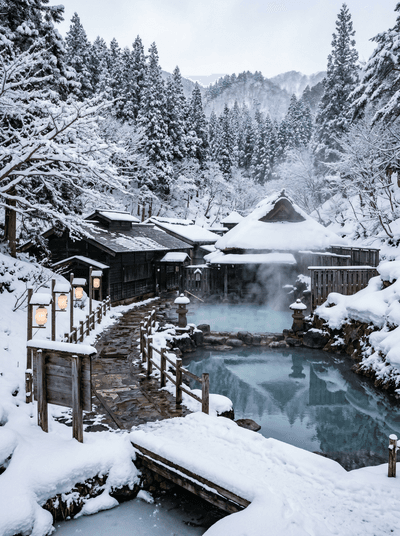
Bamboo poles hung with dozens of lanterns, balanced on a palm, a forehead, a hip.
Uch Sharif
Pakistan
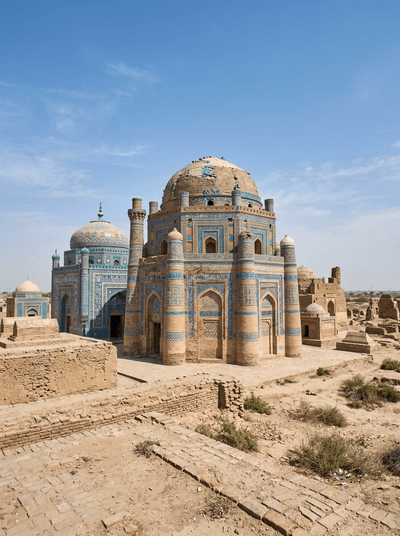
Half-fallen blue-tiled Sufi tombs leaning over the Indus plain, exquisite in their surrender.
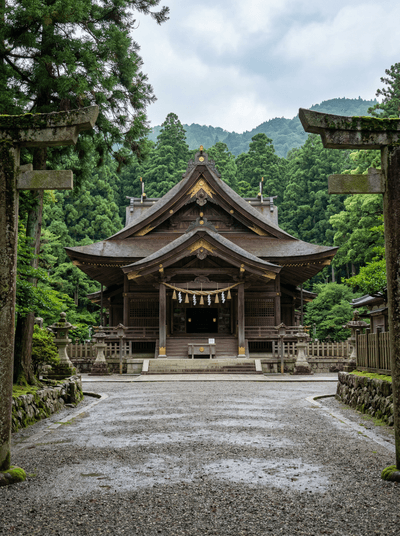
Izumo
Japan
The shrine where Japan's eight million gods are said to gather, leaving everywhere else godless.
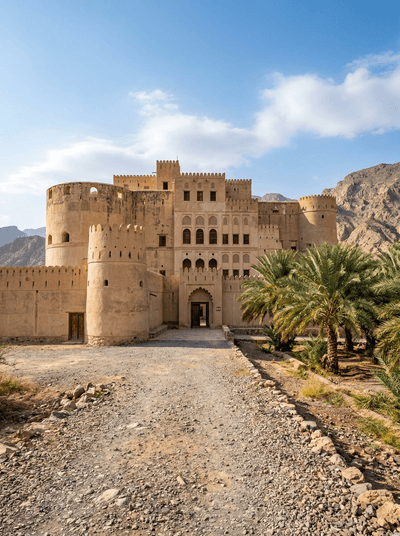
Jabrin Castle
Oman
Astronomy and law were taught under painted ceilings, the finest fort interiors in Oman.
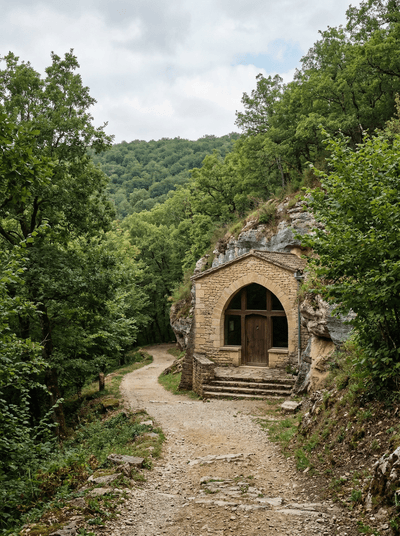
Lascaux
France
Ice-age bison replicated so precisely your brain forgets it is standing in a copy.
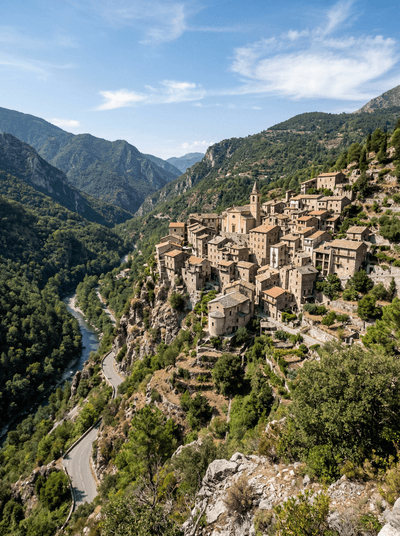
Saorge
France
Houses stacked into a gorge wall like an amphitheatre, with the Roya river as the stage.
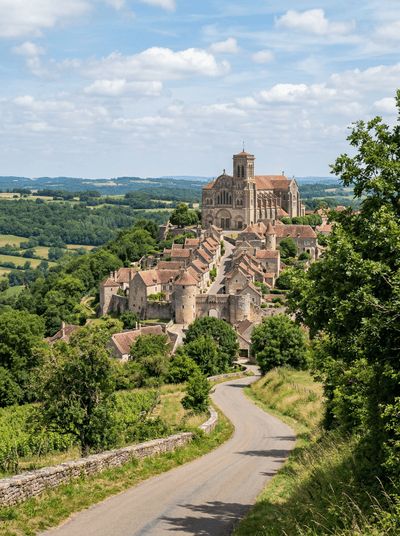
Vézelay
France
A hilltop basilica of light and carved stone where two crusades were preached into being.
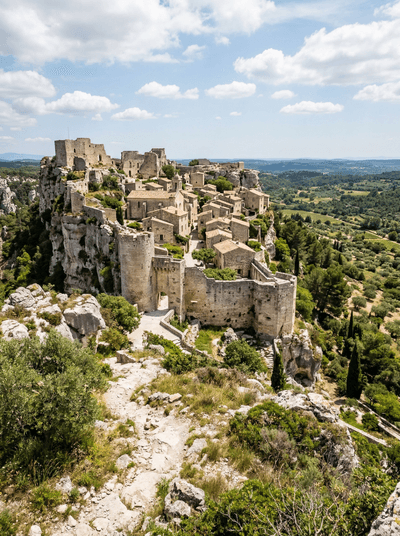
Les Baux-de-Provence
France
Ruined fortress walls dissolving into white rock as if the mountain were slowly swallowing them.