Oman
Al Ayn Beehive Tombs
Stone beehive tombs older than the pyramids hold a clean line along the ridge.
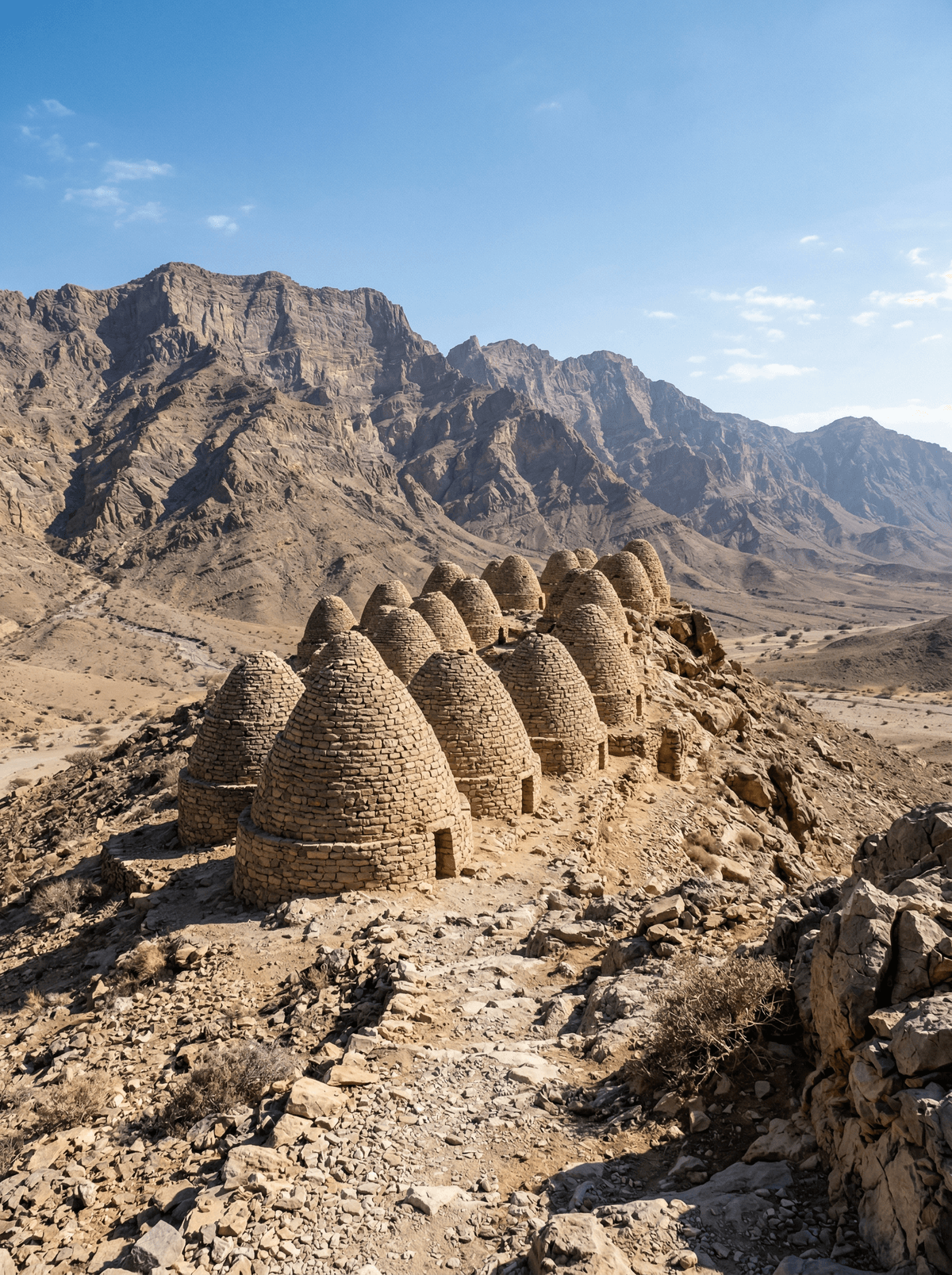
The tombs hold their ridge above Wadi Al Ayn in a clean line, pale dry-stone beehives with the rock wall of Jebel Misht behind them. Five thousand years have not moved them.
The tombs at Al Ayn stand in a line along their ridge, dry-stone beehives raised in the Hafit period around 3000 BC, before the pyramids went up at Giza. Each held communal burials behind a single small doorway, and together with Bat and Al-Khutm they form a UNESCO-listed Bronze Age landscape, with Jebel Misht's wall of rock behind them for scale. There is no ticket office, no fence and no café: park on the road, walk ten minutes, and keep off the fabric, because the towers have stood unrepaired for five thousand years.
Solo
Late afternoon, alone on the ridge with the light raking the towers, is as close to the Bronze Age as Arabia gets.
Couple
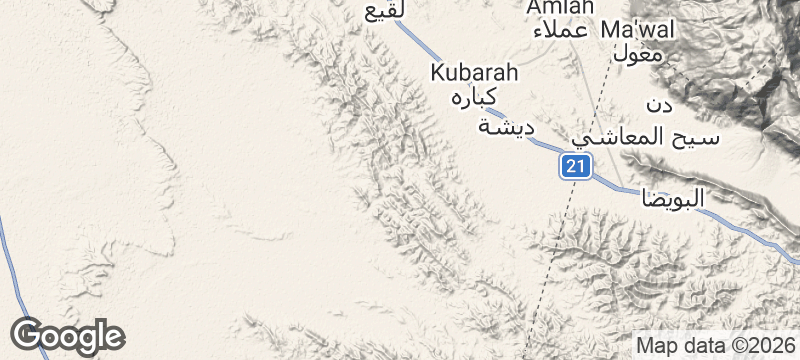
Fold the ridge into a Nizwa-to-Ibri day: twenty minutes of walking for a scene photographers drive hours for.
- The tombs date to the Hafit period, around 3000 BC, older than the pyramids at Giza.
- They stand in a line on the ridge above Wadi Al Ayn, dry-stone beehives against the mountain.
- The ensemble is UNESCO-listed with Bat and Al-Khutm as an exceptional Bronze Age burial landscape.
- There is no ticket office and no fence: the road, a short walk, and five thousand years.
Dates and Omani halwa from Ibri's souq, eaten in the tombs' long shadows.
Honey and spices from the same souq stalls, Ibri's other trade.

Taveuni
Fiji
Stand astride the 180th meridian in rainforest, one foot in today, one in yesterday.
Parque Nacional Conguillío
Chile
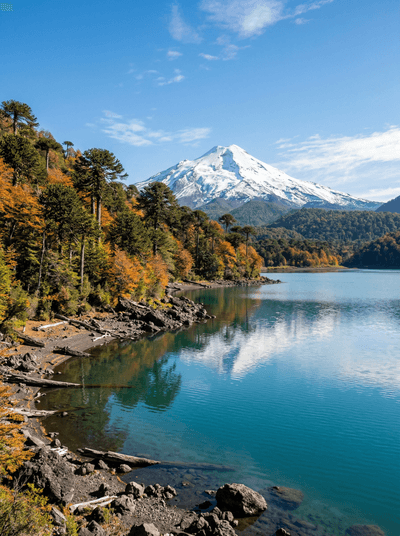
Araucaria crowns stand over black lava and clear lakes beneath Volcán Llaima.
Corcovado National Park
Costa Rica
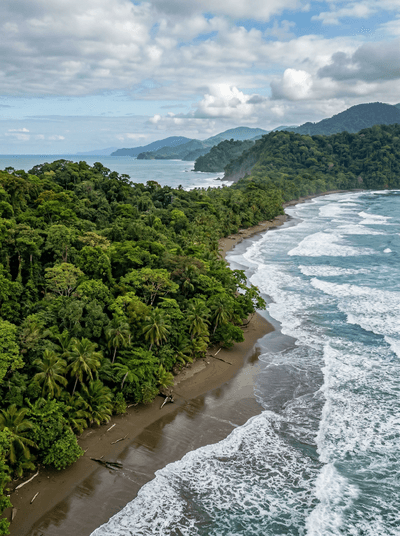
National Geographic called it the most biologically intense place on Earth. They undersold it.
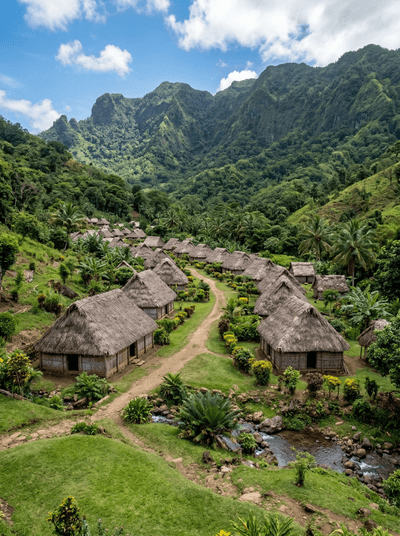
Navala Village
Fiji
Two hundred thatched bures, all built the same size, climb a valley above the Ba River.

Sur
Oman
Dhow ribs curve beside a lagoon where Oman's seafaring craft still has a workshop.
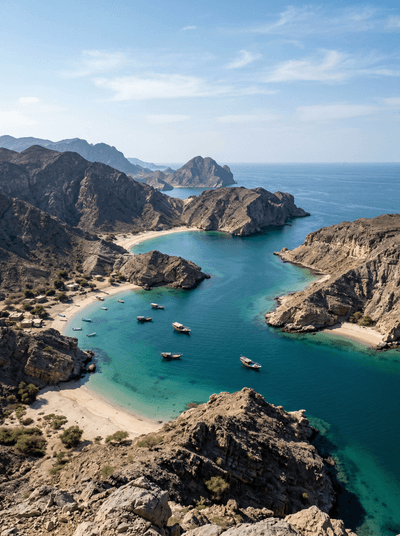
Bandar Khayran
Oman
Limestone headlands, mangrove inlets and hidden coves maze the coast twenty-five minutes from Muscat.
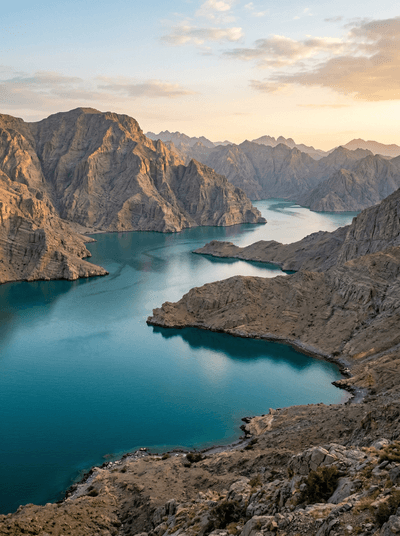
Musandam Peninsula
Oman
Bare limestone drops into drowned valleys where dolphins ride the dhow's bow wave.
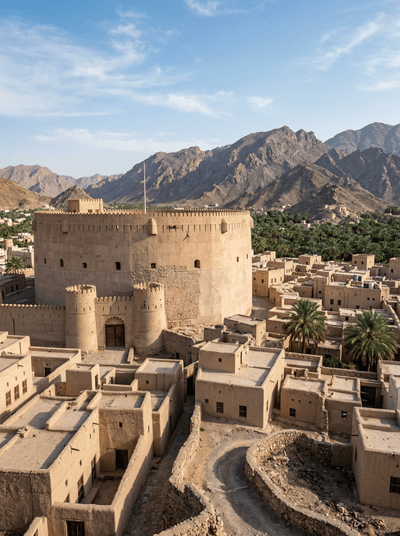
Nizwa
Oman
On Friday mornings goats and cattle circle the ring beneath a tower built for cannon fire.