Italy
Alberobello
A district of conical stone huts built without mortar, a village from a folk tale.
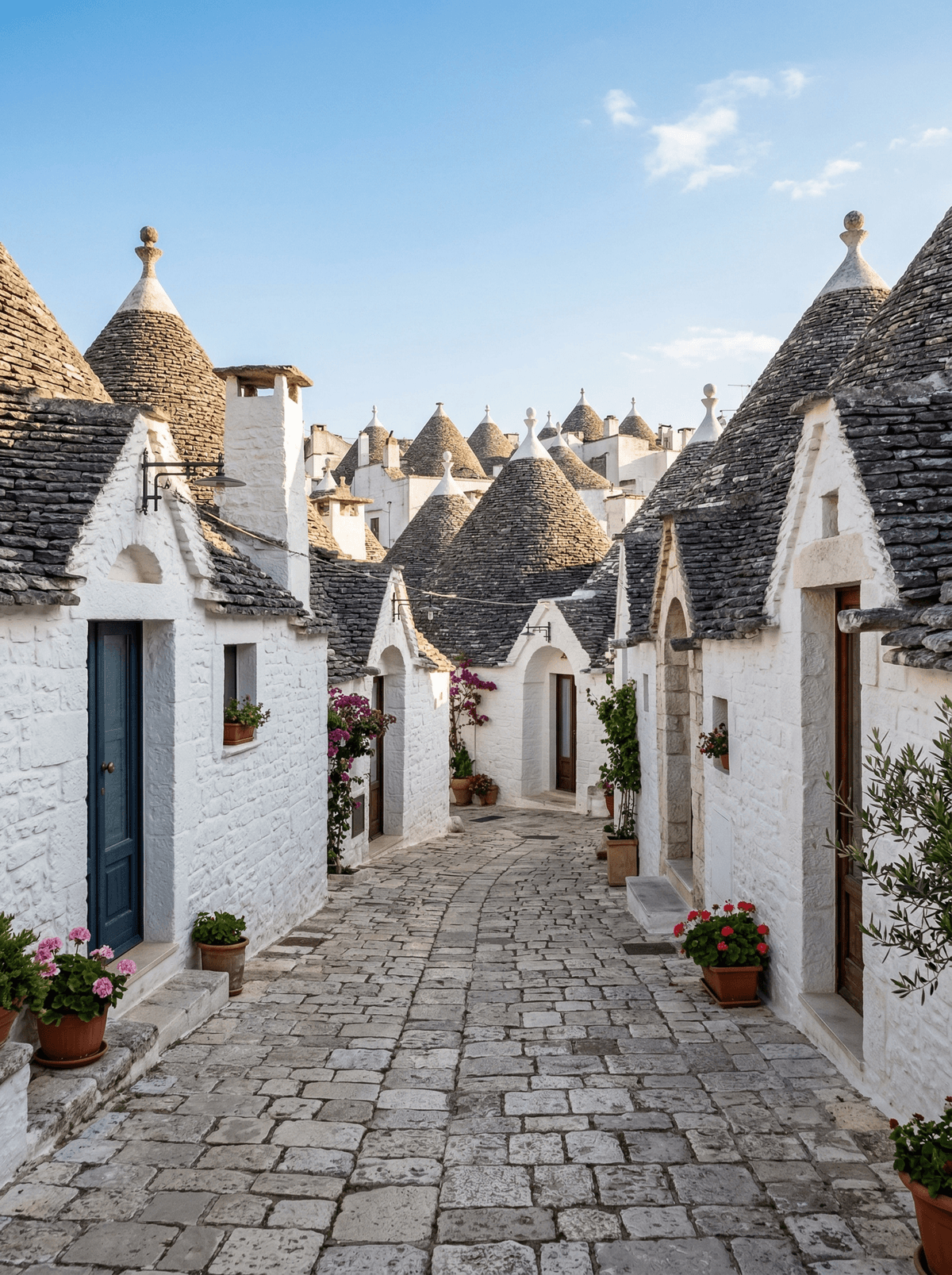
Whitewashed cones spill down the slope like a settlement from another century, or another world. Each trullo wears a grey limestone cap, some painted with old symbols, the lanes between them barely two people wide. The stone holds the day's heat long after dark.
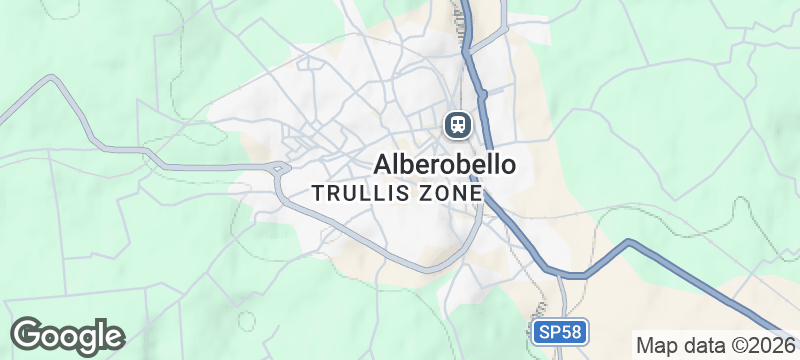
Alberobello, in Puglia's Valle d'Itria, keeps more than a thousand trulli in its Rione Monti district alone, conical dry-stone huts raised without mortar, a design tradition holding that roofs could come down fast when the tax man rode out from Naples. UNESCO listed the district in 1996 as the densest concentration of trulli anywhere. The two-storey Trullo Sovrano now works as a museum, while across the lanes trulli carry on as homes, restaurants and beds for the night. Quieter Rione Aia Piccola stays mostly residential, and the valley beyond scatters lone trulli through olive groves and vineyards.
Couple
Sleep inside a trullo, thick stone and candlelit alcove, then walk the lamplit cones when the coaches have gone.
Family
The huts look straight out of a folk tale, which hands children the history for free; the old town is flat, close and car-free.
Friends
Rent a multi-cone trullo, cook from the market, and day-trip the Valle d'Itria's white towns from the strangest base in Puglia.
- More than a thousand trulli crowd Rione Monti, the densest concentration anywhere, UNESCO-listed since 1996.
- Tradition holds the mortarless roofs could be dismantled overnight to dodge the kingdom's building tax.
- Rione Aia Piccola stays residential; mornings there pass trulli still working as family homes.
- You can sleep inside a trullo, under the cone, between metre-thick stone walls.
Orecchiette with turnip tops turns bitterness, anchovy and chilli into Puglia's defining plate.
Fave e cicorie, broad-bean purée under wild chicory, is peasant cooking promoted to poetry.
Tilcara
Argentina
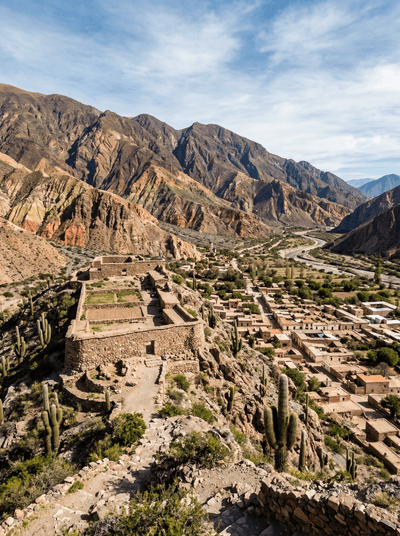
A pre-Inca fortress above a rainbow canyon where carnival explodes into devil masks.
Olinda
Brazil
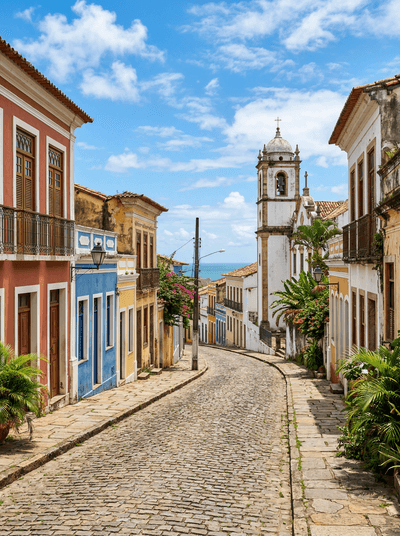
Candy-coloured colonial streets tumbling downhill to the sea, alive with maracatu drums and giant puppets.
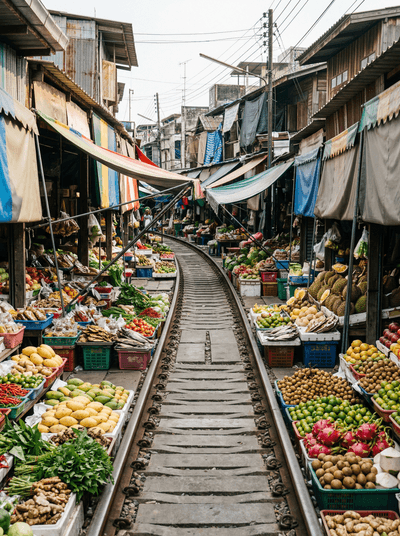
Mae Klong Railway Market
Thailand
Vendors snatch fish trays clear as a train passes inches through a full produce market.
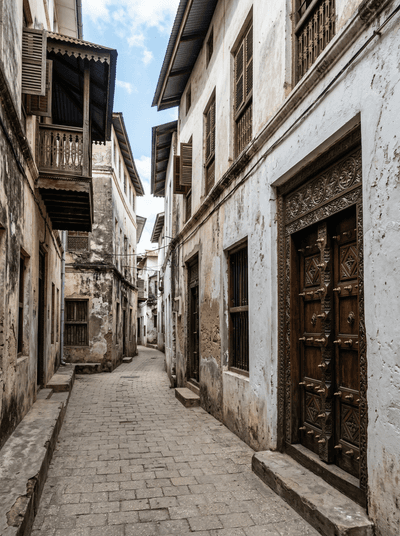
Stone Town
Tanzania
Five hundred carved doors open onto lanes that smell of clove and a thousand years.
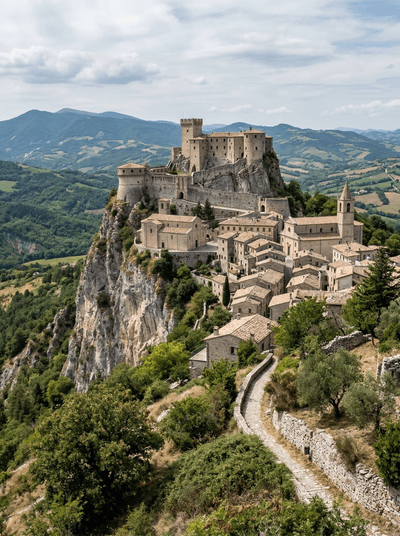
San Leo
Italy
The occultist Cagliostro died a prisoner in this fortress, in a cell entered through its ceiling.
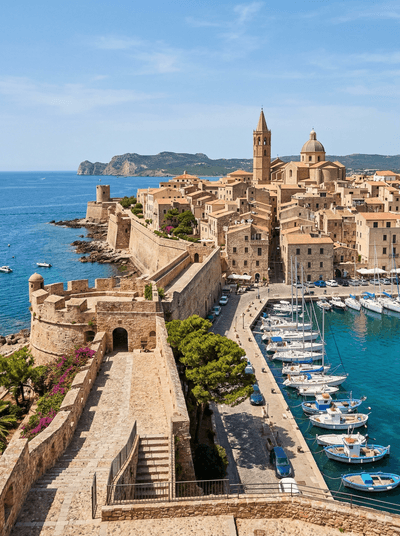
Alghero
Italy
Catalan spoken in Sardinian streets, coral divers returning to Gothic-arched harbour walls at dusk.
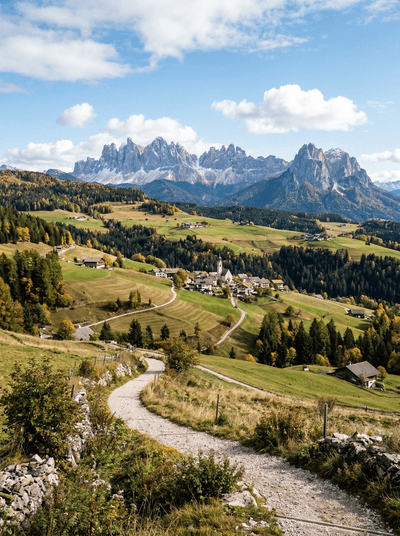
Altopiano del Renon
Italy
Boulder-capped clay towers spike out of the pines, the tallest earth pyramids in Europe.
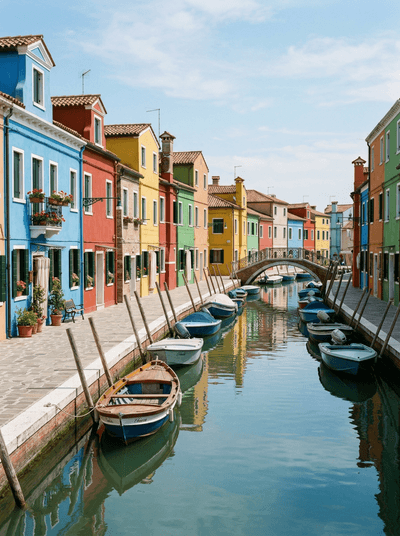
Burano
Italy
Every house a different colour on a lagoon island where lacemakers still work by windows.