Argentina
Tilcara
A pre-Inca fortress above a rainbow canyon where carnival explodes into devil masks.
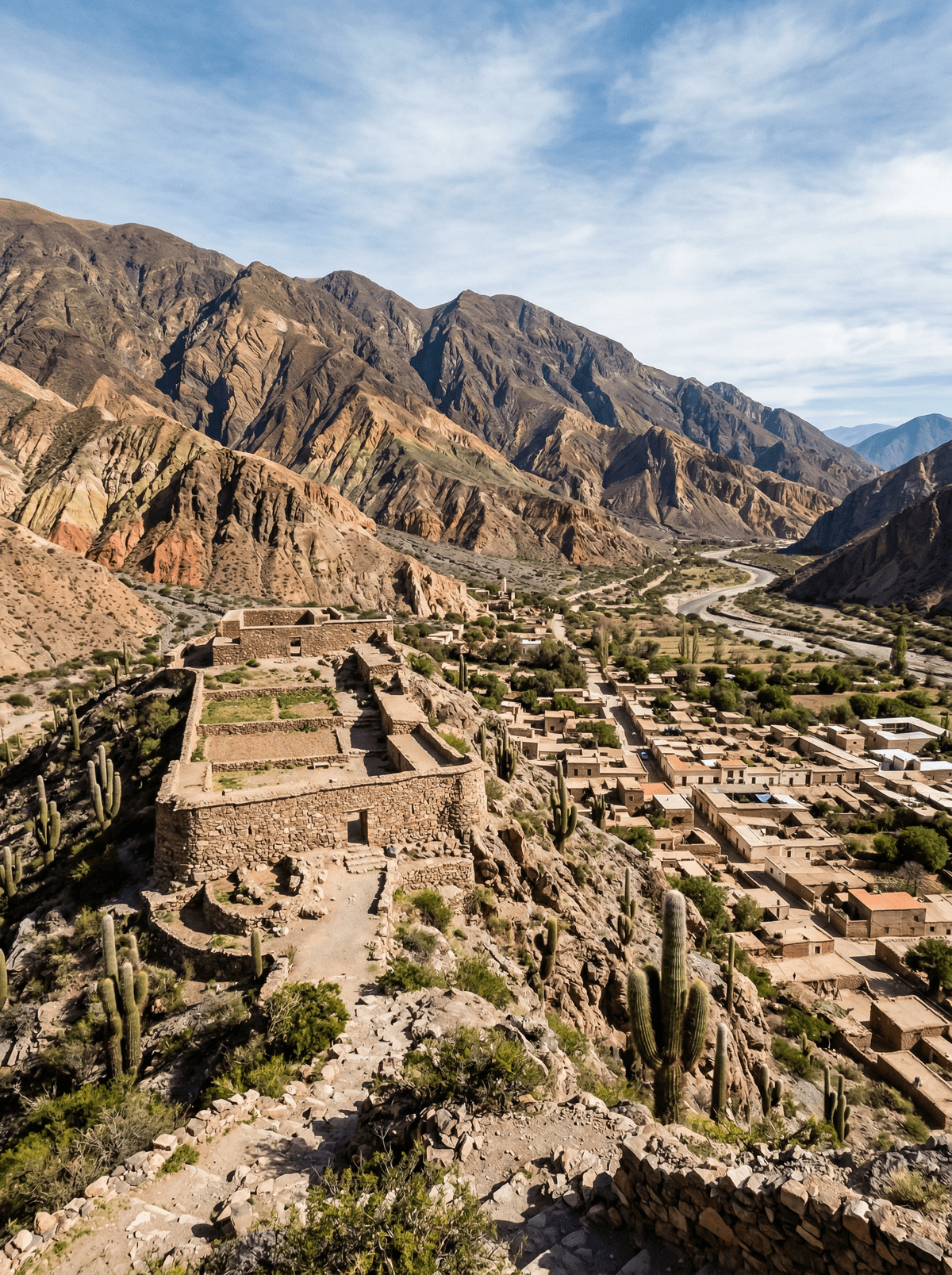
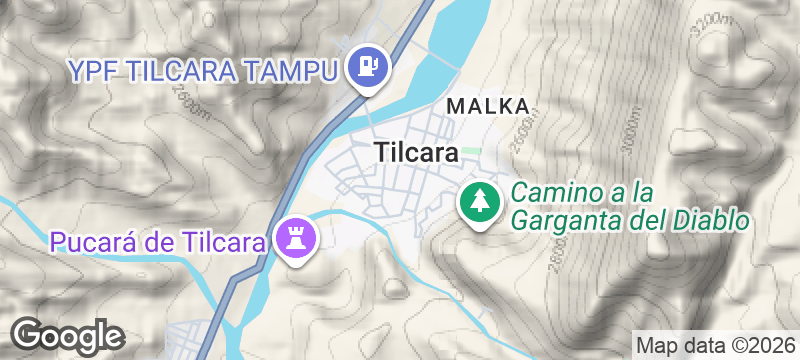
Tilcara rises in tiers from the Quebrada de Humahuaca floor to a ridgeline of cactus and clay, its steepest lanes better walked than driven and its Pucará visible from every corner of town. The hilltop citadel commands sightlines down twenty kilometres of coloured canyon in both directions — exactly as its builders intended.
This is the cultural centre of the UNESCO-listed quebrada, on the trade route that has linked the Bolivian altiplano to the Argentine lowlands for millennia. The Pucará was occupied by successive cultures from around 900 AD until the Spanish arrived; its excavation, begun in 1908 by the University of Buenos Aires, produced one of Argentina's most significant archaeological collections, kept in the museum below, and parts of the fortress were reconstructed in the campaigns that followed. A century of painters has given the village's galleries a weight unusual for its size, and carnival season here — devil-horned comparsas, flour in the air, the compadres and comadres traditions — dissolves the line between street and dance floor while it runs. Give the fortress its own unhurried time, then let the market streets and museums fill the rest; programmes and hours change, and the town rewards checking rather than assuming.
Solo
The Pucará early, before the first groups crest the hill, is one of the northwest's great solitary viewpoints — an hour on the walls watching the canyon's colours shift sets the whole day in context.
Couple
Archaeological depth, gallery culture and genuine local life make Tilcara the quebrada's most rewarding multi-day base — quiet back lanes after the main site, an unplanned courtyard or gallery to finish.
Family
The fortress gives children something to climb and explore — ruin scale, canyon views from the top, and a market below full of tangible souvenirs.
Friends
Friends can parcel the day among archaeology, food and a signed valley walk without sharing every interest, and reconvene over llama steaks.
- The Pucará de Tilcara commands the canyon from its cactus-studded hill above town.
- Carnival brings devil-horned comparsas and flour battles while the season runs.
- The archaeological museum holds grave goods and textiles from a century of quebrada digs.
- The market sells raw wool, dried herbs and grilled corn to farmers from surrounding villages.
Llama steak grilled rare, leaner and earthier than beef.
Humitas and tamales from market stalls, washed down with chicha fermented from purple corn.
Terceira
Portugal
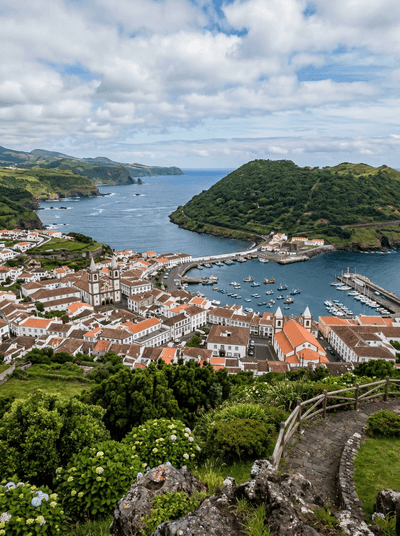
A UNESCO city with bull-runs in village streets and lava tunnels under the pastures.
Coimbra
Portugal
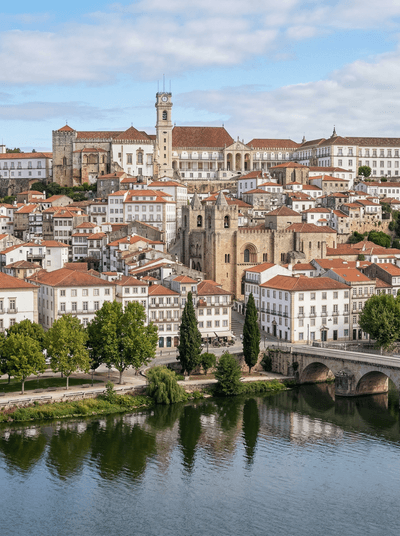
Black-caped students sing fado on medieval steps above a library gilded in Brazilian gold.
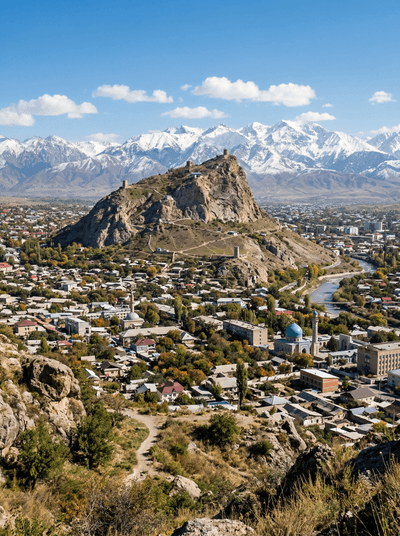
Osh
Kyrgyzstan
A five-peaked sacred mountain, worshipped for millennia, rising straight out of a Silk Road bazaar city.
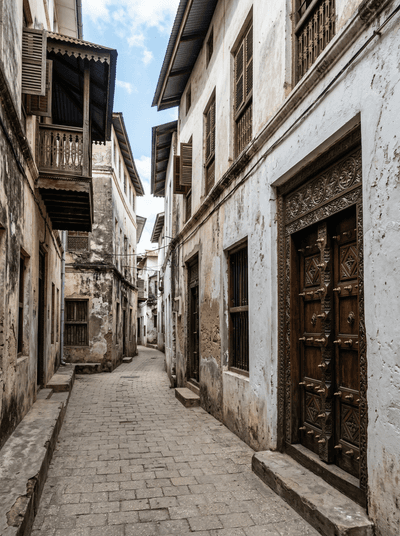
Stone Town
Tanzania
Five hundred carved doors open onto lanes that smell of clove and a thousand years.
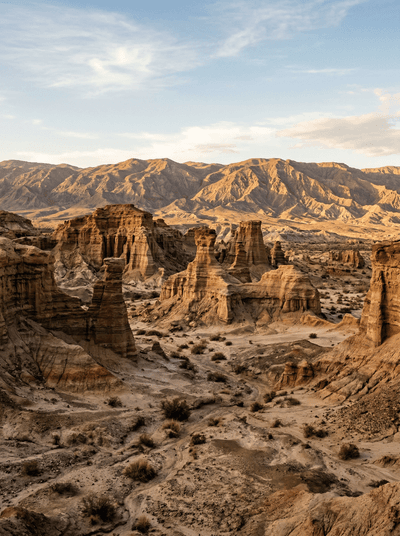
Ischigualasto
Argentina
A moonscape where the dinosaur age begins — bones in grey clay, stone spheres underfoot.
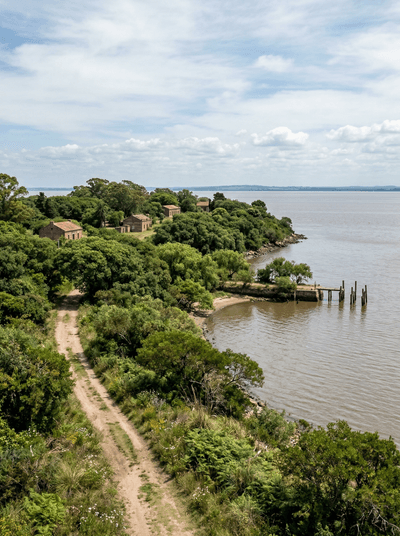
Isla Martín García
Argentina
Four Argentine presidents were imprisoned on this river island near Buenos Aires.
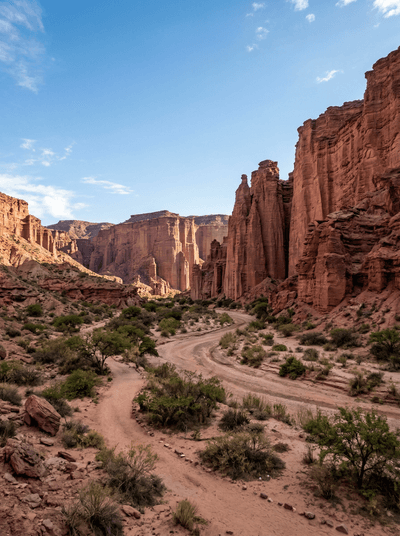
Parque Nacional Talampaya
Argentina
Red sandstone canyons where condors nest above dinosaur-age trackways in the riverbed.
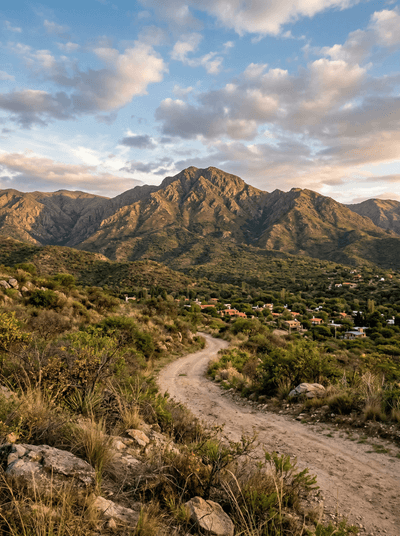
Capilla del Monte
Argentina
A mountain said to hum with strange energy, where UFO believers gather below the peak.