Brazil
Olinda
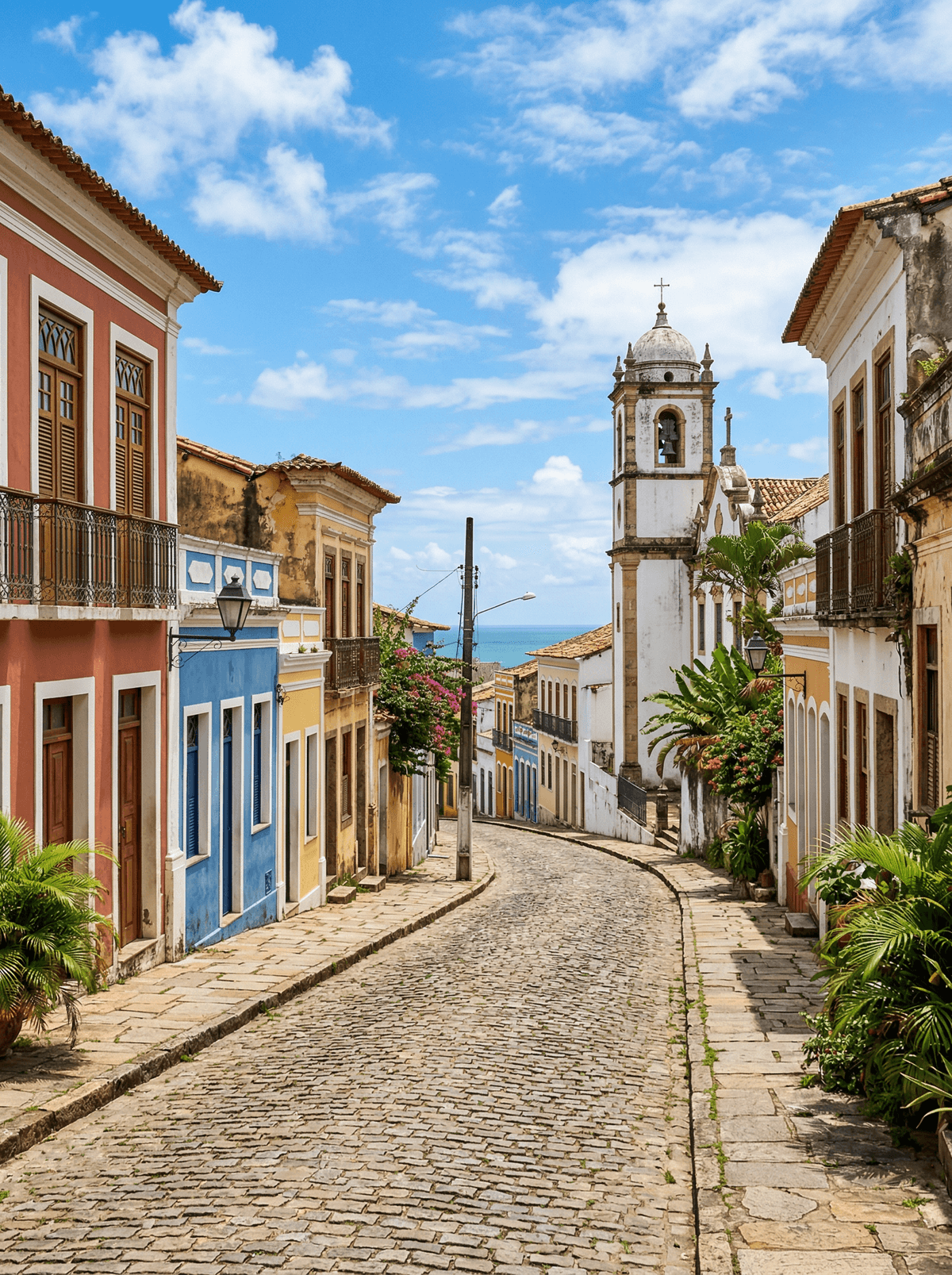
Candy-coloured colonial streets tumbling downhill to the sea, alive with maracatu drums and giant puppets.
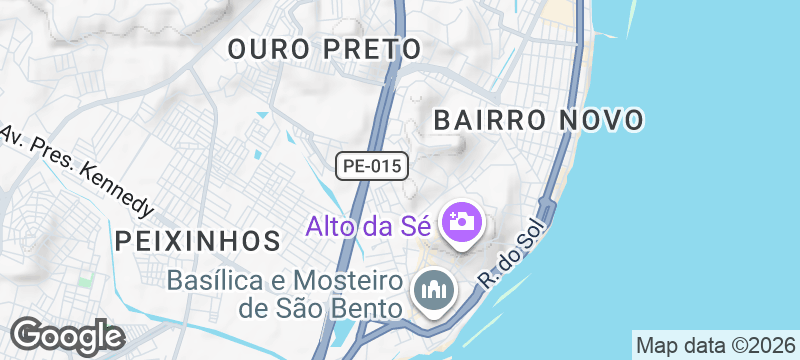
From the top of Alto da Sé the coast opens out, Recife's towers stacked along the horizon and Olinda's painted roofs dropping away below. The town was founded in 1535, rebuilt after the Dutch sacked it, and listed by UNESCO in 1982 for 1.2 square kilometres holding around fifteen hundred buildings.
Olinda was the first urban settlement in Pernambuco and one of the richest sugar capitals of colonial Brazil. Its central street pattern is largely eighteenth-century, with sixteenth-century colonial buildings sitting among azulejo facades from the seventeen and eighteen hundreds and neoclassical work from the twentieth. Carnival here is street-based and spread across the whole historic site, blocos, frevo, maracatu and the giant bonecos moving through the same lanes. It is also a long season: the ensaios start between the end of August and early September and the prévias build from January, so the drumming begins months before anyone is in costume.
Solo
The historic site is small enough to cross on foot in a morning. Start at Alto da Sé for the view and the tapioca, then work downhill through the churches and the ateliers at whatever speed the gradients allow.
Couple
Come from late August. The rehearsals are under way in the same streets that fill in February, and the town is still going about its ordinary business around them.
Friends
Carnival is the reason to bring a group: it runs through the lanes of the whole historic site, so the day is spent following blocos on foot.
Family
Children take to the bonecos fastest, and the ateliers keep them on show all year, so a visit works well outside Carnival week.
- Alto da Sé holds the cathedral, a craft market and one of the best-known viewpoints in Pernambuco.
- The Convento de São Francisco is counted as the first Franciscan convent in Brazil and keeps its Portuguese azulejos.
- The giant bonecos can be visited through the year in the town's ateliers, well outside Carnival.
- Carnival rehearsals begin between late August and early September, months ahead of the January prévias.
Tapioca made to order at the Alto da Sé stalls, filled with queijo coalho or carne de sol.
Bolo de rolo, sponge rolled paper-thin around guava paste, protected as Pernambuco heritage by state law since 2008.
Jeddah Al-Balad
Saudi Arabia
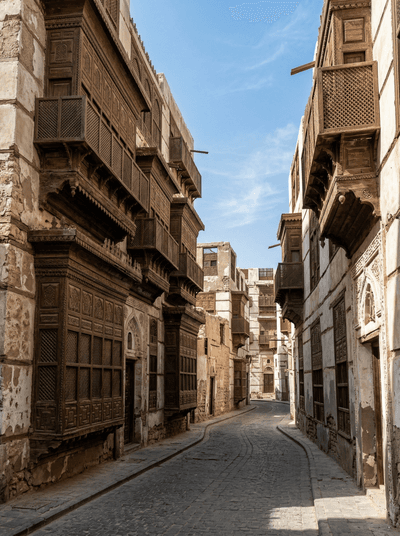
Coral-stone towers with carved wooden balconies leaning over spice-scented alleys.
Stone Town
Tanzania
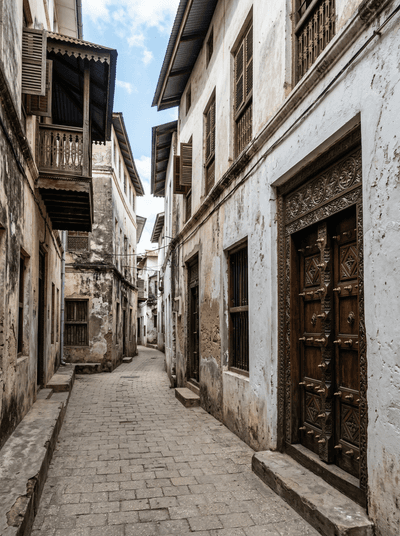
Five hundred carved doors open onto lanes that smell of clove and a thousand years.
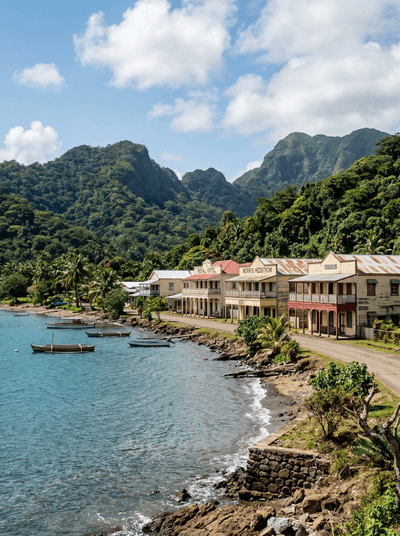
Levuka
Fiji
Fiji's first colonial capital frozen in the 1870s, wooden shopfronts sagging under tropical rain.
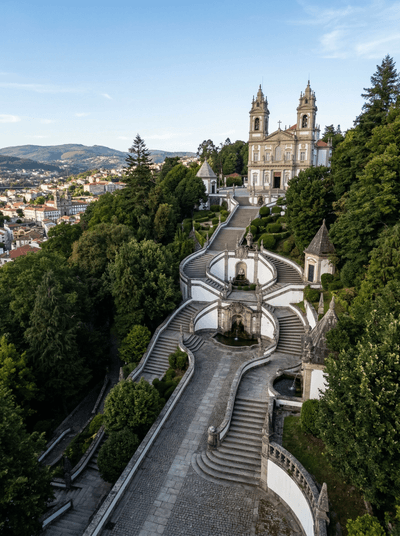
Braga
Portugal
A Baroque stairway zigzags heavenward through fountains of the five senses.
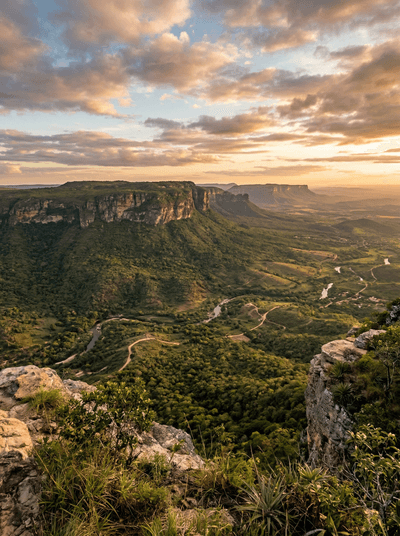
Chapada do Araripe
Brazil
Diggers call this rock pedras de peixe, fish stones, and that is exactly what is inside.
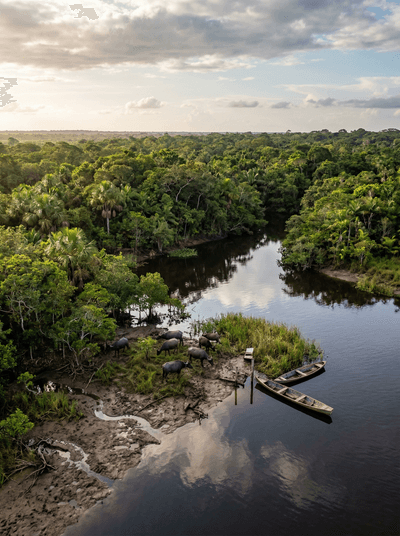
Ilha de Marajó
Brazil
The police here ride buffalo, because the flooded ground defeats anything with wheels.
Bananal Island
Brazil
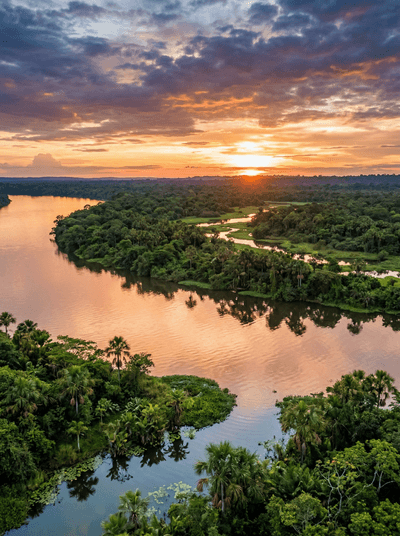
The world's largest river island spends much of the year under the water that made it.
Sete Cidades
Brazil
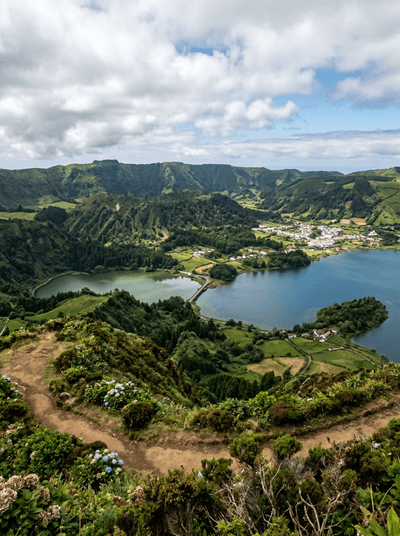
Sandstone eroded into what look like seven separate cities, with rock paintings inside them.