Brazil
Aparados da Serra
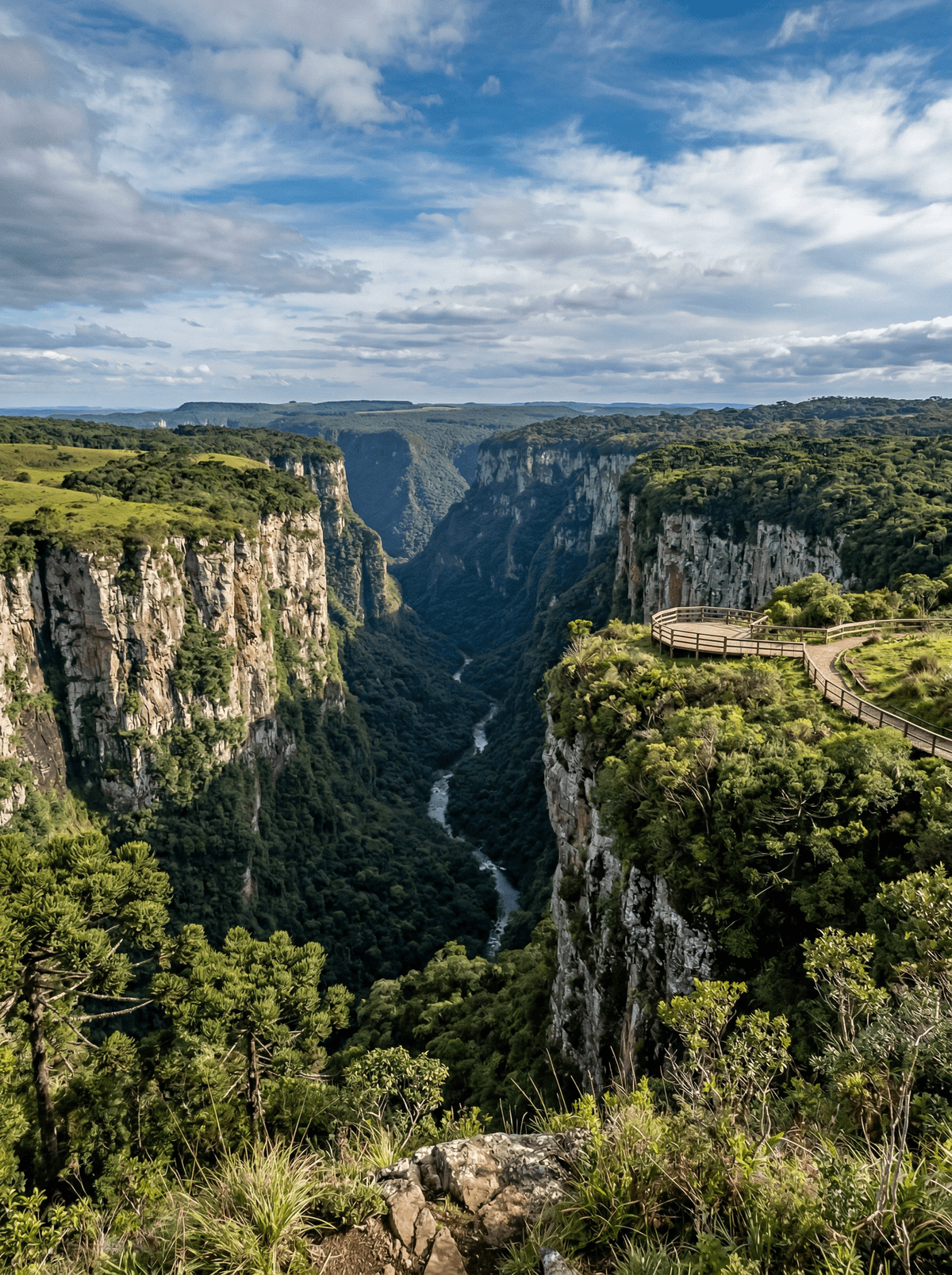
A five-hundred-metre waterfall drops straight off the rim into a gorge two kilometres wide.
The ground simply stops. Itaimbezinho runs 5.8 kilometres between walls two kilometres apart and 600 to 750 metres deep, and the water coming off the plateau goes over the edge into it: Cascata das Andorinhas falls 300 metres, Cascata Véu de Noiva falls 500. Aparados da Serra is the point where southern Brazil's tableland shears away, and you walk the top of it.
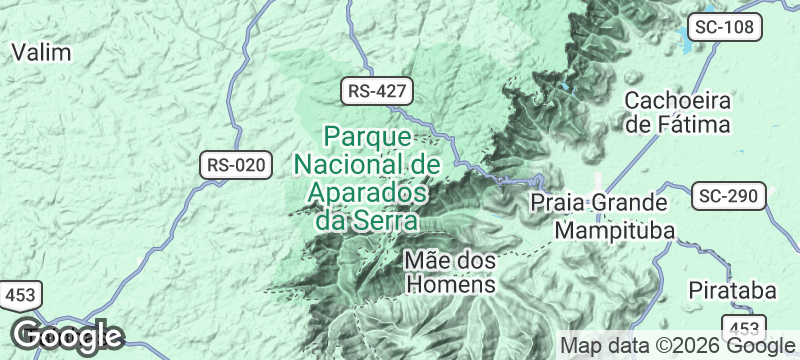
A decree of 17 December 1959 created the park to protect the Itaimbézinho and Faxinalzinho canyons, and its 12,966 hectares hold six threatened species, among them the vinaceous-breasted parrot and the puma. Araucaria forest runs along the rim, which is what the decree was written to save alongside the gorge itself. Getting here is nineteen kilometres out from the centre of Cambará do Sul, much of it dirt road, and the park supplies no guides at all, so a licensed conductor is hired in the town for every trail on the list. The canyon-floor route trips people up: the Trilha do Rio do Boi starts in a different state, at Praia Grande in Santa Catarina, covers 8.3 kilometres there and back over five to seven hours with a credentialed guide, and the Itaimbezinho ticket does not include it. The state tourism authority names July as the month to come, and the reason is worth knowing, because July is when fog is least likely, and fog is what turns a day up here into a white wall.
Solo
A hired conductor comes with every trail, so arrange one in Cambará do Sul the night before and take the first entry of the day. Mornings are when the canyon is most likely to be there at all.
Couple
Do the short Vértice walk first for the two waterfall viewpoints, then the Cotovelo along the rim after lunch. The ticket runs to three visits in seven days, so the second one can be Fortaleza in the neighbouring park.
Family
Both rim trails suit walkers of any age, forty-five minutes on the Vértice and about two and a half hours on the Cotovelo, but the Cotovelo closes to new walkers at three in the afternoon. Carry lunch and water, since nothing at all is sold inside the gates.
- The Trilha do Vértice is 1.4 kilometres and averages forty-five minutes, and it reaches the viewpoints over a 300-metre fall and a 500-metre one.
- The Trilha do Cotovelo runs 6.3 kilometres along the rim in two hours thirty, with the last entry at three in the afternoon.
- One ticket covers both Aparados da Serra and Serra Geral and stays valid for three visits inside seven days.
- A licensed conductor has to be hired in Cambará do Sul for every trail, because the park supplies none, and there is no food service inside it.
Galeto ao primo canto at Galeteria o Casarão, with polenta brustolada and cheese blistered on the grill beside it.
Campeira cooking at Família Costaneira, where the highland staples are beef and mutton with the local cheeses and cured sausage.
Cederberg
South Africa
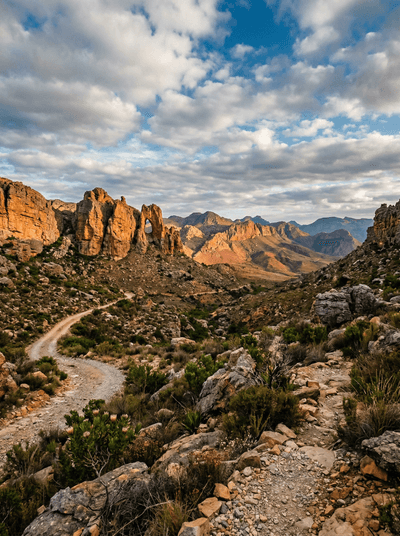
Red sandstone arches hold the last heat while rooibos valleys fall into shadow.
Coloured Canyon
Egypt
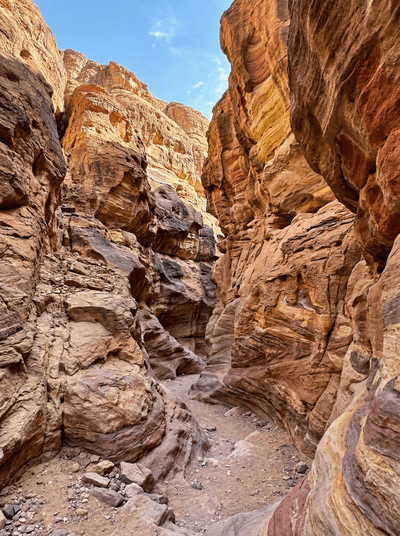
Sandstone walls rippling in rust, ochre, and violet, narrow enough to touch both sides.
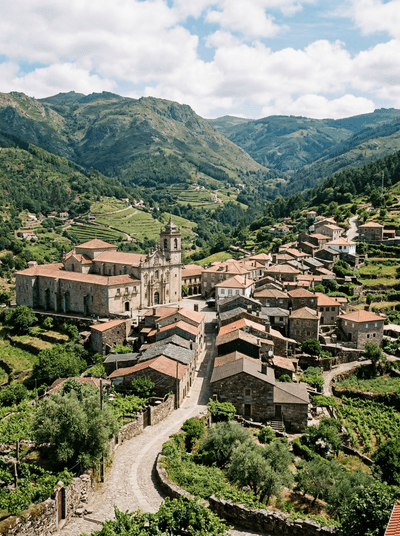
Arouca
Portugal
A 516-metre suspension bridge sways 175 metres above a gorge — Portugal's vertigo capital.
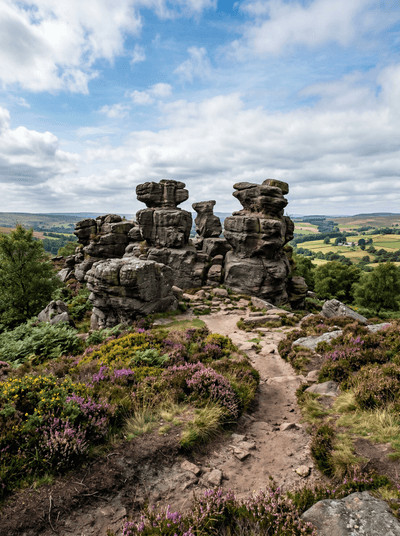
Brimham Rocks
England
Wind-carved boulders balanced on pinpoints like a giant's abandoned chess set.
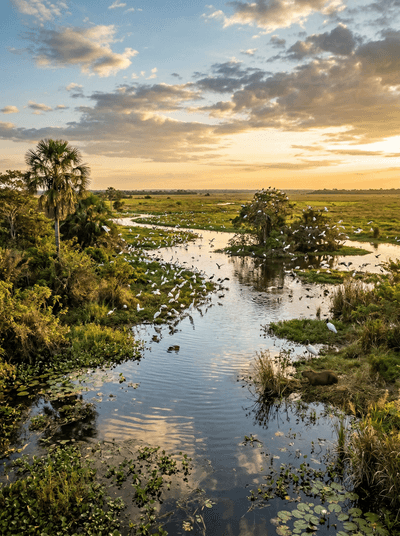
Pantanal
Brazil
When the water drops the animals come out, and the odds on a jaguar shorten.
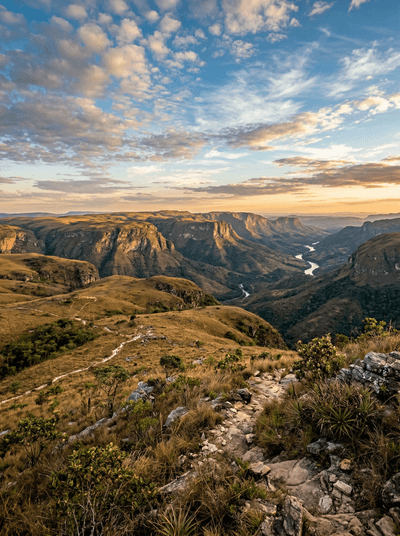
Serra da Canastra
Brazil
The São Francisco rises on this plateau and falls 186 metres fourteen kilometres later.
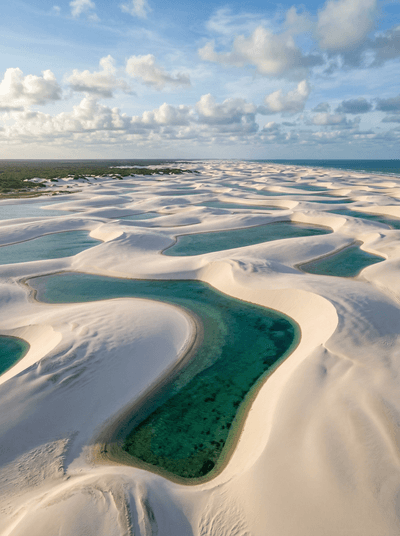
Lençóis Maranhenses
Brazil
Thousands of rain-filled lagoons between white dunes stretching to the horizon like another planet.
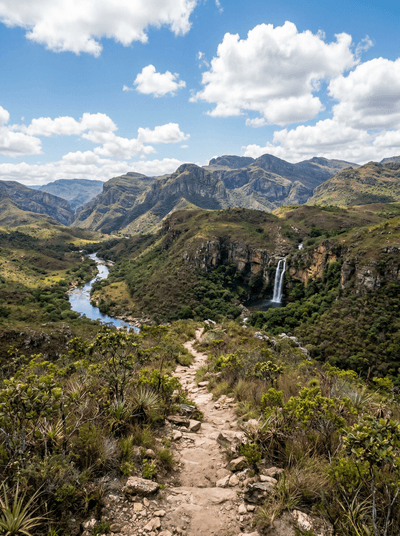
Serra do Cipó
Brazil
Stone meadows of flowers that hold their shape long after they dry, along a quartzite spine.