Chile
Arica
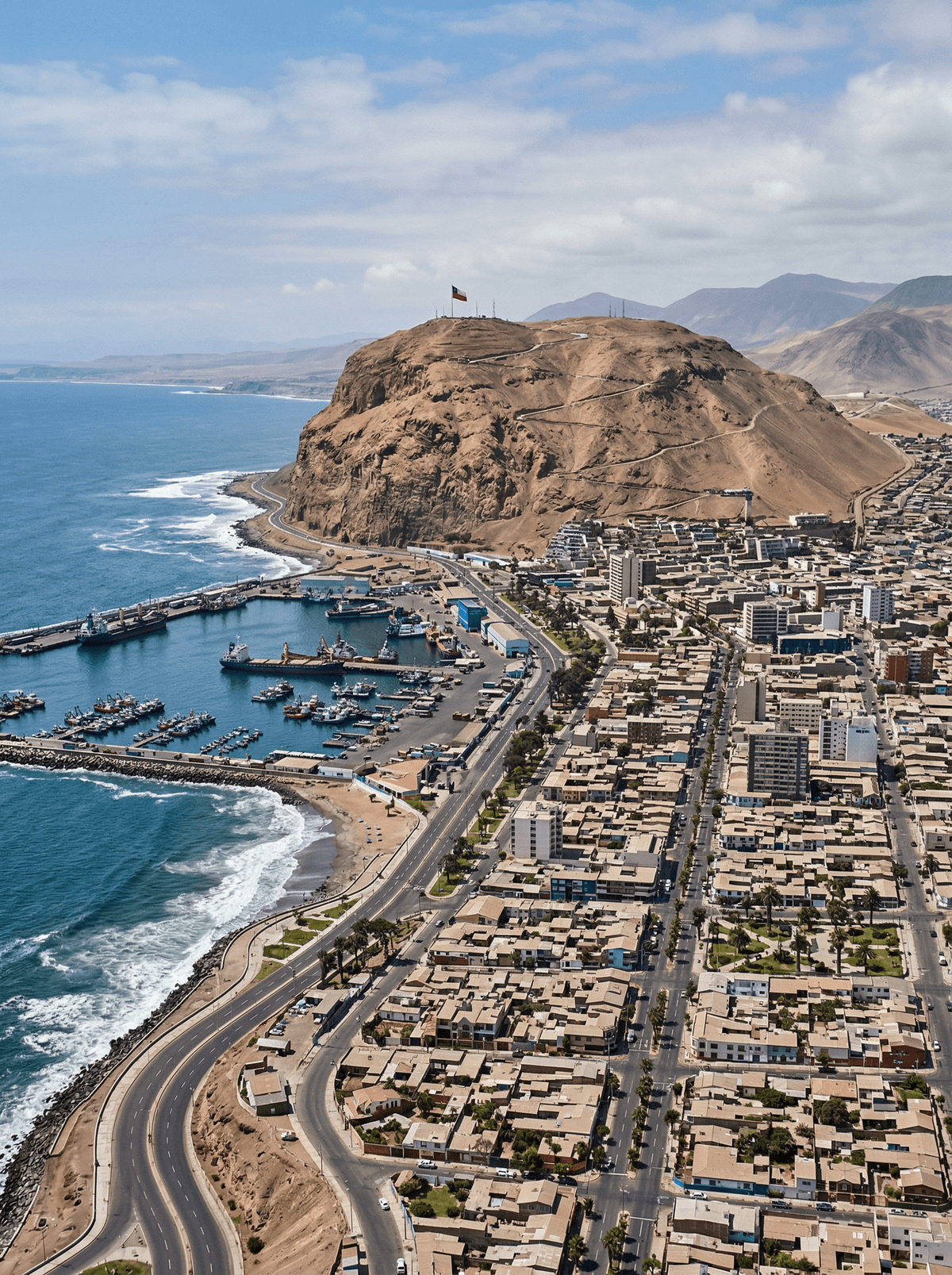
One of humanity's earliest mummification traditions rests beneath Arica's beaches and headland.
Pelicans skim the harbour while El Morro catches the first sun. A short distance away, museum rooms hold evidence of one of humanity's earliest mummification traditions.
Arica combines a working coastal city with the UNESCO-recognised Chinchorro landscape. Museums give essential context to the archaeology, while beaches and the Morro keep the visit connected to the present city. It is also the sensible low-altitude base before Putre and Lauca.
Solo
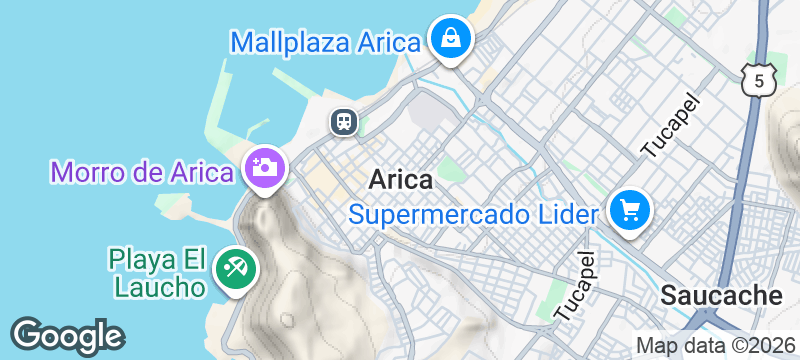
The museum, Morro and waterfront form an easy independent city circuit before any highland transfer.
Family
Chinchorro interpretation and gentle coast time offer history and open space in the same day.
- Arica joins Pacific beaches, the Morro headland and museums holding the Chinchorro mummification heritage.
- The Azapa Valley at the city's edge grows olives with their own protected origin.
- Sea-level Arica is the natural first stop before any climb towards Putre and Lauca.
Azapa olives, grown five kilometres from the centre, hold their own protected origin and four traditional cures.
The same valley produces tropical fruit and vegetables all year round.
Ravenna
Italy
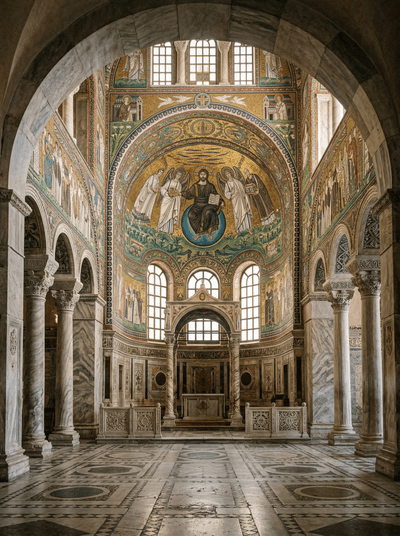
Byzantine mosaics so luminous the gold tiles still burn after fifteen centuries.
Bodh Gaya
India
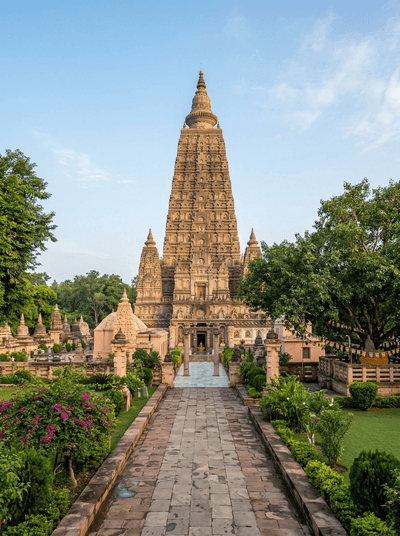
Maroon-robed monks chanting beneath the descendant of the fig tree where Buddhism itself began.
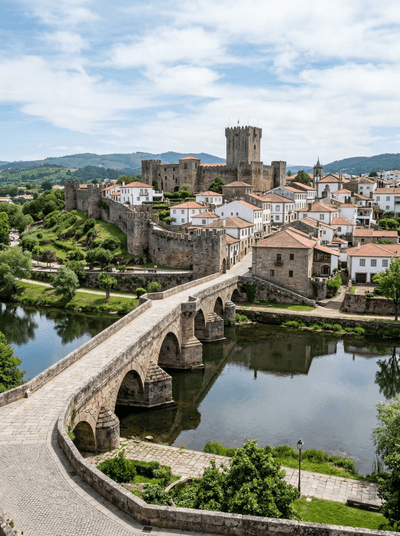
Chaves
Portugal
Roman baths still steam beside a bridge Trajan built — thermal water hot for two millennia.
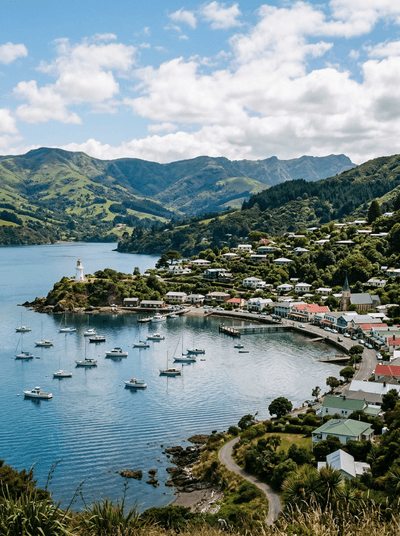
Akaroa
New Zealand
French street names and a crater harbour where the world's smallest dolphins feed.
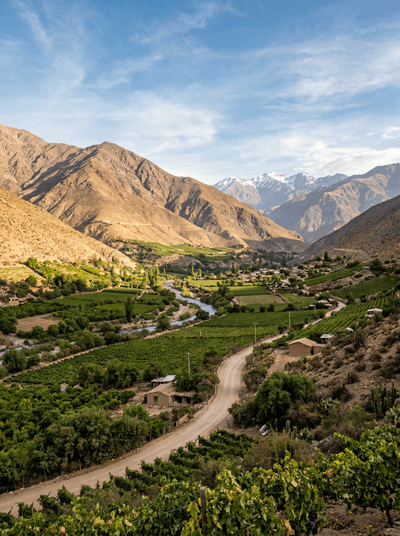
Elqui Valley
Chile
Pisco vines and observatory domes share a clear-skied Andean valley.
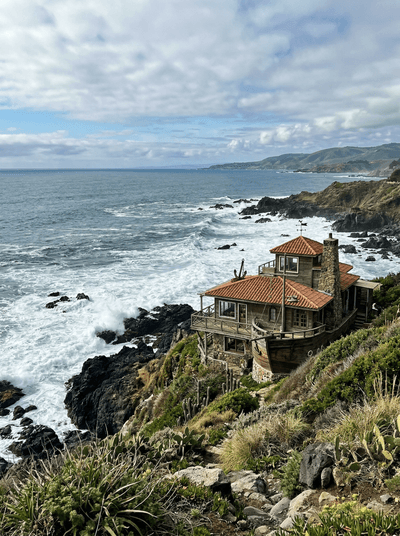
Isla Negra
Chile
Neruda's house of collections faces a Pacific coast of black rock and white water.
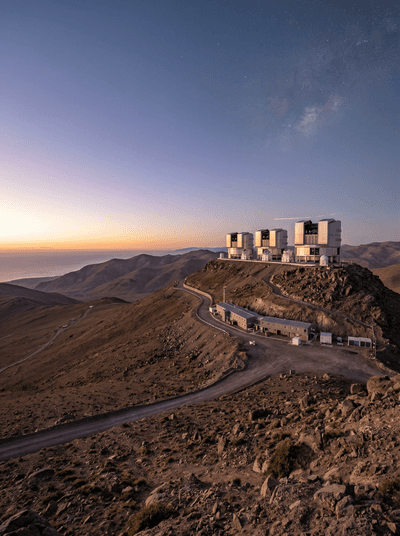
Observatorio Paranal
Chile
Four silver domes crown a levelled mountain summit in the driest desert on Earth.
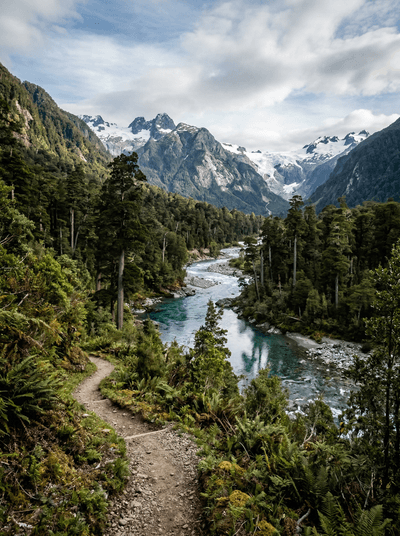
Parque Pumalín Douglas Tompkins
Chile
Ancient temperate forest fills the space between volcanoes and Patagonian fjords.