Portugal
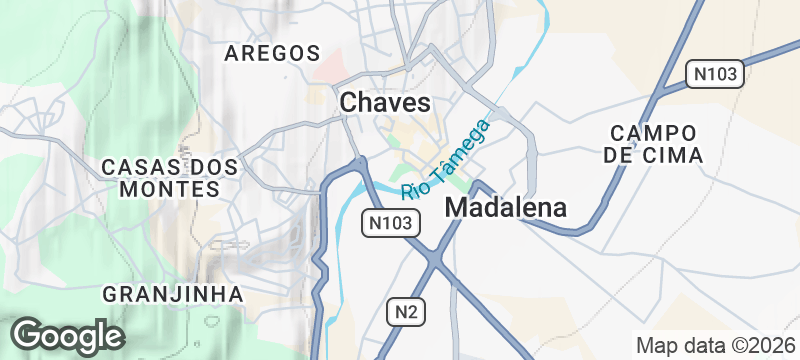
Chaves
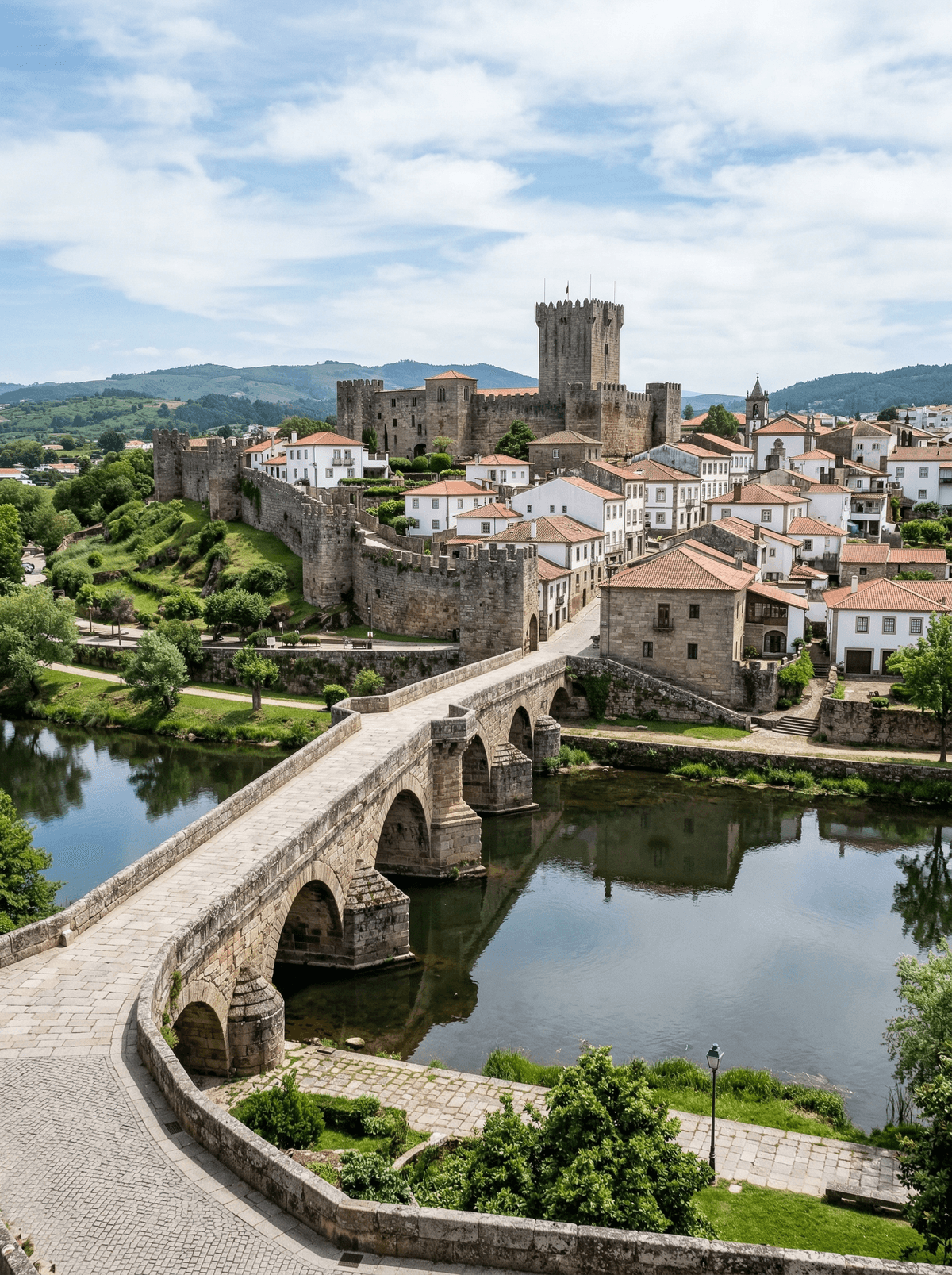
Roman baths still steam beside a bridge Trajan built — thermal water hot for two millennia.
Steam rises from the thermal springs in the centre of Chaves, curling past the Roman bridge that has spanned the Tâmega since Trajan's engineers finished it. The water surfaces at 73 degrees, carrying the same minerals that drew legionaries here to heal, while across the river the old town stacks up in layers of granite and colour.
Chaves is one of Portugal's oldest continuously inhabited spa towns — Roman Aquae Flaviae, its waters documented since the first century. Trajan's bridge, completed around 104 AD and among Iberia's best preserved, still carries pedestrians over the river with original milestones standing at its ends. The fourteenth-century keep houses the military museum, the streets around it layer Romanesque through Baroque, and the town still channels the same geothermal source the Romans tapped — mineral water in something close to two thousand years of continuous therapeutic use. The upper Tâmega basin feeds the town's other fame: PDO presunto cured in the mountain air, and pastéis de Chaves, flaky veal-filled parcels protected by law and properly made only here.
Solo
The springs, the compact old town and the frontier atmosphere make an ideal solo base for the remote Trás-os-Montes — unhurried pace, hearty food, and a Roman bridge that alone justifies the journey north.
Couple
Roman history paired with thermal relaxation as few European spa towns manage — mornings across Trajan's bridge, afternoons in thermal water, evenings sharing warm pastéis.
Family
Thermal water, a fourteenth-century keep and a walkable town that fills two or three days deep in Portugal's north.
- Trajan's bridge of c.104 AD still crosses the Tâmega, milestones standing at each end.
- The springs surface at 73 degrees into a spa tradition running since the first century.
- Pastéis de Chaves are protected by law and properly made only in this municipality.
- PDO presunto cures in the Trás-os-Montes mountain air by methods specific to it.
Pastéis de Chaves — flaky pastry parcels of seasoned veal, best eaten warm.
Presunto from the surrounding hills and river trout grilled simply with garlic.
Gaiman
Argentina
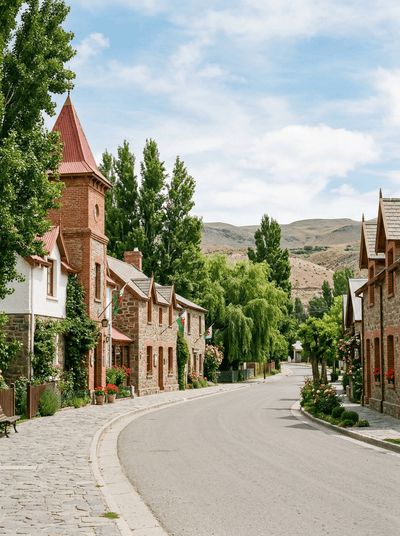
Welsh teahouses serving bara brith and cream scones in the middle of Patagonian steppe.
Bodh Gaya
India
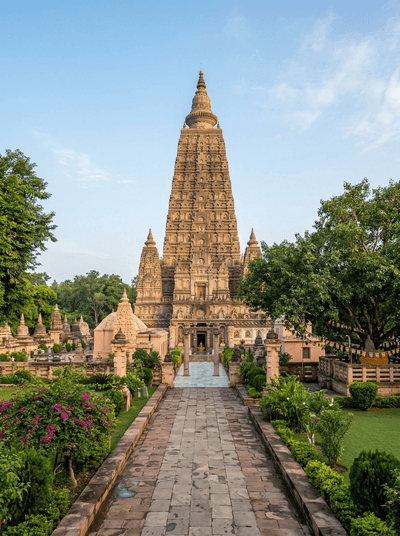
Maroon-robed monks chanting beneath the descendant of the fig tree where Buddhism itself began.
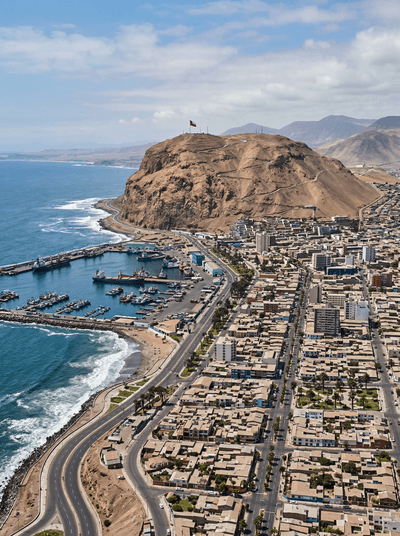
Arica
Chile
One of humanity's earliest mummification traditions rests beneath Arica's beaches and headland.
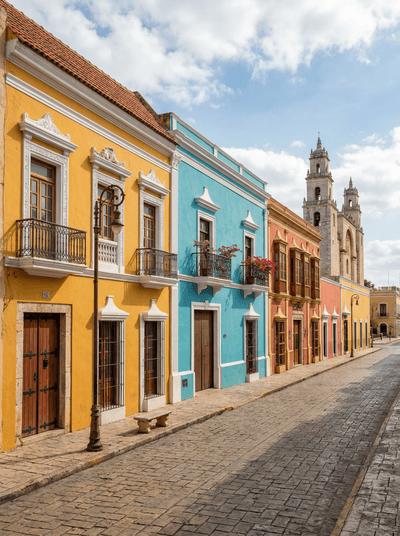
Mérida
Mexico
A white-walled city where henequen mansions age gracefully and Sunday streets fill with dancing.
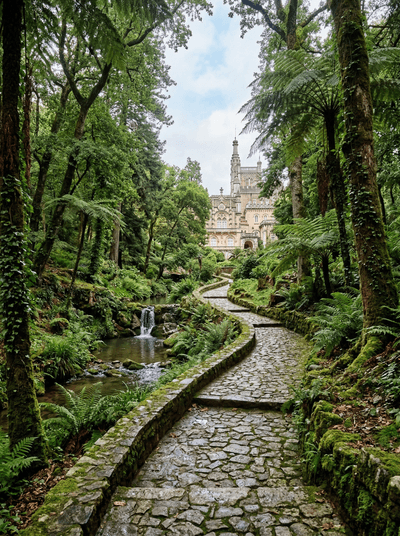
Buçaco Forest
Portugal
A walled forest of seven hundred species, its cedar Via Crucis climbing cathedral canopy.
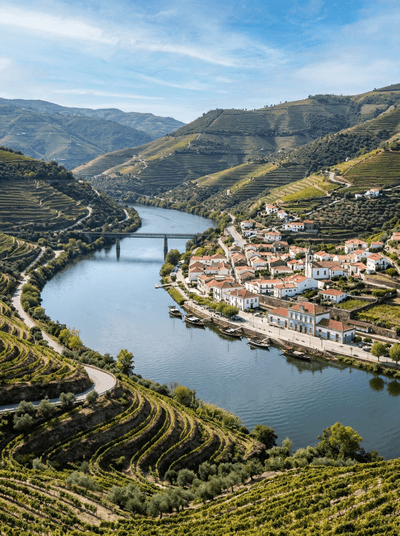
Pinhão
Portugal
Terraced vineyards plunge to the Douro so steep the harvest travels by shoulder.
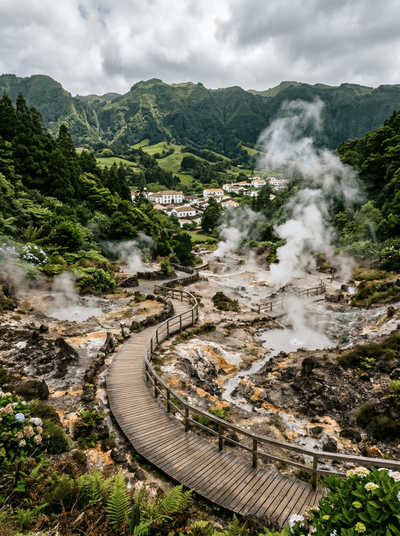
Furnas
Portugal
Hot springs bubble through botanical gardens while stew slow-cooks in volcanic earth.