
Chile
Parque Pumalín Douglas Tompkins
Ancient temperate forest fills the space between volcanoes and Patagonian fjords.
Rain darkens the trunks while boardwalks pass ferns taller than a person. Beyond the forest, steep valleys descend towards narrow salt water.
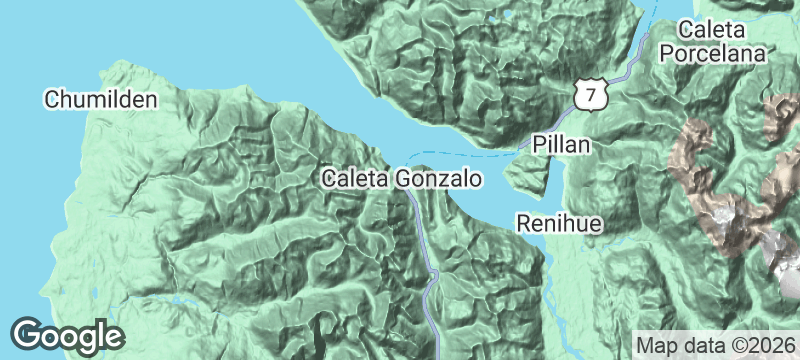
Pumalín protects a vast band of temperate rainforest, volcanoes and fjord country along the northern Carretera Austral. Signed trails and campsites sit in sectors divided by road and ferry, so moving between them becomes half the story. Severe weather can close access, making current notices essential.
Solo
Neighbouring signed trail sectors make a focused independent journey possible along Route 7.
Family
Short forest paths and campsites can reveal the rainforest without demanding the park's hardest volcanic routes.
- Pumalín protects temperate rainforest, volcanoes and fjord country along the northern Carretera Austral.
- Signed trails, campsites and visitor sectors are reached by road and ferry, with closures possible after severe weather.
- Its conservation story belongs alongside the practical experience of walking through dense native forest.
Caleta Gonzalo's café at the ferry landing bakes fresh bread and homemade meals.
Its fixed-menu sandwiches are the walkers' standby between trailheads.
Souss-Massa National Park
Morocco
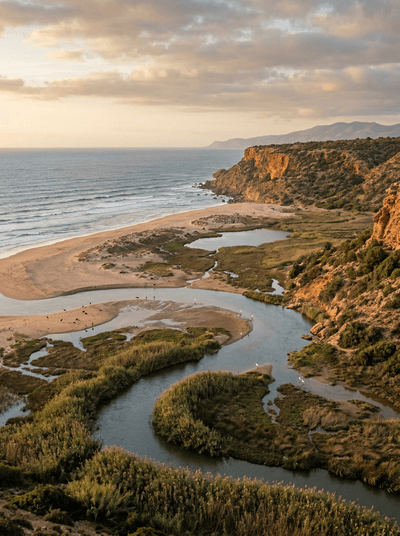
Red-faced ibises lift from Atlantic cliffs while migrants crowd a desert-edge estuary.
Boseong
South Korea
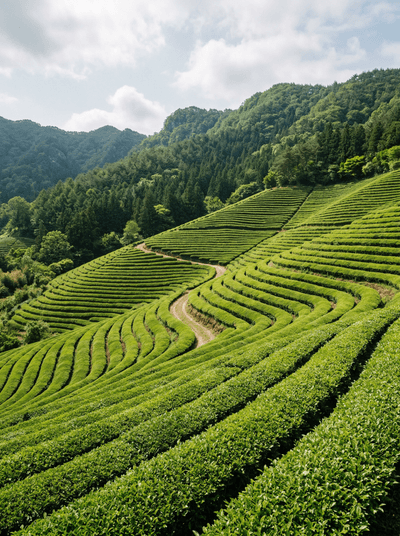
Five hundred hectares of tea rows climb into the morning fog in parallel lines.
Meru National Park
Kenya
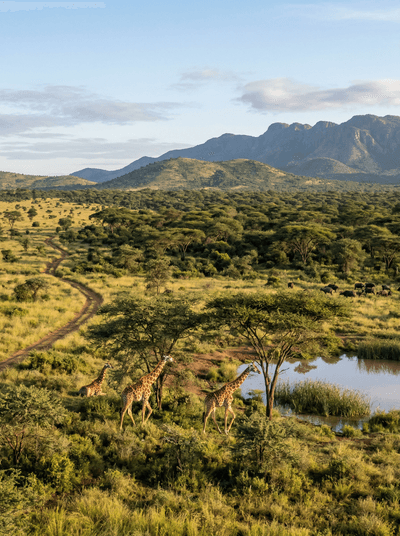
Born Free country — a park that collapsed under poaching and rebuilt itself from ruin.
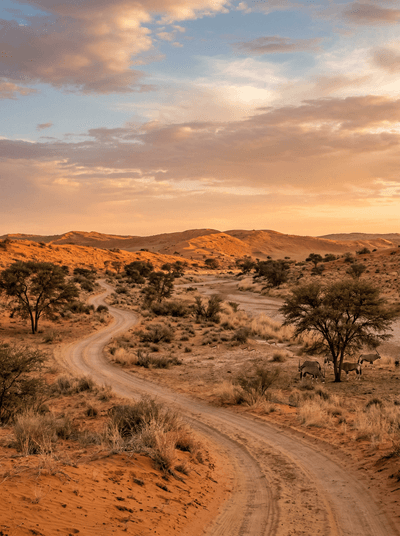
Kgalagadi Transfrontier Park
South Africa
Black-maned lions patrol dry riverbeds between red dunes and camelthorn trees.
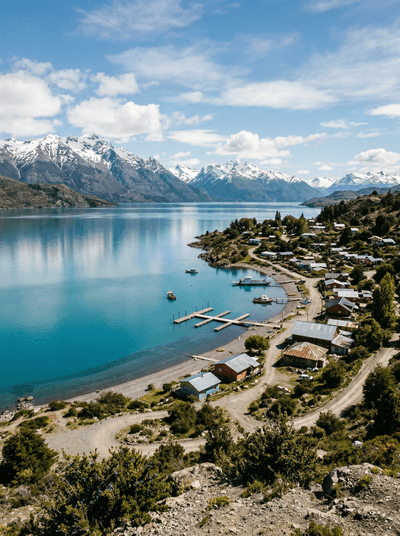
Chile Chico
Chile
Orchards and bright glacial water open onto Patagonia's Jeinimeni country.
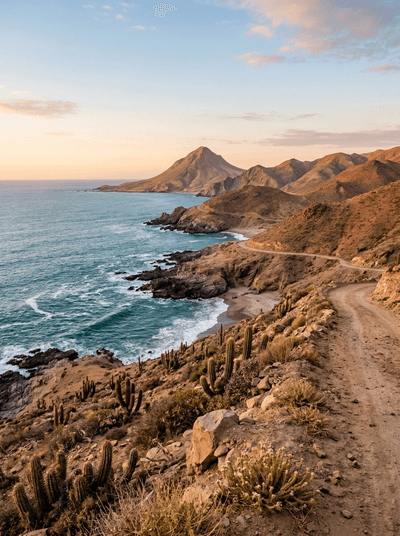
Parque Nacional Pan de Azúcar
Chile
Cactus-covered desert slopes fall straight into cold Humboldt Current coves.
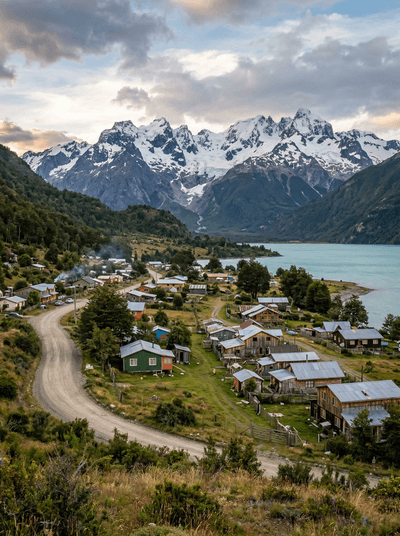
Villa O'Higgins
Chile
Route 7 ends where ferries and trails continue into lakes and Patagonian ice.
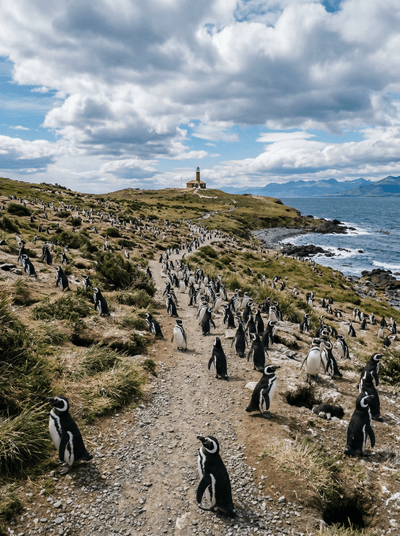
Isla Magdalena
Chile
A marked island path threads through a seasonal Magellanic penguin colony.