Kiribati
Banaba
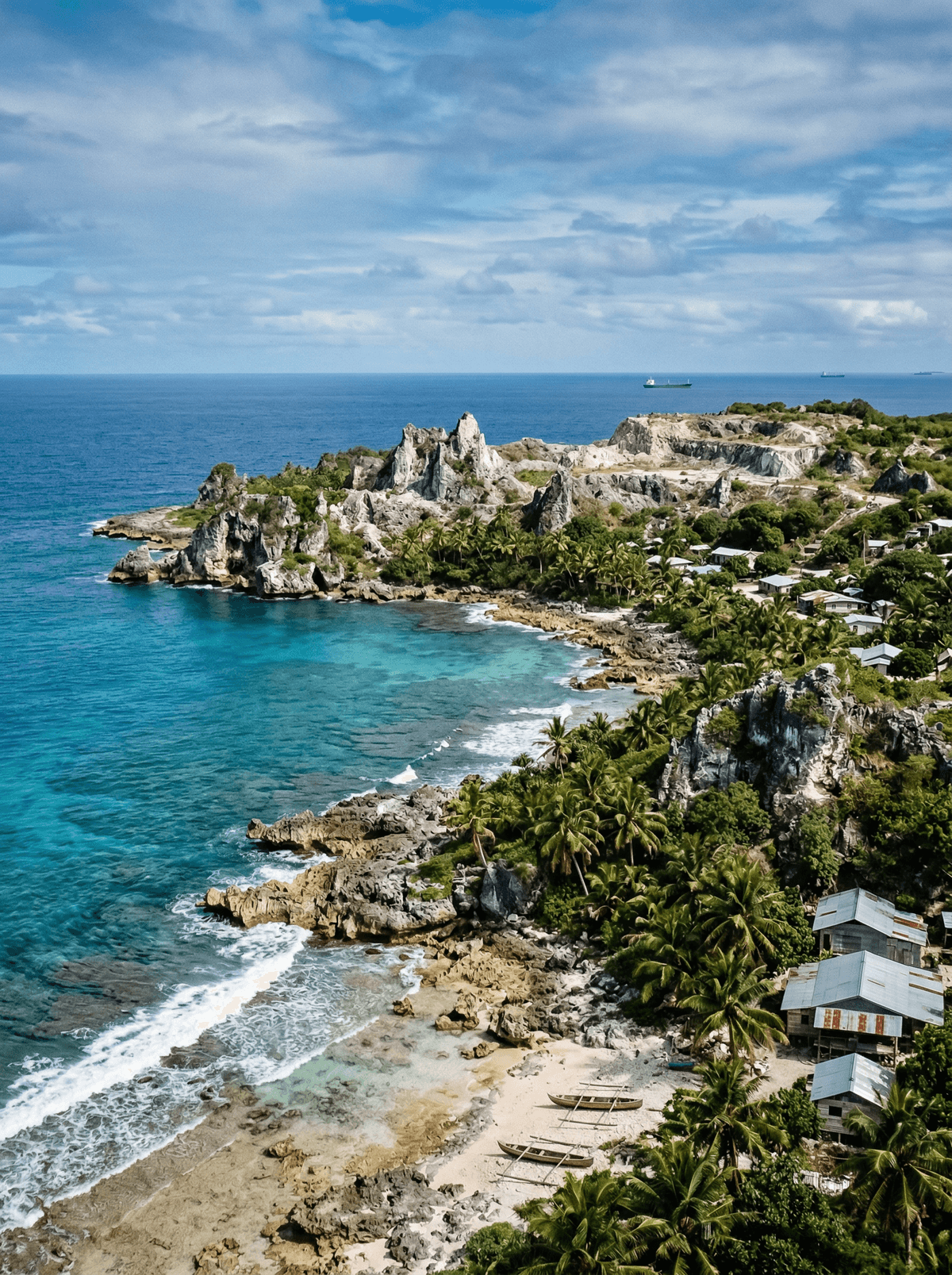
Ninety per cent of this island was stripped and shipped away. Coral pinnacles and silence remain.
The wind carries nothing but silence across a landscape that looks like it has already ended. Coral pinnacles rise from the gutted interior where ninety per cent of the island's surface was carved away and shipped overseas. Banaba is not a place that softens its story. What happened here is written into the ground itself.
Between 1900 and 1979, British and Australian phosphate companies removed an estimated 22 million tonnes of rock from Banaba — also known as Ocean Island — shipping the island's topsoil to fertilise farmland in Australia and New Zealand. During the Second World War, a Japanese garrison occupied the island and executed most of the remaining civilian population. The original Banaban people were relocated to Rabi Island in Fiji in 1945 and never fully returned; their descendants maintain a separate cultural identity to this day. What remains on Banaba are coral limestone pinnacles that mining equipment could not remove, standing across the hollowed interior like monuments to extraction. A handful of returnees now live on the island, fishing and growing what the damaged soil allows.

Solo
Solo travellers can move through the coral pinnacles at a pace that allows the scale of what happened here to register — the mining, the displacement, the silence that followed.
- Between 1900 and 1979, British and Australian phosphate companies removed an estimated 22 million tonnes of phosphate rock from Banaba, shipping the island’s surface to fertilise farmland in Australia and New Zealand.
- During WWII, the Japanese garrison executed most of the remaining civilian population — a war crime that remained largely unknown outside the Pacific for decades after the war ended.
- The original Banaban population was relocated to Rabi Island, Fiji in 1945 and never fully returned; their descendants on Rabi still hold Banaban citizenship and maintain a separate cultural identity.
- What remains are coral limestone pinnacles that mining equipment could not remove, standing across the gutted interior like a landscape from which everything that could be taken has been taken.
A handful of returnees share fish and rice in the shadow of coral pinnacles left by the miners.
Te kabubu — dried pandanus paste — chewed slowly while the sun sets over the gutted interior.
Millennium Cave
Vanuatu
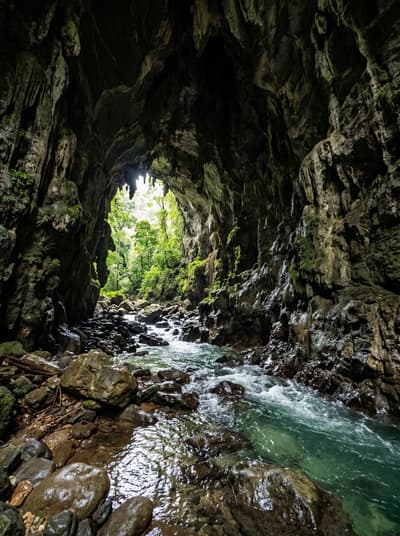
Scramble through jungle and wade chest-deep rivers to a cave you enter walking and exit floating.
Maryang-ri
South Korea
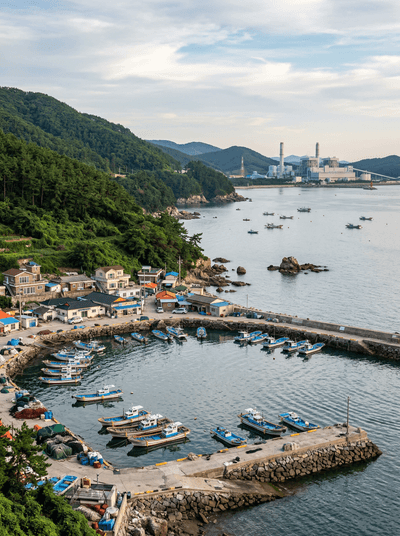
A five-hundred-year-old forest of camellia trees bleeding red flowers against the grey winter sea.
Phong Nha
Vietnam
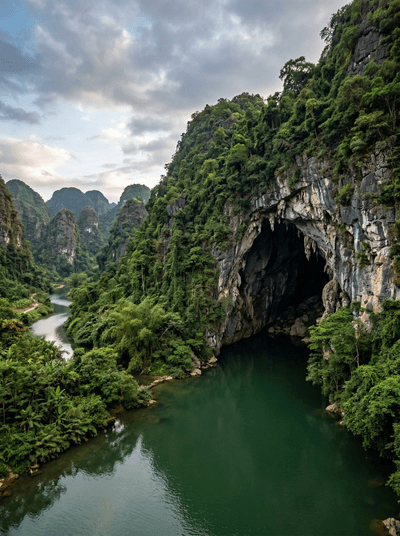
Hidden jungle portals opening into subterranean river systems and limestone caverns.
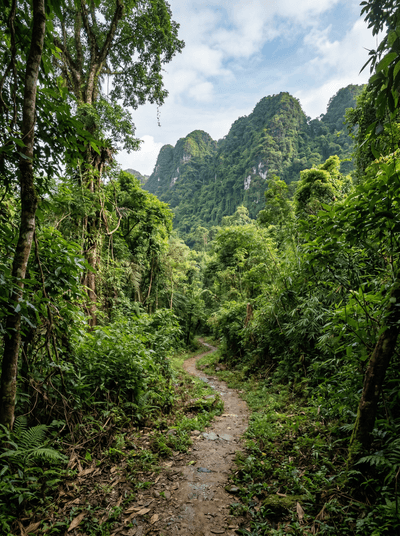
Cuc Phuong National Park
Vietnam
Millennium-old trees rising above a jungle floor swarming with millions of white butterflies each spring.
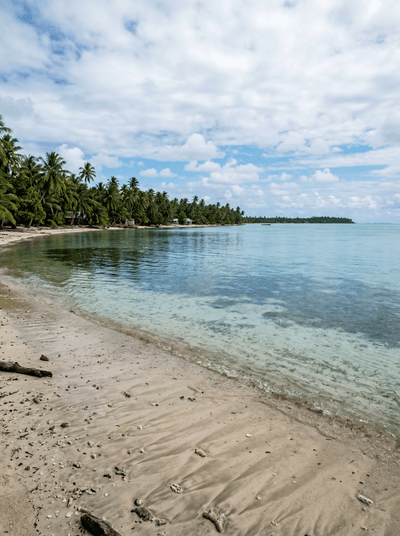
Betio
Kiribati
Rusting Japanese guns still point seaward from beaches where a thousand Marines fell in 76 hours.
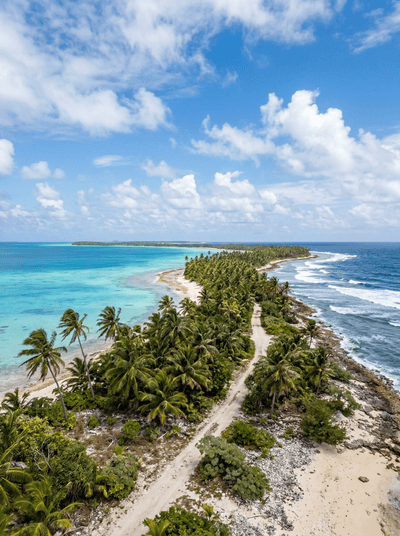
North Tarawa
Kiribati
Wade across turquoise shallows between villages where outrigger canoes are still the only road.
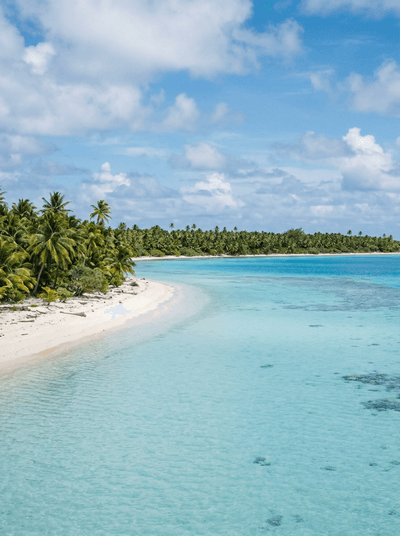
Kiritimati
Kiribati
Bonefishers wade endless turquoise flats while millions of seabirds darken the sky above.
Abaiang
Kiribati
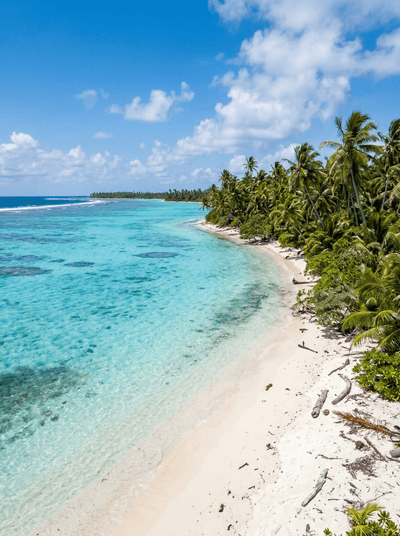
Foundations of a drowned village emerge at low tide — the Pacific already reclaiming this atoll.