Wales
Blaenavon and Big Pit
Ride 300 feet down a real coal mine with a miner, in a UNESCO industrial landscape.
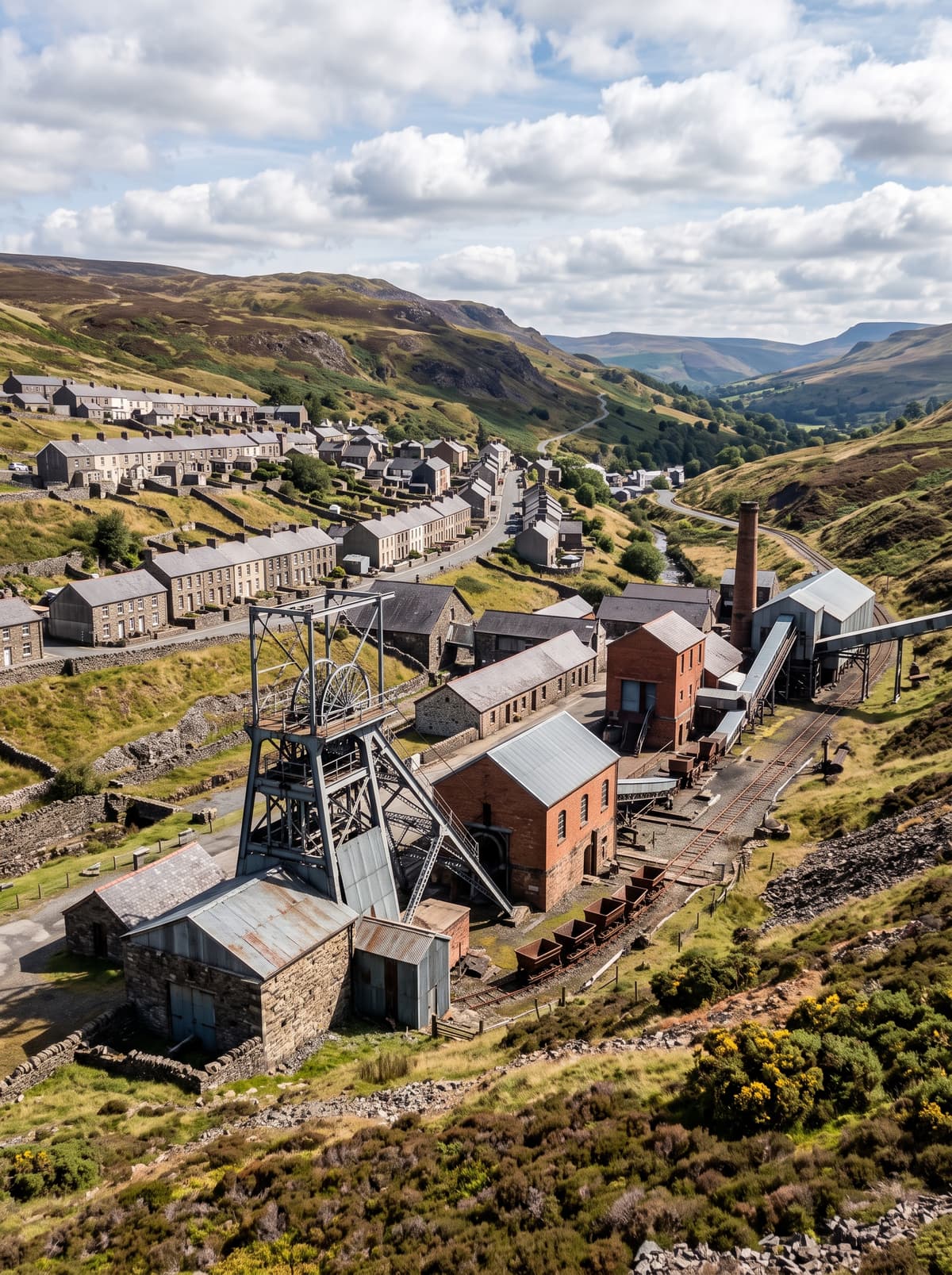
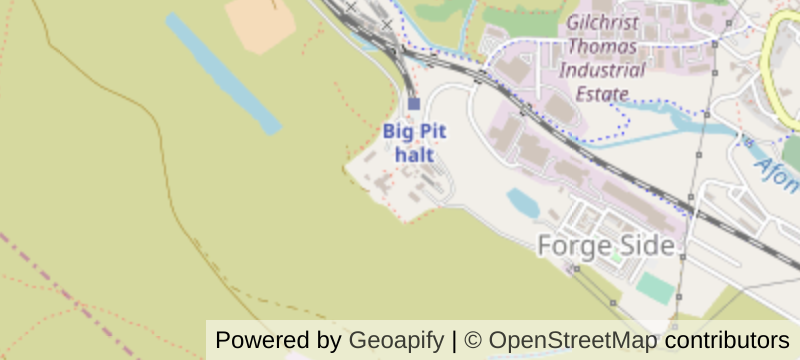
The tour takes you 300 feet down into a coal mine's original tunnels, in a colliery that cut coal until 1980. Big Pit at Blaenavon, in the south Wales valleys, is a real mine that became a national museum, set on the heather moors of a valley UNESCO listed as a World Heritage Site because nowhere tells the whole industrial story so completely.
The pit opened in 1860 and cut coal until 1980, employing up to 1,300 people, and the underground tour led by former miners is the core of the visit; above ground the Pithead Baths carry a moving exhibition on miners and their families, the Lamp Room keeps live canaries, and King Coal takes you through a modern mine on screen. Down the hill the ironworks of 1789 keep their furnaces, casting houses, calcining kilns, workers' cottages and the water-balance lift of 1839, and around them lies the relict landscape of quarries, tramroads and lost settlements that carried coal, iron ore, fireclay and limestone across the hills to the canal and the world. The town itself is part of the site, with St Peter's church built by the ironmasters in 1804, the Workmen's Hall paid for by workers' subscriptions in 1894, and the old St Peter's School now the World Heritage Centre with a café over the churchyard. Keeper's Pond on the mountain above and the Monmouthshire and Brecon Canal below make the outdoors half of the day. It is not pretty in the postcard sense, and that is the whole point; this valley made the modern world and still looks like it.
Solo
The first underground tour of the day, the ironworks after lunch, and the walk up to Keeper's Pond for the view over it all.
Couple
The mine and the ironworks, a canteen lunch, and an evening in Abergavenny a few miles down the road.
Family
Hard hats and 300 feet of descent, canaries in the Lamp Room, and an ironworks that looks like a film set.
Friends
A day underground and on the moors, then Abergavenny's food scene for the evening.
- Big Pit is a real coal mine, and its underground tour takes you 300 feet down through original workings to see how the men who worked the coalface lived.
- The mine opened in 1860 and produced coal until 1980, employing up to 1,300 people; the Lamp Room still keeps live canaries, and the Pithead Baths hold the exhibition on miners' lives.
- UNESCO inscribed the Blaenavon Industrial Landscape as World Heritage status in 2000 for the completeness of the story it tells, from ironworks and mine to railway, canal and town.
- The ironworks date from 1789, with furnaces, casting houses, workers' cottages and the water-balance lift of 1839, and the town's church of 1804 and Workmen's Hall of 1894 were built by ironmasters and by the workers themselves.
A hot meal in the miners' canteen at Big Pit, open through the year, with a seasonal coffee shop alongside it.
Lunch at the Heritage Café in the World Heritage Centre, the old St Peter's School in the town, looking over the churchyard.
Suva
Fiji
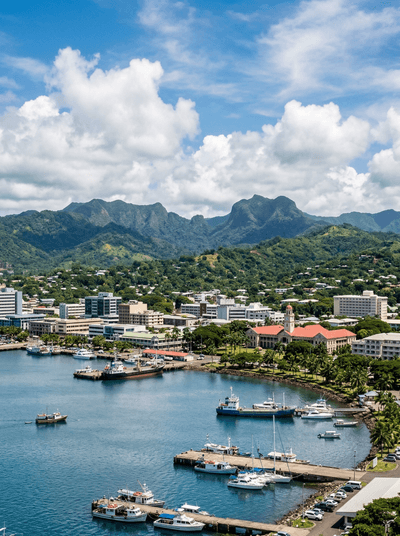
South Pacific hustle where Hindu temples share streets with Fijian markets and colonial verandahs.
Levuka
Fiji
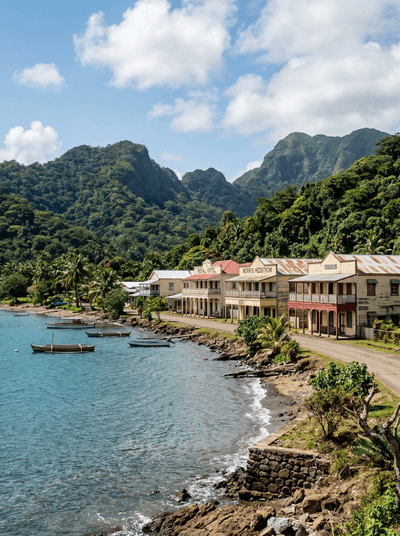
Fiji's first colonial capital frozen in the 1870s, wooden shopfronts sagging under tropical rain.
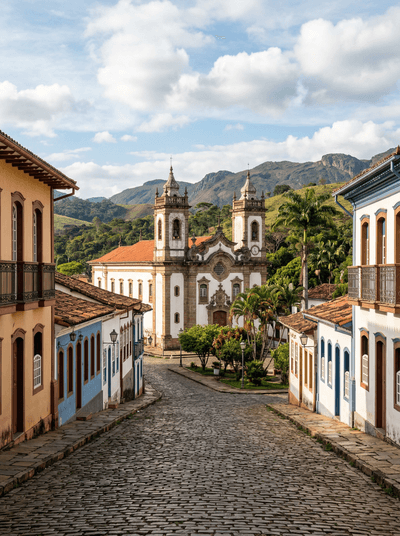
São João del-Rei
Brazil
Baroque towers answering each other across a valley, ringing the sex of whoever has just died.
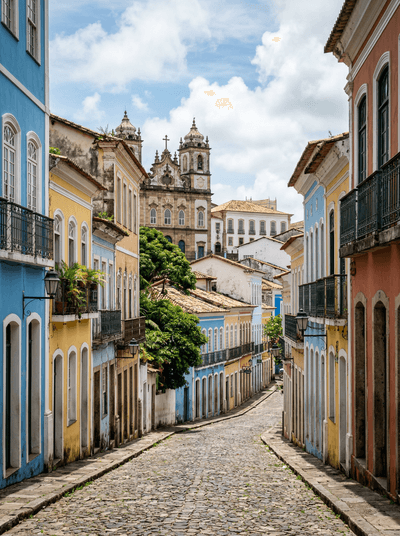
Salvador
Brazil
Drum rhythms ricocheting off colonial walls where song, dance and combat happen at once.
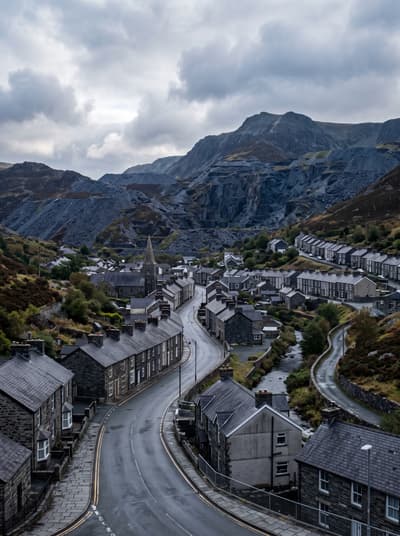
Blaenau Ffestiniog
Wales
The town that roofed the world, where you bounce on trampolines slung inside a slate cavern.
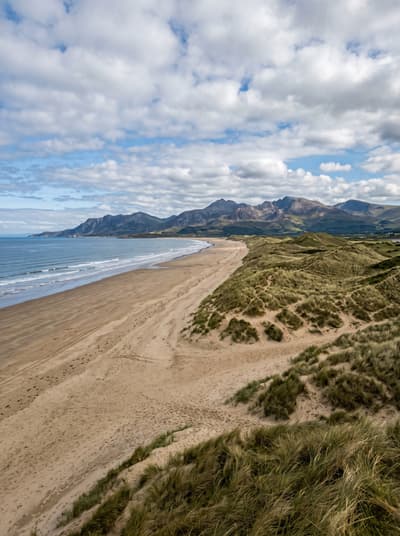
Harlech
Wales
A castle on a crag waiting for a sea that walked away centuries ago.
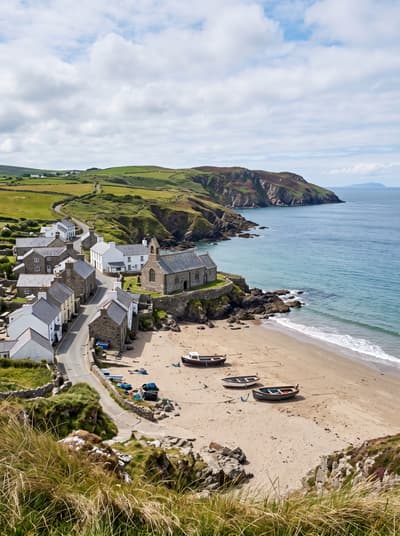
Aberdaron
Wales
A church on the sand where pilgrims ate their last meal before the island crossing.
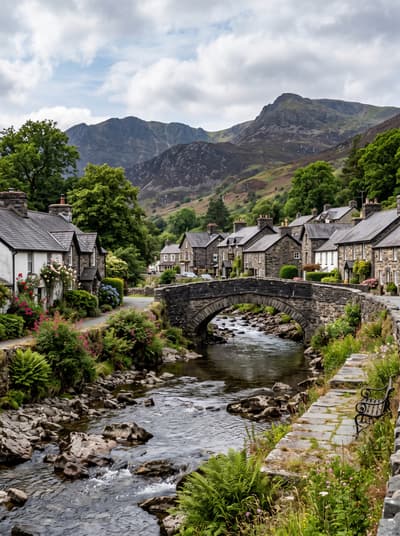
Beddgelert
Wales
A stone village at the meeting of two rivers, named for a legendary dog's grave.