Egypt
Abydos
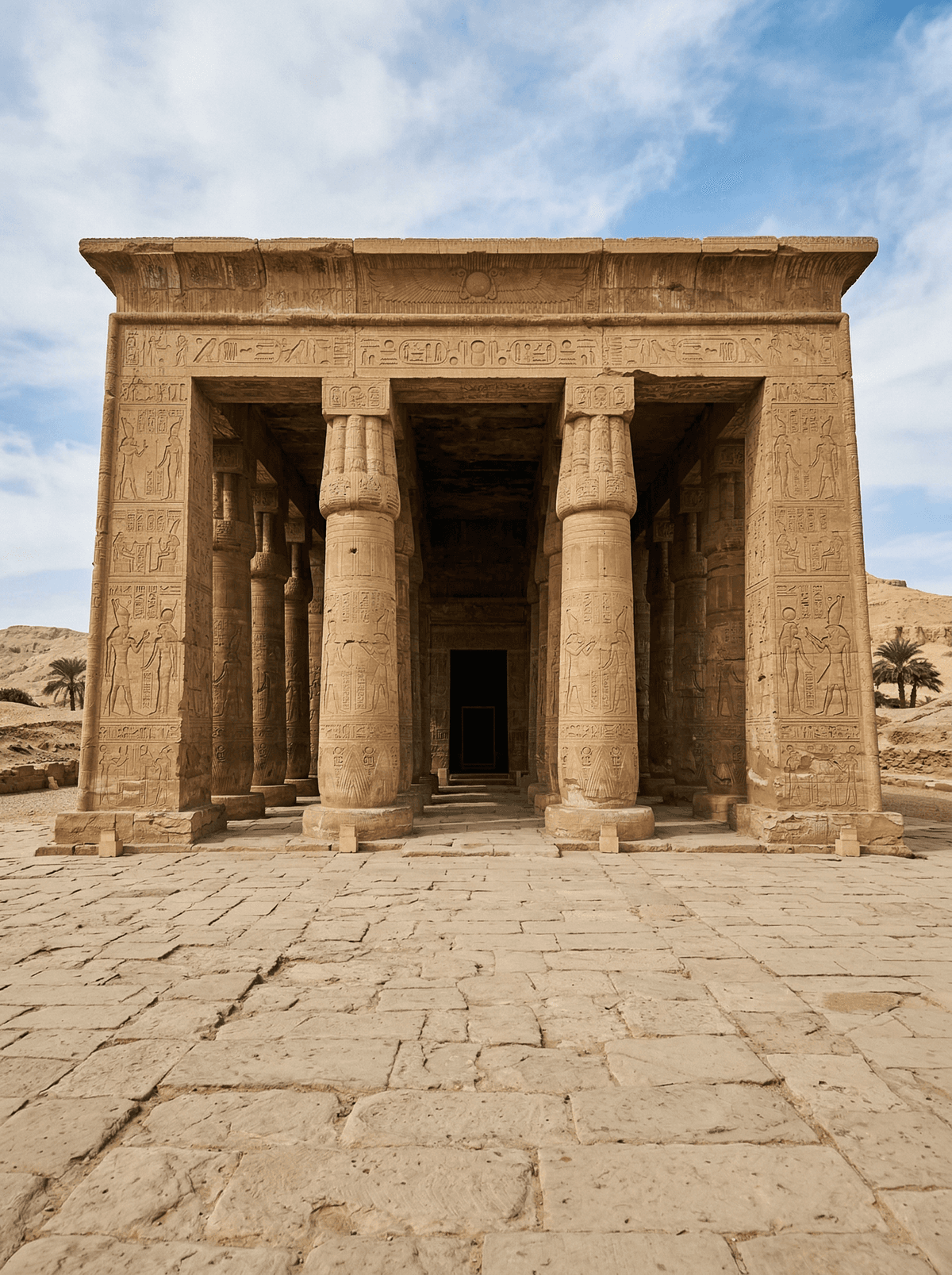
Temple paint vivid after thirty-three centuries, concealing an underground granite chamber that still puzzles archaeologists.
Colour survives here in a way few places can match. The ceiling of Seti I's temple holds paint applied thirty-three centuries ago — blues, greens and yellows as vivid as a restorer's work, kept by desert air doing what climate control cannot. Below, the Osireion waits in groundwater shadow, its granite blocks hinting at purposes still debated.
Abydos was ancient Egypt's most sacred ground, held to be the burial place of Osiris himself. The Temple of Seti I, finished by his son Ramesses II, carries some of the finest carved and painted reliefs in Egypt — including the Abydos King List, the cartouche-by-cartouche catalogue of pharaohs that became a founding document of Egyptology. Behind it lies the enigmatic Osireion, and to the north, the buried funerary monuments of the kings of Dynasties 1 and 2 — Egypt's first royal graves.
Solo
Take a guide who can read the King List with you, then stand in the Osireion long enough to form your own theory.
- The Osireion's massive, archaic-looking architecture still fuels argument over how and why it was built.
- The King List runs Menes to Seti along a corridor wall — a dynasty-by-dynasty spine for all of Egyptology.
- The astronomical ceiling still shows its original blue and gold, kept by the desert air.
- North Abydos holds the tombs of the very first kings, Dynasties 1 and 2, where the state itself began.
Village fare is Upper Egypt's: ful, tamiya and flatbread out of communal ovens.
Sugarcane fields ring the temple, and the village stalls press the juice cold.

Suva
Fiji
South Pacific hustle where Hindu temples share streets with Fijian markets and colonial verandahs.
Levuka
Fiji
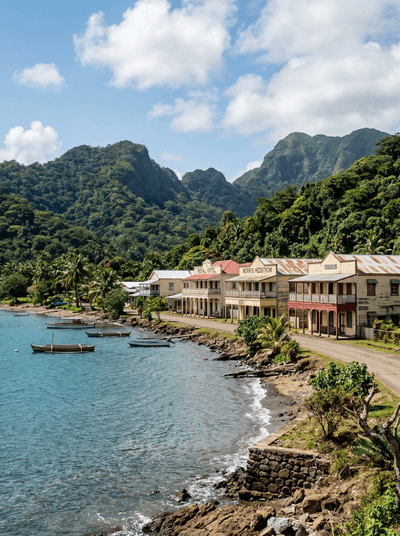
Fiji's first colonial capital frozen in the 1870s, wooden shopfronts sagging under tropical rain.
Salvador
Brazil
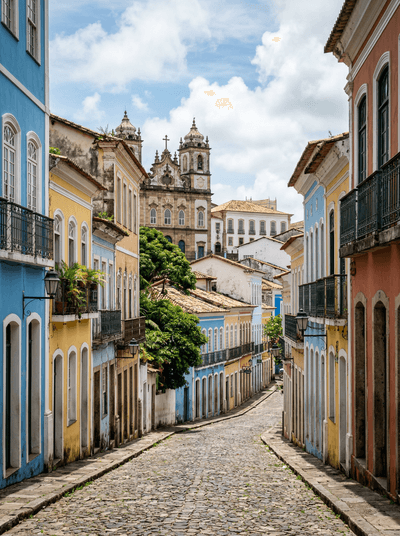
Drum rhythms ricocheting off colonial walls where song, dance and combat happen at once.
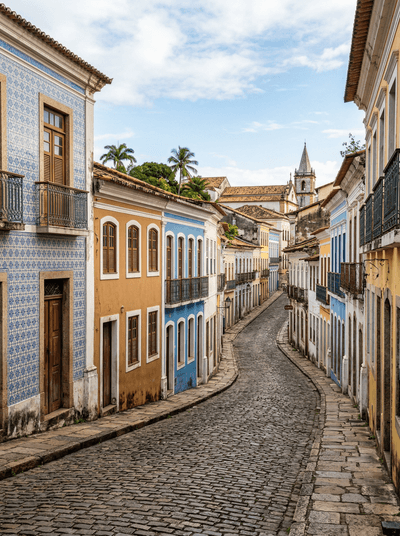
São Luís
Brazil
Hand-painted Portuguese tiles across four thousand colonial houses, cooling the walls against equatorial heat.
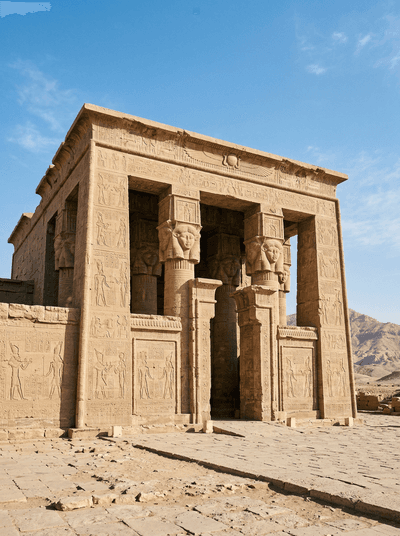
Dendera
Egypt
Two-thousand-year-old paint still vivid on ceilings where the goddess Hathor smiles from every column.
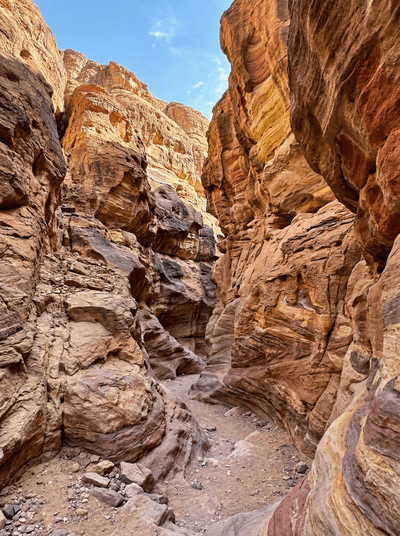
Coloured Canyon
Egypt
Sandstone walls rippling in rust, ochre, and violet, narrow enough to touch both sides.
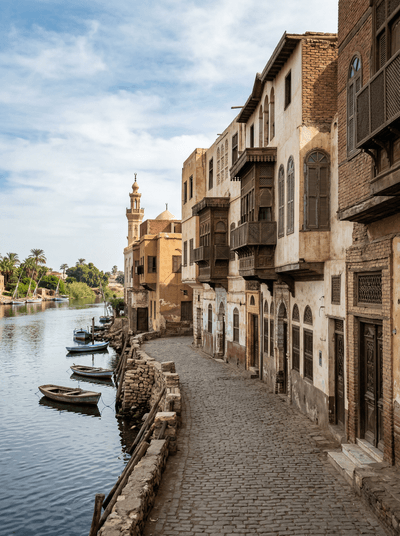
Rosetta
Egypt
Ottoman mansions with mashrabiya screens leaning over lanes where the key to hieroglyphs was found.
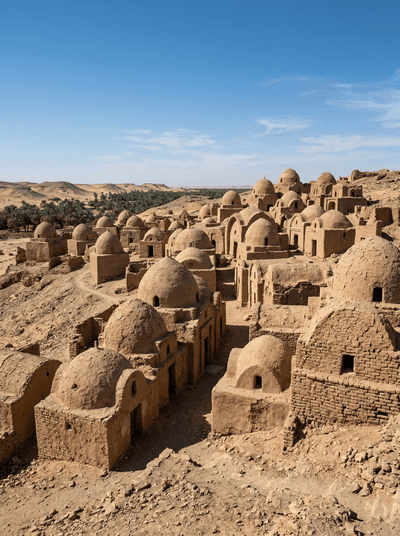
Al-Bagawat
Egypt
Domed desert chapels with fourth-century biblical murals, among the oldest Christian art on Earth.