Costa Rica
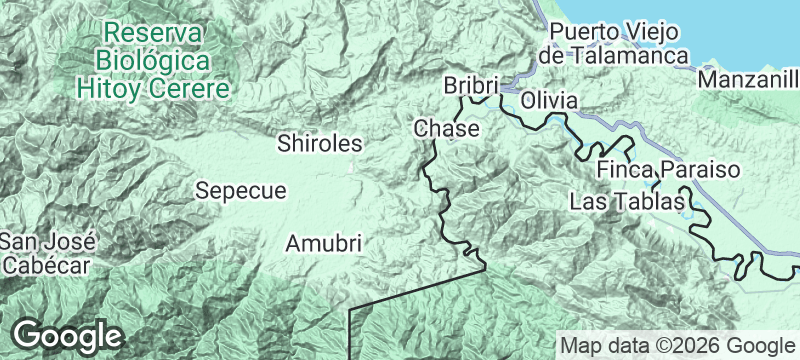
Bribri Indigenous Territory
Indigenous cacao ceremonies deep in a rainforest territory where the Bribri have lived for millennia.
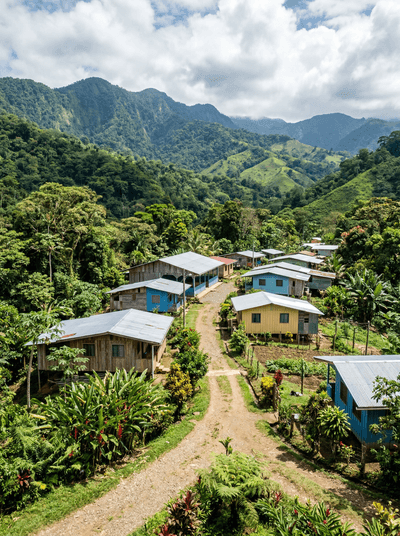
The canoe cuts upstream through green water beneath a canopy so dense the river runs in shade. Across the water, a thatched roof stands on stilts, and the scent of roasting cacao drifts downhill before any person comes into view. In Talamanca's Bribri territory, the forest is home, pharmacy and temple.
The Bribri of Talamanca live under their own governance, and visits run only through community tourism initiatives — you arrive by boat and on foot, hosted, never wandering. Cacao is the heart of it: in Bribri tradition the tree is sacred and its preparation is women's knowledge, and the ceremony — pods cracked, seeds roasted over fire, ground on stone, drunk unsweetened — takes hours and tastes nothing like chocolate's industrial descendant. The clan system is matrilineal; land and identity pass through the mother's line. What you find on the far bank of that river is not a performance. It is a household letting you in.
Solo
The river journey in sets a listening pace, and community-led visits reward a guest who arrives ready to learn.
Couple
Hours of hands-on cacao work ending in a shared cup of something ancient — intimacy no restaurant can plate.
Friends
River travel, cacao processing and open-fire cooking weld a group through shared work rather than passive sightseeing.
- Visits run only through Bribri community tourism — arrival is by boat and on foot, as a hosted guest.
- The cacao ceremony is the centrepiece: roasted over fire, ground on stone, drunk unsweetened and sacred.
- Bribri clans are matrilineal — land and identity pass through the mother's line.
- Talamanca's forest has been Bribri home ground for millennia — pharmacy, larder and temple in one.
Ceremonial cacao — roasted, stone-ground and drunk unsweetened, the way it has been for generations.
A forest meal cooked over open fire — river fish, plantain and heart of palm from the territory itself.
Cholistan Desert
Pakistan
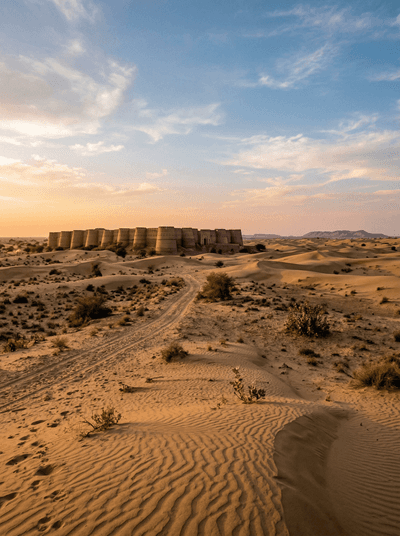
Forty bastions of a forgotten fortress rising from featureless desert where camel nomads still roam.
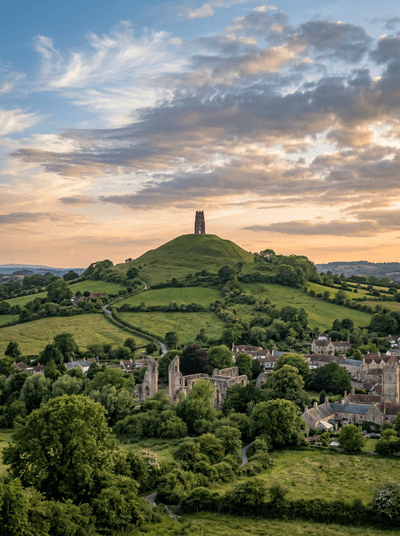
Glastonbury
England
Where ley lines cross, Arthur allegedly sleeps, and the veil feels genuinely thin.
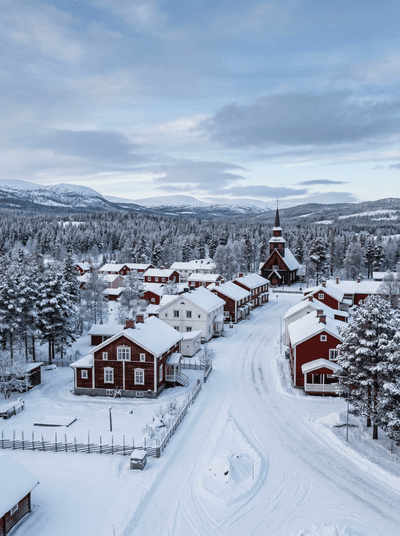
Jokkmokk
Sweden
A Sámi market town where reindeer-herding culture has gathered every February since 1605.