Costa Rica
Cartago
Two million walk through the night to a stone virgin who refuses to leave her rock.
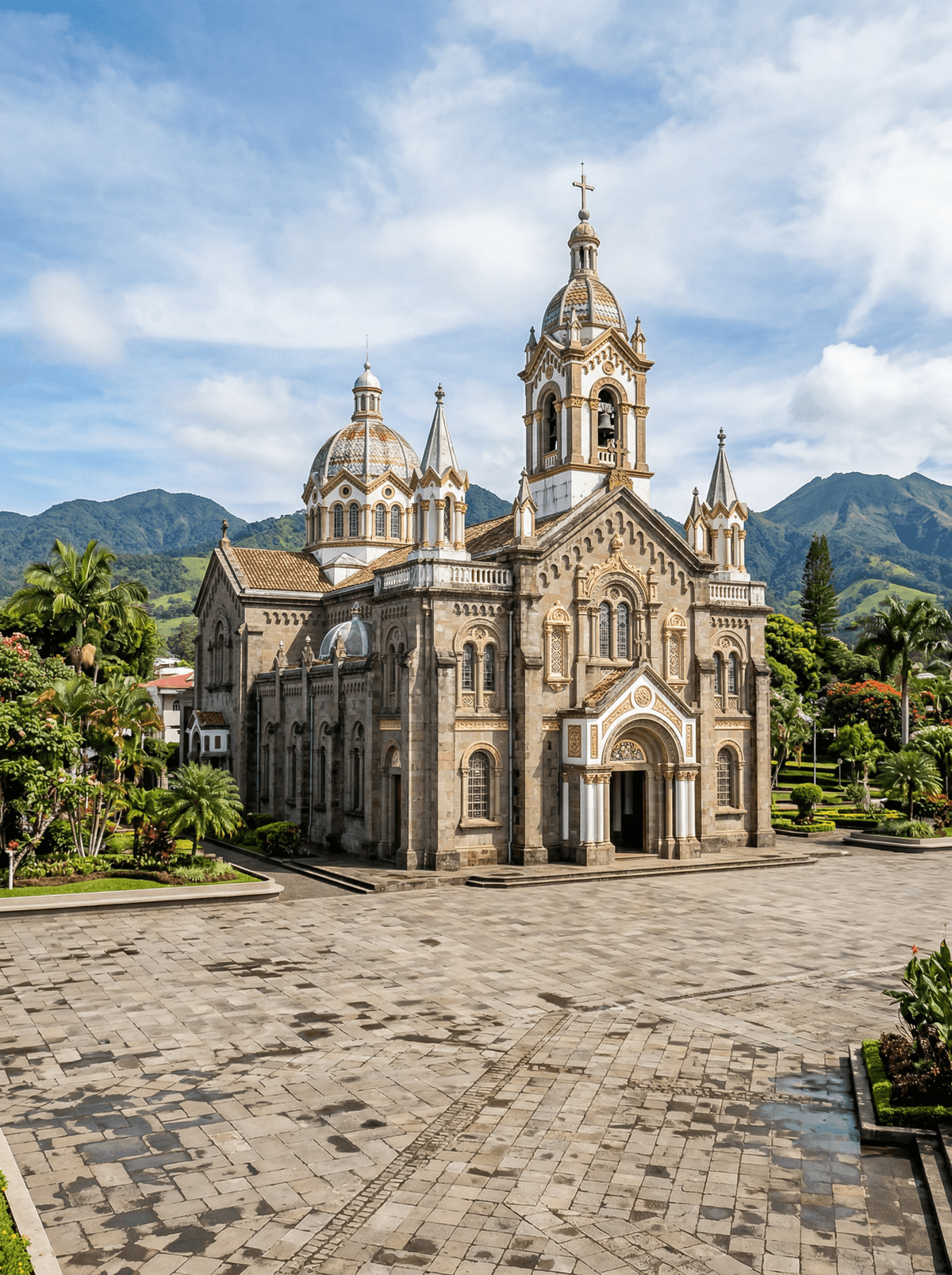
The road from San José fills with walkers at midnight — headlamps bobbing in a river of people moving through darkness toward a stone figure no taller than a hand-span, one that, the story insists, refused again and again to be moved from her rock. Cartago is Costa Rica's spiritual axis and its original capital, shaken by earthquakes and rebuilt around faith.
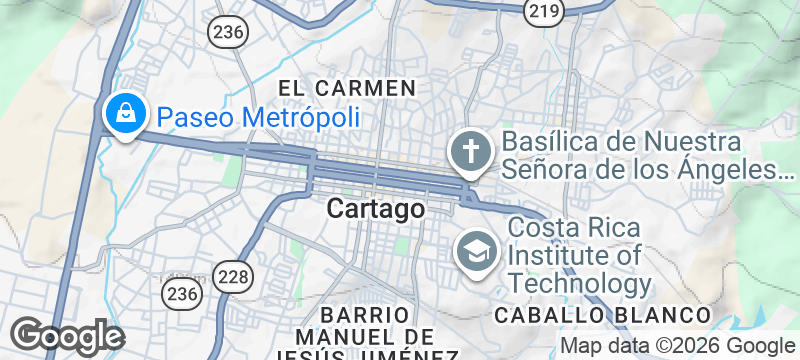
Every August the Romería fills the roads: from San José it is twenty-two kilometres on foot, and much of the country walks it to honour La Negrita — the small dark Virgin discovered on this spot in 1635 — inside the Basílica de Nuestra Señora de los Ángeles. A side chamber glitters with thousands of ex-votos, tiny metal arms, legs, hearts and eyes left in thanks for answered prayers. Across town, the roofless stone ruins of the colonial Santiago Apóstol church — felled by the 1910 earthquake — hold a garden where locals read among the broken walls. Cartago is defined less by what survived than by what people rebuilt around the loss.
Solo
Walking the Romería alone among a nation of strangers is one of Central America's most profound solo experiences — and the ex-voto chamber rewards quiet hours in any month.
Couple
Sacred history, earthquake ruins turned gardens and an old market district — a deeply felt cultural day far from the beach circuit.
Family
The Romería is a family event — children walk beside grandparents, and the route is lined with food stands deep into the night.
- The Romería draws walkers from across the country every 2 August — twenty-two kilometres on foot from San José.
- La Negrita was found on this rock in 1635, and the legend of her return built the basilica around the spot.
- Thousands of ex-votos — tiny metal limbs and hearts — fill a chamber of the basilica in thanks.
- The 1910 earthquake left the Santiago Apóstol ruins roofless — now a public garden inside broken walls.
Gallos de chorizo and hot chocolate from the midnight stands along the pilgrimage route.
Prestiños with tapa de dulce syrup — fried dough the market has perfected over generations.
Paestum
Italy
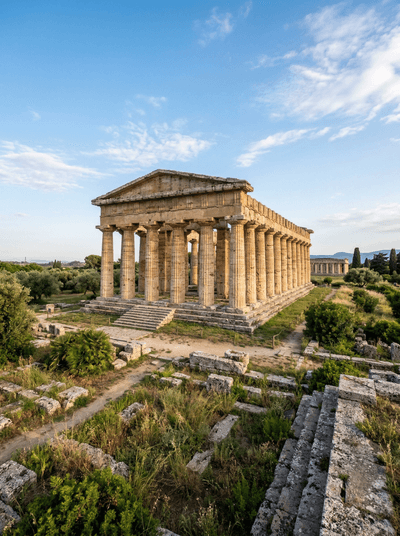
Three Greek temples older than the Parthenon, still standing in an open Cilento field.
Agrigento
Italy
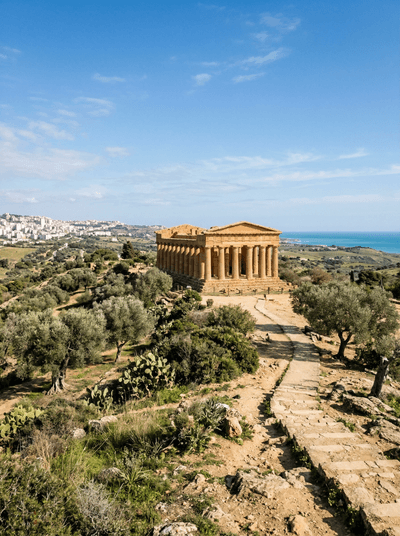
Greek temples lit gold at night along a ridge, almond blossoms carpeting the valley below.
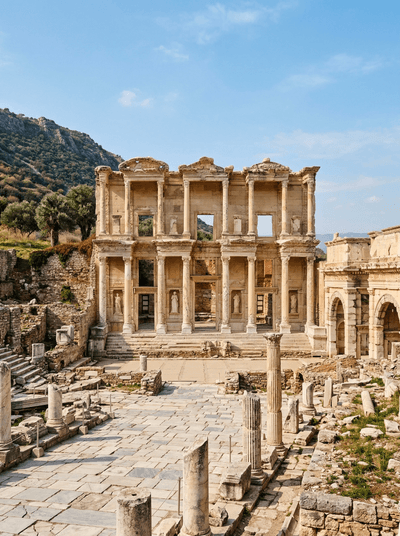
Ephesus
Turkey
Marble streets still grooved by Roman chariot wheels lead to a library that held 12,000 scrolls.
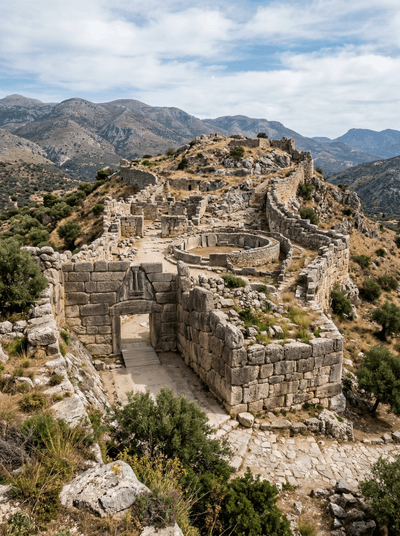
Mycenae
Greece
Walk through the Lion Gate into the Bronze Age citadel legend crowned as Agamemnon's.
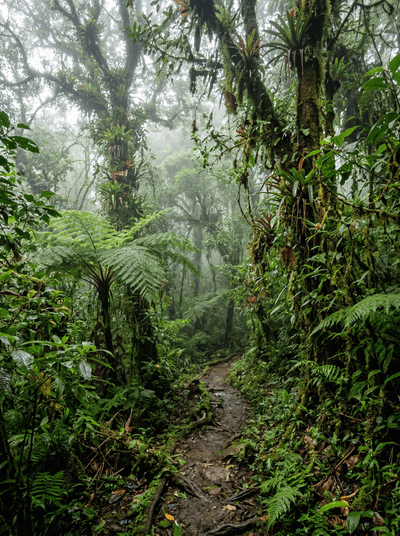
Monteverde Cloud Forest Reserve
Costa Rica
Mist so thick it beads on your eyelashes, orchids breathing in the canopy above.
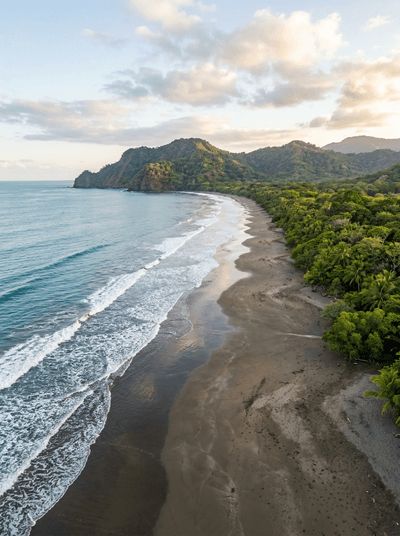
Las Baulas Marine Park
Costa Rica
A turtle without a hard shell hauls ashore in darkness, her lineage 100 million years old.
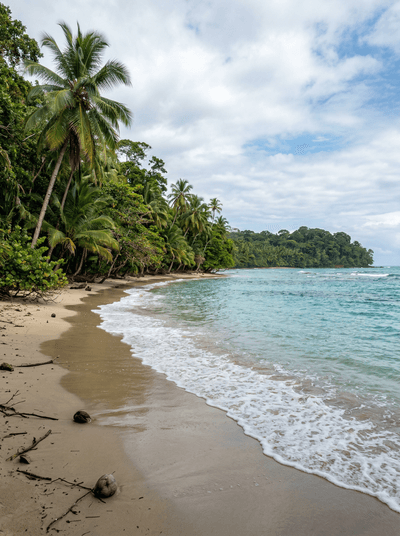
Cahuita
Costa Rica
Sloths dangle above a coral reef where Afro-Caribbean drums carry across coconut-fringed black sand.
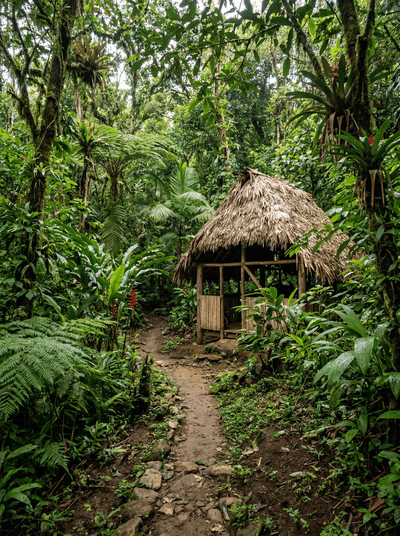
Bribri Indigenous Territory
Costa Rica
Indigenous cacao ceremonies deep in a rainforest territory where the Bribri have lived for millennia.