Mexico
Cacaxtla
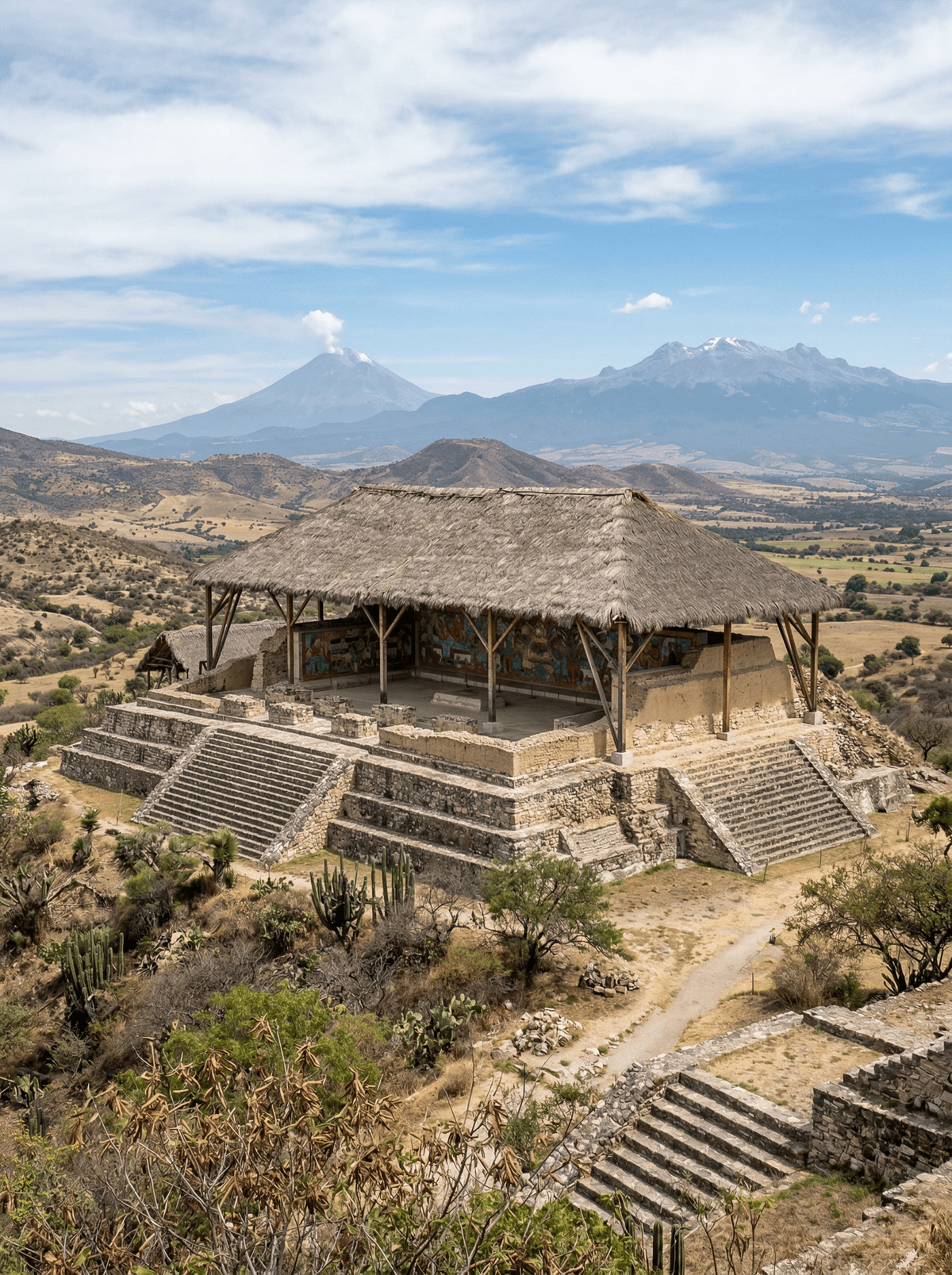
Battle murals hold their colour after more than 1,300 years, warriors and jaguars still vivid.
The paint should not have survived, and yet the wall still argues. Warriors in jaguar and bird regalia stand locked in battle, faces individual enough to read, blues and reds still holding their ground.
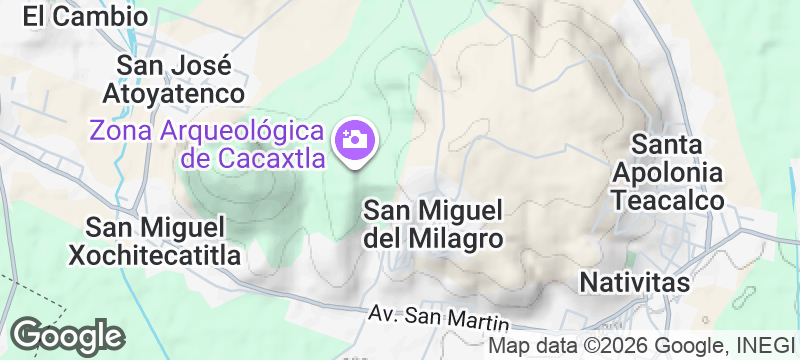
Cacaxtla's battle murals depict a war in extraordinary detail, victors in jaguar skins facing warriors in bird headdresses, their colour still vivid after more than 1,300 years. Villagers of San Miguel del Milagro found the site in 1975, and a vast roof of some ten thousand square metres now shelters the painted core. The surrounding Tlaxcala countryside adds the pulque haciendas and the village cradle of the taco de canasta.
Solo
Study the battle mural panel by panel under the site's great roof.
Couple
Pair the murals with Tlaxcala's pulque country on the drive.
- The battle murals depict a war in extraordinary detail, with individual warriors given distinct faces.
- The murals were painted between 650 and 700 CE and still hold their colour.
- Looters found the murals in 1975, and archaeologists rescued the site before the walls were lost.
In San Vicente Xiloxochitla, a village near the site, eight in ten families make tacos de canasta; the town calls itself the taco's cradle.
Tlaxcala's old pulque haciendas keep the fermented agave tradition on the same plain.
Izumo
Japan
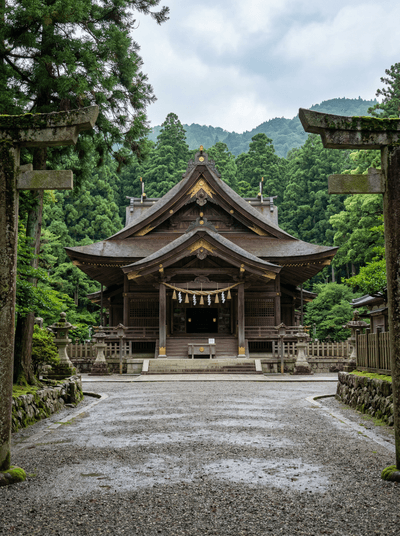
The shrine where Japan's eight million gods are said to gather, leaving everywhere else godless.
Akita
Japan
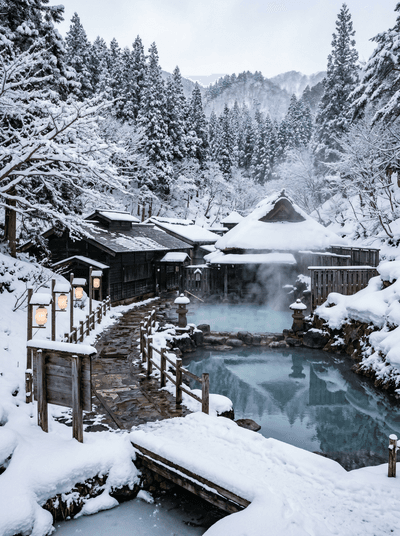
Bamboo poles hung with dozens of lanterns, balanced on a palm, a forehead, a hip.
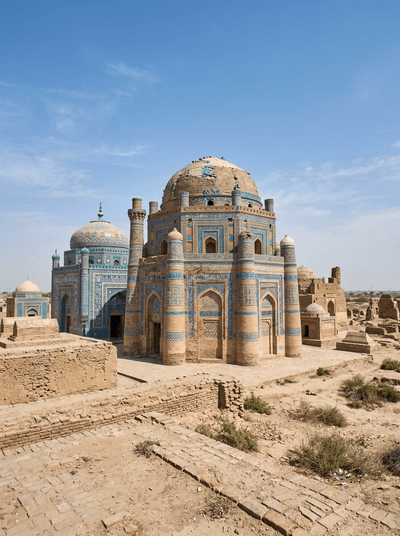
Uch Sharif
Pakistan
Half-fallen blue-tiled Sufi tombs leaning over the Indus plain, exquisite in their surrender.
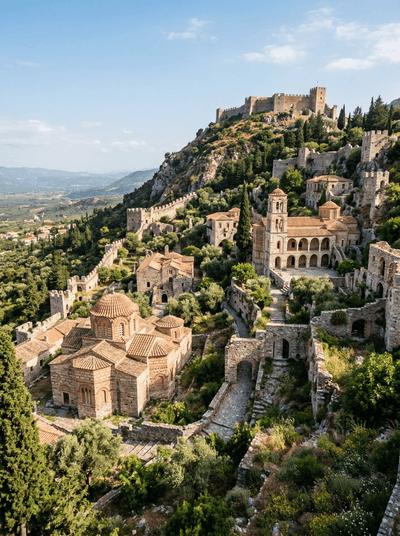
Mystras
Greece
A Byzantine ghost city of frescoed churches crumbling down a hillside above the Spartan plain.
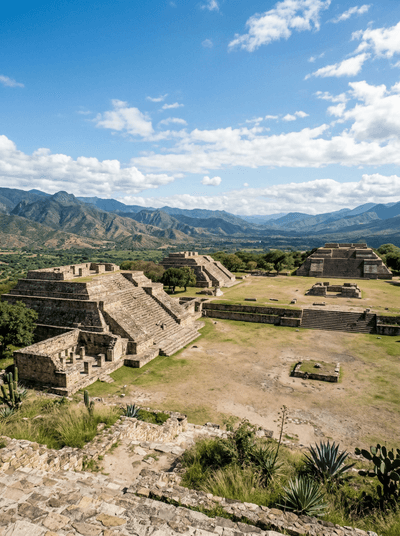
Monte Albán
Mexico
A Zapotec acropolis floats above the clouds on a mountaintop the ancients levelled by hand.
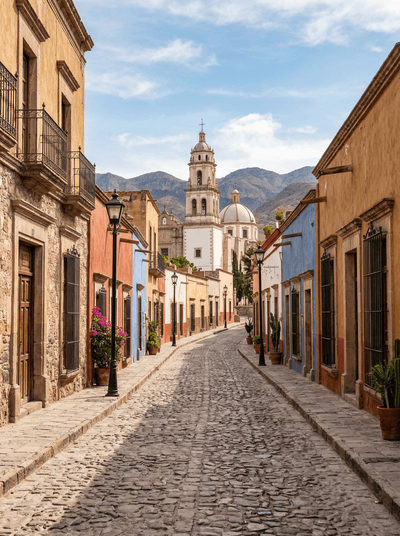
Parras de la Fuente
Mexico
Desert vineyards around a spring-fed oasis have produced wine since 1597.
Real de Catorce
Mexico
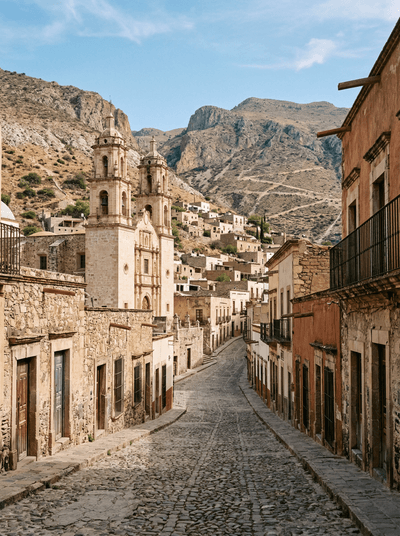
A mining tunnel opens onto stone lanes, high desert and centuries of pilgrimage.
Calakmul
Mexico
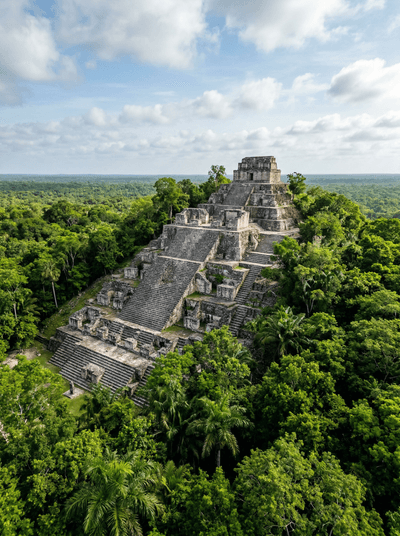
A Maya capital's towers still stand above an unbroken sea of forest.