Argentina
Campo de Piedra Pómez
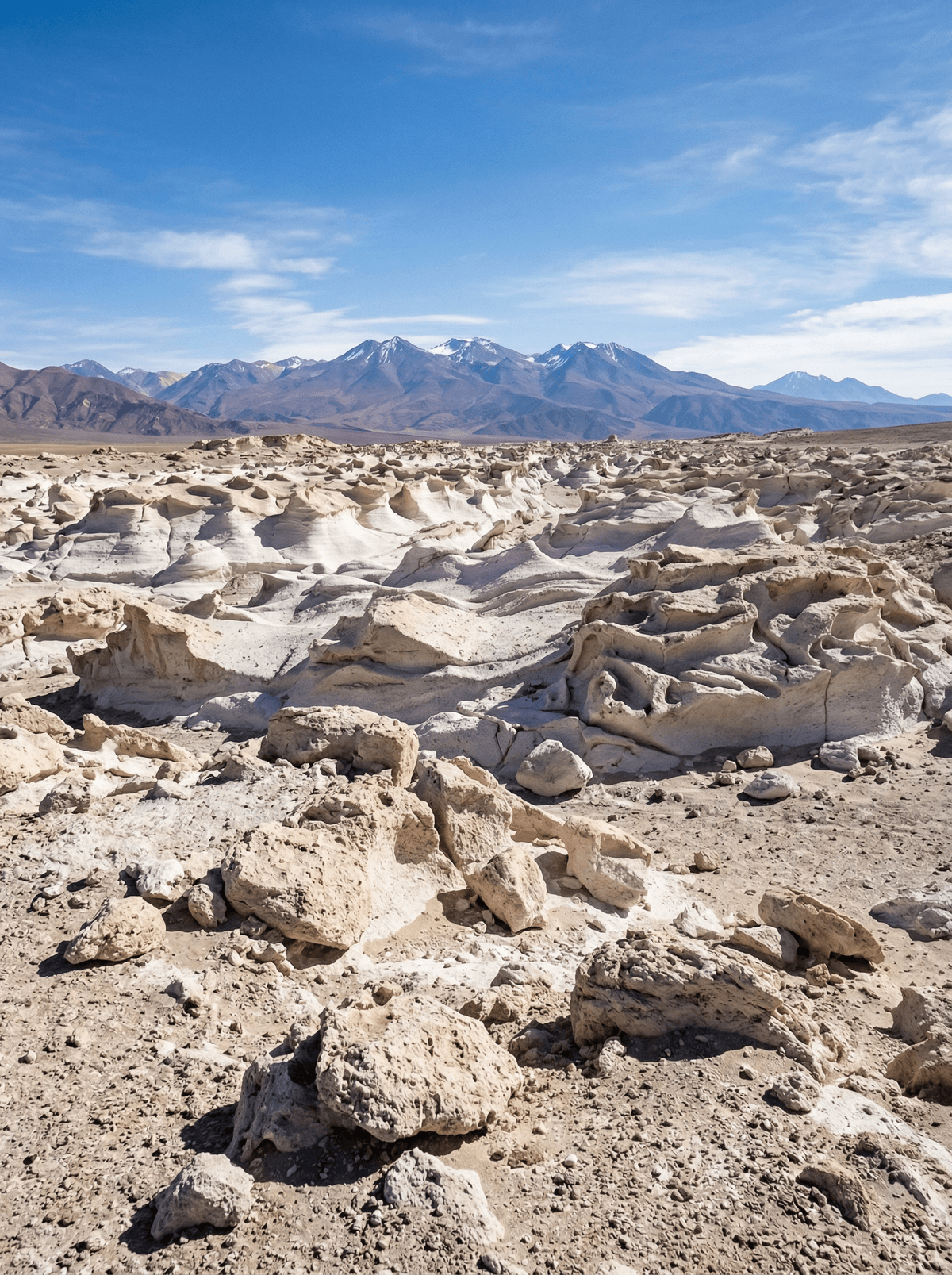
Wind-sculpted pumice towers rising from grey desert like a city built by erosion and abandoned.
The pumice field of Campo de Piedra Pómez in Catamarca Province covers 280 square kilometres of white and cream volcanic rock at 3,700 metres, sculpted by wind into a maze of corridors, arches, and cave-like chambers that go on for hours in every direction. The wind moves constantly here — not violently but persistently, and it has had 10,000 years to work the pumice into shapes that look carved by a sculptor who had no deadline and infinite patience. There is no tourist infrastructure of any kind on the field itself.
Campo de Piedra Pómez is a blanket of pyroclastic material deposited by the eruption of the Blanco volcanic complex approximately 10,000 years ago, now wind-eroded into a labyrinthine landscape that is unique in South America. The pale pumice rock is porous and lightweight — blocks the size of houses can be shifted by a single person — and the wind erosion has created formations ranging from delicate mushroom columns to enclosed spaces that function as natural shelters. The Río Real passes through the southern edge of the field, producing a surreal contrast of turquoise water against white rock that photographers have been trying to do justice to for twenty years without fully succeeding. Access requires a high-clearance vehicle and a guide — the field's size and uniformity make it genuinely easy to become disoriented.
Solo
Walking into the pumice field alone, following the wind-carved corridors until the access track is no longer visible, produces a sense of geological dislocation that is almost impossible to replicate. The silence inside the formations, sheltered from the wind, is absolute.
Couple
The field's scale makes it feel different depending on how far in you go — the outer edges are accessible and visually striking, but the interior corridors require real exploration and repay it. A day spent moving through the formations together, finding the places no path leads to, is unlike any other experience in Argentina.
- The pumice towers shift colour from cream to ochre as the sun moves — the same formation looks different every hour.
- Wind carves the soft pumice continuously — the forms visible today weren't there a decade ago.
- The site requires 4WD and 4–5 hours from Antofagasta de la Sierra on tracks with no services.
- At 3,600m with no other human presence, the silence is complete — no wind, no birdsong, nothing.
Pack provisions from Antofagasta de la Sierra — dried llama, bread, and water for the day.
Regional empanadas catamarqueñas waiting back in the village after the desert crossing.
Trollskogen (Öland)
Sweden
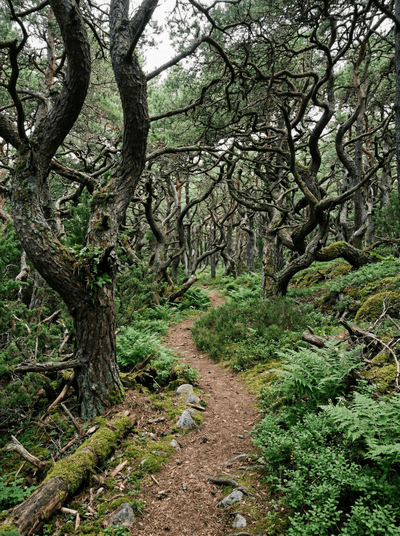
A forest of wind-warped oaks so twisted they look like a witch's spell gone wrong.
Millennium Cave
Vanuatu
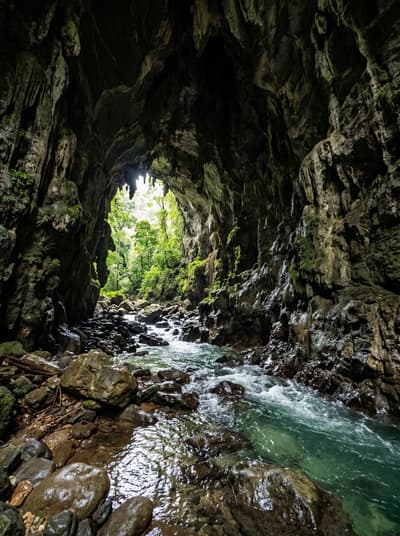
Scramble through jungle and wade chest-deep rivers to a cave you enter walking and exit floating.
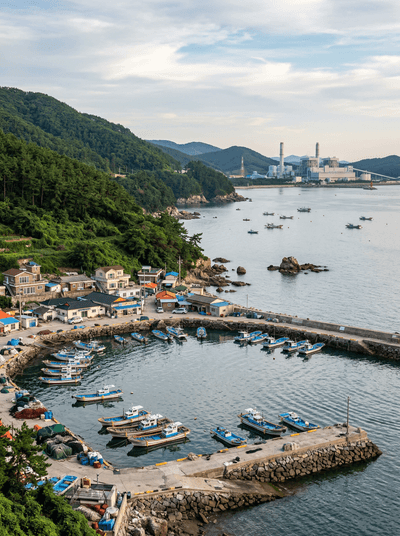
Maryang-ri
South Korea
A five-hundred-year-old forest of camellia trees bleeding red flowers against the grey winter sea.
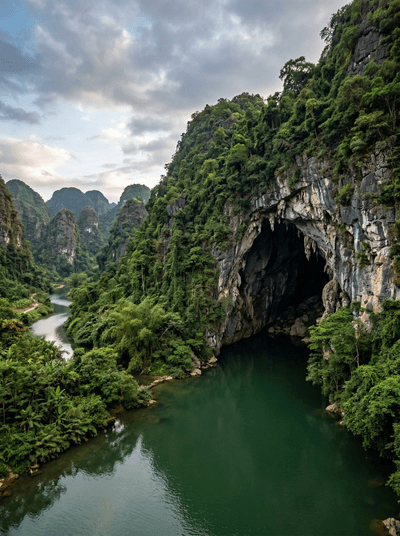
Phong Nha
Vietnam
Hidden jungle portals opening into subterranean river systems and limestone caverns.
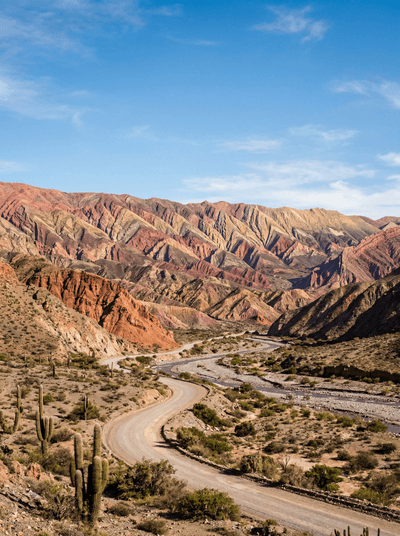
Quebrada de Humahuaca
Argentina
A canyon of fourteen-colour hills where Inca trails thread through villages older than the conquest.

Buenos Aires
Argentina
Tango echoes through crumbling art-deco ballrooms where strangers dance until the city wakes.
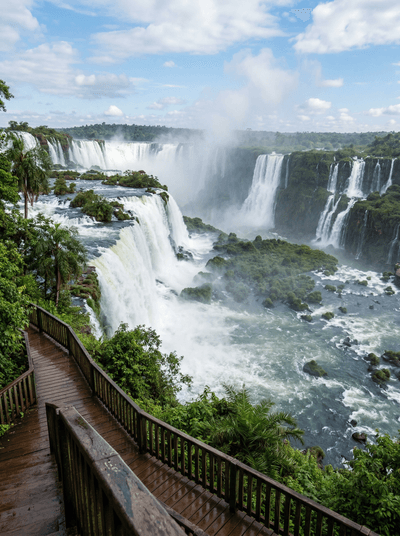
Iguazú Falls
Argentina
275 waterfalls collapse into a devil's throat of mist, thunder, and rainbow spray.
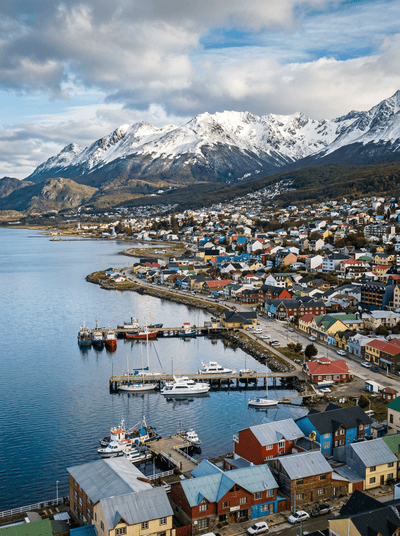
Ushuaia
Argentina
The last city before Antarctica, where beech forests dissolve into glaciers at the planet's edge.